Embarking on a vocal journey can feel both exciting and daunting. Perhaps you’ve dreamt of lending your voice to a beautiful harmony or simply want to explore your singing potential in a supportive setting. For many aspiring vocalists, the idea of searching for “group singing lessons near me” offers a perfect blend of learning, community, and encouragement without the initial pressure of a one-on-one spotlight. This approach opens doors to a vibrant musical experience that can significantly enrich your life.
At a Glance: Your Guide to Group Singing
- Discover Community: Learn alongside peers, fostering shared goals and mutual support.
- Boost Confidence: Overcome stage fright and shyness in a low-pressure group environment.
- Holistic Skill Development: Improve pitch, rhythm, harmony, and listening skills through collaborative practice.
- Cost-Effective Learning: Often more affordable than private lessons, making vocal training accessible.
- Diverse Musical Exposure: Engage with various genres and vocal arrangements within a group setting.
- Performance Opportunities: Many group classes culminate in recitals, offering valuable stage experience.
Why Group Singing Lessons Strike a Harmonious Chord
The benefits of music education are well-documented, touching on everything from cognitive development to emotional well-being. When it comes to singing, a group setting amplifies many of these advantages. You’re not just learning notes and lyrics; you’re developing higher thinking, concentration, and listening skills. The collaborative nature of a choir or vocal ensemble fosters teamwork and discipline, while the act of singing itself aids relaxation and stress reduction. It’s a holistic experience that builds self-confidence, improves creativity, and deepens an appreciation for music and art.
Consider the example of a local studio whose philosophy emphasizes that well-organized musical experiences develop cognitive, emotional, and physical aspects in all students. This isn’t just theory; it’s a practical outcome seen daily in group singing classes where individuals, from young children to adults, learn to blend their voices.
Deciphering the “Near Me” Factor: Finding Your Local Vocal Tribe
When you start looking for “group singing lessons near me,” the initial search can feel overwhelming. The key is to narrow down your options based on what truly matters for your growth and enjoyment.
Understanding Studio Philosophies and Environments
Every music studio has a unique ethos. Some prioritize classical technique, others focus on contemporary pop, and many aim for a balanced approach. Look for studios that emphasize a positive, nurturing environment. A studio dedicated to helping students achieve their musical potential, enrich their lives, and nurture a lifelong love of music will offer more than just vocal exercises; it provides a comprehensive experience. This kind of environment makes learning enjoyable and sustainable, fostering a deep connection to music.
Instructor Qualifications: The Guiding Voice
The quality of your instructor can make all the difference. Seek out teachers with strong musical backgrounds, teaching certifications, or even advanced degrees in music education. An instructor with a deep understanding of vocal pedagogy can guide you safely and effectively, preventing bad habits and promoting healthy vocal production. They should be able to break down complex concepts into manageable steps, making learning accessible for all skill levels.
Location and Logistics: Making it Work for You
Practicalities matter. Is the studio conveniently located? Do the class times fit your schedule? Some studios, like certain reputable ones, might offer group lessons exclusively at a specific location, catering to local communities like Fremont, Newark, or Union City. Knowing this upfront helps you manage expectations and plan your commute. Accessibility and ease of attendance are crucial for consistent participation and progress.
What to Expect in a Group Singing Lesson
Stepping into your first group singing lesson might involve some jitters, but understanding the typical structure can ease your mind. These classes are designed to be inclusive and progressive, building your skills week by week.
Warm-Ups and Vocal Exercises
Every good singing lesson begins with warm-ups. These aren’t just filler; they are essential for preparing your vocal cords, improving breath control, and expanding your range safely. Expect a series of gentle hums, lip trills, scales, and arpeggios. These exercises help with pitch accuracy, resonance, and developing good vocal habits right from the start.
Breathing Techniques and Posture
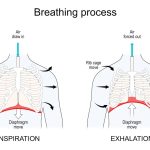
Proper breath support is the foundation of good singing. Your instructor will guide you through diaphragmatic breathing exercises, teaching you how to sustain notes and control your vocal output. Posture is equally vital; good alignment allows your diaphragm and lungs to work efficiently, enabling a fuller, more resonant sound. You’ll learn how to stand or sit in a way that supports your voice without tension.
Harmony and Ear Training
This is where group singing truly shines. You’ll learn to listen actively and blend your voice with others, developing your ear for harmony. Many lessons involve singing in rounds, two-part harmonies, and eventually more complex arrangements. This process sharpens your aural skills, helping you identify intervals and chords, and understand how different vocal parts weave together to create a richer sound.
Repertoire Exploration
Group singing lessons typically explore a diverse range of musical styles, from classical choral pieces to contemporary pop songs, folk tunes, and musical theatre numbers. This variety keeps things interesting and exposes you to different vocal techniques and interpretations. You’ll learn to read basic sheet music or follow lead sheets, gaining confidence in tackling new songs.
Performance Opportunities
Many group singing programs culminate in informal showcases or formal recitals. These opportunities provide invaluable experience in performing before an audience, helping to build self-confidence and alleviate stage fright in a supportive environment. It’s a chance to celebrate your progress and share the “magic of music” with friends and family.
Group Singing vs. Private Voice Lessons: Choosing Your Path
While this article focuses on the benefits and practicalities of group singing lessons, it’s worth understanding how they compare to private instruction. Both have unique advantages, and often, a blend of the two offers the most comprehensive vocal training.
Group singing lessons offer a communal experience, lower cost, and built-in performance practice with others. They’re excellent for building confidence, learning to blend, and understanding musical teamwork. However, individual vocal issues might receive less personalized attention.
Private voice lessons provide highly individualized feedback, tailored exercises for your specific vocal needs, and an accelerated pace for personal goals. They are ideal for addressing specific vocal challenges, deep dives into technique, or preparing for auditions. For a deeper exploration of dedicated one-on-one training and how it can unleash your unique vocal potential, you can Find private voice lessons near you.
Many vocalists find success by starting with group lessons to build foundational skills and confidence, then transitioning to private lessons to refine their technique, or by supplementing private lessons with a group experience to enjoy the collaborative aspect of singing.
A Practical Playbook for Joining Group Singing Lessons
Ready to find your voice in a group? Here’s a step-by-step guide to help you enroll confidently.
Step 1: Define Your Goals
Before you search for “group singing lessons near me,” ask yourself:
- What do I hope to achieve? (e.g., sing for fun, join a choir, improve my pitch, meet new people, reduce stress)
- What kind of music do I enjoy most? (e.g., classical, pop, jazz, gospel, musical theatre)
- How much time and money am I willing to commit?
These answers will guide your search and help you identify suitable programs.
Step 2: Research Local Options
- Online Search: Use specific terms like “group singing lessons Newark CA,” “adult choir lessons Fremont,” or “children’s vocal ensemble Union City.”
- Studio Websites: Look for “Group Lessons,” “Choir,” or “Vocal Ensembles” sections. Pay attention to age groups, class sizes, curriculum, and instructor bios.
- Community Centers & Schools: Many local community centers, adult education programs, and schools offer affordable group music classes.
- Referrals: Ask friends, family, or local musicians for recommendations.
Step 3: Evaluate and Compare Programs
Create a simple comparison table to weigh your options:
| Feature | Studio A | Studio B | Studio C |
|---|---|---|---|
| Location | Close | Farther | Moderate |
| Instructor Bio | Ed.D. in Music | Performance Exp | Music Major |
| Curriculum | All styles | Pop/Rock only | Classical |
| Class Size | 8-12 | 15-20 | 6-10 |
| Age Group | Adults | Teens & Adults | All Ages |
| Cost (per month) | $120 | $90 | $150 |
| Trial Class? | Yes | No | Yes |
| Look for studios that align with your goals and offer a positive, quality learning experience. |
Step 4: Attend a Trial Class or Observe
If possible, take advantage of trial classes or observation opportunities. This is the best way to get a feel for the instructor’s teaching style, the group dynamic, and the overall atmosphere. Pay attention to:
- Instructor engagement: Do they provide clear instructions and constructive feedback?
- Student interaction: Do students feel comfortable and supported?
- Energy level: Is the class engaging and enjoyable?
Step 5: Enrollment and Commitment
Once you find the right fit, commit to consistent attendance. Progress in singing, especially in a group, relies on regular participation and practice. Remember that music’s power to heal hearts and alleviate sadness and stress is often realized through consistent engagement and shared musical experiences.
Quick Answers: Common Questions About Group Singing
Q: Are group singing lessons suitable for absolute beginners?
A: Absolutely! Many “group singing lessons near me” are specifically designed for beginners, focusing on foundational skills like pitch matching, rhythm, and basic breath control. The supportive group environment is excellent for building confidence without feeling singled out.
Q: Will I get enough individual attention in a group setting?
A: While not as individualized as private lessons, good group instructors circulate, listen to individual voices, and provide general feedback that often applies to many students. They also create a safe space for students to ask questions or briefly address specific challenges. The peer feedback and collaborative learning are also incredibly valuable.
Q: What if I’m shy or nervous about singing in front of others?
A: This is a very common concern! Group lessons are perfect for overcoming shyness. You’re part of a larger sound, which reduces the pressure on any single voice. As you gain confidence, you’ll feel more comfortable letting your voice be heard, and the camaraderie of the group often fosters a sense of psychological safety.
Q: Do I need to be able to read music to join a group singing class?
A: Not necessarily. While some knowledge of music theory or notation is helpful, many beginner group classes teach these concepts from scratch. Others rely on rote learning (imitating the teacher) or sheet music with simplified notations. The focus is often on listening and singing, with music reading as a secondary skill.
Q: What’s the typical age range for group singing lessons?
A: Age ranges vary widely. You’ll find “group singing lessons near me” tailored for children (often split by age bands like 5-8, 9-12), teens, adults, and even seniors. Many studios offer programs for all ages, recognizing that the joy of music transcends generational divides.
Your Next Step: Unleash Your Group Vocal Power
The journey of finding your voice within a group is a profoundly rewarding one. It’s an opportunity to develop not just your singing abilities, but also vital life skills like teamwork, discipline, and self-confidence. You’ll join a community of like-minded individuals, all united by the “magic of music.”
Start by defining what you seek from group singing. Is it confidence, camaraderie, or a new skill? Then, use that clarity to explore the “group singing lessons near me” that truly align with your aspirations. Don’t be afraid to try a trial class or two. Take that first step, and you might just discover an inner vocalist you never knew existed, ready to harmonize with the world.