Ready to unlock the full potential of your voice? If you’ve been dreaming of singing with more confidence, hitting those high notes with ease, or simply understanding your instrument better, exploring private singing lessons near me is often the most direct path. Unlike group classes, one-on-one instruction offers a hyper-focused, tailor-made experience that can dramatically accelerate your vocal growth.
At a Glance: What You’ll Gain from Private Singing Lessons
- Personalized Feedback: Get immediate, specific corrections and guidance tailored to your unique voice and challenges.
- Accelerated Progress: A customized curriculum means you spend time only on what you need, fast-tracking your development.
- Targeted Skill Building: Deep dive into specific techniques like breath control, pitch accuracy, vocal agility, and stage presence.
- Flexible Scheduling: Often easier to find lesson times that fit your busy life compared to fixed group class schedules.
- Vocal Health Focus: Learn to use your voice safely and sustainably, preventing strain and injury.
- Cost-Effective in the Long Run: While the hourly rate might be higher, the efficiency of private instruction can lead to faster, more lasting results.
Why Go Private? The Unmatched Advantage of One-on-One Vocal Coaching
Choosing private singing lessons isn’t just about learning to sing; it’s about investing in a highly personalized journey of vocal discovery. Imagine having a dedicated expert dissecting your every note, identifying subtle nuances in your breathing or posture, and then crafting exercises specifically designed to address your challenges and capitalize on your strengths. This level of individualized attention is simply not possible in a group setting.
With a private vocal coach, your lessons evolve with you. If you’re struggling with a particular vocal break, your teacher can immediately pause, demonstrate, and guide you through targeted drills. If you discover a hidden talent for a specific genre, they can adapt your curriculum to explore that path. This dynamic, responsive approach means every minute of your lesson time is incredibly productive, pushing you forward at your own optimal pace. While group singing classes offer a fantastic sense of community and ensemble practice, for truly personal breakthroughs and technical mastery, one-on-one guidance is gold. If you’re weighing your options and want to understand the broader landscape of vocal training, you can always Explore local singing classes to see what’s available.
Deciphering the Investment: What Private Singing Lessons Cost (and Why)
When you search for “private singing lessons near me,” one of the first questions that comes to mind is often, “How much does it cost?” On average, you can expect to pay anywhere from $50 to $90 per hour for private vocal instruction. This range isn’t arbitrary; it reflects several key factors that influence a teacher’s pricing.
Factors Influencing the Price Tag
- Teacher’s Experience and Reputation: Highly experienced teachers, especially those with extensive performance backgrounds, advanced degrees in vocal pedagogy, or a track record of successful students, will naturally command higher rates. You’re paying for their expertise and proven ability to deliver results.
- Location: Like most services, vocal lesson prices can vary by geographic location. Teachers in major metropolitan areas or affluent neighborhoods often have higher overheads and may charge more than those in smaller towns.
- Lesson Duration: Most coaches offer lessons in 30, 45, or 60-minute increments. Shorter lessons are generally less expensive per session but may offer less time for comprehensive warm-ups and exercises.
- Package Deals: Many instructors provide discounts when you purchase a package of multiple lessons (e.g., 5, 10, or more) upfront. This can reduce the per-lesson cost and commits you to consistent practice, which is crucial for progress.
- Online vs. In-Person: While online lessons often offer convenience, the pricing might be similar to in-person instruction, reflecting the teacher’s expertise rather than just their physical location. However, some teachers may offer slightly reduced rates for virtual sessions due to lower overheads.
Think of the cost as an investment in a highly specialized skill and personalized mentorship. While group lessons are typically cheaper, the value derived from targeted, individual feedback in private lessons can often lead to faster, more profound improvements, making it a wise investment for serious vocalists.
Your Voice, Your Goals: What You’ll Learn and Achieve
Starting private singing lessons isn’t just about sounding “better”; it’s about gaining a deep, functional understanding of your voice. You’ll embark on a journey that strengthens your vocal cords, expands your range, and refines your tone. Importantly, while lessons will dramatically improve your sound, they won’t fundamentally change the unique natural quality of your voice – they’ll simply help you master it.
Core Areas of Improvement
A good vocal coach will guide you through a comprehensive curriculum, touching on these essential elements:
- Proper Posture: This is the foundation of good singing. You’ll learn how to align your body to allow for optimal diaphragm expansion and breath support, which directly impacts tone and power.
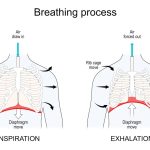
- Breathing Techniques: Beyond just “taking a deep breath,” you’ll master diaphragmatic breathing – the engine of your voice. This improves breath control, sustains longer notes, and prevents vocal strain.
- Pitch Matching and Intonation: Develop a keen ear and the muscle memory to hit notes accurately. Your teacher will use exercises to improve your ability to sing in tune and navigate melodies with precision.
- Diction and Articulation: Learn to enunciate clearly, ensuring your lyrics are understood. This involves tongue, lip, and jaw exercises that improve clarity without tension.
- Vocal Range Expansion: Gradually extend both your lower and upper register safely and comfortably, accessing new vocal colors and capabilities.
- Tone and Resonance: Discover how to shape your vocal tract to create different timbres and project your sound effectively, whether for powerful belt notes or sweet, delicate phrases.
- Vocal Health and Stamina: Understand how to warm up, cool down, and maintain vocal hygiene to protect your instrument, especially if you sing frequently.
Is it Ever Too Late to Start?
Absolutely not! Adults of all ages can take singing lessons and see significant improvement. Your vocal cords are muscles that can be trained and strengthened regardless of age. While it might take a bit more patience, the benefits – from improved cognitive function to emotional expression – are immense. Whether you’re a complete beginner or looking to refine existing skills, a private teacher can meet you where you are and guide you forward.
Finding Your Perfect Vocal Match: A Step-by-Step Search
Locating the ideal voice teacher among the many private singing lessons near you requires a thoughtful approach. It’s a bit like finding a trusted mentor – you want someone who understands your goals, matches your learning style, and inspires confidence.
Phase 1: Initial Research & Recommendations
- Leverage Online Reviews: Start by searching on platforms like Google, Yelp, and specialized music lesson sites (like Lessons.com, if applicable in your area). Pay close attention to feedback on a teacher’s methodology, personality, and their students’ progress. Look for recurring themes in positive comments.
- Ask for Local Music Community Recommendations: Tap into local choirs, theater groups, open mic nights, or even music stores. Musicians often know reliable teachers who come highly recommended. A personal referral can be incredibly valuable.
- Explore Online Directories: Many music schools, conservatories, and professional organizations maintain directories of qualified instructors. These often provide insights into a teacher’s background and specialties.
Phase 2: Shortlisting & Vetting
Once you have a list of potential candidates, it’s time to dig deeper:
- Get at Least Three Estimates: Contact several teachers with similar credentials to compare their rates, availability, and general approach. Don’t base your decision solely on price; consider the overall value.
- Inquire About Training and Credentials: Ask about their formal education (e.g., music degrees), certifications, and any specialized training in vocal pedagogy. A strong theoretical and practical background is a good sign.
- Understand Their Specific Methods and Techniques: Does their teaching philosophy align with your goals? Some teachers specialize in classical, others in contemporary, jazz, or musical theater. Ensure their expertise matches what you want to learn. For example, if you aim to sing pop, a teacher focused purely on opera might not be the best fit.
- Ask About Student Progress: Inquire if they can share general insights into the progress other students have made under their tutelage. While they won’t share specific student details for privacy, they can speak to common improvements and success stories.
- Check Their Schedule Against Your Availability: This seems obvious, but it’s crucial. Ensure their lesson slots genuinely align with your consistent availability to avoid scheduling conflicts down the line.
Phase 3: The Trial Meeting or Lesson
This is perhaps the most critical step. Most reputable teachers offer an introductory consultation or a discounted trial lesson. Use this time wisely:
- Observe Their Teaching Style: Are they patient, encouraging, and clear in their instructions? Do you feel comfortable asking questions?
- Assess Your Comfort Level: A strong student-teacher relationship is built on trust and rapport. Do you feel a good connection? Can you envision yourself learning effectively from them?
- Communicate Your Goals: Clearly articulate what you hope to achieve. This helps the teacher understand your aspirations and whether they can genuinely help you reach them.
- Ask Key Questions Directly: Refer to the “Questions to Ask” below to ensure you cover all bases.
Essential Questions to Ask a Prospective Singing Teacher
Before committing to private singing lessons, arm yourself with these questions during your initial conversations:
- “How long have you been teaching singing professionally?”
- “Can you share examples of the progress or success stories your students have had?”
- “Do I need to already have a ‘good voice’ to start lessons, or can anyone learn?”
- “How long does it typically take for students to start seeing noticeable improvement?”
- “Do you offer package deals for multiple lessons, and what are those rates?”
- “What is your typical teaching schedule, and how long are individual lessons (30, 45, 60 minutes)?”
- “How often should I practice between lessons, and what kind of exercises do you recommend?”
- “Do you primarily offer private lessons, or do you also teach group classes?”
- “Where do you teach (e.g., home studio, music school), and do you offer online lessons as an option?”
- “What styles of music do you specialize in teaching?”
The right teacher is a catalyst for your vocal journey. Take your time, ask thorough questions, and trust your gut feeling.
Beyond the Studio: Practicing and Progressing Between Lessons
Your private singing lessons are where you gain insight and tools, but your progress truly blossoms between sessions. The consistency and quality of your home practice are paramount. Think of your teacher as a guide who gives you the map and compass; it’s up to you to navigate the terrain.
Crafting an Effective Home Practice Routine
- Schedule Dedicated Time: Treat practice like any other important appointment. Even 15-20 minutes daily is more effective than one long session once a week.
- Revisit Lesson Material: Immediately after your lesson, jot down key takeaways, specific exercises, and any “aha!” moments. This helps cement the learning.
- Record Yourself: Use your phone or a simple recording device to capture your practice sessions. Listening back objectively helps you identify areas for improvement your teacher might highlight. You’ll catch things you miss while you’re focused on singing.
- Focus on Specific Exercises: Don’t just sing songs. Dedicate time to the warm-ups and technical exercises your teacher assigned. These are designed to build specific skills.
- Warm-Up and Cool-Down: Just like any athlete, your vocal cords need proper preparation. Always begin with gentle warm-ups and end with soothing cool-down exercises.
- Stay Hydrated: Water is your vocal cords’ best friend. Drink plenty throughout the day, especially before and after practice.
- Listen Actively: Pay attention to other singers, both professional and amateur. Analyze what you like and dislike about their technique, tone, and delivery. This informs your own vocal development.
- Be Patient and Kind to Yourself: Progress isn’t linear. Some days will feel great, others less so. Celebrate small victories and don’t get discouraged by temporary setbacks. Consistency trumps intensity.
Your teacher will likely provide specific guidance on how often to practice and what to focus on. Adhering to their advice is key to maximizing the value of your private singing lessons.
Quick Answers to Your Private Lesson Questions
How long does it typically take to see improvement from private singing lessons?
Most students start to notice tangible improvements within 2-3 months of consistent weekly lessons and regular practice. Significant, lasting development often occurs within 6-12 months, but it depends heavily on individual dedication, starting point, and the complexity of your goals.
Do I need a “good voice” already to start private singing lessons?
Absolutely not! This is a common misconception. A good voice isn’t a prerequisite; it’s a result of good training. Private lessons are for anyone, from complete beginners who are self-conscious about their voice to experienced singers looking to refine their technique or overcome specific challenges.
How often should I practice between private singing lessons?
Your teacher will give you tailored advice, but a general recommendation is to practice 15-30 minutes daily, 4-6 times a week. Consistency is more important than length; shorter, more frequent sessions build muscle memory more effectively than infrequent, long ones.
Do private singing teachers typically offer online lessons?
Yes, many private singing teachers now offer online lessons. This has become a popular and effective option, especially post-pandemic, offering flexibility and access to a wider pool of instructors regardless of your physical location. Discuss technology requirements (good microphone, stable internet) with your prospective teacher.
Can adults really learn to sing and improve their voice?
Yes, absolutely! It is never too late to start learning or significantly improve your voice. Your vocal cords are muscles that respond to training and exercise at any age. Adult learners often bring a high level of motivation and discipline, which can accelerate their progress.
Will private lessons completely change my natural singing voice?
No, private lessons will not completely change your natural sound. Instead, they will enhance it. They teach you to use your natural instrument more efficiently, healthily, and beautifully. You’ll gain better control, expanded range, and improved tone, but your unique vocal quality will remain and flourish.
Your Personal Playbook for Elevating Your Voice
Taking the leap into private singing lessons is an empowering decision. You’re not just learning a skill; you’re developing a deeper connection with yourself and your unique instrument. Here’s a quick-start playbook to guide your journey:
- Define Your “Why”: What are your specific vocal goals? Whether it’s to sing confidently at karaoke, join a choir, record your own songs, or simply understand your voice better, clarity helps your search.
- Start Your Local Search: Begin researching “private singing lessons near me” using online reviews and local music community recommendations. Create a shortlist of 3-5 potential teachers.
- Reach Out and Inquire: Contact your shortlisted teachers. Ask about their experience, teaching philosophy, rates, package deals, and availability. Use the detailed questions we outlined.
- Schedule Trial Lessons: Commit to at least one or two trial lessons with different instructors. This is your chance to assess their teaching style, feel out your comfort level, and see whose approach resonates most with you.
- Commit and Practice: Once you find your ideal match, commit to regular lessons and, crucially, consistent daily practice. Remember, your progress is a partnership between you and your teacher.
- Be Patient and Enjoy the Journey: Vocal improvement is a marathon, not a sprint. Celebrate every small victory, stay curious, and revel in the process of discovering your fullest vocal potential.
Your voice is a powerful, unique instrument. With dedicated one-on-one guidance, you can learn to play it beautifully. Start your search for private singing lessons near you today, and get ready to truly elevate your voice.

- Cheryl Porter Vocal Warm Ups Build Singer Stamina and Flexibility - April 14, 2026
- A Vocal Routine for Stronger Healthier Everyday Speaking - April 13, 2026
- Daily Voice Workout To Improve Your Vocal Quality And Stamina - April 12, 2026