Staring at the cost of private vocal lessons, it’s easy to feel like improving your voice is an expensive dream. But before you shelve your singing aspirations, know this: finding free singing classes near me isn’t just wishful thinking. It’s a real, accessible path to kickstarting your vocal journey and unlocking potential you didn’t know you had. While they won’t replace intensive, personalized coaching, free opportunities offer an invaluable entry point, a chance to dip your toes in, learn foundational skills, and build confidence without financial commitment.
At a Glance: What You’ll Discover
- Where to find genuinely free vocal opportunities in your local community and online.
- How to distinguish between truly free options and introductory offers.
- Realistic expectations for progress and learning in a free setting.
- Practical strategies to maximize your learning from no-cost resources.
- When and why to consider transitioning from free options to professional instruction.
Why Explore Free Singing Opportunities?
The sticker shock of singing lessons is real. With an average private lesson costing anywhere from $50 to $90 per hour, investing in your voice can feel like a significant financial leap. This is where the hunt for free options becomes not just appealing, but strategic. For beginners, hobbyists, or those simply curious about their vocal capabilities, free classes provide a no-pressure environment to:
- Test the waters: Discover if singing is truly a passion before making a financial commitment.
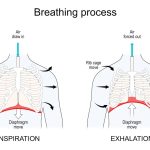
- Build basic skills: Learn fundamental breathing, posture, and pitch matching without spending a dime.
- Gain confidence: Sing alongside others, receive general feedback, and overcome stage fright.
- Network: Connect with fellow music enthusiasts and potentially find future collaborators or performance opportunities.
While the depth of instruction and personalized feedback in free settings might not match professional lessons, the value of a risk-free start is immeasurable. Think of it as your initial vocal playground.
Unearthing Free Singing Classes Near You
Finding free vocal instruction requires a bit of savvy and local exploration. It’s not always neatly packaged as a “class” but often hidden within community initiatives and online resources.
Local Community Hubs
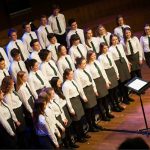
Start by looking offline, right in your own neighborhood. These local gems are often overlooked but can be a treasure trove of no-cost or very low-cost musical opportunities.
- Community Centers & Libraries: Many local government-funded community centers offer free or heavily subsidized adult education programs, which can include group singing, choir practices, or vocal workshops. Your local library might host “Music & Movement” classes, open mic nights, or community sing-alongs led by local musicians. For example, the “Sounds of Our Town” program at the Springfield Community Center regularly offers free evening choir practice for all ages.
- Churches, Temples, and Religious Organizations: Worship groups, gospel choirs, and contemporary worship bands are almost always looking for new voices. Joining these groups is typically free, and while the primary goal is worship, you’ll gain invaluable experience singing in a structured environment, learning harmonies, sight-reading (sometimes), and receiving guidance from experienced musical directors.
- Local Performing Arts Groups & Theaters: Community theaters often hold open auditions for musicals or plays. While not “classes,” participating in a production offers intensive vocal training through rehearsals, learning songs, and working with musical directors. Keep an eye on their announcements for free workshops or introductory sessions.
- Meetup Groups & Social Clubs: Platforms like Meetup.com host numerous groups centered around singing, karaoke, or community choirs. Many of these are free to join, relying on volunteer organizers and shared enthusiasm. Search for terms like “community choir,” “singing club,” or “vocal jam session” in your area.
Online Platforms: A World of Free Vocal Knowledge
The internet is a vast university for aspiring singers. While it lacks personalized, real-time feedback, it offers an incredible wealth of structured lessons and exercises.
- YouTube Tutorials: Hundreds of vocal coaches and educators offer free singing lessons, exercises, and tips on YouTube. Look for channels that break down concepts like breathing, pitch, resonance, and warm-ups.
- Example: Channels like ‘Vocal Coach Ken Tamplin’ or ‘Madeleine Harvey’ provide extensive, multi-part series that can act as a DIY curriculum.
- Free Online Courses (MOOCs): Platforms like Coursera, edX, or even university websites sometimes offer free audit options for introductory music or vocal performance courses. While you might not get a certificate, you gain access to lectures, readings, and practice exercises.
- Vocal Apps (Basic Tiers): Many singing apps offer a free basic version that includes warm-ups, pitch trackers, and simple exercises. While premium features are paid, the free elements can be useful for daily practice.
- Example: Apps like ‘Sing Sharp’ or ‘Vocal Pitch Monitor’ offer free tools to analyze your pitch and help with ear training.
- Blogs and Websites: Numerous vocal coaches and music schools maintain blogs with free articles, exercise sheets, and practice tips. These can supplement your learning and provide context to your practice.
The “Free Introductory Lesson” Tactic
Many professional singing instructors and music schools offer a free trial or consultation. This isn’t a “class” in the ongoing sense, but it’s a valuable free opportunity you shouldn’t ignore.
- What it offers: A chance to meet a potential teacher, discuss your goals, get an initial vocal assessment, and experience their teaching style. It’s usually 15-30 minutes and gives you a snapshot of what paid lessons would entail.
- Why it’s useful: Even if you can’t afford ongoing lessons immediately, this free trial provides professional feedback on your current vocal state and offers concrete advice on areas for improvement. You can take this advice and apply it to your self-study or free group activities.
- How to find them: When you’re searching for broader vocal instruction, many schools and private teachers will advertise a “free first lesson” or “complimentary consultation.” Don’t hesitate to take them up on it.
What to Expect from Free Opportunities
Setting realistic expectations is crucial when pursuing free singing resources. They are stepping stones, not usually a complete replacement for structured, personalized paid instruction.
- Group Focus: Most free in-person opportunities (like community choirs) are group-oriented. This means less individual attention and feedback. The instruction will cater to the lowest common denominator or the overall group sound.
- Basic Fundamentals: Expect to cover fundamental concepts: posture, breathing, basic warm-ups, and pitch matching. Advanced techniques, vocal styling, or addressing specific vocal issues (like strain or breaks) are rarely the focus.
- Inconsistent Quality: Unlike certified teachers, the quality of instruction in free settings can vary widely. A volunteer choir director might be passionate but lack formal vocal pedagogy training. Online resources, while plentiful, require you to discern credible sources.
- Self-Discipline is Key: Without a paid teacher holding you accountable, you’ll need significant self-discipline to consistently practice and apply what you learn from free resources.
Making the Most of Your Free Vocal Journey
You can absolutely make significant progress with free resources if you approach them strategically. Here’s a practical playbook:
- Be a Vocal Sponge: Attend every free workshop, choir rehearsal, and online lesson you can. The more exposure you get to different approaches and exercises, the better.
- Record Yourself Religiously: This is perhaps the single most important tool for self-improvement. Use your phone to record your practice sessions, vocal exercises, and even group rehearsals. Listen back critically.
- Self-assessment: Can you hear pitch issues? Are you running out of breath? Does your tone sound strained?
- Mimic and Emulate: When watching online tutorials or listening to skilled singers, try to imitate their vocal techniques. Pay attention to how they breathe, form vowels, and articulate words. Then record your attempt and compare.
- Seek General Feedback (and Be Open to It): In group settings, ask the director for general feedback on your contribution to the group sound. Online, you might find forums or communities where you can share short recordings for constructive criticism. Be resilient; not all feedback will be gentle.
- Focus on Foundational Health: Regardless of where you learn, prioritize vocal health. Drink plenty of water, avoid screaming, and always warm up your voice before singing. These practices cost nothing but are essential.
- Create a Consistent Practice Schedule: Even 15-20 minutes a few times a week is more effective than one long, sporadic session. Consistency builds muscle memory and strengthens your vocal cords gradually.
Case Snippet: Maria’s Community Choir Journey
Maria loved to sing but hesitated to pay for lessons. She found a free community choir through her local library. Initially, she felt shy, but the encouraging environment helped her open up. Over six months, she learned basic sight-reading, improved her breath control from watching the choir director, and discovered she could hold harmonies. She still couldn’t afford private lessons, but she used her phone to record the choir’s practices and identify her own pitch errors, working on them at home. The free choir didn’t make her a professional, but it transformed her from a shy shower singer into a confident performer in a supportive group.
When to Consider Investing in Paid Lessons
Free options are fantastic launchpads, but there comes a point where personalized, expert guidance becomes indispensable for serious progress. This is especially true if you hit a plateau, develop bad habits, or have specific vocal goals.
Think about making the leap when:
- You’ve maximized what free resources offer. You’ve consumed all the relevant YouTube tutorials, participated in community groups, and still feel stuck.
- You notice persistent vocal issues. Are you constantly hoarse? Do you feel strain or pain when you sing? A qualified teacher can diagnose and correct these issues before they become serious problems.
- You desire rapid and targeted improvement. If you have specific goals like expanding your range significantly, mastering complex techniques, or preparing for auditions, a personalized curriculum is essential.
- You need consistent, expert feedback. Free groups offer general advice, but a private teacher provides tailored exercises and real-time corrections crucial for refining your unique voice.
Remember, a professional vocal coach offers structured learning that addresses your individual needs, strengthening vocal cords, improving range and tone, correcting posture for optimal diaphragm expansion, teaching proper breathing techniques, improving diction, and enhancing pitch matching ability. If you’re ready to take that next step and delve deeper into personalized vocal instruction, you can Find Singing Classes Near You to explore professional options that align with your goals and budget.
Quick Answers: Common Questions About Free Singing Classes
Q: Can I really learn to sing well for free?
A: You can absolutely build a strong foundation, improve your basic technique, and gain confidence through free resources. However, achieving advanced proficiency, overcoming specific vocal challenges, or mastering complex styles usually requires the personalized feedback and structured curriculum of a professional vocal coach.
Q: What’s the main difference between a free class and a paid one?
A: The primary difference is personalization and depth. Paid lessons offer one-on-one attention, customized exercises for your unique voice, diagnosis of specific issues, and a progressive curriculum tailored to your goals. Free classes are typically group-based, offer general instruction, and lack the detailed feedback critical for advanced development.
Q: How long does it take to see results with free resources?
A: Progress varies greatly depending on your starting point, consistency of practice, and ability to self-correct. Many people notice improvements in pitch, breath control, and confidence within a few weeks to a few months of consistent engagement with free resources. Significant vocal transformation usually takes longer and benefits from expert guidance.
Q: Are online free classes as effective as in-person ones?
A: Online resources offer unparalleled access to information and exercises, which is excellent for self-study and understanding concepts. However, they lack the immediate, tactile feedback and corrections an in-person instructor can provide regarding posture, breath support, and vocal production. Combining online learning with any available in-person group activities (like a community choir) is often the most effective free strategy.
Q: Is it ever too late to start singing, even with free classes?
A: Absolutely not! While starting young offers more development time, it’s never too late to improve your singing voice. Adults can strengthen vocal cords, expand range, and refine technique at any age. Free classes offer a no-pressure, accessible entry point regardless of your age or prior experience.
Your Vocal Journey Starts Now
Finding free singing classes near you is a powerful first step towards realizing your vocal potential. It’s an opportunity to experiment, learn the fundamentals, and connect with a supportive community without any financial burden. While it demands self-discipline and an active pursuit of knowledge, the rewards—increased confidence, improved technique, and the joy of singing—are well worth the effort.
Start by surveying your local community centers, libraries, and religious organizations. Dive into the wealth of online tutorials and free apps. Take advantage of every “free introductory lesson” offered by local studios to gather expert insights. Approach these opportunities with curiosity and dedication, and you’ll be amazed at how far your voice can take you, even on a budget. The journey to elevate your voice is an ongoing one, and you can begin it today.

- Cheryl Porter Vocal Warm Ups Build Singer Stamina and Flexibility - April 14, 2026
- A Vocal Routine for Stronger Healthier Everyday Speaking - April 13, 2026
- Daily Voice Workout To Improve Your Vocal Quality And Stamina - April 12, 2026