For the bigger picture and full context, make sure you read our main guide on Explore Singing Classes Near Me and Elevate Your Voice.
Finding the right singing lessons can feel like searching for a specific harmony in a world full of noise. You know you want to improve your voice, but figuring out where to get singing lessons that truly align with your goals, budget, and learning style is a unique challenge. It’s more than just finding a teacher; it’s about discovering a mentor who understands your vocal journey and can guide you effectively.
At a Glance: Finding Your Best Singing Fit
- Cost Clarity: Expect $50-$90/hour for private lessons; group options are cheaper. Packages offer savings.
- Beyond Talent: Lessons strengthen your cords, improve range, and refine tone – you don’t need a “good” voice to start.
- Adult Learners Welcome: It’s genuinely never too late to begin or elevate your singing voice.
- Smart Search: Leverage reviews (Google, Lessons.com), local recommendations, and multiple estimates.
- Interview Your Coach: Ask pointed questions about their experience, methods, and student progress.
- Trial & Error: Short trial lessons or meetings are crucial for finding the right teacher chemistry.
Why Your Voice Deserves Professional Guidance
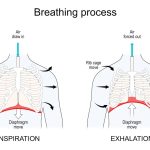
Many people assume a great voice is purely a gift, but even the most naturally talented singers benefit immensely from professional coaching. Singing lessons aren’t about changing your voice’s fundamental character; they’re about maximizing its potential. A skilled vocal coach teaches you the mechanics – proper posture for diaphragm expansion, breathing techniques for sustained notes and improved tone, clear diction, and the precision to match specific pitches.
This structured approach translates into a stronger, more controlled, and more expressive voice. It’s an investment in technique that pays dividends in confidence and performance, whether you dream of the stage or simply singing along better in the car.
Navigating Your Options: Where to Look for Lessons
When you decide it’s time to find a vocal coach, you’ll encounter a few primary avenues. Each has its pros and cons, often dictating factors like cost, convenience, and teaching style.
Local Music Schools and Studios
These are often the first place people consider. Dedicated music institutions typically employ multiple teachers, offering a range of styles and specialties.
- Pros: Structured curriculum, dedicated practice spaces, potential for group performance opportunities, and a vetted roster of teachers. You might find a wider array of specialized coaches here (e.g., classical, jazz, musical theater).
- Cons: Can be less flexible on scheduling, and tuition might be set at a specific rate with less room for negotiation. Travel time can also be a factor.
- Case Snippet: Sarah, a beginner looking to join a community choir, found a local music academy that offered a “Vocal Basics for Adults” group class. This allowed her to learn fundamental techniques in a supportive environment, sharing the cost and experience with others before committing to private lessons.
Private Home Studios or Independent Teachers
Many vocal coaches operate independently, often teaching from a dedicated space in their home or renting a small studio.
- Pros: Often more flexible scheduling, potentially more personalized attention, and a direct relationship with your teacher. You might find a broader range of pricing here.
- Cons: Less institutional oversight means you’ll need to do more due diligence on credentials and reputation. Quality can vary widely.
- Case Snippet: Mark, a busy professional, needed lessons that could fit around his unpredictable work schedule. He found an independent coach online who offered evening and weekend slots from her home studio, even sometimes accommodating last-minute reschedules.
Online Vocal Coaching Platforms
The digital age has brought singing lessons right into your living room. Online platforms connect students with teachers globally via video calls.
- Pros: Unmatched convenience (no travel!), access to a wider pool of specialized teachers regardless of location, and often flexible scheduling. This can be a game-changer for those in remote areas or with tight schedules.
- Cons: Requires reliable internet and suitable tech. The in-person feedback loop (e.g., physically adjusting posture) is different. Rapport building can sometimes take longer online.
- Practical Tip: Even if you prefer in-person, a few online lessons can bridge gaps if your regular teacher is unavailable or you’re traveling.
Community Centers and Adult Education Programs
For those looking for a lower-cost entry point or a group experience, local community centers or adult education programs can be excellent.
- Pros: Very affordable, social, and a low-pressure way to try singing lessons. Great for building basic confidence and technique.
- Cons: Often group-focused, meaning less individual attention. The quality and experience of teachers can vary, and specialized training might be limited.
The Cost Equation: What to Expect and How to Budget
Understanding the financial commitment is a vital step in deciding where to get singing lessons. The ground truth suggests that singing lessons typically cost $50 to $90 per hour. This range isn’t arbitrary; it reflects several key factors:
- Teacher’s Location: Coaches in major metropolitan areas often charge more due to higher living and operating costs.
- Experience & Reputation: Highly sought-after teachers with extensive performing or teaching careers command higher rates.
- Private vs. Group Lessons: Private lessons offer one-on-one attention and are therefore more expensive per person. Group lessons are generally cheaper per individual, as the cost is distributed.
- Lesson Duration: Lessons are commonly offered in 30, 45, or 60-minute increments. Shorter lessons are cheaper but offer less depth.
Saving Smart: Package Deals and Increments
Many teachers and institutions offer package deals, allowing you to purchase 2 to 10+ lessons upfront. This often reduces the per-lesson cost, making it a smart way to commit and save. For instance, a teacher might charge $70 for a single hour, but offer a 5-lesson package for $300 ($60/hour).
Consider your budget and commitment level. Starting with a single lesson or a small package can be a low-risk way to test the waters with a new teacher.
Crafting Your Search Strategy: Finding the Right Matches
Beyond knowing where to look, you need a strategy for how to find the best possible fit. This involves more than just a quick Google search.
1. Leverage Online Review Platforms
Platforms like Lessons.com and general review sites like Google are invaluable. Look for consistent positive feedback regarding a teacher’s:
- Effectiveness: Do students report actual improvement?
- Teaching Style: Is the teacher patient, encouraging, and clear?
- Professionalism: Are they punctual, organized, and communicative?
- Specialty: Do they have experience in your preferred genre (e.g., pop, classical, rock, musical theater)?
2. Seek Local Recommendations
Word-of-mouth is still incredibly powerful.
- Music Stores: Staff at local music stores often know reputable teachers in the area.
- Community Theaters/Choirs: If you’re involved in local performance groups, ask fellow singers for their recommendations.
- Friends & Family: You might be surprised who among your acquaintances has taken lessons.
3. Get Multiple Estimates and Inquire Deeply
Don’t settle for the first option. Reach out to at least three credentialed teachers. When you contact them, be prepared to ask specific questions:
- Their Background: “How long have you been teaching singing?”
- Their Approach: “What specific methods or techniques do you use?”
- Student Progress: “Can you share any success stories or how you track student improvement?”
- Logistics: “What is your teaching schedule?”, “How long are your singing lessons?”, “Do you offer package deals?”, “Do you offer private or group lessons?”, “Where do you teach?”, “Do you offer online lessons using video calling?”
- Your Readiness: “Do I need a good voice already to become a better singer?” (The answer should be a resounding ‘no’ – improvement is the goal!)
4. The Power of a Trial Meeting or Lesson
This is perhaps the most crucial step. Many teachers offer a discounted first lesson or a free consultation. Use this opportunity to gauge:
- Personality Fit: Do you feel comfortable and understood? Learning to sing is deeply personal.
- Communication Style: Does the teacher explain concepts clearly?
- Lesson Flow: Does the lesson feel productive and engaging?
- Remember: You’re interviewing them as much as they are assessing your voice. A good connection is paramount for long-term progress.
The Adult Learner: It’s Never Too Late
A common misconception is that singing lessons are only for children or young adults. This couldn’t be further from the truth. Adults can absolutely take singing lessons; it’s never too late to begin learning and improve your singing voice. Your vocal cords are muscles, and like any muscle, they can be trained and strengthened at any age. Many adults find immense joy and confidence in discovering their singing voice later in life. The patience, discipline, and life experience adults bring to lessons can often accelerate their progress.
What Makes a Great Vocal Coach?
Beyond credentials, a truly effective vocal coach possesses certain qualities and employs specific methods that foster real improvement.
Essential Qualities:
- Patience and Encouragement: Learning takes time. A good coach celebrates small victories and provides constructive, not discouraging, feedback.
- Clear Communication: They can explain complex vocal concepts in simple, understandable terms.
- Empathy and Adaptability: They listen to your goals, understand your current vocal state, and adapt their teaching methods to your individual needs and learning style.
- Strong Ear: They can quickly identify vocal issues and suggest targeted exercises.
- Passion for Teaching: Their enthusiasm for singing and teaching is infectious.
Effective Methods:
- Focus on Fundamentals: Prioritizing breath support, posture, and vocal health.
- Targeted Exercises: Providing specific warm-ups and exercises to address your unique vocal challenges (e.g., extending range, improving tone, diction).
- Repertoire Guidance: Helping you choose songs that are appropriate for your current level and goals, gradually increasing complexity.
- Performance Preparation: Offering guidance on stage presence, microphone technique, and overcoming performance anxiety.
Your Practical Playbook: Choosing Your Singing Coach
Here’s a streamlined approach to help you decide where to get singing lessons and who to learn from:
- Define Your Goals: What do you want to achieve? (e.g., sing in tune, expand range, perform confidently, join a choir, record a demo).
- Set Your Budget: Determine your maximum per-lesson and package spending. Remember the $50-$90/hour baseline.
- Research Locally & Online:
- Search “singing lessons [your city/region]” or “online vocal coach.”
- Check platforms like Lessons.com and Google reviews.
- Ask for recommendations from local music communities.
- For a broader view of what’s out there, you might start by exploring singing classes near me to see the general landscape.
- Shortlist 3-5 Teachers: Focus on those with good reviews, relevant experience (genre, age group), and a teaching philosophy that resonates.
- Initiate Contact & Inquire: Send personalized messages. Ask the key questions: experience, methods, success stories, schedules, and pricing (single lessons vs. packages).
- Schedule Trial Meetings/Lessons: This is non-negotiable. Use this time to assess personality, teaching style, and how they analyze your voice.
- Evaluate & Decide:
- Teacher A: Great technique, but personality clash.
- Teacher B: Good personality, but not clear on specific methods.
- Teacher C: Excellent communication, tailored approach, and positive vibe.
- Decision: Choose Teacher C.
- Commit and Communicate: Once you’ve chosen, commit to a package or regular schedule. Maintain open communication with your coach about your progress and any challenges.
Quick Answers to Common Singing Lesson Questions
How long does it typically take to see improvement?
Most students notice improvements in vocal control, breath support, and pitch accuracy within a few weeks to a couple of months of consistent lessons and practice. Significant advancements in range and tone develop over several months to a year or more.
How often should I practice?
Your teacher will give specific guidance, but a general rule is 15-30 minutes daily, rather than one long session per week. Consistency is key for muscle memory and vocal stamina.
Will singing lessons completely change my natural sound?
No, lessons won’t change your natural vocal timbre or unique qualities. Instead, they enhance your natural sound by strengthening vocal cords, improving resonance, and refining your technique, allowing your true voice to shine through with more control and beauty.
What if I think I have a “bad” voice?
This is a common concern, but a good vocal coach doesn’t judge. Their job is to meet you where you are and help you improve. Often, what people perceive as a “bad” voice is simply a lack of proper technique, breath support, or confidence, all of which can be taught and refined.
Stepping Into Your Voice
Taking singing lessons is a deeply personal and rewarding journey. It’s about more than just hitting notes; it’s about self-discovery, building confidence, and finding joy in expression. By systematically researching your options for where to get singing lessons, asking the right questions, and prioritizing a good teacher-student fit, you’re not just finding a coach – you’re unlocking the potential of your own unique voice. Start today, and let your voice soar.

- Voice Training Exercises to Unlock Your Best Voice for Daily Use - April 15, 2026
- Cheryl Porter Vocal Warm Ups Build Singer Stamina and Flexibility - April 14, 2026
- A Vocal Routine for Stronger Healthier Everyday Speaking - April 13, 2026