So, you’ve got that itch – a melody in your head, a tune on your lips, and a genuine desire to actually sing it well. Maybe you hum in the shower, or perhaps you dream of stepping onto a stage, but a common question often stops budding vocalists in their tracks: where to learn singing effectively and confidently? It’s more than just finding a teacher; it’s about aligning your goals with the right learning environment and approach.
This isn’t about born talent versus learned skill; it’s about unlocking your voice. Whether you’re a complete beginner who’s never sung outside of karaoke or an experienced vocalist looking to refine specific techniques, the path to vocal improvement is accessible. The key lies in understanding the diverse landscape of learning opportunities and knowing how to choose the one that best fits your unique aspirations and lifestyle.
Your Vocal Journey, At a Glance
- Diverse Avenues: Explore private lessons for personalized growth, group classes for community and cost-effectiveness, and online options for flexibility.
- Goal-Driven Choice: Your singing aspirations (hobby, performance, self-improvement) should dictate your learning path.
- Vetting is Key: Don’t just pick the first teacher; ask critical questions, check credentials, and consider trial lessons.
- Understand Investment: Lessons range from $50-$90/hour on average; group and package deals can make it more accessible.
- Practice Makes Progress: Consistent, focused practice outside of lessons is crucial for significant vocal improvement.
- Never Too Late: Adults can absolutely learn to sing and improve their voice, regardless of prior experience.
Defining Your Starting Line: What Kind of Singer Do You Want To Be?
Before you even start searching for “singing lessons near me,” take a moment for an honest self-assessment. What drives this desire to sing? Do you simply want to hit those notes in your favorite pop songs more accurately, or are you aiming for a powerful operatic voice? Your goals will profoundly shape where to learn singing and what kind of instruction will be most beneficial.
Consider a few scenarios:
- The Shower Singer: Your primary goal is personal enjoyment and confidence. You want to understand basic pitch, rhythm, and perhaps expand your range a bit. A less intensive, perhaps group-based or online casual approach, might suit you initially.
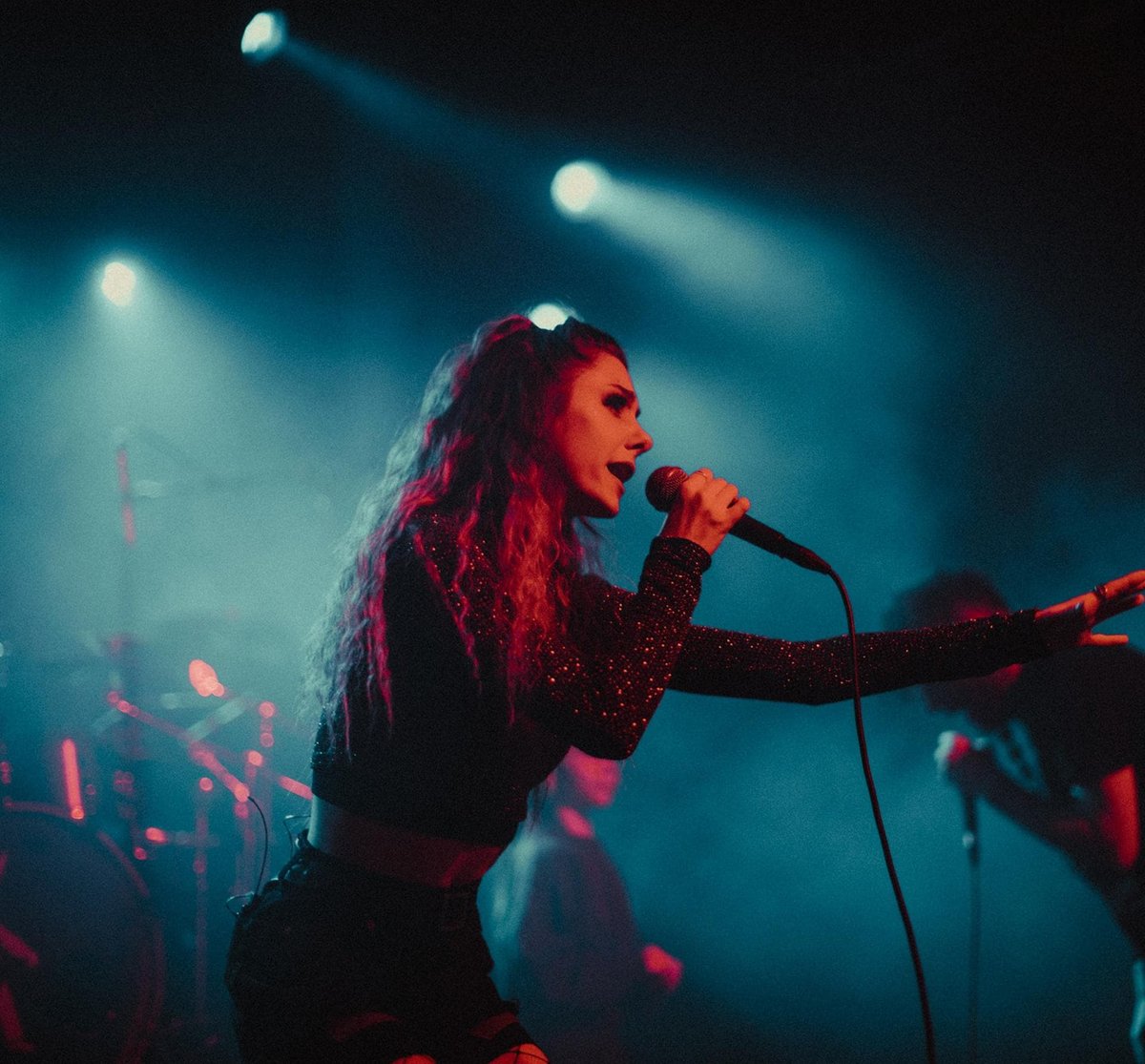
- The Aspiring Performer: You dream of open mics, local bands, or even professional gigs. You’ll need rigorous technical training, performance coaching, and possibly genre-specific expertise. Private, dedicated lessons are likely your best bet.
- The Vocal Therapist: You might be recovering from vocal strain or simply want to use your voice more healthily for speaking and singing. Here, a teacher with specific knowledge of vocal health and technique is paramount.
Understanding your “why” clarifies your “where” and “how much.” It’s like deciding if you need a casual jog around the block or training for a marathon; the preparation and resources will differ significantly.
Navigating the Landscape: Where to Learn Singing (The Main Avenues)
The world of vocal instruction offers several distinct paths, each with its own advantages and considerations.
Private Lessons: The Personalized Path
This is often considered the gold standard for serious vocal development. In a private setting, you receive undivided attention from your instructor. They can tailor every exercise, song choice, and piece of feedback directly to your unique vocal anatomy, strengths, and challenges.
- Pros: Highly personalized curriculum, immediate and specific feedback, faster progress for many, deeper dive into technique, genre-specific specialization.
- Cons: Generally the most expensive option (expect to pay $50 to $90 per hour on average), can feel isolating for some, scheduling can be rigid.
- Best for: Students with specific goals, those who benefit from one-on-one attention, aspiring performers, or anyone wanting accelerated, tailored progress.
Case Snippet: Sarah, a 30-year-old marketing manager, wanted to finally tackle jazz standards. She found a private teacher specializing in jazz vocals who immediately identified her breathing issues and tailored exercises to strengthen her diaphragm specifically for the nuanced demands of scatting and improvisation. Her progress was rapid because every minute was focused on her unique needs.
Group Classes: Community & Cost-Effectiveness
Group lessons provide a different dynamic. While feedback is less individualized, you benefit from a shared learning experience, often with a more accessible price point. You might learn basic techniques, harmonies, and performance skills in a supportive environment.
- Pros: Less expensive per person, fosters a sense of community, exposure to different vocal ranges and styles, great for overcoming stage fright in a low-pressure setting, convenient for foundational learning.
- Cons: Less personalized feedback, pace might not suit everyone, limited time for individual attention, usually focuses on broader concepts rather than specific issues.
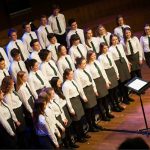
- Best for: Beginners testing the waters, those on a tighter budget, people who enjoy learning in a social environment, or those looking to improve choir singing.
Online Instruction: Global Reach, Local Comfort
The rise of technology has made online singing lessons a powerful option. You can connect with top vocal coaches from anywhere in the world, often from the comfort of your own home. This opens up opportunities that might not exist in your immediate geographical area.
- Pros: Unparalleled flexibility (schedule and location), access to a wider pool of specialized teachers, often competitive pricing, eliminates commute time.
- Cons: Requires reliable internet and good audio/video equipment, subtle physical adjustments can be harder for a teacher to spot remotely, can feel less personal than in-person.
- Best for: Students in rural areas, those with busy or irregular schedules, anyone seeking highly specialized coaching not available locally, or tech-savvy learners.
Scenario Insight: Mark lives in a small town with limited local music teachers. He’s passionate about musical theater. Through online lessons, he was able to connect with a Broadway vocal coach who specialized in belting techniques, something no local teacher could offer. The convenience of weekly video calls allowed him to pursue his specific interest without relocating.
Self-Study: A Complement, Not a Replacement
While you can learn some basic theory or vocal exercises from apps, YouTube tutorials, and books, self-study alone is rarely sufficient for significant, sustainable vocal improvement. Without the objective ear and guidance of an experienced teacher, you risk developing bad habits that are difficult to correct later.
- Pros: Free or low cost, learn at your own pace, great for supplementing formal lessons, expands knowledge of music theory or vocal health.
- Cons: No personalized feedback, high risk of developing incorrect technique, lacks structure and accountability, difficult to diagnose and fix issues without external input.
- Best for: Supplementing formal instruction, exploring music theory, or practicing techniques learned from a teacher.
Finding Your Perfect Match: How to Vett a Singing Teacher or Program
Once you’ve narrowed down your preferred learning avenue, the next crucial step is finding the right teacher. This is a highly personal decision, and a good fit can make all the difference. Don’t rush this process.
Checking Credentials and Reputation
Start by researching potential instructors. Look beyond flashy websites.
- Read Reviews: Platforms like Google Reviews, Facebook, and niche sites (like Lessons.com mentioned in our research) are invaluable. Look for consistent themes in positive feedback – are students praising their improvement, the teacher’s patience, or their specific methodology?
- Ask for Recommendations: Tap into your local music community. Choir directors, local musicians, or even music store employees often have insights into reputable teachers in the area. A personal referral carries significant weight.
- Check Backgrounds: Inquire about their training (conservatory, university, specific vocal methods like Estill, Speech Level Singing), performance experience, and years of teaching. A great performer isn’t always a great teacher, but relevant experience is a plus.
The Art of the Interview: Questions to Ask
When you contact potential teachers, treat it like an interview – because it is! You’re interviewing them to be your guide.
- “What is your teaching philosophy and method?” Do they focus on classical technique, contemporary styles, vocal health, or a blend? Ensure their approach aligns with your goals.
- “What kind of progress can I expect, and over what timeframe?” While individual results vary, a good teacher can give realistic expectations. Our research shows that singing lessons can improve your sound by strengthening vocal cords, enhancing range and tone, and teaching proper posture and breathing.
- “Do you offer trial lessons or consultations?” This is incredibly important for assessing fit.
- “What are your rates, and do you offer package deals?” As noted, package deals for 2 to 10+ lessons can often reduce the per-lesson cost compared to single hourly sessions.
- “How do you measure student progress?” Do they use recordings, regular assessments, or performance opportunities?
- “What’s your cancellation policy?” Good to know upfront.
- “Do I need a ‘good voice’ to start?” A clear sign of a good teacher is one who emphasizes that anyone can learn and improve, regardless of their starting point. It’s never too late to begin learning and improve one’s singing voice.
Trial Lessons: Your Audition for Them
Many teachers offer a discounted or free initial consultation or trial lesson. Take advantage of this. It’s your chance to experience their teaching style firsthand. During a trial, pay attention to:
- Rapport: Do you feel comfortable and understood? A good teacher-student relationship is paramount.
- Clarity: Is their instruction easy to understand and apply?
- Engagement: Are they attentive and genuinely interested in your voice?
- Feedback: Is their feedback constructive, clear, and actionable?
Consider scheduling trial meetings or lessons with several teachers. Getting at least three estimates from teachers with similar credentials will give you a solid baseline for comparison.
To explore a wider range of options and dive deeper into what different types of instruction entail, you might find it helpful to look at general resources like our comprehensive guide on Singing Classes to Elevate. This can give you a broader framework for understanding the landscape of vocal education.
The Investment: Understanding Singing Lesson Costs and Value
Cost is, understandably, a significant factor when deciding where to learn singing. It’s important to see it not as an expense, but as an investment in a skill that brings immense personal satisfaction and potential opportunity.
Breaking Down the Hourly Rate
As a general guideline, singing lessons cost $50 to $90 per hour on average. This range isn’t arbitrary; it reflects several factors:
- Location: Teachers in major metropolitan areas typically charge more due to higher living costs and demand.
- Experience & Reputation: Highly sought-after teachers with extensive experience, significant credentials, or a track record of successful students (e.g., those who’ve gone on to professional careers) will command higher rates.
- Lesson Duration: Teachers may charge flat rates for 30, 45, or 60-minute increments. A shorter lesson might be suitable for beginners or children, while more advanced students often benefit from full hour sessions.
- Private vs. Group: Group lessons are generally less expensive per person, often ranging from $20-$40 per session, because the teacher’s time is divided among multiple students.
Example: A 30-minute private lesson might be $40-$50, while a 60-minute lesson could be $70-$90. A group class with 5 students could cost $25 per student for an hour.
The Benefits of Bundles and Packages
Many instructors offer package deals for multiple lessons (e.g., 4, 8, or 12 lessons). This is a smart way to reduce the per-lesson cost and commit to consistent progress.
- Reduced Cost: A package of 4 lessons might offer a 10-15% discount compared to booking single lessons.
- Commitment & Consistency: Pre-paying for lessons encourages regular attendance and helps build momentum in your learning.
- Teacher Planning: It allows teachers to plan a longer-term curriculum for you, knowing you’re committed.
Always inquire about package deals during your initial conversation.
Balancing Budget and Quality
While it’s tempting to opt for the cheapest option, remember the adage: “you get what you pay for.” A slightly higher investment in a truly experienced and compatible teacher can yield significantly better and faster results, ultimately being more cost-effective in the long run than spending years with an ineffective instructor.
- Consider your budget realistically. If private lessons are out of reach, start with group classes or a highly-rated online instructor known for affordability.
- Prioritize value. A teacher who helps you achieve your goals quickly and effectively is more valuable than one who charges less but leads to frustration or slow progress.
Beyond the Studio: Making the Most of Your Vocal Training
Singing lessons are just one piece of the puzzle. What you do between lessons is equally, if not more, important for long-term vocal improvement.
The Power of Consistent Practice
Your teacher will assign exercises and songs. Practice them! Regular, focused practice (even 15-20 minutes daily) is far more effective than one long session right before your next lesson.
- Warm-ups: Start every practice session with gentle vocal warm-ups, just like your teacher instructs.
- Targeted Exercises: Focus on the specific techniques your teacher highlighted – breathing, posture, diction, pitch matching.
- Recording Yourself: Use your phone to record your practice. It’s an invaluable tool for objective self-assessment and noticing areas for improvement you might miss in the moment.
- Listen Actively: Pay attention to how professional singers achieve their sound. What can you emulate? What techniques are they using?
Nurturing Your Vocal Health
Your voice is a delicate instrument. Taking care of it outside of lessons is paramount.
- Hydration: Drink plenty of water throughout the day.
- Rest: Ensure you get adequate sleep.
- Avoid Strain: Don’t yell, scream, or sing at the top of your lungs for extended periods without proper technique.
- Diet: Limit caffeine and alcohol, which can dehydrate your vocal cords.
- Warm Down: Just as important as warming up, gently bring your voice back to a resting state after singing.
Embrace the Journey, Not Just the Destination
Learning to sing is a journey of continuous improvement. There will be good days and challenging days. Celebrate small victories, be patient with yourself, and maintain a curious, open mindset. The joy of singing comes not just from hitting the perfect note, but from the process of discovery and growth.
Common Questions About Learning to Sing
Let’s tackle some frequently asked questions that often surface when people consider where to learn singing.
Is it ever too late to learn singing?
Absolutely not. It’s a common misconception that singing is only for children or young adults. Adults can take singing lessons and significantly improve their voice, regardless of age or prior experience. Vocal cords are muscles, and like any muscle, they can be trained and strengthened at any age. Many adults find immense joy and success starting their vocal journey later in life.
How long does it take to see improvement?
You can often notice small improvements in your vocal control, pitch accuracy, and confidence within just a few weeks of consistent lessons and practice. Significant improvements in range, tone, and technique typically take several months to a year of dedicated work. It’s an ongoing process, but noticeable progress happens fairly quickly if you’re consistent.
Do I need a “good voice” to start?
No. You don’t need to be naturally gifted or have an already “good voice” to begin singing lessons. A good teacher works with the voice you have, helping you develop its potential. Everyone has a voice, and everyone can learn to use it more effectively, beautifully, and healthily. Starting with a blank slate can sometimes even be an advantage, as you haven’t developed deeply ingrained bad habits.
What exactly do singing lessons teach?
Singing lessons are comprehensive. They teach proper posture for optimal diaphragm expansion, breathing techniques for tone improvement and stamina, diction for clear word articulation, and the ability to match specific pitches. Beyond technique, they also strengthen vocal cords, enhance vocal range, and improve overall tone quality, leading to a much more controlled and pleasant sound.
Your First Steps Towards a Stronger Voice: A Quick-Start Guide
Ready to take the plunge and find where to learn singing? Here’s your actionable roadmap:
- Define Your “Why”: What are your singing goals? (e.g., hobby, performance, vocal health). This will guide your search.
- Research Avenues: Decide if private, group, or online lessons best suit your budget, schedule, and learning style.
- Scout Potential Teachers: Use online reviews (Google, Lessons.com), local music community recommendations, and direct inquiries. Look for 3-5 promising candidates.
- Interview and Inquire: Ask about their methods, experience, student success, and pricing structures, including package deals.
- Schedule Trial Lessons: Experience their teaching style firsthand. Pay attention to rapport and clarity.
- Make Your Choice: Select the teacher or program that aligns best with your goals, budget, and personality.
- Commit to Practice: Once you start, dedicate consistent time each week to practicing your exercises and songs. Record yourself often!
- Be Patient & Enjoy: Vocal improvement is a journey. Embrace the process, celebrate your progress, and most importantly, enjoy the beautiful act of singing.
Your journey to a stronger, more confident singing voice starts with these deliberate steps. With the right guidance and consistent effort, the voice you’ve always dreamed of is well within reach.

- Voice Practice Strengthens Your Voice for Clearer Speaking and Singing - April 18, 2026
- Cheryl Porter Vocal Exercises Offer High-Impact Workouts For Singers - April 17, 2026
- Cheryl Porter Warm Ups Make Vocal Training Fun and Portable - April 16, 2026