When you hear a singer effortlessly hold a long note, hit a powerful climax, or deliver rapid-fire lyrics with crystal clarity, you’re not just hearing a great voice—you’re hearing masterful control of breath. Without effective breathing techniques while singing, even the most gifted voice can falter, running out of steam, struggling with pitch, or sounding strained. Mastering your breath isn’t just about taking a deep inhale; it’s about harnessing a fundamental power source that underpins every aspect of your vocal performance, from tone and stamina to control and resonance.
At a Glance: Key Takeaways for Vocal Breathing
- Diaphragmatic breathing is non-negotiable: It’s the core of vocal support and prevents throat strain.
- Controlled exhalation builds stamina: Practice steady airflow to sustain longer phrases and notes.
- Posture is paramount: A relaxed, aligned body maximizes lung capacity and diaphragm function.
- Quick, silent breaths are essential: Learn to inhale efficiently between phrases without gasping.
- Less air, more control for high notes: Avoid pushing; focus on diaphragm engagement and open throat.
- Consistency is key: A short daily routine significantly improves vocal control and endurance.
Your Vocal Engine: Why Breath is Everything
Think of your voice as an instrument, and your breath as the fuel. Without the right fuel, or if the delivery system is faulty, the instrument can’t perform its best. Many aspiring singers rely on shallow chest breathing, using only a fraction of their lung capacity. This leads to common vocal issues like shaky notes, premature fatigue, and a constant feeling of “running out of air.”
In contrast, skilled singers consciously engage up to 50% of their lung capacity, managing the airflow with precision. This isn’t just about volume; it’s about creating a stable, resonant sound, achieving greater pitch accuracy, and protecting your vocal cords from unnecessary strain. It allows you to sing with power and emotion, not just sound.
Mastering the Core Breathing Techniques for Singing
True vocal breathing is a coordinated effort, not just one isolated action. It involves several integrated techniques that work together to create a robust and sustainable vocal foundation.
Diaphragmatic Breathing: Your Vocal Powerhouse
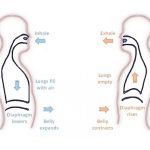
This is arguably the most critical technique for singers. Instead of raising your chest and shoulders, you want to engage your diaphragm—a dome-shaped muscle beneath your lungs.
How to Practice:
- Lie on your back or sit upright with one hand on your chest and the other on your belly.
- Inhale slowly and silently through your nose, allowing your belly to expand outwards. Your chest and shoulders should remain relatively still.
- Imagine filling a balloon in your lower abdomen.
- Exhale slowly and steadily, feeling your belly gently contract inwards. Keep your chest relaxed.
- Focus on the sensation of your belly moving, not your chest or shoulders.
The Benefit: Strengthening your diaphragm supports a fuller, more resonant sound, stabilizes your tone, and provides a deep reservoir of air, preventing vocal strain that often comes from pushing air from your throat.
Rib Expansion: The Side-Support System
Complementing diaphragmatic breathing, rib expansion, or intercostal breathing, adds another layer of support and capacity. It allows your lungs to expand sideways and backward, not just forward.
How to Practice:
- Stand tall, placing your hands on your lower ribs, fingers meeting in the front.
- Inhale deeply through your nose and mouth, feeling your ribs expand outwards, pushing your hands apart.
- Try to maintain this feeling of expansion as you exhale, allowing the ribs to slowly return without completely collapsing your chest.
- Keep your shoulders down and relaxed throughout.
The Benefit: This technique provides consistent, broad breath support, crucial for sustaining long phrases and managing challenging vocal passages. It also prevents tension from building in your chest and shoulders.
Silent Inhalation: The Art of the Quick, Quiet Breath
In many songs, you don’t have time for a slow, deliberate breath. You need to grab air quickly and quietly.
How to Practice:
- Practice a quick, silent “sip” of air, imagining the air falling immediately into your diaphragm.
- Keep your jaw loose and open just enough for air to enter without a gasp or a loud “whoosh” sound.
- Your body should quickly expand (belly and ribs) and be ready to support the sound without noticeable effort.
The Benefit: This technique is vital for maintaining the flow of a song, especially during fast lyrical passages or between short phrases, preventing awkward gasps and improving overall musicality.
Controlled Exhalation: Building Vocal Stamina
It’s not just about how much air you take in, but how steadily you let it out. This is where breath control truly shines.
How to Practice:
- Take a full diaphragmatic and rib-expanded breath.
- Exhale slowly and consistently through a narrow opening in your lips, making a steady “Sssss” sound.
- Aim to sustain the “Sssss” for 10-30 seconds, maintaining an even volume and pressure without your tone wavering.
- Feel your core muscles gently engaging as you push the air out.
The Benefit: This exercise strengthens your core breath support muscles, significantly improves pitch stability, and builds the stamina needed for longer vocal phrases and sustained notes.
Breath Support: The Core of Effortless Power
Breath support isn’t a technique in itself; it’s the coordinated application of diaphragmatic and core muscle engagement to control air pressure. It’s the difference between pushing from your throat and supporting from your core.
Signs of Good Support:
- A firm, engaged belly and lower back during singing.
- A steady, strong, and consistent vocal tone.
- Easier execution of high notes without straining.
- Your chest remains comfortably lifted, not collapsed.
The Benefit: Good breath support allows you to sing powerfully without tension, sustain notes for extended periods, and achieve smooth transitions across your vocal range.
Navigating Tricky Vocal Scenarios
Specific vocal challenges demand tailored breathing approaches.
Quick Breaths for Fast Passages
When the tempo picks up, your breathing must adapt. For fast-paced songs, you need to inhale instantly and silently.
Scenario: During a rapid-fire bridge in a pop song.
Action: Quickly drop your jaw, allow your ribs to expand reflexively, take a silent “sip” of air, and immediately re-engage your core support. This prevents breaks in the vocal line and maintains energy.
Sustaining High Notes with Control
Many singers mistakenly believe high notes require a huge push of air. In reality, they demand less air but far greater control.
Scenario: Reaching the climax of a power ballad.
Action: Maintain your rib expansion, use a slower, more focused airflow, keep your throat open and relaxed, and engage your diaphragm deeply to prevent pushing or shouting. The sensation should be one of “lifting” the note rather than “pushing” it out.
Strategic Phrasing: Breathing with the Music
Effective phrasing means more than just singing the words; it’s about interpreting the music and communicating emotion. Breathing plays a critical role.
Scenario: Singing a multi-line verse with specific emotional beats.
Action:
- Mark your breaths: Go through your lyrics and identify natural pauses where a breath would make sense musically and lyrically.
- Avoid mid-word breaths: Don’t break a word unless it’s an intentional stylistic choice.
- Use musical pauses: Leverage rests or sustained notes in the accompaniment to sneak in a quick, silent breath.
- Prioritize musical flow: Sometimes, it’s better to take a slightly less full breath to maintain the musical line than to take a huge, noisy breath that disrupts the performance.
Beyond Breath: Essential Practices for Vocal Health
While breathing is foundational, it operates within the context of your entire physical instrument.
The Unseen Support: Perfecting Your Posture
Your posture directly impacts your ability to breathe deeply and support your voice effectively.
How to achieve optimal posture:
- Stand tall and relaxed: Feet shoulder-width apart, weight slightly forward, not locked in your knees.
- Shoulders back and down: Avoid hunching, which restricts your chest cavity.
- Flexible joints: Keep knees, hips, and neck loose, not rigid.
- Chin parallel to the ground: Avoid tilting up or down, which can strain your neck and throat.
- Elevated chest: Maintain a comfortable, open chest position without tension.
The Benefit: Optimal posture maximizes the space for your lungs to expand, allows your diaphragm to move freely, and facilitates comfortable, deep breathing, leading to longer notes and reduced strain.
Preparing Your Instrument: Daily Vocal Warm-ups
Breathing techniques are only part of the preparation. Your vocal cords also need to be ready to vibrate.
Why warm up:
- Improve elasticity: Prepares cords for vibration, like stretching before exercise.
- Remove excess mucous: Clears the path for clear tone.
- Limit injury risk: Prevents damage from sudden, intense use.
Warm-up tips: Start gently with humming, lip trills, or gentle siren sounds. Gradually move to exercises that mimic the specific challenges of your songs, focusing on breath control, articulation, or range. Even a dedicated 20 minutes a day can yield significant benefits.
Your Daily 5-Minute Breathing Tune-Up
Consistency is paramount. Integrating a short breathing routine into your daily practice can rapidly improve your vocal stamina and control. These breathing techniques are foundational. For a more comprehensive approach to how vocal breathing exercises can truly transform your entire vocal output, you can explore how to Improve your voice with breathing exercises.
Here’s a quick five-minute routine to get started:
- 1 minute – Diaphragmatic Breathing: Focus purely on belly expansion on inhale, gentle contraction on exhale.
- 1 minute – Rib Expansion: Feel your lower ribs expand outwards and gently return.
- 1 minute – Long “S” Exhale (Hissing Exercise): Take a full breath, then release a steady “Sssss” for as long as possible with even pressure.
- 1 minute – Lip Trills: Combine airflow with gentle vocalization by blowing air through relaxed, vibrating lips. This helps with breath control and relaxes your vocal cords.
- 1 minute – Silent Quick Breaths: Practice rapid, quiet inhalations, immediately engaging your support, as if preparing for a fast phrase.
Spotting Progress: Signs Your Breathing Is Improving
How will you know these breathing techniques while singing are working? Look for these tangible improvements:
- Holding power: You’ll be able to sustain long notes without your voice shaking or wavering.
- Easier high notes: High pitches will feel less like a struggle and more like a controlled extension of your voice.
- Complete phrases: You’ll finish vocal lines without gasping for air midway.
- Steady pitch: Your notes will be more consistently in tune, with less tendency to flatten or sharpen.
- Greater vocal volume without strain: You can sing louder and project more without feeling like you’re yelling or hurting your throat.
- Increased stamina: You’ll complete longer practice sessions or performances with less vocal fatigue.
Quick Answers to Common Vocal Breathing Questions
Why do I always run out of breath while singing?
Often, this is due to shallow breathing, relying on your chest instead of your diaphragm. You might also be exhaling too quickly or inefficiently, or your posture might be restricting your lung capacity. Focus on deep diaphragmatic breaths and controlled exhalation exercises.
How can I sing louder without straining my throat?
True vocal volume comes from strong breath support and resonance, not from pushing air forcefully from your throat. Engage your diaphragm and core muscles to control the airflow, allowing your natural vocal resonance to amplify your sound. Avoid the urge to “yell” louder; instead, focus on projecting from a well-supported core.
Should I breathe through my nose or mouth when singing?
The primary goal is to take the quickest, quietest, and most efficient breath possible. For quick breaths between phrases, the mouth is often faster. For longer, more deliberate breaths, especially during instrumental sections, the nose can filter and warm the air. Often, it’s a combination of both—a quiet “sip” that uses both pathways without a noticeable sound or jaw movement.
What causes gravelly or croaky sounds, and can breathing fix it?
Gravelly or croaky sounds can stem from vocal cord irritation, improper breath support leading to throat tension, or trying to sing outside your natural range without proper technique. While not always solely a breathing issue, improving diaphragmatic support can significantly reduce tension in the throat, allowing the vocal cords to vibrate more freely and cleanly.
Your Actionable Playbook for Better Vocal Breathing
Embarking on the journey to master breathing techniques while singing is a commitment, but the payoff is immense. Here’s how to start right now:
- Assess Your Current Breath: Spend a few minutes observing how you naturally breathe. Are your shoulders rising? Is your belly moving? This awareness is your starting point.
- Prioritize Diaphragmatic Breathing: Make this your primary focus. Dedicate 5-10 minutes daily to practicing belly breathing, even when not singing. It needs to become second nature.
- Integrate Rib Expansion: Once diaphragmatic breathing feels natural, add rib expansion to your practice. Feel the 360-degree expansion of your lower torso.
- Practice Controlled Exhalation: The “Sssss” exercise is your best friend for building stamina and steady airflow.
- Refine Your Posture: Consciously check your posture throughout the day, especially before and during practice.
- Warm Up Consistently: Never skip your vocal warm-ups; they prepare your entire vocal system.
- Mark Your Scores: When learning new songs, explicitly mark where you intend to take breaths. Plan your phrasing.
- Record Yourself: Listen back to your singing. Are there gasps? Shaky notes? Use this feedback to pinpoint where your breathing needs more work.
Remember, true vocal mastery isn’t an overnight achievement. It’s built on consistent, intentional practice. By dedicating time to these breathing techniques, you’re not just improving your voice; you’re building a foundation for a long, healthy, and powerful singing career.

- Breathing Techniques While Singing Improve Your Voice and Stamina - April 4, 2026
- Diaphragmatic Breathing for Singers Boosts Vocal Power and Prevents Strain - April 3, 2026
- Breathing Tips for Singing to Power Your Vocal Performance - April 2, 2026