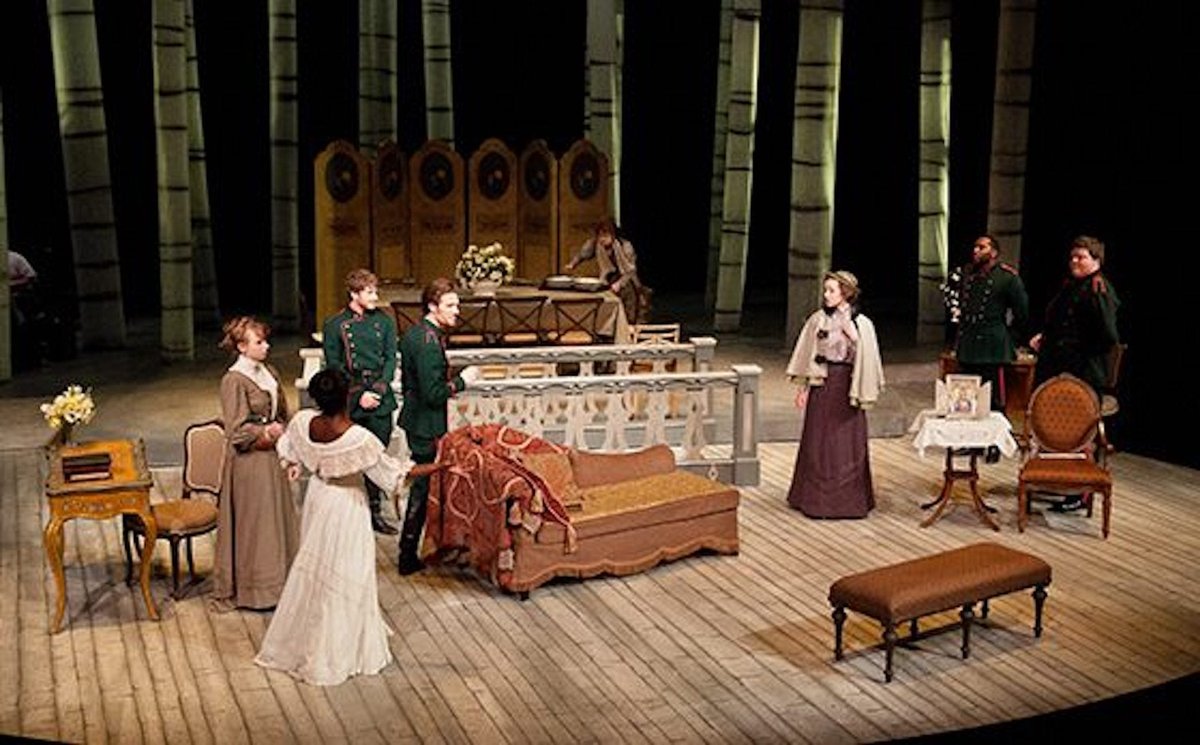
The search for the right acting schools in the Bay Area can feel like its own full-time job. You’re passionate and ready to work, but faced with a dizzying array of conservatories, private studios, and university programs, each promising to be the one. The key isn’t finding the single “best” school—it’s finding the right fit for your specific goals, budget, and learning style.
This guide cuts through the noise. We’ll break down the different training philosophies, compare top-tier institutions, and give you a practical framework for making a choice that launches your craft forward.
At a Glance: Your Quick Guide
- Match Your Goal to a School: Identify if your passion lies in theater, film, improv, or voice-over to narrow your search.
- Understand the Philosophies: Learn the difference between Meisner, Method, and classical techniques to find an approach that resonates with you.
- Compare Costs & Commitment: We’ll cover typical costs, from $250 workshops to full university tuitions, helping you plan your investment.
- Studio vs. University: Unpack the pros and cons of flexible, ongoing studio classes versus structured, degree-granting programs.
- Actionable Next Steps: Discover the power of auditing a class and questions to ask before you enroll.
Where to Begin: Choosing Your Training Path
Your first major decision is choosing the type of institution. The Bay Area offers three primary paths, each with distinct advantages.
1. Private Acting Studios
These are the workhorses of actor training. Studios offer ongoing classes and short-term workshops, providing immense flexibility for artists who are also juggling day jobs. You can focus intensely on a specific skill, like on-camera auditions or Meisner technique, without the commitment of a multi-year degree. This is often the most direct and cost-effective way to sharpen your skills. While studios provide excellent training, many actors find it helpful to start with a broader overview of different approaches. To get a feel for various teaching styles, you can explore a range of introductory and intensive options through Professional SF Acting Workshops.
- Best for: Working adults, actors targeting specific skills (e.g., film), and those seeking a flexible schedule.
- Examples: Beverly Hills Playhouse of San Francisco, Bay Area Acting Studio, First Take Acting Program.
2. Theater Conservatories
Conservatories offer immersive, rigorous programs often attached to a professional theater. The training is holistic, integrating voice, movement, and text analysis into a cohesive curriculum. Think of it as a vocational deep dive. A.C.T.’s programs, for instance, are renowned for their intensity and direct connection to the professional stage. - Best for: Aspiring theater professionals seeking a comprehensive, structured, and highly disciplined environment.
- Example: American Conservatory Theater (A.C.T.).
3. University Drama Programs
A university path combines actor training with a broader liberal arts education, culminating in a B.A., B.F.A., or M.F.A. degree. This route provides a strong theoretical foundation, academic credentials, and access to extensive campus resources. It’s a significant time and financial commitment but offers a deep, well-rounded education. - Best for: Students seeking a formal degree, a traditional college experience, and an academic approach to the craft.
- Examples: San Francisco State University, Academy of Art University, University of San Francisco.
A Look at Major Acting Philosophies in the Bay Area
When you browse school websites, you’ll see names like Meisner, Method, and Classical. These aren’t just buzzwords; they represent distinct approaches to accessing truth in a performance.
The Meisner Technique: The Art of Reaction
Sanford Meisner defined acting as “living truthfully under imaginary circumstances.” His technique is a step-by-step process designed to get you out of your head and responding authentically to your scene partner. It famously begins with the Repetition Exercise, stripping away preconceived notions and building your ability to genuinely listen and react.
- You’ll find it at: The Meisner Technique Studio, Bay Area Acting Studio, Seydways Acting Studios.
- Perfect for actors who: Feel stuck in their head, want to improve their listening skills, and seek more spontaneous and connected performances.
Method Acting: The Power of Emotional Truth
Often misunderstood, Method acting (derived from Stanislavski’s system) prioritizes a deep connection to the character’s emotional life. Actors may use “emotional recall” and psychological exploration to generate genuine feeling. It’s an intense and deeply personal approach that can yield incredibly powerful results.
- You’ll find it at: Shelton Studios (Jean Shelton Actors Lab), a historic institution founded in 1961 with a strong focus on this tradition.
- Perfect for actors who: Want to explore deep emotional work and are committed to rigorous character analysis and personal exploration.
On-Camera Technique: The Craft of the Close-Up
Acting for the camera is a different beast. The lens magnifies everything, requiring subtlety, stillness, and a strong inner life. On-camera classes focus on the technical demands of film and television: hitting marks, understanding shot sizes, and delivering nuanced performances that read truthfully in a close-up.
- You’ll find it at: First Take Acting Program, Bay Area Acting Studio, SF Acting Studio.
- Perfect for actors who: Are pursuing work in film, television, and commercials.
A Curated Guide to Top Acting Schools in the Bay Area
Here’s a breakdown of some of the most respected acting schools, categorized by their primary focus. Costs are approximate and subject to change, but they provide a solid baseline for your planning.
For the Theatrical Purist: Stage-Focused Training
These institutions have deep roots in the theater and offer world-class training for the stage.
- American Conservatory Theater (A.C.T.) – Studio A.C.T.: The gold standard in Bay Area theater training. Studio A.C.T. offers part-time classes for adults in acting fundamentals, voice, and scene study. Expect a rigorous, professional environment.
- Cost: ~$400–$900 per course.
- San Francisco Playhouse – Playhouse Academy: Connected to a major professional theater, the academy offers 10-12 week courses for all levels. It’s a great way to learn from working professionals in the heart of the theater district.
- Cost: ~$250–$480 per course.
- Shelton Studios (Jean Shelton Actors Lab): A legendary studio specializing in method acting. For over 60 years, it has been the go-to for actors seeking profound emotional depth and character immersion.
- Cost: ~$400 per session.
For the Screen Actor: On-Camera & Film Schools
These schools specialize in the specific skills needed to succeed in film and television.
- Bay Area Acting Studio (Palo Alto & San Jose): A top choice for on-camera training, with a strong emphasis on the Meisner Technique. They offer ongoing classes in scene study, audition prep, and help actors produce professional demo reels.
- Cost: ~$255–$325 per month.
- First Take Acting Program: Known for small group classes, First Take focuses on acting for film, commercials, and television. Their 8-week sessions provide concentrated, practical training for the camera.
- Cost: ~$350–$550 per 8-week session.
- Beverly Hills Playhouse of San Francisco: This school uses an ongoing training model focused on scene study, technique, and career strategy. It’s designed to function like a gym for actors, keeping your craft sharp and ready for professional opportunities.
- Cost: ~$350 per month.
Degree-Granting Institutions: The Academic Path
For those seeking a formal degree, these universities offer comprehensive programs.
| Institution | Degree(s) Offered | Primary Focus | Approx. In-State Tuition (Annual) |
|---|---|---|---|
| SF State University | B.A., M.A. in Theatre Arts | Comprehensive theater arts education | ~$7,950 |
| Academy of Art University | A.A., B.F.A., M.F.A. | Professional, career-focused acting | ~$30,000+ ($1,239/unit) |
| University of San Francisco | B.A. in Performing Arts & Social Justice | Integrates acting with social change | ~$61,870 |
| City College of SF | A.A., Certificates | Accessible foundation in theater arts | ~$1,400 ($46/unit) |
Beyond Scene Study: Specialized Training
A well-rounded actor builds a diverse toolkit. The Bay Area has excellent schools for skills that complement core acting training.
- Improv & Sketch Comedy: Schools like BATS Improv and Leela Improv Theatre are perfect for developing spontaneity, confidence, and comedic timing. For sketch writers and performers, Killing My Lobster offers targeted workshops.
- Voice-Over: The voice-over industry is competitive and requires specific training. Voice One and Voicetrax SF are premier academies that guide students from foundational technique to producing a professional demo reel.
- Accents & Dialects: To nail that specific role, The Accent & Dialect Institute (TADI) provides focused 4-week courses to master new sounds.
Your Decision-Making Playbook
Feeling overwhelmed? Use this simple process to find your perfect match.
- Define Your Primary Goal: Be honest with yourself. Are you aiming for a Broadway stage, a role on a streaming series, or simply building confidence for public speaking? Your goal dictates the training you need. Example: If your goal is TV commercials, prioritize schools with strong on-camera and audition technique classes.
- Assess Your Budget and Schedule: Determine what you can realistically invest in terms of time and money. A monthly studio class (~$350) is very different from a full-time B.F.A. program (~$30,000+/year).
- Audit a Class (This is Non-Negotiable): The single most important step. Almost every private studio will let you observe a class for free or a small fee. Pay attention to the instructor’s feedback style, the energy of the students, and whether the work excites you. Does the feedback feel constructive? Do the students seem supportive of each other?
- Talk to Current or Former Students: Ask about their experience. What was the biggest challenge? What was the most rewarding part? This firsthand insight is invaluable.
Quick Answers to Common Questions
How much do acting classes cost in the Bay Area?
For private studios, expect to pay between $250 and $900 for a multi-week course (e.g., an 8-week session for $580 at A.C.T.). Ongoing monthly classes typically range from $255 to $350. University programs are a much larger investment, from affordable community college rates to over $60,000 per year at private universities.
Do I need a degree to be a professional actor?
No. While a degree can provide an excellent foundation, the entertainment industry is a meritocracy of talent and professionalism. Consistent, high-quality training from a respected studio is what casting directors and agents look for. Your skill, resume, and demo reel matter far more than a diploma.
Are there good schools for film and TV in the Bay Area?
Absolutely. While Los Angeles is the industry hub, the Bay Area has a thriving commercial and independent film scene. Schools like Bay Area Acting Studio, First Take, and Beverly Hills Playhouse specialize in on-camera technique and prepare actors for the specific demands of screen work.
What is the best way to get started if I’m a total beginner?
Look for an “Acting Fundamentals” or “Intro to Acting” course. Institutions like Studio A.C.T. and SF Playhouse Academy offer excellent foundational classes that cover the basics of technique, voice, and movement in a supportive environment. An improv Level 1 class at BATS or Leela is also a fantastic, low-pressure way to start.
The right class is out there. Choosing from the many acting schools in the Bay Area is the first step in a long, rewarding journey of artistic discovery. Your task is to find the teachers and the community that will challenge you, support you, and help you unlock the powerful, authentic performances already inside you. Start by auditing, ask questions, and trust your gut.

- Voice Practice Strengthens Your Voice for Clearer Speaking and Singing - April 18, 2026
- Cheryl Porter Vocal Exercises Offer High-Impact Workouts For Singers - April 17, 2026
- Cheryl Porter Warm Ups Make Vocal Training Fun and Portable - April 16, 2026