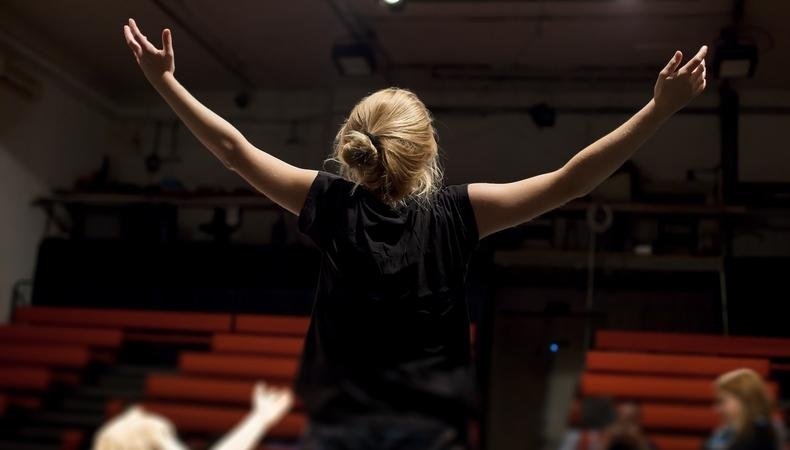
The search for the right acting classes in SF can feel like a city-wide audition itself. With options ranging from university conservatories to intimate, method-focused studios, the sheer volume of choice can be paralyzing. You know you want to act—to connect, to perform, to create—but figuring out the first practical step feels like a script you haven’t been given. This guide is your scene partner, here to help you navigate the landscape and find the class that will truly unlock your potential.
At a Glance: Your Path to the Perfect SF Acting Class
- Clarify Your Goal: Are you launching a career, sharpening a specific skill, or exploring a creative passion? Your “why” determines your “where.”
- Understand the Methods: Learn the difference between Meisner, Method, On-Camera, and Improvisation to find a technique that resonates with you.
- Compare the Venues: Weigh the pros and cons of professional studios, university degree programs, and community-based workshops.
- Audit Before You Commit: Discover the non-negotiable step of sitting in on a class to evaluate the instructor, the environment, and the work.
- Budget with Confidence: Get a clear picture of costs, from drop-in workshops around $150 to intensive courses that can exceed $900.
First, Define Your “Why”: Match Your Goal to a Program
Not all acting classes are created equal because not all actors have the same goals. Before you even look at a schedule, get honest about what you hope to achieve. This single decision will narrow your search from dozens of options to a handful of excellent fits.
The Aspiring Professional: Building a Career Foundation
If your goal is to make acting your profession, you need rigorous, structured training. This path demands a significant investment of time and money, focusing on building a complete toolkit from the ground up.
- University Programs: For those starting out (typically 18+), a BFA or MFA program offers an immersive, academic deep dive. Institutions like San Francisco State University ($7,950/year in-state) and the Academy of Art University ($1,239/unit) provide a comprehensive curriculum in acting, voice, movement, and theatre history. This is a multi-year commitment that offers the credibility of a degree.
- Conservatory Training: For a focused, non-degree alternative, a conservatory program is ideal. Studio A.C.T., the studio school for the American Conservatory Theater, is the gold standard in the Bay Area. With 8-week courses in Scene Study or On-Camera Technique costing around $580, it offers world-class instruction without the full university commitment.
The Working Actor: Sharpening Your Tools
If you already have some training or experience, your focus should be on specialized classes that address specific needs—like nailing your auditions or adapting your stage skills for the camera. - On-Camera Technique: Stage and screen are different beasts. Studios like Seydways Acting Studios and the Beverly Hills Playhouse of San Francisco specialize in the subtlety and technical demands of acting for film and television. You’ll learn about hitting your marks, understanding camera angles, and delivering nuanced performances for a close-up.
- Audition Prep: An audition is a unique performance. A dedicated workshop like those at Bay Area Castings Workshop (around $225/5-week class) can demystify the process, from cold reads to self-tapes, giving you a repeatable strategy for booking the room.
- Specialized Skills: Need to master a specific accent? The Accent & Dialect Institute (TADI) offers 4-week courses. Want to break into voice-over? Voice One and Voicetrax SF are premier training grounds, though be prepared—mastering the craft for a professional demo often takes one to two years of consistent work.
The Creative Explorer: Finding Joy and Community
Maybe your goal isn’t a headshot and a union card. For many, acting is a powerful tool for self-expression, confidence-building, and connecting with others. - Improvisation: Nothing builds spontaneity and listening skills faster than improv. Theaters like Leela Improv (approx. $120 for 6 weeks) and BATS Improv ($150–$200 per course) offer foundational classes that are incredibly fun, low-pressure, and an amazing way to meet creative people.
- Community Theaters: Organizations like the New Conservatory Theatre Center provide a welcoming environment with classes, camps, and workshops for all ages, fostering a love for the craft in a supportive setting.
Decoding the Methods: What Kind of Actor Will You Be?
“Acting” isn’t a single skill; it’s an art form approached through various philosophies and techniques. Understanding the core methods taught in San Francisco studios is key to finding an instructor whose approach aligns with your creative instincts. Many schools blend techniques, but most have a primary focus.
Meisner Technique: The Art of Authentic Reaction
Sanford Meisner’s technique is famously defined as “living truthfully under imaginary circumstances.” The training focuses on getting you out of your head and responding authentically to your scene partner, moment by moment.
- What it looks like: Early classes involve deceptively simple “Repetition Exercises” to hone your listening and instinctive responses.
- Where to find it: The Meisner Technique Studio, run by Richard Epp, and Bay Area Acting Studio are dedicated to this method. Seydways Acting Studios also incorporates Meisner principles into its on-camera work.
Method Acting: The Power of Emotional Truth
Derived from Stanislavski’s system, this approach encourages actors to draw on their own experiences and memories to create genuine emotion. It’s an internal, psychological process. - What it looks like: Classes involve sensory exercises and emotional recall to help you build a rich inner life for your character.
- Where to find it: Shelton Studios, a Bay Area institution since 1961, is renowned for its focus on method acting, scene study, and voice work.
Improvisation: The Foundation of Spontaneity
While often associated with comedy, improv is a vital tool for all actors. It teaches you to be present, listen actively, and make bold choices without a script. It’s the ultimate antidote to stiff, pre-planned performances. For a full breakdown of options, from beginner classes to advanced workshops, our guide to SF Professional Acting Workshops offers a comprehensive directory. - What it looks like: Group exercises and games designed to build trust, collaboration, and “yes, and…” thinking.
- Where to find it: Leela Improv, BATS Improv, and sketch-focused groups like Killing My Lobster are hubs for San Francisco’s vibrant improv scene.
Professional Studios vs. University Programs: Which Is Right for You?
Choosing between a flexible studio class and a structured degree program is a major decision point. Here’s a quick breakdown to help you decide.
| Feature | Professional Studios (e.g., Studio A.C.T., BHP) | University Programs (e.g., SFSU, CCSF) |
|---|---|---|
| Commitment | Low to high (single workshops to ongoing weekly classes) | Very high (2-4 years, full-time curriculum) |
| Cost | ~$400-$900 per multi-week course or ~$350/month | ~$7,950/year (in-state) to $61,870/year |
| Focus | Highly specialized (e.g., On-Camera, Meisner, Audition) | Broad (Acting, Directing, Design, Theatre History) |
| Outcome | Skills, network, and reel footage | BA, BFA, or MFA degree |
| Best For | Working adults, actors needing flexibility, skill-specific training | Young adults (18+) seeking a foundational, immersive education |
| A Practical Scenario: | ||
| Imagine a 30-year-old software engineer who wants to seriously pursue acting. A full-time BFA program is impractical. Her best path is to start with an “Intro to Acting” at Studio A.C.T. to build a foundation. Later, she might move to an ongoing on-camera class at Beverly Hills Playhouse to build skills while maintaining her day job. | ||
| Conversely, a high school graduate who knows theatre is her passion would be an ideal candidate for SF State’s Theatre Arts program, where she can get a well-rounded education and access to mainstage performance opportunities. |
Your 5-Step Playbook for Choosing a Class
Once you’ve narrowed your options, it’s time to vet them. Don’t just rely on a website. Finding the right class is an active process.
- Do Your Homework: Read every page of the studio’s website. Who are the instructors? What is their professional experience? Look for testimonials and signs of a clear, articulated teaching philosophy.
- Request an Audit: This is the single most important step. An audit is where you sit in and observe a class. It is the only way to experience the teacher’s style and the classroom culture. Some studios offer them for free; others charge a small fee. It is always worth it.
- Observe the Feedback: During the audit, pay close attention to how the instructor gives notes. Is it constructive and specific? Do they empower the student or tear them down? The best teachers create a safe space for vulnerability and risk-taking.
- Gauge the Room’s Energy: Are the other students supportive of each other? Is there a sense of community and shared purpose, or does it feel competitive and tense? You will do your best work in an environment where you feel supported.
- Trust Your Instinct: After the audit, how do you feel? Energized and inspired? Or drained and intimidated? Your gut reaction is valuable data. The right class should feel like a place you genuinely want to be each week.
Quick Answers to Common Questions
Q: How much should I budget for acting classes in SF?
A: The range is wide. Expect to pay anywhere from $150 for a short community workshop (like at Asian American Theater Company) to $580-$900 for an 8-week course at a major conservatory like Studio A.C.T. Ongoing monthly classes at studios like Beverly Hills Playhouse are typically around $350 for adults.
Q: Are there affordable or low-cost acting classes in San Francisco?
A: Yes. City College of San Francisco (CCSF) offers high-quality training for just $46 per unit for residents. For youth, San Francisco Youth Theatre (SFYT) uses a sliding scale fee structure, and the SF Mime Troupe Youth Theatre Project offers low-cost or free programs.
Q: Do I need a degree in acting to become a professional?
A: Absolutely not. Many successful actors build their careers entirely through training at professional studios. A degree provides structure and deep theoretical knowledge, but consistent, high-quality studio training combined with real-world experience is an equally valid and common path.
Q: What are the best acting classes for kids and teens in SF?
A: San Francisco has excellent youth programs. A.C.T.’s Young Conservatory is a top-tier program for dedicated young actors (ages 6-18). San Francisco Youth Theatre and SF Playhouse’s Youth Academy are also highly regarded for their supportive environments and quality instruction.
Finding Your Scene in the City
Choosing an acting class is the first major choice you’ll make in your creative journey. It’s more than just an item on a to-do list; it’s about finding a community, a mentor, and a safe space to grow. The perfect acting classes sf offers more than just technique—it provides the encouragement and constructive feedback you need to turn your ambition into craft.
Start by defining your goal. Research the methods. Then, go audit a class. Step into the room, watch the work, and listen to your gut. Your stage is waiting.

- Voice Breathing Exercises Build Stronger Support for Your Singing - March 26, 2026
- How to Increase Lung Capacity for Singing and Improve Vocal Stamina - March 25, 2026
- Breathing during Singing Techniques Elevate Your Vocal Performance - March 24, 2026