For the bigger picture and full context, make sure you read our main guide on Adult Voice Lessons Transform Your Singing and Build Confidence.
Ever been told you “can’t carry a tune”? Or maybe you secretly dream of nailing a karaoke solo but don’t dare grab the mic. The belief that musical talent is a gift you’re either born with or miss out on is one of the most persistent myths out there, but the truth is, your voice is an instrument you can learn to play. Taking up adult vocal lessons isn’t about chasing a forgotten childhood dream; it’s about unlocking a skill, a means of expression, and a source of confidence that’s been waiting for you all along.
The journey from shower-singer to confident vocalist is more accessible than you think. It starts not with innate talent, but with technique, practice, and the right guidance.
At a Glance: What You’ll Discover
- The Adult Advantage: Why learning to sing as an adult can be more effective than as a child.
- Your First 90 Days: A clear roadmap of what to expect, from foundational breathing to your first “aha!” moments.
- Choosing Your Path: A practical comparison of private, group, and online lessons to fit your budget, schedule, and personality.
- Building a Real Routine: Actionable steps for creating a practice habit that delivers consistent results without burnout.
- Answers to Your Doubts: Straightforward answers to common fears, from “Am I tone-deaf?” to “Is it too late to see real progress?”
The “Adult Advantage” in Learning to Sing
The idea that children’s brains are like sponges, uniquely wired for learning music, is only part of the story. As an adult, you bring powerful assets to your vocal lessons that kids simply don’t have.
Your Brain Isn’t the Enemy; It’s Your Ally
A child might mimic a sound perfectly, but an adult can understand the why behind it. You have the analytical skills to grasp abstract concepts like breath support, resonance, and vowel modification.
Think of it like this: a child learns to ride a bike through pure trial and error. An adult can understand the physics of balance and steering, consciously applying principles to learn faster and with fewer falls. Your vocal coach can explain how to shape your mouth to create a warmer tone, and your mature mind can process, internalize, and execute that instruction deliberately.
You Know Your “Why”
An adult’s motivation is internal and specific. You aren’t taking lessons because a parent signed you up; you’re there for a reason.
- Case Snippet: Mark, a 45-year-old project manager, wanted to gain confidence for public speaking. His goal wasn’t to hit a high C, but to control his pitch and projection in the boardroom. His “why” guided every lesson, focusing on breath control and resonance that directly translated to a more commanding speaking voice.
Your personal goals—whether it’s joining a local choir, writing your own songs, or simply singing to your kids without cringing—provide a powerful, sustainable drive that pure talent can’t match.
Life Experience Fuels Expression
Singing isn’t just about hitting the right notes; it’s about telling a story. Your life experiences—the joys, the heartbreaks, the triumphs—give you a deep well of emotion to draw from. A teenager singing a classic ballad about lost love is acting. An adult who has lived it can imbue the same lyrics with authentic feeling, creating a performance that truly connects with an audience.
This emotional depth is your unique artistic signature, and it’s something only time can give you.
What to Expect in Your First Few Months
Starting anything new can feel intimidating. Knowing what’s coming helps demystify the process and sets you up for success. The foundational work you do in the beginning is the core of any effective program. To see how these early steps fit into a larger framework, you can Explore adult voice lessons in our comprehensive guide.
The Initial Assessment: Finding Your Starting Point
Your first lesson won’t be a high-pressure audition. It’s a diagnostic session. Your vocal coach will likely lead you through simple exercises to:
- Identify your range: Finding the lowest and highest notes you can comfortably produce.
- Check your pitch accuracy: Seeing how well you can match notes played on a piano.
- Listen to your natural tone: Understanding the unique quality of your voice.
- Discuss your goals: This is the most important part! What do you want to achieve?
This session gives your coach the information needed to create a personalized plan. It’s a judgment-free zone designed to set a baseline for your progress.
Building the Foundation: Breath, Posture, and Pitch
The first several weeks of adult vocal lessons focus on the non-negotiable fundamentals. You can’t build a house on a shaky foundation, and you can’t build a strong voice on weak breath support.
- Posture: You’ll learn how to stand or sit in a way that allows for an open, relaxed instrument. No slouching!
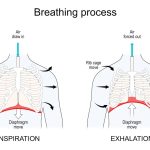
- Breath Control: This is the engine of your voice. Expect lots of exercises focused on deep, diaphragmatic breathing. You’ll learn to control the exhale so you can sustain notes steadily and powerfully.
- Basic Pitch Matching: Simple scales (like “do-re-mi”) and siren-like slides help train your ear and vocal cords to work together.
Progress here can feel slow, but it’s the most critical work you’ll do. Nailing these fundamentals prevents you from developing bad habits that can lead to vocal strain down the line.
The “Aha!” Moments and the Plateaus
Your progress won’t be a straight line upward. You’ll have breakthrough moments where a concept suddenly clicks and you produce a sound you didn’t think you were capable of. These are incredibly motivating.
You’ll also hit plateaus where it feels like you’re not improving. This is normal. A plateau is often a sign that your body and mind are consolidating a new skill. A good coach will recognize this and introduce new exercises to challenge you in a different way, leading to your next breakthrough.
Choosing Your Path: Private, Group, or Online Lessons?
The right learning environment can make all the difference. Each format offers distinct advantages depending on your goals, budget, and learning style.
| Lesson Type | Best For… | Pros | Cons |
|---|---|---|---|
| Private Lessons | Targeted goals, shy beginners, and fast progress. | 100% personalized feedback; lessons move at your pace; safe space to make mistakes. | Highest cost; can feel intense or isolating for some. |
| Group Lessons | Budget-conscious learners, social learners, and choir prep. | Lower cost; supportive community environment; learn from others’ feedback. | Less individual attention; curriculum is generalized; may progress slower. |
| Online Lessons | Busy schedules, remote locations, and tech-savvy students. | Maximum flexibility; access to teachers anywhere in the world; easy to record sessions. | Potential for tech issues (lag); coach can’t make physical adjustments; requires self-discipline. |
| For most beginners, private lessons offer the most direct path to improvement because the feedback is tailored specifically to your voice. However, if budget is a major concern, a group class is a fantastic way to start building foundational skills in a fun, low-pressure setting. |
Your Practical Playbook: 90 Days to a Better Voice
Ready to take action? Here’s a simple, step-by-step plan to get you started on the right foot.
Step 1: Define Your Goal (Even a Small One)
“Get better at singing” is too vague. Get specific. Your initial goal could be:
- “Sing ‘Happy Birthday’ on key at the next family party.”
- “Confidently sing the chorus of my favorite pop song.”
- “Hold a sustained note for 10 seconds without wavering.”
A concrete, achievable goal gives your practice sessions purpose.
Step 2: Find and Vet a Vocal Coach
Don’t just pick the first name on Google. Look for a teacher who is a good fit for you.
- Where to Look: Ask for recommendations from local choir directors or music stores. Use online directories that list instructors with their credentials.
- What to Look For: A background in music education (like a university degree) is a strong sign. Look for experience teaching adults and in the genre you’re interested in (pop, jazz, classical, etc.).
- The Trial Lesson: Many studios offer a free or discounted introductory lesson. Use this time to see if you connect with the teacher’s communication style. Do you feel comfortable and supported?
Step 3: Commit to a Practice Routine
Consistency beats intensity. One weekly lesson isn’t enough; the real progress happens in the daily practice between sessions.
- Aim for 30 minutes a day, 5 days a week. If that’s too much, start with 15 minutes.
- Structure your practice: A good routine includes:
- Warm-up (5 min): Gentle hums, lip trills, and soft sirens.
- Technical Work (15 min): Focus on the specific exercises your coach gave you (e.g., breathing, scales, arpeggios).
- Application (10 min): Work on your chosen song, applying the techniques you just practiced.
Step 4: Prioritize Vocal Health from Day One
Your vocal cords are delicate tissue. Treat them well.
- Hydrate: Drink plenty of water throughout the day.
- Avoid Irritants: Smoking is a non-starter. Limit alcohol and caffeine, which can be dehydrating.
- Rest: Give your voice a break when you’re sick or feeling fatigued. Don’t push through hoarseness.
Quick Answers: Common Questions from Adult Singers
Let’s tackle some of the doubts that might be holding you back.
Q: Am I really too old to see significant improvement?
A: Absolutely not. While a child’s vocal cords are more pliable, an adult’s discipline and analytical ability often lead to faster understanding of core techniques. Significant, noticeable improvement is achievable for virtually any dedicated adult student within the first year. Reaching an advanced or semi-professional level is a realistic goal for many within 3-5 years of consistent work.
Q: What if I’m “tone-deaf”?
A: True clinical tone deafness (amusia) is extremely rare. What most people call “tone-deafness” is simply an untrained ear and a lack of coordination between their ear, brain, and vocal cords. This is a skill that can be developed. Through targeted pitch-matching exercises, you can train your brain to hear notes accurately and teach your voice how to produce them.
Q: Are online vocal lessons as effective as in-person ones?
A: They can be, with the right setup. A good microphone and a stable internet connection are essential. While an online coach can’t physically adjust your posture, a skilled instructor can effectively diagnose issues and provide clear corrections through visual and auditory cues. For many, the convenience and access to a wider pool of talent outweigh the downsides.
Q: How much should I expect to pay for adult vocal lessons?
A: Costs vary significantly by location and teacher experience. Based on industry averages, you can expect to pay anywhere from $275 to $450 per month for weekly private lessons. Group classes are typically more affordable. Think of it as an investment in a lifelong skill and a powerful form of self-care.
Your Voice Is Waiting
The decision to start adult vocal lessons is a decision to invest in yourself. It’s permission to be a beginner, to be vulnerable, and to grow. The goal isn’t to become a superstar overnight; it’s to experience the joy of making music, the confidence that comes from mastering a skill, and the profound connection of expressing yourself through song.
Your age isn’t a barrier; it’s your greatest asset. The journey begins with a single breath. Take the first step.