Ever belt out a song in the car, only to cringe when your voice cracks on that high note? Or maybe you stand silently in the back during “Happy Birthday,” convinced you’re “tone-deaf.” If you’ve ever thought, “I wish I could sing, but it’s too late for me,” it’s time for a new thought. The truth is, adult voice lessons are one of the most effective and rewarding ways to unlock a skill you’ve always wanted.
Your voice is an instrument. Just like a guitar or piano, it needs proper technique and consistent practice to sound its best. It doesn’t matter if you’re 25 or 65, a complete beginner, or a former choir member looking to dust off your skills. With the right guidance, you can learn to sing with control, confidence, and joy.
At a Glance: What to Expect from Singing Lessons
Pressed for time? Here are the key takeaways about starting your vocal journey as an adult.
- It’s Never Too Late: The adult voice is mature and stable, making it an ideal time to train. The idea that you have to start as a child is a myth.
- It’s a Physical Skill: Singing isn’t just “talent.” It’s a coordinated physical act involving your breath, posture, and muscles. Lessons teach you how to use your body correctly.
- Benefits Extend Beyond Music: You’ll gain confidence, improve your speaking voice, reduce stress, and connect with a powerful form of self-expression.
- The Right Teacher is Everything: Finding an instructor who understands your goals and teaches healthy technique is the most important factor in your success.
- Progress is About Consistency: You don’t need to practice for hours. Short, focused, and regular practice sessions yield the best results.
Is It Really Possible to Learn to Sing as an Adult?
Let’s clear the air on the biggest misconception holding people back: the idea that singing ability is a gift you’re either born with or not. While some people may have a natural aptitude, singing is fundamentally a skill. It’s more like learning to shoot a basketball than it is like having blue eyes.
An adult learner actually has several advantages. You bring maturity, discipline, and a better understanding of abstract concepts to the table. When a vocal coach explains “diaphragmatic breathing” or “head voice versus chest voice,” an adult mind can grasp the mechanics more quickly than a child’s.
Your voice has also settled. The vocal changes of puberty are long gone, giving you a stable instrument to work with. A qualified instructor won’t try to change your unique vocal quality; they’ll work with your natural sound to make it stronger, more flexible, and more reliable.
What Actually Happens in Adult Voice Lessons?
Walking into your first voice lesson can feel intimidating, but the process is designed to be supportive and encouraging. Most lessons aren’t about judgment; they’re about discovery. A great teacher acts as your guide, helping you understand the instrument living inside you.
The First Meeting: Setting Your Vocal GPS
Your initial lesson is all about getting acquainted. Don’t worry, no one will expect you to perform an aria on day one. This session is a two-way conversation where your instructor will likely:
- Discuss Your Goals: Why are you here? Do you want to join a local choir, nail a karaoke song, write your own music, or simply explore a new hobby?
- Talk About Your Influences: Who are your favorite singers? What styles of music do you love—pop, musical theater, jazz, classical? This helps the teacher tailor lessons to your tastes.
- Gently Assess Your Voice: Through a few simple exercises, like singing scales or sliding between notes, they’ll get a sense of your current vocal range, natural tendencies, and areas for improvement.
The goal is to create a personalized roadmap. A good music school, like the California Conservatory of Music, emphasizes this tailored approach, ensuring your lessons align with your personal interests from the very beginning.
Building the Foundation: Breath, Posture, and Tone
Once your goals are set, you’ll dive into the fundamentals. This is the “how-to” of singing, focusing on a few core pillars.
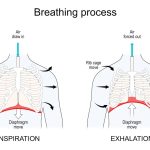
- Breath Support: This is the engine of your voice. You’ll learn how to breathe deeply from your diaphragm, not shallowly from your chest. This provides a steady, controlled stream of air that supports your sound, preventing strain and weakness. Think of it like a painter having a full, steady hand instead of a shaky one.
- Posture: How you stand or sit directly impacts your ability to breathe and resonate. Your coach will help you find a relaxed, aligned posture that frees your vocal mechanism to work efficiently.
- Vocal Warm-ups: Just as an athlete stretches, a singer warms up. You’ll practice exercises like lip trills (bubbling your lips like a motorboat), humming, and gentle scales. These aren’t just for show; they safely stretch the vocal cords and reinforce good habits.
These foundational skills are what make the whole process of singing for adults so effective and sustainable. You’re not just mimicking sounds; you’re building a reliable technique from the ground up.
Applying the Skills: Working on Songs
This is where the magic happens. After establishing some technical basics, you’ll start applying them to actual music. Your teacher will help you choose songs that are appropriate for your current skill level and fit the style you love.
You won’t just sing the song from top to bottom. You’ll break it down piece by piece, focusing on:
- Navigating tricky phrases: Is there a high note you’re struggling with? A long phrase you run out of breath on? Your coach will give you specific strategies to conquer these spots.
- Improving Pitch Accuracy: You’ll learn to listen more critically and develop the muscle memory to hit notes squarely in the center.
- Connecting Emotionally: Technique is the vehicle, but emotion is the driver. Your coach will help you interpret the lyrics and tell a story with your voice, turning a simple melody into a moving performance.
The Surprising Benefits Beyond Hitting the Right Notes
While improving your singing is the primary goal, the ripple effects of voice lessons often surprise students. The skills you build in the practice room translate directly to your daily life.
Unleash Your Confidence
There is nothing quite like the feeling of producing a sound you once thought was impossible. As you gain control over your voice, you gain confidence in yourself. This newfound assurance isn’t limited to singing. Many students find they feel more comfortable speaking up in meetings, giving presentations, or simply expressing themselves in social situations.
Performance opportunities, like student recitals or community events, are a fantastic way to build on this. They provide a low-pressure environment to share what you’ve learned and experience the thrill of connecting with an audience.
Improve Your Public Speaking
The core principles of healthy singing—deep breathing, clear articulation, and controlled projection—are the exact same principles used by effective public speakers. By learning to support your voice, you can speak for longer periods without fatigue, command a room without shouting, and convey your message with greater impact and clarity.
A Powerful Tool for Stress Relief
In a world of constant notifications and deadlines, singing offers a unique escape. The act of deep, diaphragmatic breathing has a calming effect on the nervous system, similar to meditation or yoga. Focusing on music and your body provides a powerful form of mindfulness, allowing you to tune out distractions and be fully present in the moment. It’s a creative outlet that nurtures your well-being.
How to Find the Right Vocal Coach for You
Your relationship with your instructor is the single most important element of your vocal journey. A great teacher will inspire and challenge you, while a poor one can lead to frustration or even vocal damage. Here’s what to look for.
One-on-One vs. Group Lessons: Which is Best?
You have two main options when starting out, and the right choice depends on your budget, goals, and personality.
- One-on-One Lessons: This is the gold standard for vocal training. You get the instructor’s undivided attention, allowing for a curriculum that is 100% tailored to your voice and goals. The immediate, personalized feedback helps you correct bad habits quickly and progress faster.
- Group Lessons: If you’re on a tighter budget or feel nervous about singing alone at first, group vocal lessons can be a great starting point. You’ll learn the fundamentals in a supportive, communal environment. The downside is the lack of personalized feedback, as the instructor’s attention is divided among several students.
Many students start in a group setting to build initial confidence and then move to private lessons to refine their skills.
Key Qualities of a Great Instructor
When vetting potential teachers, look for a combination of expertise and empathy.
| Quality | Why It Matters | What to Look For |
|---|---|---|
| Credentials & Experience | Ensures they teach healthy, effective techniques. | A degree in music or vocal performance; extensive professional performance experience. |
| Specialization in Your Style | A classical opera singer may not be the best fit if you want to sing rock. | Look at their bio. Do they mention experience in pop, jazz, or musical theater? |
| A Clear Teaching Philosophy | You want a coach who is supportive, patient, and goal-oriented. | Ask them about their approach. Do they focus on building confidence? Do they adapt to the student’s pace? |
| Good Chemistry | You need to feel safe and comfortable enough to be vulnerable. | This is subjective. Do you feel heard and respected during your conversation or trial lesson? |
The Non-Negotiable: The Trial Lesson
Never commit to a package of lessons without having a trial session first. This is your chance to interview the teacher, experience their teaching style, and see if the studio environment is a good fit. Many reputable schools offer a free or discounted introductory lesson.
Think of it as a test drive. You wouldn’t buy a car without one, and you shouldn’t commit to a teacher without one either. It’s the single best way to ensure you’re making a wise investment in your vocal education.
Common Questions & Myths About Adult Singing Lessons
Let’s tackle some of the most frequent questions and concerns that come up for adult vocal students.
Do I need to know how to read music?
Absolutely not. While music theory is a valuable skill, it isn’t a prerequisite for learning to sing. Most people learn to sing by ear first. A good instructor can teach you the necessary basics of reading music as you go, integrating it naturally into your lessons.
How long does it take to see results?
You’ll likely feel a difference in your breathing and posture after the very first lesson. You’ll begin to notice more meaningful improvements in your tone and control within a few months of consistent practice. Significant, lasting change takes time—think in terms of a year or more for a dramatic transformation. The journey is a marathon, not a sprint.
Are online lessons as effective as in-person lessons?
Online lessons have become incredibly popular and can be highly effective, offering convenience and access to teachers from anywhere in the world. However, in-person lessons allow the instructor to observe physical cues more accurately and make subtle adjustments to your posture that are harder to see over a screen. If you have the option, a hybrid approach or starting in-person can be ideal.
What if I just have a “bad” voice?
There is no such thing as a “bad” voice, only an untrained one. Every voice is unique. A vocal coach’s job is not to make you sound like someone else, but to help you find the strongest, healthiest, and most authentic version of your own voice. The goal is to Improve your adult singing voice and discover its true potential.
Your Voice Is Waiting: How to Take the First Step
The desire to sing doesn’t fade with age. It’s a fundamental human impulse. Giving yourself permission to explore it is a powerful act of self-investment. The journey of learning to sing is about more than just music; it’s about discovering your own potential and building the confidence to share it with the world.
Ready to begin? Here’s your simple, actionable plan.
- Define Your “Why.” Take a moment to think about what you truly want to achieve. Is it to sing for your family, join a band, or simply for the personal joy of it? Knowing your motivation will keep you going.
- Do Your Research. Look for local music schools or independent instructors with a strong reputation. Read reviews and check the credentials of their teaching staff. Look for educators with university training and real-world performance experience.
- Schedule a Trial Lesson. This is your most important next step. It’s a low-commitment way to meet a potential teacher, ask questions, and see if you feel a connection.
- Embrace the Process. Be patient with yourself. There will be moments of breakthrough and moments of frustration—that’s normal. Celebrate the small victories and enjoy the incredible journey of finding your voice.

- Choir Breathing Exercises Enhance Vocal Support and Choral Blend - April 10, 2026
- Learn Breath Support Exercises for Singing Power and Control - April 9, 2026
- Breathing Exercises for Musicians Master Your Breath for Performance - April 8, 2026