Searching for the best vocal lessons near me isn’t just about finding a teacher; it’s about unlocking your unique voice, building confidence, and discovering a new level of self-expression. The right guidance can transform your singing journey, whether you’re dreaming of belting out pop anthems, mastering classical arias, or simply singing along more beautifully in the shower. But with so many options, how do you sort through the noise and pinpoint the perfect fit for you? This guide cuts through the clutter, giving you a practical roadmap to finding a vocal coach who can truly elevate your voice.
At a Glance: Your Roadmap to Finding the Best Vocal Lessons
- Define Your “Best”: Understand that “best” is personal; it hinges on your goals, musical style, and learning preferences.
- Prioritize Instructor Quality: Look for university-trained teachers with performance experience and a commitment to healthy vocal technique.
- Embrace Private Lessons: One-on-one instruction often provides the most tailored and effective path to growth.
- Trial Before Committing: Always take an introductory lesson to assess rapport and teaching style—many reputable places offer them for free.
- Consider Diverse Styles: Ensure the instructor can teach the genres you’re passionate about, from pop to opera.
- Seek Proven Track Records: A long-standing institution often signals consistent quality and student success.
Beyond Proximity: Defining Your Best Vocal Lesson
When you type “best vocal lessons near me” into a search engine, you’re looking for more than just a convenient location. You’re searching for expertise, a supportive environment, and results. The “best” isn’t universal; it’s deeply personal. What suits an aspiring opera singer might not work for someone aiming to improve their karaoke game.
Start by asking yourself: What are my singing goals? Do I want to sing for fun, join a choir, perform professionally, or simply gain confidence in my voice? Your answer will significantly shape your search criteria, helping you prioritize specific instructor qualities or program structures.
The Anatomy of a Top-Tier Vocal Instructor
The quality of your vocal instructor is paramount. A great teacher doesn’t just know how to sing; they know how to teach singing, adapting their methods to your unique voice and learning style. Here’s what sets the best apart:
Academic Rigor Meets Practical Experience
Look for instructors who possess a solid educational foundation. Many top-tier vocal coaches, for instance, are university-trained musicians with degrees in vocal performance or music education. This background often signifies a deep understanding of vocal anatomy, music theory, and pedagogical techniques. For example, a conservatory like the California Conservatory of Music in Fremont, Sunnyvale, or Redwood City prides itself on university-trained instructors, blending academic knowledge with real-world performance experience. They’ve walked the walk and studied the science behind vocal production.
A Philosophy Centered on Healthy Technique and Artistic Expression
The best instructors prioritize vocal health above all else. They teach healthy technique, which means you learn to sing powerfully and expressively without straining or damaging your voice. This focus includes proper breath support, posture, resonance, and pitch accuracy. Beyond technique, they cultivate artistry, encouraging you to express emotion and develop your unique vocal identity. It’s about empowering you to grow consistently, not just hitting high notes.
Patience, Communication, and Adaptability
An instructor can be incredibly skilled, but if they can’t communicate effectively or adapt to your pace, the lessons won’t be productive. The best teachers are patient, encouraging, and provide clear, constructive feedback. They understand that every voice develops differently and can tailor exercises and explanations to resonate with you.
Decoding Lesson Formats: Private vs. Group & Beyond
The format of your vocal lessons can significantly impact your learning experience. While group classes offer camaraderie and often a lower price point, one-on-one private lessons are generally considered the most effective for serious vocal development.
The Power of Private Vocal Sessions
Private, one-on-one sessions, like those offered at CCM, are the gold standard for personalized vocal training. Here’s why they often represent the “best vocal lessons near me” for dedicated students:
- Tailored Instruction: Every voice is unique. A private instructor can meticulously analyze your vocal strengths and weaknesses, designing exercises specifically to address your needs. There’s no “one-size-fits-all” approach here.
- Faster Progress: With undivided attention, you receive immediate, precise feedback. This direct guidance allows you to correct mistakes quickly and internalize proper technique much faster than in a group setting.
- Focus on Your Goals: Whether you want to master a specific song, prepare for an audition, or overcome a particular vocal challenge, private lessons can be fully customized to your aspirations.
- Comfort and Confidence: Many students feel more comfortable experimenting, making mistakes, and asking questions in a private setting. This psychological safety is crucial for building vocal confidence and taking risks.
Considering Group Classes (and Their Place)
While not the focus of a “best vocal lessons” deep dive, group classes do have their advantages. They can be a great entry point for beginners, offering a sense of community and a more affordable way to explore singing. However, the individualized feedback is limited, and progress might be slower due to shared attention. For serious improvement, they are often a supplement, not a replacement, for private coaching.
What Healthy Vocal Technique Really Means (and Why It’s Non-Negotiable)
You might have a naturally beautiful voice, but without healthy technique, you risk injury, limited range, and inconsistent performance. This isn’t just about sounding good; it’s about sustainability and longevity for your voice.
The Pillars of Healthy Singing
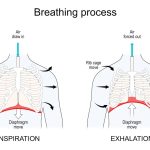
- Breath Support: This is the foundation. Learning to breathe deeply from your diaphragm, rather than shallowly from your chest, provides the steady, controlled airflow needed for powerful and sustained singing. Think of your diaphragm as a pump, not just a balloon.
- Posture: Good posture isn’t just about looking elegant; it creates an open, unobstructed pathway for your breath and sound. Slouching or tension in the neck and shoulders can severely impede vocal production.
- Pitch Accuracy: While some have natural perfect pitch, most learn to hear and reproduce notes precisely through targeted exercises. This involves ear training and understanding intervals.
- Resonance: This refers to how your sound vibrates and amplifies in various parts of your head and chest. Learning to direct sound into different resonators creates richness, power, and different tonal colors without pushing.
- Vocal Health & Stamina: A good teacher will guide you on how to warm up effectively, cool down, stay hydrated, and recognize signs of vocal fatigue. This protects your instrument and builds stamina for longer singing sessions.
Without these foundational elements, even the most talented singers can hit a plateau or worse, develop harmful habits. The “best vocal lessons near me” will prioritize these fundamentals from day one, ensuring you build a strong, sustainable vocal instrument.
Exploring Your Musical Path: Styles and Repertoire
Your personal taste in music is a crucial factor in finding the right vocal coach. You want an instructor who is not only skilled in teaching technique but also genuinely understands and can effectively coach you in your preferred musical genres.
A World of Vocal Styles at Your Fingertips
Many top conservatories and independent instructors offer training across a broad spectrum of musical styles. For instance, institutions like the California Conservatory of Music are equipped to teach:
- Pop: From contemporary hits to classic rock, focusing on belting, riffing, and modern vocal textures.
- Classical: Developing operatic power, control, and understanding of classical repertoire and languages.
- Musical Theater: Blending acting with singing, mastering various styles from Golden Age to contemporary Broadway.
- Opera: Specialized training in operatic technique, stage presence, and diverse operatic traditions.
- Jazz: Focusing on improvisation, scat singing, and the unique rhythmic and harmonic demands of jazz.
Finding an instructor who is proficient and passionate about your chosen genres will not only make lessons more enjoyable but also ensure you’re receiving relevant coaching. If you want to sing jazz, an opera specialist might teach you great technique, but they might not be the “best” at helping you master improvisation and phrasing specific to jazz.
The Smart Way to Evaluate “Best”: A Step-by-Step Playbook
Finding your ideal vocal lessons requires a structured approach. Don’t just pick the first option; invest time in evaluation.
Step 1: Define Your Goals and Non-Negotiables
Before you even search, get clear on what you want.
- Your Vision: What kind of singer do you aspire to be? (e.g., confident shower singer, lead in a band, musical theater performer, classical soloist).
- Learning Style: Do you prefer a very structured approach, or a more flexible one? Are you self-motivated or need more external push?
- Availability: What days/times work best for you? Are you committed to a regular schedule?
- Budget: Be realistic about what you can afford per lesson or per month. While quality often comes at a price, knowing your limits helps narrow the field.
Step 2: Local Search & Initial Vetting
Now, it’s time to leverage your “near me” search.
- Online Search: Use specific terms like “best vocal lessons [your city/neighborhood],” “singing teacher for pop [your area],” or “classical voice coach [your area].” Google Maps can be incredibly helpful for geographical targeting.
- Website Review: Look for professional, informative websites. What do they highlight about their instructors (qualifications, experience)? Do they detail their curriculum or teaching philosophy? For broader context on available options, you might find it useful to Explore singing classes near you, which can give you a wider view before diving deep into specific “best” options.
- Testimonials & Reviews: Check Google reviews, Yelp, or dedicated music school review sites. Look for patterns in feedback: Do students consistently praise the teacher’s patience, effectiveness, or specific results?
- Word-of-Mouth: Ask friends, local musicians, or school music teachers for recommendations. Personal referrals often lead to excellent matches.
Step 3: The Crucial First Step – The Introductory Lesson
This is perhaps the single most important step in finding the “best vocal lessons near me.” Many reputable institutions, like the California Conservatory of Music, offer a free introductory lesson. Do not skip this.
What to do during your intro lesson:
- Observe the Teaching Style: Does the instructor clearly explain concepts? Are they patient and encouraging? Do they seem genuinely interested in your goals?
- Assess Rapport: Can you connect with them? Do you feel comfortable making mistakes in front of them? A good teacher-student relationship is vital for progress.
- Listen to Feedback: Is their feedback constructive, specific, and easy to understand? Do they offer immediate, actionable advice?
- Ask Questions:
- What is their teaching philosophy?
- What kind of progress can I expect and in what timeframe?
- How do they handle different musical styles?
- What are their policies on scheduling, cancellations, and payments?
- How do they track student progress?
- Gauge the Environment: Is the studio conducive to learning? Is it clean, professional, and well-equipped?
Think of it as an interview, both for you and for the instructor. You’re assessing them, and they’re assessing your potential.
Step 4: Assessing Long-Term Fit
After the introductory lesson, take some time to reflect.
- Commitment & Consistency: Are you ready to commit to regular lessons and practice? The “best” lesson won’t work if you’re not consistent.
- Progress Tracking: Does the program have a clear structure for tracking progress? A proven record of excellence, like CCM’s since 2011, indicates a long-term commitment to student growth and success.
- Flexibility & Support: What happens if you need to reschedule? Is there a supportive community?
Pitfalls to Avoid When Searching for Vocal Lessons
Steer clear of these common mistakes that can lead to disappointment or stalled progress.
- Focusing Only on Price: While budget is a factor, the cheapest lessons are rarely the best value in the long run. Investing in quality instruction prevents bad habits that are harder and more expensive to correct later.
- Ignoring Instructor Credentials: Don’t assume someone who sings well can teach well. Formal training and teaching experience are crucial.
- Skipping the Trial Lesson: This is your only chance to truly experience the teaching environment before committing. Don’t base your decision solely on a website or a phone call.
- Expecting Instant Results: Vocal development is a journey. While you might see initial improvements quickly, mastery takes time, patience, and consistent effort.
- Being Afraid to Shop Around: It’s perfectly acceptable to try introductory lessons with a few different instructors before making a final decision. This ensures you find the absolute best fit.
Practical Playbook: Your Quick Start Guide
Ready to find the “best vocal lessons near me”? Here’s your actionable checklist:
- Clarify Your Why: Write down your top 3 singing goals. Are you aiming for fun, performance, specific skill acquisition?
- Define Your Deal-Breakers: What must your instructor or lesson format have (e.g., specific style, private lessons, particular schedule flexibility)? What can you absolutely not tolerate?
- Local Research Blitz: Search online, check school websites like the California Conservatory of Music, and ask for local recommendations. Prioritize places highlighting experienced, university-trained instructors.
- Schedule Introductory Lessons: This is non-negotiable. Aim for at least two if possible. Make sure one is with a highly reputable institution that offers a free trial, like CCM.
- Prepare for Your Intro Lesson: Have a song ready to sing (even if it’s just a verse), and a list of questions for the instructor.
- Evaluate & Reflect: After each trial, note down pros and cons. How was the rapport? Did you feel challenged but supported? Did you learn something new right away?
- Make an Informed Choice: Choose the instructor who best aligns with your goals, learning style, and provides a comfortable yet challenging environment.
Quick Answers: Common Questions About Vocal Lessons
How much do vocal lessons typically cost?
The cost of vocal lessons varies widely based on location, instructor experience, lesson length, and format (private vs. group). Expect anywhere from $60 to $120+ per hour for private lessons with experienced, qualified instructors in metropolitan areas. Conservatories might offer package deals or require monthly commitments.
How often should I take vocal lessons?
Most students benefit from one private lesson per week, combined with daily practice. This frequency allows for consistent progress, retention of new concepts, and adequate time to apply feedback. Beginners might even start with shorter, more frequent sessions.
Am I too old or too young to start singing lessons?
Absolutely not! Many conservatories cater to students of all ages, from children as young as five or six to teens and adults well into their retirement years. For children, the focus might be more on developing an appreciation for music and basic vocalization in a fun, engaging way. For adults, it’s never too late to learn a new skill or rediscover a passion.
What should I prepare for my first lesson?
For your first lesson, it’s helpful to have a song or two in mind that you enjoy singing, even if you don’t know them perfectly. This gives the instructor an immediate sense of your voice, range, and musical preferences. Don’t worry about being perfect; the point is for them to assess where you are. Just bring an open mind and a willingness to learn!
How long does it take to see progress in singing?
You can often feel and hear small improvements in your voice within the first few lessons, especially in areas like breath control and pitch accuracy. Significant, noticeable progress, however, typically takes several months of consistent lessons and dedicated practice. Think of it as building a muscle; it requires regular workouts and time for development.
Finding the best vocal lessons near me is a highly personal quest, but one that promises immense rewards. By focusing on qualified instructors, healthy technique, and a supportive learning environment—and especially by taking advantage of introductory lessons—you’re well on your way to discovering the full potential of your inner voice. Don’t hesitate; your singing journey awaits.