Mastering your voice as a singer isn’t just about hitting the right notes; it’s fundamentally about how you manage the air that produces those notes. This crucial skill, often called breath support, is less about brute force and more about sophisticated control. Forget the idea that you need to fill your lungs to bursting and push with all your might. True vocal power and stamina come from a nuanced understanding of how to manage your airflow, transforming raw breath into a steady, reliable column of sound.
As an experienced vocal specialist, I can tell you that many singers initially misunderstand breath support, often equating it with simply taking a big breath. But the magic happens not in the intake, but in the release—a controlled, sustained process that empowers your voice, protects your cords, and unlocks new levels of expressive freedom.
At a Glance: Mastering Your Vocal Breath
- Control over Raw Power: Breath support is about managing airflow and pressure, not just lung volume.
- Diaphragmatic Foundation: Inhaling correctly with the diaphragm is the first step, but support comes from other muscles on the exhale.
- Targeted Muscle Engagement: Learn to activate your intercostals, pectorals, and latissimus dorsi to stabilize your breath.
- Posture is Paramount: Correct alignment opens your respiratory system for optimal function.
- Avoid Common Pitfalls: Sidestep shallow breathing, over-inhaling, and pushing air too quickly.
- Actionable Exercises: Build a practical routine to train your body for consistent, powerful vocal delivery.
Why Control Trumps Raw Power for Vocal Longevity
Think of breath support like the foundation of a skyscraper. Without a strong, intelligently designed base, the tallest building is destined to crumble. Similarly, without refined breath control, your voice will lack stability, stamina, and the nuanced dynamics that define a truly expressive singer. It’s the silent force that dictates the quality of your tone, your ability to sustain phrases, and even the health of your vocal cords.
The reality is, most people have enough lung capacity for singing. The challenge lies in managing that air. During singing, your vocal folds vibrate due to subglottal air pressure – the air pressure built up just below them. Your job isn’t to create immense pressure, but to regulate it with consistency and precision, ensuring a smooth, steady stream that allows your vocal cords to do their work without strain. This precise management is what prevents a breathy, weak, or strained sound, giving you that rich, sustained resonance instead.
Beyond the Diaphragm: Understanding True Breath Support Muscles
The diaphragm often gets all the glory, and rightly so for its role in inhalation. It’s an incredible, dome-shaped muscle that sits just below your lungs.
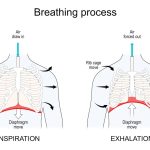
- During inhalation: Your diaphragm contracts and flattens, moving downwards. This creates space in your chest cavity, causing your lungs to expand and drawing air in. You’ll notice your lower ribs and abdomen expanding outward – this is the signature of proper diaphragmatic breathing.
- During exhalation (singing): Here’s where the common misconception arises. The diaphragm itself actually relaxes and moves back upward. It’s an involuntary muscle. So, you don’t “sing from the diaphragm” by pushing it down or out. Instead, breath support is about the conscious control of your exhalation. You’re resisting the natural tendency of your thoracic cavity (rib cage) to collapse quickly.
This resistance and controlled release are primarily managed by a team of other trainable muscles: - External Intercostals: These muscles between your ribs help expand your rib cage during inhalation and resist its collapse during exhalation, maintaining a feeling of openness.
- Pectorals (Chest Muscles): While not directly involved in moving air, strong and relaxed pectoral muscles contribute to an open, stable chest posture, which is vital for efficient breath support. They help maintain that feeling of “lift” in the chest.
- Latissimus Dorsi (Back Muscles): These large muscles in your back play a significant role in postural stability and can assist in controlling the rate of exhalation. Engaging them helps anchor your breath.
By learning to control the coordinated action of these muscles, you can regulate the subglottal air pressure and achieve that steady, manageable airflow crucial for powerful, healthy singing. For a deeper dive into how these exercises fit into your overall vocal regimen, explore our main guide on Boost your voice with breathing.
Your Blueprint for Powerful Posture and Aligned Airflow
You can have the most sophisticated breathing technique, but without good posture, you’re constantly fighting against yourself. Good posture isn’t just about looking confident; it’s about creating the optimal environment for your lungs and breathing muscles to function.
Here’s how to establish your foundational posture:
- Imagine a String: Whether standing or sitting, visualize a string gently pulling the top of your head towards the ceiling. This elongates your spine without stiffness.
- Relaxed Shoulders: Allow your shoulders to drop naturally, pulling them back and down slightly. This prevents tension in your neck and upper chest, which can restrict airflow.
- Open, Lifted Chest: Keep your chest feeling open and slightly lifted, but avoid puffing it out or tensing it. This creates maximum space for your lungs to expand. Think of it as “proud” chest, not a rigid one.
- Feet Shoulder-Width Apart (Standing): If standing, your feet should be roughly shoulder-width apart, with one foot slightly in front of the other for balance. Keep your knees soft, never locked.
- Engaged Core (Gentle): Feel a gentle engagement in your abdominal muscles, like you’re about to receive a light punch to the stomach. This isn’t about sucking in your gut, but a subtle readiness that supports your torso.
This alignment directly impacts your breath. A collapsed chest restricts the rib cage, making it harder for your diaphragm to descend and your intercostals to expand efficiently. When you stand tall and open, you allow your entire respiratory system to work as nature intended, making breath control feel more natural and less effortful.
A note on higher notes: It’s a common misconception that you need more air pressure for higher notes. In fact, the opposite is often true. High notes require a smaller, more focused stream of air, precisely controlled with your support muscles, rather than a forceful blast. Pushing more air just creates tension and can flatten the pitch.
Common Pitfalls: What’s Sabotaging Your Breath Control?
Even with the best intentions, singers often fall into habits that undermine their breath support. Recognizing these mistakes is the first step to correcting them.
- Shallow Chest Breathing: This is perhaps the most common error. If you notice your shoulders rising sharply with each breath, you’re likely engaging in shallow chest breathing. This limits the amount of air you can take in, creates tension in your neck and shoulders, and severely shortens your vocal stamina. Imagine trying to sing a sustained, powerful phrase when your breath is trapped in the top of your lungs – it’s like trying to run a marathon on sips of water.
- Overfilling the Lungs: While you want a full breath, overfilling your lungs to the point of discomfort can be just as detrimental as shallow breathing. This creates excessive pressure, making it difficult to control the release. It can lead to vocal strain, instability in your tone, and often a breathy sound as too much air escapes too quickly. You feel tight and rigid, rather than flexible and supported.
- Pushing the Air Too Quickly: Once you’ve inhaled, the challenge is to manage the exhale. If you push the air out too quickly, you lose control over your tone, pitch, and volume. This often manifests as a breathy or weak sound, or even a sudden drop in pitch as you run out of support. It’s like trying to pour water from a pitcher by tipping it all at once; you want a controlled, steady stream.
- Ignoring Posture: A slumped posture directly restricts your lung capacity and the ability of your breathing muscles to engage properly. If your chest is collapsed, your diaphragm can’t descend fully, and your intercostals can’t expand your rib cage efficiently. This means your “maximum” breath becomes much smaller than it should be, making effective breath support almost impossible.
- Breathing Through Your Mouth Excessively (Without Control): While quick breaths during performance might necessitate mouth breathing, relying on it for all inhales can dry out your vocal cords and lead to less controlled air intake. Controlled nasal breathing during exercises and gentle singing helps filter and humidify the air, preparing it better for your vocal folds.
Your Practical Playbook: Exercises to Master Breath Support
These exercises are designed to build awareness, strengthen the core muscles involved in breath support, and develop the precise control needed for confident singing. Consistency is key – dedicate a few minutes daily.
1. Basic Diaphragmatic Breathing: The Foundation
This exercise helps you connect with your diaphragm and understand its movement.
- Setup: Lie down on your back (ideal for beginners to feel the movement) or sit tall in good posture, shoulders relaxed. Place one hand on your belly (just above your navel) and the other on your chest.
- Inhale: Slowly inhale through your nose for 4 counts. Focus on feeling your belly and sides expand outward. The hand on your belly should rise significantly more than the hand on your chest. Imagine filling a balloon in your lower abdomen.
- Hold: Gently hold the breath for 2-4 counts. Avoid tensing up.
- Exhale: Exhale slowly through pursed lips (as if blowing through a straw or making a gentle “sss” or “whoosh” sound) for 6-8+ counts. Feel your stomach gently fall inward as the air leaves. The goal is a steady, consistent stream of air.
- Repeat: Do this 4-5 times, gradually trying to extend the exhale duration.
- Benefit: Establishes the core diaphragmatic breath, shifting awareness from shallow chest breathing to deeper, more expansive breaths.
2. Hissing Exercise: Calibrating Your Airflow
The “sss” sound provides immediate auditory feedback on your airflow consistency.
- Setup: Stand or sit with good posture. Take a full, deep diaphragmatic breath.
- Exhale: As you exhale, create a continuous, steady “sss” sound (like a snake). Focus on keeping the sound even and consistent, without any wavering, gasping, or sudden pushes. Imagine a smooth, unbreaking stream of air.
- Duration: Try to prolong the hiss for as long as you can maintain consistency. Time yourself.
- Progression: With each repetition, aim to make the hiss longer and more stable.
- Benefit: Builds critical control over your breath stream, strengthens the muscles that resist lung collapse, and improves stamina. It teaches you how to manage subglottal pressure.
3. Panting: Strengthening Your Diaphragm’s Responsiveness
This exercise helps strengthen your diaphragm and gives you control over quick bursts of air, essential for staccato phrases or quick catch breaths.
- Setup: Stand up straight with relaxed shoulders. Place one hand on your belly to monitor movement.
- Action: Take quick, shallow breaths in and out through your mouth, mimicking a dog panting. The movement should primarily come from your diaphragm and abdomen, not your chest or shoulders. Keep your jaw relaxed.
- Duration: Continue for about 30 seconds, focusing on controlled, even breaths.
- Benefit: Improves the agility and responsiveness of your diaphragm, crucial for dynamic singing and managing varied phrase lengths.
4. Fists in Ribs: Activating Support Muscles
This technique provides tactile feedback to engage the muscles surrounding your rib cage.
- Setup: Make fists with both hands and gently press them into your lower ribs, just above your waistline, on your sides.
- Action: Take a diaphragmatic breath. As you exhale or sing a sustained note, maintain a gentle outward pressure against your fists. You should feel your side abdominal and intercostal muscles working to resist the inward collapse of your ribs.
- Benefit: Physically cues the engagement of your external intercostals, pectorals, and latissimus dorsi, making you aware of how to actively support your breath from the core outwards, rather than pushing from the throat.
5. Arm Circles for Thoracic Expansion: Feeling the Openness
This exercise helps you feel the expansion of your rib cage and maintain it during exhalation.
- Setup: Stand with good posture.
- Action: Inhale deeply, and as you do, slowly raise your arms in a forward circle above your head. Feel your entire thoracic cavity (rib cage area) expand. Hold this expanded, open chest position.
- Exhale: While maintaining that feeling of expansion and openness in your chest, slowly exhale on a hiss or a sustained vocal tone. Lower your arms only after you’ve finished exhaling.
- Repeat: Perform 3-5 repetitions.
- Benefit: Heightens awareness of rib cage expansion and trains the muscles to hold that supportive tension, preventing a premature collapse that can cut off your sound.
6. Squats or Pliés on Ascending Phrases: Grounding Your Support
This exercise anchors your body and naturally engages stabilizing muscles, which can translate to better breath support, especially on challenging notes.
- Setup: Stand with good posture, feet shoulder-width apart.
- Action: As you sing an ascending scale or a phrase with high notes, perform a light squat or plié (bending your knees slightly, keeping your back straight). Focus on keeping your core engaged and your breath steady as you ascend.
- Benefit: This physical action helps to ground your body and naturally activates the lower abdominal and leg muscles, which indirectly provides a stable base for your breath support, preventing tension from rising into your throat.
7. Singing on One Breath / Breathing with Scales: Applying It All
Now, combine your breath management with actual singing.
- Setup: Take a full, diaphragmatic breath.
- Action (Sustained Note): Sing a comfortable, steady note (e.g., middle C) for as long as you can, maintaining a consistent tone and steady airflow. Don’t push or strain.
- Action (Scales): Take a full diaphragmatic breath. Sing a 5-note scale (e.g., C-D-E-F-G-F-E-D-C) or an arpeggio, aiming to complete the entire pattern on a single, sustained breath. Focus on smooth transitions between notes and consistent vocal tone.
- Progression: Gradually increase the length of your sustained notes or the complexity of the scales/phrases you attempt on a single breath.
- Benefit: Directly applies breath support principles to vocal performance, building endurance, control, and integrating breath with pitch and melody.
Integrating Breath Support into Your Daily Practice: A Beginner’s Routine
Consistency is far more impactful than occasional long sessions. Here’s a concise 10-minute daily routine to kickstart your breath support journey:
- 2 minutes: Basic Diaphragmatic Breathing (start lying down, then progress to sitting).
- 2 minutes: Hissing Exercise (“sss” sound), focusing on consistency and duration.
- 2 minutes: Inhale-Exhale Timing (e.g., 4 counts in, 4 counts hold, 8-10 counts out through pursed lips).
- 2 minutes: Singing Scales on One Breath (start with short, comfortable 5-note scales).
- 2 minutes: Posture Alignment & Relaxation (standing tall, checking for tension, deep relaxed breaths).
This routine can be done first thing in the morning, before vocal practice, or any time you have a spare moment. The more you connect with your breath, the more intuitive and powerful your singing will become.
Quick Answers: Unpacking Common Breath Support Questions
Do I really “sing from my diaphragm”?
No, this is a pervasive myth. Your diaphragm contracts to help you inhale, and then it relaxes during exhalation. True breath support comes from the controlled resistance of your intercostal muscles and core abdominals that resist the natural collapse of your rib cage, allowing for a steady, supported release of air.
Should I always take the biggest breath possible before singing?
Not necessarily, and often, it’s counterproductive. Taking an excessively large breath, especially for shorter phrases in contemporary music, can lead to over-pressurization and tension. The goal is an efficient breath—just enough air, taken deeply and silently, to comfortably complete the phrase, allowing your support muscles to manage the exhalation effectively.
How does breath support help me hit high notes?
Effective breath support allows you to hit high notes with less vocal strain and more control. It’s not about pushing more air for high notes, but about controlling a smaller, more focused stream of air with stability from your core. This reduces throat tension, allowing your vocal cords to vibrate freely at higher frequencies without excess pressure or effort.
What does proper “support” actually feel like?
When you’re properly supporting your breath, you might feel a gentle engagement in your lower abdominal muscles, a sustained feeling of expansion around your lower ribs (as if you’re keeping them “open”), and a sense of “groundedness” in your body. It should not feel like pushing forcefully from your belly, or like tension in your throat or upper chest. It’s a feeling of controlled resistance to exhalation, not a forceful push.
Your Next Step: Consistency and Awareness
True mastery of breath support isn’t about finding a secret trick; it’s about consistent, mindful practice. Begin by integrating the posture principles into your daily life, not just when you sing. Then, choose one or two of the exercises from the practical playbook and practice them for a few minutes every day. As you develop greater awareness and control, your body will naturally begin to “remember” how to support your voice more efficiently.
Remember, your voice is an instrument intimately connected to your body. By nurturing your breath support through deliberate practice and self-awareness, you’re not just improving your singing technique—you’re unlocking a more powerful, expressive, and ultimately healthier vocal journey. Start small, be consistent, and listen to your body. The control will come.

- Choir Breathing Exercises Enhance Vocal Support and Choral Blend - April 10, 2026
- Learn Breath Support Exercises for Singing Power and Control - April 9, 2026
- Breathing Exercises for Musicians Master Your Breath for Performance - April 8, 2026