When you sing, do you sometimes feel like you’re running on fumes, your voice trailing off before the end of a phrase, or struggling to hit those powerful high notes? The secret to sustained power, rich tone, and unwavering control isn’t in singing harder, but in understanding and mastering breath support exercises for singing. It’s the invisible engine that propels every vocal masterpiece, transforming a good voice into a truly exceptional one.
At a Glance: Harnessing Your Vocal Breath
- Unlock Diaphragmatic Breathing: Learn to engage your diaphragm for deeper, more efficient breaths, moving beyond shallow chest breathing.
- Build Sustained Power & Control: Develop the muscular strength and coordination needed to hold notes longer and maintain consistent vocal quality.
- Relax & Release Vocal Tension: Discover exercises that not only strengthen but also relax your body, ensuring a free and resonant sound.
- Transform Your Daily Practice: Integrate practical, immediate steps into your routine to see and hear tangible improvements in your singing.
- Sidestep Common Vocal Pitfalls: Identify and correct habits that hinder your breath support, safeguarding your voice from strain.
The Unseen Engine: Why Breath Support is Your Vocal Superpower
At its core, singing is an act of controlled exhalation. Every single note you produce—its volume, pitch, and tone—is fundamentally dependent on a steady, precise stream of air flowing through your vocal cords. Think of your voice as a sophisticated wind instrument; without a consistent and well-managed air supply, even the finest instrument sounds weak or out of tune.
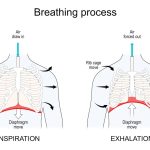
The distinction lies in how you breathe. Many of us default to shallow, “vertical breathing,” where only the chest and shoulders rise. This taps into a mere fraction of your lung capacity, leaving your voice unsupported and prone to strain. Professional singers, however, swear by “diaphragmatic breathing,” or horizontal breathing. This involves the diaphragm, a large, dome-shaped muscle beneath your lungs, flattening on inhalation. This action gently expands your abdomen, allowing your lungs to fill deeply—often utilizing up to 50% of their capacity. The result? A robust, resonant voice that projects effortlessly and sings with stamina.
For a deeper dive into the fundamental principles of how all vocal breathing exercises for singers contribute to overall vocal health and performance, you can Boost your voice with breathing.
Laying the Foundation: Essential Pre-Exercise Rituals
Before diving into specific breath support exercises for singing, it’s crucial to establish a conducive environment within your own body. Tension is the enemy of breath support and vocal freedom.
Stand Tall: Cultivating Optimal Posture
Your posture isn’t just about looking good; it’s about creating maximum space for your lungs and diaphragm to operate. Think of it as aligning your instrument for peak performance.
How to Achieve It:
- Feet First: Stand with your feet comfortably shoulder-width apart, distributing your weight slightly forward into the balls of your feet, not locked back on your heels.
- Flexible Joints: Keep your knees slightly bent, never locked. This allows for subtle adjustments and prevents stiffness.
- Shoulder Alignment: Roll your shoulders back and gently down, as if trying to tuck them into your back pockets. Avoid hunching or letting them creep up towards your ears.
- Open Chest: Keep your chest lifted and open, but not strained. Imagine a string pulling gently from the top of your sternum towards the ceiling.
- Head & Chin: Your chin should be parallel to the ground, and your head should feel balanced atop your spine, not jutting forward or tilted back. Allow your head to roll comfortably from side to side to ensure no neck tension.
Why It Matters: Proper posture maximizes the space in your chest cavity, allowing your lungs to expand fully. It also positions your diaphragm for comfortable, unrestricted movement, making deep breathing much more natural. Without it, you’re trying to sing with one hand tied behind your back.
Release the Weight: Embracing Upper Body Relaxation
Once your posture is set, the next step is to actively release any unnecessary tension. This is particularly vital in the neck, shoulders, and jaw, as these areas tend to clench under stress, directly impeding vocal freedom and breath flow.
The Relaxation Check-in:
- Gently roll your head from side to side, then front to back. Notice any stiffness.
- Let your jaw hang loose for a moment. Wiggle it side to side.
- Consciously drop your shoulders. Imagine them melting away from your ears.
Practice Tip: Before any singing, take a deep, sighing breath. As you exhale, consciously visualize tension draining out of your shoulders, neck, and jaw. This primes your body for efficient breath support.
Core Breath Support Exercises for Singing: Your Daily Practice Playbook
Now that your body is prepped, let’s dive into the actionable breath support exercises for singing that will build your vocal engine. Consistency is key here; even short, daily sessions yield significant results over time.
1. Finding Your Diaphragm: The Belly Breath
This foundational exercise trains your body to breathe horizontally, using your diaphragm, rather than vertically with your chest.
How to Do It:
- Get Postured: Stand with the excellent posture you just practiced, or lie flat on your back (which can make diaphragm breathing more intuitive for beginners).
- Hand Placement: Place one hand lightly on your chest and the other over your belly button.
- Inhale Deeply: Breathe in slowly through your nose. The goal is to feel the hand on your belly move outwards as your stomach expands, while the hand on your chest remains relatively still.
- Visualize: Imagine your diaphragm flattening and pulling air deep into the bottom of your lungs, like filling a balloon from the bottom up.
- Exhale Slowly: Gently exhale through your mouth, letting your belly slowly return inwards. Focus on releasing the air completely.
- Repeat: Do this 10-15 times. As you become more comfortable, you’ll feel your lower ribs expanding outward as well, indicating full diaphragmatic engagement.
Why It Matters: This exercise directly strengthens and builds awareness of your diaphragm, which is your primary muscle for breath control in singing. Without this conscious engagement, your voice will lack the necessary foundation.
2. The Power of the Hiss: Mastering Controlled Exhalation
Hissing exercises are champions for developing sustained breath control, teaching you to release air evenly and build core abdominal strength.
a. Basic Hissing: Sustaining the Flow
- Position: Sit, stand, or lie down relaxed with a hand on your stomach for feedback.
- Deep Inhale: Slowly inhale through your nose, focusing on diaphragmatic expansion until your belly and lower ribs are fully expanded.
- Controlled Exhale: Exhale by gritting your teeth slightly and using your tongue to regulate a low, constant “ssssssssss” sound. The key is consistency – no fluctuations in air pressure or volume of the hiss.
- Engage Core: Maintain a sense of gentle tension from your inflated lungs, using your abdominal muscles to control the slow release of air. Don’t let your chest collapse quickly.
- Goal: Aim to sustain the hiss for as long as possible with an even, unwavering sound.
b. Hissing with a Metronome: Adding Precision
This variation introduces rhythm and objective measurement, allowing you to track progress.
- Set Up: Use a metronome (e.g., at 80 bpm, 4/4 time).
- Varying Counts: Practice different inhale/exhale ratios:
- Inhale 4 counts / Exhale 4, 8, 12, 16 counts: Gradually extend your exhale.
- Inhale 2 counts / Exhale 4, 8, 12, 16 counts: Focus on a quicker, full breath.
- Inhale 1 count / Exhale 4, 8, 12, 16 counts: Mimics quick breaths in fast musical passages.
- Recovery: Take normal breaths between steps to avoid lightheadedness.
Why It Matters: Hissing directly translates to sustaining long vocal phrases without wavering. The metronome adds a layer of precision, helping you internalize exact breath durations needed for musical timing.
c. Bouncy Hissing: For Vocal Agility
This exercise helps prepare your breath support for faster, more articulated vocal passages.
- Deep Breath: Take a full diaphragmatic breath.
- Intermittent “Sss”: On the exhale, create short, sharp “sss” sounds, almost like a machine gun, by rapidly clenching and releasing your abdominal muscles. Think of it as quickly “bumping” the air out.
- Vary Pitch (Imaginatively): Imagine creating high and low “sss” sounds, linking the abdominal bumps to these imagined pitches.
- Increase Speed: Gradually quicken the “bounces” on your exhale, maintaining clarity and control with each “s.”
Why It Matters: This builds quick, responsive abdominal control, crucial for clear diction, fast runs, and dynamic shifts in singing. It trains your body to provide instant, precise bursts of air.
3. Deepening the Well: Slow Breaths & Lay Flat Technique
These exercises are designed to maximize lung capacity and ensure full diaphragmatic engagement, especially for beginners.
a. Practicing Slow Breaths for Deeper Breaths
- Stance: Stand with your legs slightly apart, relaxed.
- Nostril Breathing: Close one nostril gently with a finger.
- Slow, Forceful Inhale/Exhale: Inhale forcefully but slowly through the open nostril, allowing your abdomen to expand fully. Then, exhale just as forcefully and slowly through the same nostril.
- Switch Sides: Repeat on the other side.
Why It Matters: The restricted airflow through one nostril forces your body to work harder to draw in air, naturally engaging your diaphragm more completely and building lung capacity.
b. The Lay Flat Exercise
This is an excellent starting point for anyone struggling to feel their diaphragm moving.
- Position: Lie flat on your back on a firm surface, hands resting lightly on your stomach.
- Sing (Gently): Sing a simple melody or even just hum, focusing purely on your breath.
- Observe: Notice how your stomach naturally rises with each inhale and falls with each exhale. This position naturally limits chest movement, guiding you towards diaphragmatic breathing without conscious effort.
- Add Weight (Optional): Once comfortable, place a small, lightweight book on your abdomen. Observe the book rising and falling, providing clear visual feedback of your diaphragm’s movement.
Why It Matters: Gravity in the supine position naturally encourages your diaphragm to do its job, making it easier to isolate and feel the correct breathing mechanics without other muscles interfering.
4. Expanding Your Breath Horizon: Yoga Breathing & Snatched Breaths
These techniques enhance not only the depth but also the conscious control and gradual release of your breath.
a. Yoga Breathing (Pranayama Principles)
Adapted from ancient practices, this focuses on maximizing and holding breath for increased capacity and control.
- Comfortable Position: Sit or stand with your posture aligned. Close your eyes to focus inward.
- Segmented Inhale:
- Inhale slowly through your nose to about 25% of your lung capacity. Hold for 6-12 seconds.
- Inhale further to 50% capacity. Hold for 6-12 seconds.
- Inhale to 75% capacity. Hold.
- Inhale to full capacity. Hold.
- Slow Exhale: Exhale very slowly through your mouth, letting the air out steadily and completely.
- Repeat: After a few normal breaths, repeat the full cycle.
Why It Matters: This multi-stage inhalation builds exceptional lung capacity and trains your body to sustain maximum air retention, translating directly to longer singing phrases and more powerful sound.
b. Snatched Breaths (Fractional Breathing)
This exercise teaches you to gradually fill and release your lungs, enhancing control over the entire breath cycle.
- Gradual Inhale: Begin to breathe in, but stop and “snatch” (hold) the breath for a moment after a small amount of air has entered.
- Fractional Filling: Continue this process, taking small, deliberate sips of air, holding briefly after each, until your lungs are completely full (e.g., inhale on counts 1, 2, 3, 4, holding for a beat after each “sip”).
- Slow Release: Once full, slowly release the breath over an extended count (e.g., 8-12 counts), maintaining a consistent, smooth outflow.
- Challenge: On subsequent repetitions, try to hold the full breath for a slightly longer duration before releasing.
Why It Matters: Snatched breaths develop fine-tuned control over how your lungs fill, which is invaluable for managing breathing points in complex musical phrases. It also builds stamina for sustained vocal delivery.
5. Targeted Control: Inhalation & Exhalation Focus
These exercises isolate the two critical phases of breathing, honing specific skills for singing.
a. Quick, Full, Quiet Inhalation
Singers often need to take a lot of air in very quickly and quietly between phrases.
- Relaxed Stance: Stand tall and relaxed.
- Quiet Inhale: Inhale quickly and silently through your mouth (or nose if time permits), feeling the weight of the air fall immediately to your lower abdomen. Visualize “heavy air” dropping directly into your belly button area.
- Rapid Fill: Aim to fill your lungs as fully as possible in a short burst, without any tension in your shoulders or neck.
Why It Matters: This trains your body for efficient “snatch breaths” in performance, allowing you to refill quickly without gasping or creating distracting sounds.
b. Smooth, Consistent Exhalation: The Feather Game
This exercise provides immediate, visual feedback on the consistency of your airflow.
- Setup: Hold a small, lightweight feather (or a small piece of tissue paper) about 6-12 inches in front of your mouth.
- Steady Blow: Take a good diaphragmatic breath. Exhale a long, steady stream of air, aiming to blow the feather upward and keep it suspended in mid-air for as long as possible.
- Observe: Notice your abdominal muscles gently engage and your diaphragm control the release. Your abdomen should slowly return to its normal position, while your chest remains stable, not collapsing suddenly.
Why It Matters: The feather gives you a tangible goal: maintain constant air pressure. This directly correlates to the smooth, unwavering tone required for sustained notes and long phrases in singing.
6. Relaxation Meets Strength: Yawning & Straw Phonation
These exercises combine relaxation with controlled breath management, preparing your entire vocal tract.
a. Yawning Exercises
Yawning is your body’s natural way to relax the vocal mechanism and engage deep breathing.
- Relaxed Posture: Stand tall, relaxed, and take slow, deep breaths, focusing on abdominal and rib expansion.
- Conscious Yawn: Intentionally induce a yawn, allowing your mouth to open wide and your jaw to drop. Feel the stretch in your face and throat.
- Minimize Movement: While yawning, try to keep your chin level and minimize excessive movement in your head, neck, and shoulders.
- Observe: Notice how deep and effortless the breath is, and the relaxed feeling in your throat.
Why It Matters: Yawning naturally opens the back of your throat (the pharynx), relaxes your vocal muscles, and automatically engages your diaphragm. It’s an excellent way to prepare for singing with an open, relaxed instrument.
b. The Straw Exercise (Straw Phonation)
Straw phonation is a powerful tool for regulating air pressure, concentrating breath, and finding a balanced vocal sound.
- Choose Your Straw: A regular drinking straw works fine. For more resistance, try a smaller coffee stirrer straw.
- Hum Through It: Take a comfortable diaphragmatic breath. Place the straw between your lips and hum a song or a simple scale through the straw on your exhale.
- Vary Pitch: Start at the bottom of your vocal range and gradually ascend, then descend.
- Water Variation (Advanced): For even more feedback, place the straw into a glass of water (half-full). Hum through the straw, creating consistent bubbles. The goal is to maintain a steady stream of bubbles, indicating even air pressure.
- Breathing: Inhale through the straw if comfortable, or outside the straw if you feel lightheaded.
Why It Matters: The straw creates back pressure, forcing your vocal folds to vibrate efficiently with less effort. This helps manage airflow, prevents air leakage, and encourages proper breath support without straining. The water provides immediate, tangible feedback on the consistency of your breath.
Beyond the Basics: Integrating Breath Support into Your Practice
These breath support exercises for singing are not just standalone drills; they are building blocks to be integrated into your actual singing.
Vocal Cord Warm-ups with Intent
Don’t just warm up your voice; warm up your breath support alongside it.
- Lip Trills: As you perform lip trills or tongue trills, consciously maintain steady diaphragmatic support. Feel your core engaged, sustaining the airflow.
- Humming: Hum scales or simple melodies, ensuring that your breath is deep and supported from your abdomen, not pushed from your throat.
Singing a Phrase with Conscious Breath
Choose a short phrase from a song you know.
- Analyze: Identify where you need to breathe.
- Inhale: Take a quick, silent, diaphragmatic breath at that point.
- Sustain: As you sing the phrase, focus on releasing the air slowly and consistently from your core, as if doing a controlled hiss. Avoid pushing or running out of air.
- Repeat: Practice the same phrase multiple times, refining your breath timing and control.
Common Pitfalls: What NOT to Do When Practicing Breath Support
Even with the right exercises, old habits can creep in. Be vigilant about these common mistakes:
- Straining for Volume: Trying to sing louder by pushing harder from your throat or chest will only lead to tension and damage. True volume comes from controlled, diaphragmatic breath support.
- Ignoring Gravelly or Croaky Sounds: These are warning signs. If your voice starts to sound tired or strained, stop, reset your breath support, and adjust your technique. Pushing through it will only embed bad habits.
- Yelling to Project: Yelling uses uncontrolled blasts of air and puts immense strain on your vocal cords. Learn to project by supporting your voice with your diaphragm, allowing your natural resonance to carry the sound.
- Shrugging Shoulders on Inhale: If your shoulders rise significantly when you breathe in, you’re primarily using shallow chest breathing. Focus on keeping them relaxed and still as your abdomen expands.
- Holding Your Breath: Don’t hold your breath with throat tension before singing. Take a relaxed, supported breath, then immediately begin phonation. Holding creates unnecessary tension.
Quick Answers: Your Breath Support FAQ
Q: How often should I do these breath support exercises for singing?
A: Aim for daily practice. Even 10-15 minutes consistently each day is far more effective than an hour once a week. Short, focused bursts are best.
Q: Can I really improve my breath support significantly?
A: Absolutely! The diaphragm is a muscle, and like any muscle, it strengthens with consistent, correct exercise. Many singers transform their vocal abilities through dedicated breath work.
Q: Why do I sometimes feel lightheaded when doing breathing exercises?
A: This is common initially, especially when you’re taking in more oxygen than your body is used to. Take breaks, breathe normally, and don’t push through dizziness. It usually subsides as your body adjusts.
Q: How long until I see noticeable results?
A: You might feel a difference in control and stamina within a few weeks. Audible improvements in tone, power, and sustained notes can take a few months of diligent practice. Mastery is a lifelong journey!
Q: What if I feel no abdominal movement at all?
A: Revisit the “Lay Flat Exercise” – it’s excellent for isolating diaphragmatic movement. Also, try placing your hands on your lower ribs, feeling them expand outwards on inhalation, not just your belly. Sometimes the sensation takes time to develop.
Your Daily Breath Support Action Plan
Ready to infuse your singing with newfound power and control? Start with this simple, actionable routine today:
- Morning Reset (5 minutes):
- Begin with 10 repetitions of Proper Posture followed by the Belly Breath exercise. Focus on deep, calm, diaphragmatic inhalation and exhalation.
- Finish with 2-3 Yawning Exercises to relax your throat and prepare your vocal cords.
- Mid-Day Recharge (5 minutes):
- Practice Hissing with a Metronome (e.g., Inhale 2 / Exhale 8-12 counts) for 2-3 cycles.
- Do a few rounds of the Feather Game to check for consistent airflow.
- Before Singing Practice (10-15 minutes):
- Revisit Proper Posture and Upper Body Relaxation.
- Do 5-10 repetitions of the Quick, Full, Quiet Inhalation.
- Engage in 5 minutes of Straw Phonation, humming scales or simple tunes.
- Integrate your new breath awareness into your regular Vocal Cord Warm-ups.
The journey to exceptional singing is built on the foundation of expert breath support. By consistently incorporating these breath support exercises for singing into your routine, you’re not just strengthening a muscle; you’re unlocking your true vocal potential, ensuring every note you sing is imbued with power, control, and expressive freedom. Commit to the practice, and your voice will thank you.

- Learn Breath Support Exercises for Singing Power and Control - April 9, 2026
- Breathing Exercises for Musicians Master Your Breath for Performance - April 8, 2026
- How to Improve Breath Support for Singing Through Diaphragm Control - April 7, 2026