Singing isn’t just about hitting the right notes; it’s about sustaining them, coloring them, and delivering them with power and emotion. At the heart of every great vocal performance lies a mastery of breathing and voice – a deep, almost subconscious command over the very air that fuels your sound. Without proper breath support, even the most talented voice can falter, strain, or lack resonance. Singers often grapple with issues like running out of breath mid-phrase, struggling with high notes, or feeling vocal fatigue, all of which frequently trace back to inefficient breathing habits.
This isn’t about simply taking a breath; it’s about how you take it, how you manage it, and how you release it to create a truly supported, vibrant tone. It’s the difference between a voice that struggles and one that soars.
At a Glance: What You’ll Master
- Diagnose Your Breathing Habits: Quickly identify if you’re using superficial chest breathing or deep diaphragmatic support.
- Build Your Core Foundation: Learn specific exercises to strengthen your diaphragm and establish optimal posture.
- Control Your Airflow: Develop the stamina and precision needed for long phrases and dynamic vocal control.
- Prevent Vocal Strain: Understand how proper breath protects your vocal cords from injury and fatigue.
- Unlock Advanced Techniques: Discover how breath mastery is the gateway to richer vibrato, smoother transitions, and greater vocal agility.
- Avoid Common Pitfalls: Recognize and correct breathing mistakes that limit your vocal potential.
The Unseen Foundation: Why Breathing is Your Voice’s Powerhouse
For a singer, breath is more than just oxygen; it’s the raw material for sound. Every note, every phrase, every nuanced expression is carried on a steady stream of air. This process, known as phonation, occurs when air passes through your vocal folds (located in the larynx), causing them to vibrate and produce sound. The volume of air and the tension of these folds directly dictate the quality and loudness of your voice.
Unfortunately, many singers inadvertently limit their vocal potential. Our everyday breathing is often shallow, using only 5-10% of our lung capacity. Singing, however, demands deep, expansive breathing, engaging up to 50% of your lung capacity with long, stable exhalations.
Common Breathing Bottlenecks for Singers:
- Vocalizing from the Throat: Pushing sound directly from the throat without proper breath support creates tension and can lead to vocal strain or injury.
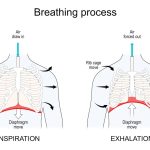
- Ignoring the Diaphragm: Relying on chest and shoulder muscles instead of the powerful diaphragm – the dome-shaped muscle beneath your lungs – results in shallow breaths and limited power.
- Poor Posture: Slouching or tensing restricts lung expansion and inhibits diaphragmatic movement, robbing your voice of its natural resonance.
- Inconsistent Breath Rhythm: Erratic inhalation and exhalation, or running out of breath too soon, sabotages phrasing and vocal stamina.
Mastering your breathing and voice allows for precise vocal control, a wider dynamic range, improved pitch accuracy, and the stamina to sustain challenging performances. It also paves the way for advanced techniques like vibrato and tremolo, all while protecting your delicate vocal cords from the stress of inadequate support.
Diagnostic Check: Are You Breathing Right?
Before diving into exercises, it’s crucial to understand your current breathing habits.
The Hand Test:
- Stand or sit comfortably with your shoulders relaxed.
- Place one hand on your chest and the other on your abdomen, just above your navel.
- Take a slow, deep breath, as if you’re trying to fill your belly.
- Observe which hand moves more.
- If your chest hand rises significantly, or your shoulders lift: You’re likely engaging in shallow, upper-chest breathing. This indicates unwanted tension in your upper body, which restricts vocal freedom.
- If your abdominal hand moves outwards and your ribs expand laterally, while your chest and shoulders remain relatively still: Congratulations! You’re engaging your diaphragm, indicating a more efficient and supportive breathing pattern for singing.
This simple test provides immediate feedback, helping you identify areas for improvement.
Your Breathwork Playbook: Essential Exercises for Vocal Control
These exercises are designed to retrain your body for optimal vocal breathing. Consistent practice is key.
1. The Posture Power-Up
How to do it:
Stand tall but relaxed. Your feet should be shoulder-width apart, with your weight slightly forward on the balls of your feet. Let your shoulders gently roll back and down. Keep your joints flexible – a slight bend in the knees, and your head balanced, chin parallel to the floor. Imagine a string pulling you gently from the crown of your head, lengthening your spine. Your chest should feel naturally lifted, not puffed out.
Why it helps:
Optimal posture creates maximum space in your torso for full lung expansion, allowing you to sustain notes longer. It facilitates comfortable diaphragmatic breathing by removing physical restrictions and tension, enhancing airflow and resonance.
2. Diaphragmatic Breathing: The Singer’s Core
How to do it:
Start with your posture honed. Place one hand on your abdomen, fingers just above your navel. Inhale deeply through your nose, feeling your stomach expand outwards, not upwards. Your chest and shoulders should remain still. Exhale slowly through your mouth, letting your stomach gently contract. Repeat 10-15 times.
- Pro-tip: For a more tangible feel, try lying on your back with a light book on your stomach. As you inhale, the book should rise. As you exhale, control its descent for 5-10 seconds. This visual feedback helps you connect with your diaphragm.
Why it helps:
This exercise directly strengthens and develops control over your diaphragm, which is crucial for delivering a steady, supported vocal tone. It ensures you’re using your full lung capacity for sustained vocal power.
3. The Slow Inhale & Steady Exhale
How to do it:
Inhale deeply through your nose for a count of 4. Hold your breath gently for a count of 2. Then, exhale slowly through slightly parted lips for a count of 6. As you exhale, focus on a consistent, even release of air. As you progress, try to extend the exhalation to 8 or even 10 counts, feeling your ribs maintain their outward expansion for as long as possible before slowly relaxing.
Why it helps:
This drill teaches precise air release, which is vital for maintaining steady pitch and preventing notes from wavering. It builds vocal stamina, allowing you to navigate longer phrases with confidence.
4. The Hissing (“Sss” or “Shhh”) Drill
How to do it:
Take a deep diaphragmatic breath. Now, exhale with a long, consistent “sss” sound (like a snake) or “shhh” sound (like quieting a crowd). The goal is to produce an even, steady hiss for as long as possible. Place a hand on your abdomen to feel the engagement as you inhale and the controlled release during the hiss. Keep your teeth slightly together, using your tongue to regulate the airflow for a smooth, unwavering sound.
Why it helps:
This exercise is excellent for regulating subglottic pressure – the pressure below your vocal folds that influences volume and sustain. It immediately highlights any leaks in your airflow and strengthens the diaphragm and abdominal muscles, providing robust breath support.
5. Silent Inhalation: Effortless Air
How to do it:
Breathe in through your mouth, imagining you are about to yawn. Your throat should feel relaxed and open, allowing air to enter silently and effortlessly. Feel a cool sensation at the back of your throat. Crucially, only your abdomen should expand, not your chest or shoulders.
Why it helps:
By eliminating tension in the neck and throat during inhalation, you prepare your vocal apparatus for clearer, more resonant tones. This natural, unforced intake is ideal for quick breaths between phrases in a song.
6. Straw Phonation (SOVT Training)
How to do it:
Grab a drinking straw. Place one end in your mouth and hum or sing a simple melody (e.g., a siren slide or a simple scale) through the straw for 30-60 seconds. You can vary the straw’s diameter or even try singing into a straw submerged in water for increased resistance.
Why it helps:
Straw phonation creates “back-pressure” above your vocal folds. This pressure naturally encourages more efficient vocal fold vibration with less effort, helping to correct airflow and train your breath to support your voice effectively. It’s a fantastic way to gently warm up and cool down the voice while promoting optimal vocal cord closure.
7. The Sigh Exercise: Releasing Tension
How to do it:
Take a full, deep breath. Then, simply let the air escape naturally with an audible sigh on an “ah” sound. Don’t try to form the sound or push it out; just let it go. Allow your shoulders to drop and your body to relax fully as the air leaves.
Why it helps:
This exercise is a powerful tension release, particularly for the throat and jaw. It helps you recognize and let go of excessive effort in your upper body, promoting a more free and resonant sound.
8. Four-Corner Breath: Full Rib Expansion
How to do it:
Imagine your rib cage as a box with four distinct corners: upper right, upper left, lower right, and lower left. As you inhale, consciously try to expand each “corner” of this imaginary box evenly. Focus on feeling your ribs move outwards, not just your belly forward.
Why it helps:
Many singers neglect full lateral and posterior rib expansion. This exercise helps draw air into often-overlooked areas of the rib cage, encouraging more even and complete lung expansion for superior breath support.
9. Panting Exercise: Agile Diaphragm
How to do it:
Pant quickly and lightly, like a small dog, for 5-10 seconds. Focus on short, rapid inhalations and exhalations, keeping your shoulders down and your neck relaxed. Stop immediately if you feel dizzy.
Why it helps:
Panting rapidly engages the diaphragm, building agility and responsiveness. This is invaluable for quickly taking short breaths during fast phrases or vocal runs, helping you maintain energy and drive.
10. Sustain and Release
How to do it:
Hum a soft “mmm” sound for 5-10 seconds, feeling the vibrations on your lips and face (forward placement). Then, smoothly open your mouth into an open vowel, like “ah” (as in “father”), without changing the airflow or the feeling of resonance. Place two fingers lightly on your nose; a consistent hum indicates stable support.
Why it helps:
This exercise trains you to maintain a steady, supported airflow as you transition between different sounds, preventing pitch wobbles and ensuring a consistent vocal quality.
11. One-Breath Challenge
How to do it:
Choose a simple melody or a short phrase from a song. Sing it entirely on one breath, focusing on controlled release. As your breath control improves, gradually try to tackle slightly longer or more complex lines within that single breath. Record yourself weekly to track your progress and hear improvements in phrasing and sustain.
Why it helps:
This challenge directly trains breath management, helping you understand how to ration your air for phrasing and develop unwavering focus during performance. It’s a practical application of all the isolated breathing drills.
Beyond Basics: Advanced Techniques for Vocal Mastery
Once you’ve established strong foundational breathing habits, these techniques integrate breath with more complex vocal demands.
- Messa di Voce: This classic exercise involves sustaining a single note and smoothly building its volume from pianissimo (very soft) to fortissimo (very loud), then returning to pianissimo, all while maintaining consistent pitch and tone. It’s a masterclass in subglottic pressure control – the sophisticated management of air pressure below your vocal folds that defines the subtle power and finesse in your voice.
- Staccato Practice: Sing short, detached notes on a vowel like “ee,” with a quick, controlled burst of air for each note. This develops vocal agility and precision, ensuring that each note has a clean attack and release, driven by precise diaphragmatic engagement.
- The Lip Trill (Lip Bubble): Blow air through relaxed lips, creating a “brrrrr” sound, while adding pitch and sliding up and down your vocal range. This coordinates breath and voice, relaxing the vocal mechanism and ensuring a free flow of air.
- The Slide (Siren): Smoothly glide your voice from your lowest comfortable note to your highest, and back down, on a consistent vowel like “oo” or “ee.” This helps to smooth the transitions between your chest voice and head voice, encouraging a seamless vocal line supported by a continuous breath stream.
- Mmm-Ah Exercise: Begin with a gentle “Mmm” hum, focusing on the buzzing sensation on your lips and face (forward resonance). Then, smoothly open your mouth into an “Ah” vowel (as in “father”), ensuring the same resonant feeling remains. This exercise trains you to maintain forward vocal placement and resonance, preventing the voice from pulling back into the throat, all while sustained by your breath.
For those looking to deepen their understanding of how these foundational exercises fit into a broader training regimen, you might find more comprehensive strategies in our guide: Boost your voice with breathing exercises.
Navigating Pitfalls: What to Avoid for Healthy Breath Management
Just as there are best practices, there are common mistakes that can hinder your progress and even damage your voice.
- Forcing Loudness: Never push or strain to sing louder. True volume comes from efficient diaphragmatic support and resonance, not brute force from the throat. If you’re forcing, redirect your focus to your core breath control.
- Ignoring Hoarseness or Vocal Fatigue: Your voice is your instrument’s warning system. If your voice breaks, feels hoarse, or tires quickly, it’s a sign that your technique needs adjustment. Pushing through pain can lead to serious vocal injuries like nodules or polyps.
- Shouting Instead of Supporting: Shouting is the enemy of good vocal technique. Instead of yelling to project, lean into your diaphragm. A well-supported voice, even if soft, will carry further and with more clarity than a forced, unsupported yell.
Expanding Your Vocal Range Safely:
Increasing your vocal range, particularly hitting those coveted high notes or resonant lows, is a marathon, not a sprint. It demands consistent, gentle practice over weeks or months. Always prioritize proper technique. Exercises like lip trills and siren slides gently encourage your vocal folds to stretch and contract. If you feel any pain or discomfort, stop immediately. Patience and persistence are your greatest allies.
Quick Answers: Common Questions on Breathing and Voice
Q: How often should I practice breathing exercises?
A: Ideally, incorporate them into your daily vocal warm-up, for about 10-20 minutes. Consistency is more important than long, infrequent sessions. Think of it like brushing your teeth for your voice.
Q: Can I do breathing exercises without singing?
A: Absolutely! Many of the foundational exercises (diaphragmatic breathing, hiss drills, slow inhales/exhales) can be practiced anywhere, anytime, building the muscle memory necessary for when you do sing.
Q: Why do my shoulders still lift when I try to breathe diaphragmatically?
A: This is a common habit. It often stems from ingrained tension or trying too hard. Focus on relaxing your upper body completely. Lying down for diaphragmatic breathing can help, as gravity assists in keeping your shoulders relaxed. Visualizing your belly as a balloon expanding can also be helpful.
Q: What is “Appoggio” and how does it relate to breathing?
A: Appoggio is an Italian term meaning “to lean” or “to support.” In singing, it refers to the coordinated balance of breath pressure and vocal fold resistance. It’s not just about taking a big breath, but about maintaining a consistent, controlled pressure from the diaphragm and abdominal muscles against the vocal folds as you sing, allowing for a sustained and resonant sound without strain. Essentially, it’s the art of leaning your voice on your breath support.
Q: How long does it take to see improvement?
A: You might notice small improvements in stamina and control within a few weeks. Significant, lasting changes in vocal quality and range typically take several months of consistent, dedicated practice. Every voice is unique, so avoid comparing your progress to others.
Your Actionable Plan: Breathing for Vocal Brilliance
Mastering breathing and voice is a journey, not a destination. It’s the most powerful tool you have for unlocking your full vocal potential, protecting your instrument, and delivering performances that truly connect. Start small, be consistent, and listen to your body.
- Daily Diagnosis: Begin each practice session with the “Hand Test” to re-center your breathing and check for upper body tension.
- Core Foundation First: Prioritize “The Posture Power-Up” and “Diaphragmatic Breathing.” These are non-negotiable building blocks.
- Build Stamina: Integrate “Slow Inhale & Steady Exhale” and the “Hissing Drill” to develop unwavering breath control for longer phrases.
- Practice Smart, Not Hard: Remember the techniques to avoid – no forcing, no ignoring pain. Your voice thrives on gentle, consistent engagement, not strain.
- Record and Reflect: Use the “One-Breath Challenge” to objectively track your progress and refine your breath management in real-time singing scenarios.
By committing to these fundamental practices, you’ll not only enhance your vocal control and stamina but also deepen your artistic expression, allowing your voice to resonate with power, beauty, and authentic emotion. Your voice deserves to be heard, and with a strong foundation in breathing, it will be.

- Daily Voice Workout To Improve Your Vocal Quality And Stamina - April 12, 2026
- Mastering Breathing and Voice Boosts Your Singing Control and Stamina - April 11, 2026
- Choir Breathing Exercises Enhance Vocal Support and Choral Blend - April 10, 2026