Mastering the mechanics of breathing during singing isn’t just a suggestion; it’s the bedrock of vocal artistry. It’s what transforms a tentative melody into a soaring declaration, endowing your voice with power, control, and an undeniable presence. Without a deep understanding and conscious application of proper breathing, even the most talented voices can falter, struggling with pitch, stamina, and tone. This isn’t about simply taking air in; it’s about harnessing a controlled, steady airflow that acts as the very engine of your vocal instrument.
At a Glance: Key Takeaways for Breathing During Singing
- Diaphragmatic Breathing is Your Foundation: Discover why deep “belly breathing” is the only sustainable way to power your voice and protect your cords.
- Master Airflow, Not Just Air Intake: Learn techniques to control the release of air, crucial for sustaining notes and dynamic control.
- Avoid Common Pitfalls: Identify and correct habits like shoulder lifting, holding too much air, or forcing exhalation that hinder your vocal performance.
- Tailor Your Breath: Understand how to adjust breathing for specific challenges, from hitting high notes to singing long phrases in a choir.
- Implement a Daily Routine: Get a simple, effective 5-10 minute practice plan to integrate these techniques into your vocal journey immediately.
Why Singing Demands a Different Kind of Breath
Unlike everyday speaking, singing places extraordinary demands on your respiratory system. It requires a sustained, consistent flow of air, not just a quick intake and release. Think of your voice as a finely tuned wind instrument: the air is the fuel, and its steady, controlled delivery determines the quality, stability, and longevity of the sound. This controlled delivery is what allows you to maintain pitch accuracy, sustain those long, beautiful notes, project with power and clarity, and achieve a richer, more nuanced tone. Without it, your voice becomes strained, breathy, or simply runs out of gas mid-phrase.
Diaphragmatic Breathing: Your Vocal Engine’s Blueprint
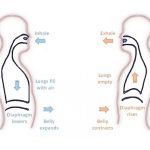
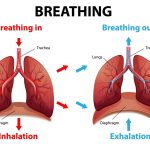
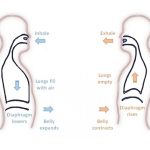
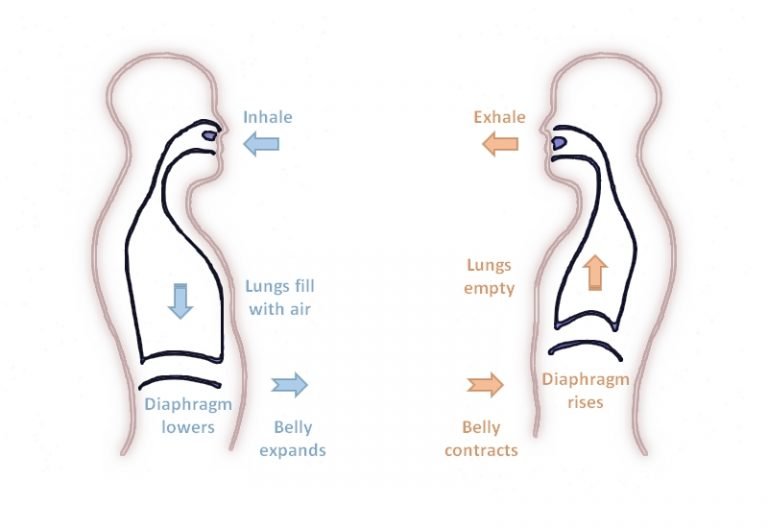
The “gold standard” for singers is diaphragmatic breathing, often called “belly breathing.” This method utilizes your diaphragm – a powerful, dome-shaped muscle situated just below your lungs – to its full potential. When you inhale diaphragmatically, this muscle contracts and moves downward, creating more space in your chest cavity. This action draws air deep into the lower lobes of your lungs, causing your abdomen to expand outwards. It’s a natural, efficient way to take in a substantial amount of air without engaging superficial muscles that cause tension.
During exhalation, the magic of diaphragmatic breathing truly shines. Instead of simply letting air escape, you learn to control the slow, steady release of the diaphragm. This controlled action provides a consistent, unwavering airstream that powers your vocal cords, enabling smooth transitions, sustained notes, and dynamic control. It’s the opposite of shallow, clavicular (shoulder-lifting) or even mid-chest (thoracic) breathing, which offer limited support and inevitably lead to tension in the throat, shoulders, and jaw – all detrimental to a singer’s voice. To truly master the foundational elements of this vital skill and explore a wider range of exercises, delve into our comprehensive guide: Vocal Breathing Exercises for Singers.
Common Breathing Mistakes That Hold Singers Back
Even with good intentions, singers often fall into patterns that sabotage their breath support. Recognizing these common pitfalls is the first step toward correcting them:
- Shoulder Lifting: When your shoulders rise with each inhale, it’s a clear sign of shallow chest breathing. This creates tension in the neck and throat, restricting airflow and making sustained singing nearly impossible.
- Holding Too Much Air: Overfilling your lungs can lead to stiffness and an inability to release air smoothly. It’s like trying to sing with a tightly inflated balloon – you lose control and risk vocal strain.
- Overexhaling Too Quickly: Blasting out air or releasing it rapidly results in a breathy, weak, or uncontrolled tone. It means you’ve lost the steady power source your voice needs.
- Ignoring Posture: A slumped posture or collapsed chest significantly limits lung capacity and diaphragm movement. Good breathing starts with good alignment.
- Pushing Air with the Throat: Instead of using your diaphragm and core, some singers try to “push” air out with their throat or neck muscles. This is a direct path to vocal strain, fatigue, and potential injury.
- Breathing Loudly: Noisy inhalations indicate tension and an inefficient intake of air. A quiet, relaxed breath is key for vocal ease and seamless phrasing.
The goal isn’t just to breathe, but to breathe intelligently and economically. Proper breathing for singing is about balance, control, and a relaxed, efficient airflow, not about taking in the biggest breath possible or forcing air out with brute strength.
Foundational Breathing Techniques for Singers
Let’s transform theoretical knowledge into practical skills with these core exercises. Remember, consistency is key – practice these daily.
1. Diaphragmatic Breathing Basics (Belly Breathing)
This is where it all begins. It’s about building muscle memory for deep, efficient breathing.
- The Setup: Lie on your back on a flat surface, with one hand resting on your chest and the other on your belly button area.
- The Inhale: Slowly inhale through your nose. Focus on making your bottom hand rise as your abdomen expands outwards. Crucially, your top hand (on your chest) should remain relatively still.
- The Exhale: Exhale slowly and gently through your mouth, making a soft “sss” sound. Feel your abdomen contract gently as the air leaves. Keep your shoulders relaxed throughout.
- Why It Works: This exercise directly engages your diaphragm, training it to descend and draw air into the deepest parts of your lungs. Daily practice for 5-10 minutes builds the foundational muscle memory for proper breath support.
2. Rib Expansion Breathing (Intercostal Breathing)
While the diaphragm is the primary mover, your ribs also play a crucial role in sustained support. This technique complements diaphragmatic breathing by focusing on lateral rib expansion.
- The Setup: Stand or sit tall with good posture. Place your hands on the sides of your lower rib cage, fingers pointing forward.
- The Inhale: Take a deep diaphragmatic breath, but consciously encourage your ribs to expand outwards, pressing against your hands. Feel them widen, not just your belly distend.
- The Hold & Release: As you sing (or exhale on an “sss”), try to maintain that feeling of rib expansion gently, letting the air out slowly without letting your chest collapse immediately.
- Why It Works: This ensures your entire lung capacity is utilized and provides a broad, stable “shelf” of support, preventing the chest from collapsing and cutting off airflow too soon.
3. Controlled Exhalation (Steady Airflow / Hissing Exercise)
Taking a breath is only half the battle; managing its release is where true vocal control resides.
- The Setup: Take a full, deep diaphragmatic breath.
- The Exercise: Exhale on a long, steady “sss” sound. The goal is to make the sound utterly consistent, without wavering, getting louder, softer, or cutting out. Aim for a quiet, focused hiss.
- Progression: Start by aiming for 10-15 seconds, gradually extending to 30 seconds or more.
- Why It Works: This drill directly trains your diaphragm and core muscles to control the rate of air release, essential for sustaining long notes and maintaining a consistent vocal tone. It builds breath stamina and precision.
4. Silent Inhalation (Quick, Quiet Breaths)
For seamless phrasing and avoiding tension, a quiet, efficient breath is paramount.
- The Setup: Stand or sit relaxed, throat open.
- The Exercise: Practice inhaling quickly and silently through your mouth, as if you’re surprised or beginning a yawn. Let the air “fall in” naturally, without making a sucking sound or lifting your shoulders. Keep your jaw loose.
- Why It Works: This technique reduces tension in the throat and jaw, allowing for quicker, more relaxed breaths between phrases, preventing unwanted noise in recordings, and improving overall vocal ease.
5. Singing on One Breath / One-Breath Challenge
This exercise integrates breath control directly into singing.
- The Setup: Choose a comfortable note or a simple vocal phrase.
- The Exercise: Take a full diaphragmatic breath, then sing the note or phrase for as long as possible, focusing on a steady, even tone and consistent airflow. Avoid any wobbling or fading.
- Progression: Gradually increase the length or complexity of the phrase. You can also try singing full scales or arpeggios on a single breath, starting with 5-note scales and building up.
- Why It Works: This is a direct application of breath management to singing, building stamina and demonstrating where your breath support needs refinement for actual vocal performance.
6. The “Four Corners” Breath
To ensure you’re using your full lung capacity, visualize your rib cage in a new way.
- The Setup: Sit or stand comfortably.
- The Visualization: Imagine your rib cage as a box. As you inhale, consciously try to expand each of its “four corners” – upper right, upper left, lower right, lower left – evenly.
- Why It Works: This helps you draw air into all areas of your ribs for better, more even support and a larger, more stable reservoir of air. It prevents collapsing into just belly breathing.
7. The Sustain and Release Drill
This helps maintain steady airflow when transitioning between voiced and unvoiced sounds.
- The Setup: Take a comfortable diaphragmatic breath.
- The Exercise: Hum a gentle “mmm” sound for 5-10 seconds, maintaining a consistent pitch and volume. Then, without changing your airflow or letting your support drop, smoothly release into an open vowel like “ah.”
- Why It Works: This teaches you to transition smoothly from one vocal state to another without losing the foundational breath support, preventing a shaky or unstable tone during complex vocal passages.
Applying Breathing Techniques to Specific Vocal Demands
Breathing isn’t one-size-fits-all; different singing situations require nuanced breath management.
High Notes: Less Air, More Control
Hitting high notes often feels like it requires a huge push, but the opposite is true. High notes require less air volume but much greater airflow control and speed.
- The Approach: Take a deep, relaxed diaphragmatic breath, but engage your core muscles more firmly. Maintain your rib expansion as you ascend.
- Key Principle: Imagine a slow, focused stream of air, not a blast. Keep your throat open and relaxed, avoiding any sense of “pushing” with your neck or jaw. The support comes from below, from your diaphragm and engaged core, not from tension in your upper body.
Building Vocal Stamina
Long phrases, entire songs, and demanding pieces challenge your breath stamina.
- Pacing Your Breath: Learn to divide long phrases into smaller, manageable sections, taking quick, silent breaths where musically appropriate.
- Full Song Practice: Regularly sing full songs, focusing on minimizing breath breaks and maintaining consistent support from start to finish. Identify sections where your breath falters and target those areas with specific exercises.
- Daily Warm-ups: Integrate breath exercises into your daily vocal warm-up routine. Consistent, short bursts of practice are more effective than infrequent, long sessions.
Breathing for Vocal Health
Proper breath support is your vocal cords’ best friend. It provides the balanced airflow they need to vibrate freely and efficiently.
- Avoid Strain: Too much air pressure or “blasting” air out can cause vocal cord fatigue, hoarseness, and even injury over time.
- Prevent Breathiness: Too little support results in a breathy, unstable, and weak tone, forcing your vocal cords to work harder to produce sound.
- Balanced Airflow: The sweet spot is balanced airflow – enough pressure to set the cords into resonant vibration without excess force. This leads to a strong, clear, and healthy voice that can sing for longer periods without fatigue.
Synchronized Choir Breathing
Singing in a choir adds a layer of collective breathing strategy.
- Group Inhalations: Practice taking synchronized breaths with your section or the entire choir, following conductor cues, to ensure a unified sound at the start of phrases.
- Staggered Breathing: For very long sustained chords or phrases, choirs often employ staggered breathing. Each singer takes a breath at a slightly different, inconspicuous moment, creating the illusion of a seamless, unending sound. This requires excellent listening and timing.
The Power of Posture
Posture isn’t just about looking good; it’s fundamental to optimal breathing and vocal production.
- Alignment is Key: Stand tall with your feet shoulder-width apart, knees soft, and weight evenly distributed. Relax your shoulders down and back, keeping your neck long and loose. Your ribcage should feel open and lifted, not collapsed.
- Open Channels: Good posture ensures that your lungs and diaphragm have maximum space to operate efficiently. It aligns your vocal tract, allowing for better projection, resonance, and longer phrasing without unnecessary tension. A collapsed chest limits lung capacity and makes diaphragmatic engagement difficult.
Your Daily 5-10 Minute Breathing Routine (Beginner’s Guide)
Consistency is the single most important factor for improving your breathing during singing. Dedicate a few minutes each day, and you’ll see remarkable progress.
- Diaphragmatic Breathing (Belly Breathing): 2 minutes
- Lie on your back, hands on chest and belly. Inhale through your nose, expanding your belly; exhale slowly on a gentle “sss.” Focus on keeping your chest still.
- Controlled Exhalation (Hissing Exercise): 2 minutes
- Take a deep diaphragmatic breath, then exhale on a long, steady, quiet “sss” sound. Aim for consistency in volume and airflow.
- Inhale-Exhale Timing Exercise: 2 minutes
- Inhale for 4 counts, hold for 4 counts, exhale for 8 counts. Gradually increase the exhale duration as you improve (e.g., 4-4-12, 4-4-16).
- Singing Scales on One Breath: 2 minutes
- Take a good breath and sing a 5-note scale up and down on a single breath, focusing on even tone and consistent airflow. Repeat with different scales.
- Posture Alignment & Relaxation: 1-2 minutes
- Stand tall, check your alignment (feet, knees, hips, shoulders, head). Consciously relax any tension in your neck, jaw, and shoulders. Take a few deep, quiet diaphragmatic breaths.
Stick with this routine daily, and within weeks, you’ll notice significant improvements: holding long notes without shaking, singing high notes with more ease and less strain, maintaining steady pitch, singing louder without pushing, and overall improved vocal stamina. An added bonus: deep breath work is also an excellent tool for calming pre-performance nerves.
Quick Answers: Common Questions on Breathing for Singers
Should I breathe through my nose or mouth when singing?
Often, it’s a combination of both. For quick breaths between phrases, a silent, relaxed mouth breath (like the start of a yawn) is most efficient. For longer, more preparatory breaths, a nose or combined nose-mouth breath can be quieter and draw air deeper. The key is to be quiet and efficient, choosing whichever allows for the fastest, most relaxed air intake for the musical phrase.
Does breathing from the diaphragm really make a difference?
Absolutely. It’s the single most impactful change a singer can make. Diaphragmatic breathing provides the deep, consistent support necessary for power, control, and stamina, while crucially preventing the upper body tension that can damage vocal cords and restrict vocal range.
How long do I need to practice breathing exercises to see results?
Even 5-10 minutes of focused, consistent practice per day can yield noticeable improvements within a few weeks. Like any muscle, the diaphragm and associated core muscles need regular training to develop strength and coordination.
Can better breathing help me sing higher notes?
Yes, significantly. High notes aren’t about brute force but about precise control of a fast, focused airstream with an open, relaxed throat. Diaphragmatic breathing provides this exact control, allowing you to access higher registers more easily and safely, without straining your vocal cords.
Elevate Your Voice, Breath by Breath
The journey to an exceptional singing voice is deeply intertwined with the mastery of your breath. By actively engaging with these breathing during singing techniques, you’re not just learning exercises; you’re unlocking the true potential of your vocal instrument. Start with the foundational diaphragmatic breathing, integrate the control exercises, and commit to your daily routine. With consistent, mindful practice, you’ll transform your breath from an unconscious necessity into a powerful, reliable ally, allowing your voice to soar with newfound freedom and expression.

- Breathing during Singing Techniques Elevate Your Vocal Performance - March 24, 2026
- How to Improve Lung Capacity for Singing With Breathing Exercises - March 23, 2026
- Breath Control Exercises for Singers Build Vocal Strength and Endurance - March 22, 2026