Singers often chase the perfect note, the soaring high, or the tender whisper, yet many overlook the silent engine powering every sound: their breath. Mastering effective breathing tips for singing isn’t just a recommendation; it’s the bedrock of a powerful, resilient, and expressive voice. Without controlled, supported airflow, your voice is like a car running on fumes – strained, inconsistent, and ultimately, silenced.
This guide dives deep into the practical techniques that transform your breath from an unconscious reflex into a deliberate, vocal powerhouse.
At a Glance
- Foundation First: Understand how proper posture and diaphragmatic breathing unlock your vocal potential.
- Targeted Exercises: Learn specific techniques to improve breath control, stamina, and vocal flexibility.
- Avoid Common Pitfalls: Identify habits that hinder your vocal performance and learn how to correct them.
- Integrate and Practice: Discover how to weave these breathing practices into your daily routine for lasting vocal health.
- Empower Your Voice: Gain the confidence and technique to sustain notes, expand your range, and sing with less strain.
Why Your Breath is the Unsung Hero of Your Voice
Every sound you make when singing begins with air. This air, meticulously controlled, passes through your vocal folds, causing them to vibrate – a process known as phonation. The quality, volume, and stability of your voice are directly proportional to the amount and consistency of this airflow. Singers who truly understand and optimize their breathing can command their vocal range, hit precise notes, sustain long phrases, and effortlessly execute complex techniques like vibrato. Without it, sound is impossible; with it, possibility is boundless.
Unlike the shallow, often unconscious breathing of daily life, which uses only a fraction of your lung capacity, singing demands a conscious, concerted effort. It often requires utilizing up to 50% of your lung capacity, with exhales that are significantly longer and steadier than inhales. Unfortunately, many singers develop inefficient breathing habits: shallow chest breathing, holding breath, or relying on neck and shoulder tension instead of the powerful diaphragm. These habits, often learned or exacerbated by modern lifestyles, restrict airflow, create tension, and ultimately limit vocal power and range. Retraining your respiratory system to depend on the diaphragm is the essential first step to correcting these inefficiencies and developing a truly supported voice. For a broader understanding of how these practices integrate into a comprehensive vocal regimen, explore our pillar article: Boost Your Voice with Breathing.
Building Your Vocal Foundation: Posture and Diaphragm
Before diving into complex exercises, establishing the right physical framework is non-negotiable. Your body is your instrument, and its alignment directly impacts your breath and voice.
Nail Your Posture: The Silent Enabler
Proper posture isn’t about standing stiffly; it’s about creating maximum internal space for your lungs to expand and your diaphragm to move freely. This efficiency directly translates to longer notes, clearer phrasing, and a voice free from unnecessary tension. Think of it as opening the natural channels for your sound.
How to Achieve It:
- Stand Tall, Stay Loose: Stand with your feet comfortably shoulder-width apart, distributing your weight slightly forward into the balls of your feet. Let your body feel relaxed, not rigid.
- Shoulders Back and Down: Gently roll your shoulders back and allow them to drop. This opens your chest cavity and prevents tension from creeping into your neck.
- Flexible Joints: Keep your knees soft, never locked. Your head should feel like it’s floating, with your chin parallel to the ground, avoiding any upward or downward tilt.
- Lift Your Chest: Imagine a string gently pulling your sternum upwards. This high chest position maximizes lung capacity and encourages diaphragmatic breathing.
Actionable Insight: If you feel strain or an ache in your chest, try rotating your shoulders slightly inward to release tension and allow more air. Crucially, avoid slumping; this restricts diaphragm movement and airflow, diminishing your vocal power. Good posture is a habit, not a momentary stance.
Unlock Diaphragmatic Power: The Core of Vocal Support
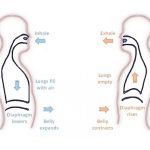
“Singing from the diaphragm” is a phrase often tossed around, but what does it really mean? The diaphragm is a large, dome-shaped muscle sheath situated just below your lungs, separating your chest cavity from your abdominal organs. When you inhale deeply, your diaphragm flattens, pushing down on your abdominal organs and causing your belly to expand outwards. This action allows your lungs to fill completely, providing the deep reservoir of air needed for singing. It’s this controlled flattening and subsequent rise of the diaphragm that provides the “support” for your voice, helping you control air release and sustain notes.
How to Breathe from Your Diaphragm:
- Assume Your Posture: Begin with the correct standing posture you just practiced.
- Hand on Your Belly: Place one hand on your stomach, with your fingers resting over your belly button. This provides immediate tactile feedback.
- Deep Inhale, Belly Out: Inhale slowly and deeply through your nose, focusing intently on making your belly move outwards, not your chest or shoulders upwards. Feel your hand being pushed out by your expanding abdomen.
- Slow Exhale: Exhale slowly through your mouth, letting out a steady stream of air. Feel your belly naturally return inward as the diaphragm relaxes and rises.
- Repeat and Refine: Repeat this 10-15 times, concentrating solely on the outward and inward movement of your abdomen, minimizing any movement in your chest or shoulders.
Actionable Insight: Visualize your diaphragm as a piston, moving down to draw air in and gently up to release it. The key is to avoid engaging unnecessary muscles like your shoulders or upper chest. This exercise is foundational; consistent practice develops the muscular control essential for vocal support.
Prepping Your Instrument: Essential Warm-Ups for Breath and Voice
Just like an athlete wouldn’t sprint without stretching, a singer shouldn’t sing without a proper warm-up. This prepares both your vocal cords and your breathing muscles.
Vocal Cord Warm-Ups: Elasticity and Protection
Warming up isn’t just about sound; it’s about breath efficiency. Gentle vocal exercises improve vocal cord elasticity, clear away excess mucous, and prime your entire respiratory system for efficient singing. Regular warm-ups keep your voice supple and build the stamina in the breathing muscles necessary for controlled air release.
How to Warm Up Effectively:
- Gentle Start: Begin with soft, low-impact techniques like humming or lip trills (blowing air through relaxed lips to make a “brrr” sound). These vibrate the vocal folds gently without strain.
- Gradual Progression: Slowly expand your range, moving up and down the scale with these gentle sounds.
- Targeted Drills: As you warm up, introduce exercises specific to the challenging aspects of the song you’re rehearsing. This could involve focusing on breath control for a sustained phrase or articulation for rapid lyrics.
Actionable Insight: Even a dedicated 20-minute daily warm-up can profoundly impact your vocal health, breath control, and overall performance. Think of it as investing in the longevity and quality of your instrument.
Refining Your Breath: Exercises for Control and Stamina
Once your foundation is solid, you can refine your breath control. These exercises isolate different aspects of breathing, building strength, flexibility, and precision.
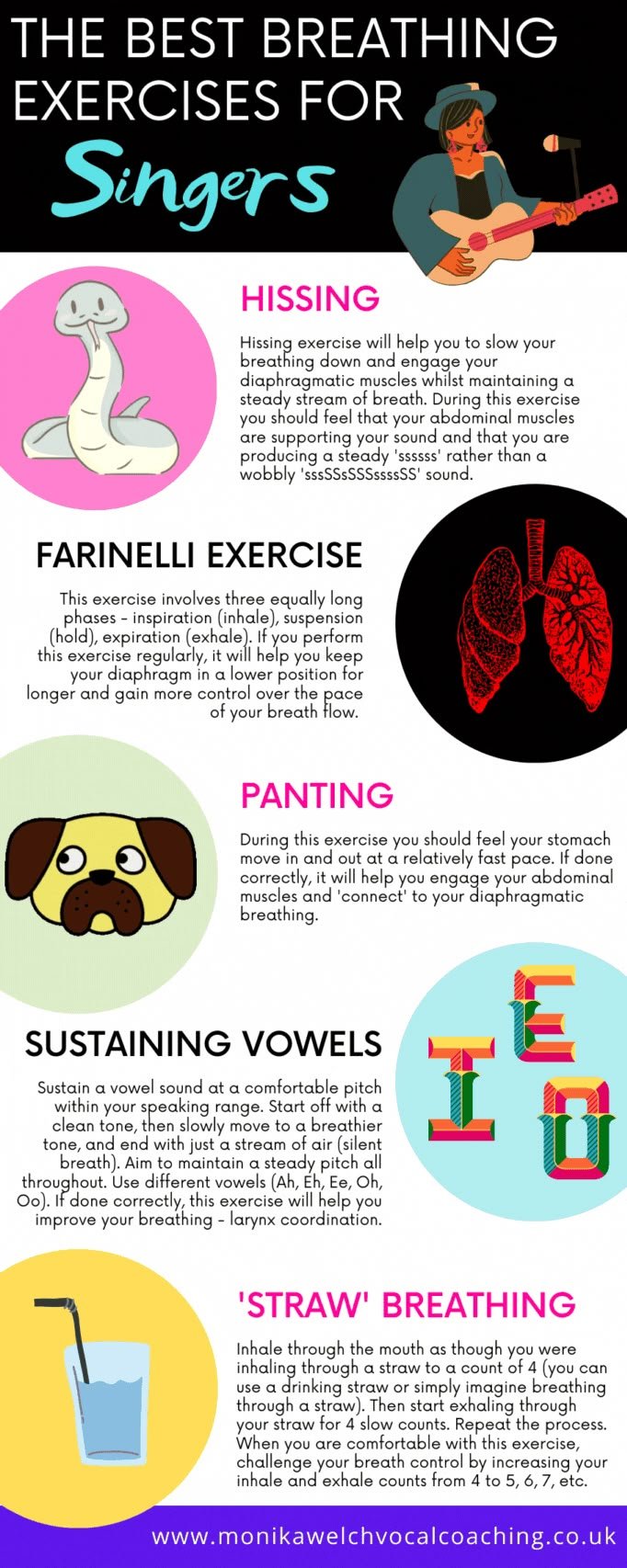
The Hissing Exercise: Mastering Controlled Exhalation
This exercise is a powerhouse for developing steady, controlled air release – crucial for sustained notes and smooth phrasing. The “hiss” removes the distraction of vocal sound, allowing you to focus entirely on the evenness of your breath.
How to Practice the Hiss:
- Relaxed Setup: Sit, stand, or lie down comfortably with proper posture. Place a hand on your stomach for feedback.
- Deep Diaphragmatic Inhale: Slowly breathe in through your nose, filling your lungs completely and feeling your diaphragm flatten and belly expand.
- Controlled Hiss Exhale: Grit your teeth slightly and use your tongue to create a low, consistent “sssssssss” sound as you exhale. The goal is a steady, unwavering stream of air, like air slowly leaking from a tire.
- Use a Metronome: Integrate a metronome (e.g., 80 bpm, 4/4 time) to time your inhales and exhales.
- Inhale for 4 counts; exhale for 4, then 8, then 12, then 16 counts.
- Reduce inhale time: Inhale for 2 counts; exhale for 4, 8, 12, then 16 counts.
- Further reduce: Inhale for 1 count; exhale for 4, 8, 12, then 16 counts.
Actionable Insight: Focus on maintaining the same volume and intensity of the hiss throughout the entire exhale. If you feel lightheaded, take a few normal breaths before continuing. This exercise is a direct route to building abdominal muscle engagement and breath stamina.
Releasing Diaphragm Tension: Finding Your Release
While strong diaphragm engagement is key, constant tension isn’t. Sometimes, the diaphragm can become tense, leading to restricted movement. This exercise helps release that tension.
How to Release Tension:
- Hands and Knees Position: Get onto your hands and knees, allowing your abdomen to hang freely towards the floor.
- Exhale and Pull In: As you exhale fully, consciously pull your belly button in towards your spine, tensing your abdominal muscles to expel all the air.
- Relax and Inhale: Relax your abdomen completely as you inhale, letting it hang freely again.
Actionable Insight: Try to make your inhale slower than your exhale during this exercise. This helps prolong the engagement of the abdominal muscles, promoting a deeper release.
Bouncy Hissing: Flexibility for Dynamic Singing
For songs with faster rhythms, crescendos, or rapidly alternating pitches, your diaphragm needs to be agile. Bouncy hissing helps build this flexibility without straining your voice.
How to Do Bouncy Hissing:
- Proper Posture: Assume your comfortable singing posture (sitting, standing, or lying flat).
- Intermittent “Sss” Sounds: Create high and low “sss” sounds, but instead of a continuous stream, break them up with quick, intermittent “bumps.” You can do this by momentarily clenching your throat (gently!) to block the air, creating a staccato effect.
- Quicken the Bounces: As you exhale, gradually quicken the pace of these “bounces” or intermittent sounds.
Actionable Insight: This exercise teaches your diaphragm to respond quickly to varying demands, allowing for dynamic vocal changes without loss of support.
One-Nostril Breathing: Deeper Inhales, Stronger Core
Shallow chest breathing tires the voice quickly. Slow, deep breathing, by its very nature, demands diaphragmatic engagement. This exercise exaggerates that need.
How to Practice One-Nostril Breathing:
- Standing Position: Stand with your legs slightly apart, relaxed.
- Close One Nostril: Use a finger to gently close one nostril.
- Forced Inhale/Exhale: Inhale deeply and exhale forcibly through the open nostril for a few breaths.
- Switch Sides: Repeat the process, closing the other nostril.
Actionable Insight: This technique forces your body to rely on the diaphragm for a complete breath. With consistent practice, this diaphragmatic engagement will become more natural, even with both nostrils open.
Arms Out Exercise: Training Endurance, Eliminating Chest Breathing
Many singers inadvertently lift their chest and shoulders when breathing, especially when trying to take a “big” breath. This exercise trains your body to resist that upper-body movement, enforcing diaphragmatic breathing.
How to Do the Arms Out Exercise:
- Stand Upright: Stand with correct posture.
- Arms Parallel: Spread your arms out to your sides, parallel to your shoulders, as if holding an invisible tray.
- Slow Diaphragmatic Breaths: Take slow, deep breaths, consciously noticing that with your arms extended, it’s difficult to lift your chest and shoulders. This forces your diaphragm to do the work.
Actionable Insight: For an added challenge and to build endurance, carefully lift light items (like small hand weights or even paperback books) while keeping your arms extended. Maintain a straight back and focus on slow, correct diaphragmatic breathing.
The Lay Flat Exercise: Instant Diaphragm Feedback
Especially beneficial for beginners, lying flat removes the gravitational challenges of standing, making it easier to isolate diaphragmatic movement.
How to Do the Lay Flat Exercise:
- Lie on Your Back: Lie flat on your back, knees slightly bent, with your hands resting on your stomach.
- Sing and Observe: Sing a simple melody or practice some scales, focusing on your stomach. Observe how your hands rise with each inhale as your stomach expands, indicating proper diaphragm engagement.
Actionable Insight: This position provides clear, undeniable feedback. If your chest is moving more than your stomach, you’re relying on chest breathing and need to refocus on abdominal expansion.
Yoga Breathing for Singers: Full Lung Capacity
Drawing from ancient practices, yoga breathing techniques systematically train you to utilize your full lung capacity, improving breath control and overall respiratory health.
How to Practice Yoga Breathing:
- Comfortable Position: Sit or stand comfortably with your eyes closed, focusing inward.
- Gradual Inhale and Hold:
- Inhale slowly through your nose, filling your lungs to about 25% capacity. Hold for 6-12 seconds.
- Inhale further to 50% capacity. Hold for 6-12 seconds.
- Inhale further to 75% capacity. Hold for 6-12 seconds.
- Inhale to 100% capacity. Hold for 6-12 seconds.
- Slow Exhale: Exhale slowly and completely through your mouth.
- Repeat: Take a few normal breaths, then repeat the entire process.
Actionable Insight: This controlled, segmented breathing enhances lung capacity, increases breath awareness, and improves your ability to sustain long vocal phrases.
Snatched Breaths: Rapid Inhale, Controlled Release
Singing often requires quick, silent breaths between phrases. This exercise trains your ability to inhale rapidly yet without tension, and then control the subsequent long release.
How to Practice Snatched Breaths:
- Gradual Inhale: Gradually breathe in, “snatching” small fractions of air, until your lungs are full (e.g., a 4-count full inhale).
- Slow Release: Slowly release the breath over a much longer count (e.g., from count 5 to 12 or even longer).
Actionable Insight: Repeat this exercise, challenging yourself to hold the full breath one count longer each time before beginning the slow release. This builds both rapid inhalation capability and extended breath support.
The Feather Exercise: Visualizing Consistent Airflow
One of the challenges of singing high notes or slow, sustained phrases is maintaining consistent airflow. This visual exercise makes that concept tangible.
How to Do the Feather Exercise:
- Find a Feather: Obtain a light feather (or a small piece of tissue paper).
- Steady Exhale: Blow the feather upward or around the room, focusing on maintaining a long, steady stream of airflow to keep it airborne.
- Observe Your Body: As you do this, notice the engagement of your abdominal muscles and diaphragm. Pay attention to how your abdomen returns to normal on the exhale while your chest remains steady.
Actionable Insight: The feather immediately tells you if your breath stream is inconsistent or running out. It’s a fantastic real-time feedback tool for developing smooth, unwavering breath support for those demanding vocal lines.
Yawning for Vocal Relaxation and Diaphragm Stretch
A genuine yawn is one of the most natural ways to open your throat, relax vocal muscles, and engage your diaphragm deeply. It’s a powerful exercise for improving voice quality and learning proper breathing.
How to Incorporate Yawning:
- Tall and Relaxed: Stand tall with proper posture, completely relaxed.
- Slow Breath Focus: Breathe in and out slowly, consciously focusing on the process. Feel your abs and ribs expand.
- Deliberate Yawn: Initiate a deep, luxurious yawn, really stretching your face and mouth muscles. Keep your chin level, minimizing any unnecessary head, neck, or shoulder movement.
Actionable Insight: Practice this in front of a mirror to observe your body. Alternatively, lie flat and place a light book on your abdomen; watch the book rise and fall significantly during your yawns to confirm diaphragmatic engagement.
Straw Phonation: Focused Breath and Vocal Resonance
Singing through a straw is a highly effective way to train breath concentration, maintain a relaxed facial and body posture, and enhance vocal resonance. It creates a semi-occluded vocal tract (SOVT), which is incredibly beneficial for vocal health and efficiency.
How to Practice Straw Phonation:
- Get a Straw: Use a regular drinking straw. For advanced work, a narrow coffee stirrer straw or a specific SOVT straw can increase resistance.
- Hum Through It: Place the straw in your mouth and hum through it, exhaling a steady stream of air.
- Explore Your Range: Start at the bottom of your vocal range and slowly glide up to higher notes, then back down. Try humming an entire song through the straw.
- Listen to Your Breath: Focus on the steadiness of the air pressure. If you feel lightheaded, remove the straw and breathe normally before resuming.
Actionable Insight: For a fun, engaging variation, place the straw into a half-full glass of water. Blow controlled, consistent bubbles into the water while humming. The bubbles provide visual feedback on the steadiness and pressure of your breath stream, immediately telling you if your airflow is even or sporadic.
Practical Playbook: Integrating Breathing into Your Routine
These breathing tips for singing aren’t just isolated exercises; they’re habits to integrate into your daily life. The goal is to make diaphragmatic, controlled breathing second nature, freeing your conscious mind to focus on artistic expression.
- Daily Check-ins: Start your day with 5-10 minutes of diaphragmatic breathing, lying flat or in a comfortable seated position.
- Micro-Practices: Throughout the day, take short “breath breaks.” Notice your posture, place a hand on your belly, and take a few deep, diaphragmatic breaths.
- Warm-up Essential: Never sing without a dedicated breathing and vocal warm-up. This is non-negotiable for vocal health and performance.
Breathing Control Techniques: The essence of vocal control lies in regulating the air with your diaphragm and abdomen. As you exhale to sing, your diaphragm gently pushes against your lungs, your abdominal wall pushes inward, and your lower ribs and diaphragm push upwards. This coordinated muscular effort provides the power for pitch jumps, fast vocal runs, and even the most delicate quiet singing. - Tighten the Abdomen: Keep your abdomen engaged and firm during exhalation. This isn’t about sucking in, but maintaining a controlled, muscular “hug” around your core.
- Relax the Throat: Crucially, keep your throat and jaw relaxed. Tension here chokes airflow and quality. All effort should be in the abdominal area.
- Use Air, Not Neck: For top notes, don’t strain your neck muscles. Instead, push more air out with your abdomen. The breath support is what drives the pitch, not throat constriction.
- Visualize Inhalation: Inhale quietly and quickly, feeling the weight of the air “fall” near your belly button. Imagine heavy air rapidly filling your lungs from the bottom up. Don’t worry if you yawn – it just means you’re breathing deeper!
What NOT to Do: Avoiding Vocal Strain and Bad Habits
Just as important as knowing what to do, is understanding what to avoid. These common pitfalls can quickly derail your vocal progress and lead to strain.
- Straining to Sing Louder: Many singers mistakenly believe that to sing louder, they must push harder from their throat or neck. This is a fast track to vocal fatigue and damage. Instead, mentally focus on increasing the controlled pressure from your diaphragm and abdomen. A voice strained from the throat quickly loses its potency and beautiful tone.
- Ignoring Gravelly or Croaky Sounds: These “breaks” in your voice are not just minor imperfections; they are clear signals that your technique needs adjustment. They often indicate insufficient breath support or excessive throat tension. Instead of powering through them, pause, reassess your breathing and posture, and find a healthier balance. Be conscious of your sound quality at all times.
- Yelling the Sound: Forcing or yelling a sound with brute force bypasses natural vocal resonance and relies on harmful tension. True vocal power comes from reclaiming diaphragm control and allowing your voice to resonate freely, supported by a steady column of air. Embrace natural resonance by focusing on a free, supported sound rather than a forced one.
Quick Answers: Your Breathing Questions, Answered
How quickly can I improve my singing breathing?
You can start feeling differences in breath awareness and control within days of consistent practice. Significant improvements in stamina and vocal support, however, typically take weeks to months of dedicated, daily effort. Like any muscle training, consistency is key.
Is it okay if I feel lightheaded during breathing exercises?
Mild lightheadedness can occur, especially when first starting, as your body adjusts to increased oxygen intake and deeper breathing. If it happens, pause, take a few normal breaths, and resume when comfortable. Never push through severe dizziness. It’s a sign to slow down.
Can I really “sing from my diaphragm”?
Yes, but it’s more accurate to say you support your singing with your diaphragm. The diaphragm itself doesn’t “sing”; it’s the muscle that controls the air pressure that powers your vocal cords. When people say “sing from your diaphragm,” they mean engaging this muscle for deep, controlled breath support rather than relying on shallow chest breathing.
What’s the biggest mistake singers make with breathing?
The most common and detrimental mistake is relying on shallow, upper-chest breathing instead of engaging the diaphragm. This leads to insufficient air, vocal strain, limited range, and a lack of power, often manifesting as tension in the neck, jaw, and shoulders.
Your Next Steps to a Powerful Voice
The journey to a truly powerful and sustainable singing voice is intrinsically linked to mastering your breath. These breathing tips for singing are not just exercises; they are a pathway to deeper vocal freedom and expression. Begin by making proper posture a constant companion and consciously engaging your diaphragm in all your breathing, both in practice and in daily life.
Integrate these exercises step-by-step, focusing on one or two at a time until they become second nature. Listen to your body, celebrate small victories in breath control, and consistently return to these foundational principles. Your voice is a magnificent instrument, and with dedicated breathwork, you’ll unlock its full, resonant potential, singing with greater ease, stamina, and artistic integrity than ever before.

- Breathing Tips for Singing to Power Your Vocal Performance - April 2, 2026
- Vocal Breathing Techniques Improve Control and Stamina for Singers - April 1, 2026
- Vocal Diaphragm Exercises Essential for Stronger Singing Performance - March 31, 2026