Ever feel like you’re hitting a ceiling with your vocal power, running out of breath on sustained notes, or perhaps even straining to reach those high notes? The secret to unlocking a truly commanding voice often lies not in pushing harder, but in breathing smarter. Diaphragm singing exercises are the cornerstone of this vocal transformation, shifting your support from shallow, strained breathing to a deep, resonant foundation that protects your vocal cords and expands your expressive range.
It’s a game-changer for singers at any level. By consciously engaging your diaphragm, you don’t just gain more air; you gain control, stability, and the ability to sustain those soaring melodies that captivate an audience.
At a Glance: What You’ll Master
- The Foundation: Why perfect posture is non-negotiable for efficient breath and vocal health.
- Diaphragmatic Deep Dive: Understanding what your diaphragm is and how to truly “sing from it.”
- Core Exercises: Step-by-step guidance for essential diaphragm-focused drills like “The Inhale,” “The Straw Technique,” “The Exhale,” and “Breathe Deeper.”
- Common Traps: Identifying and correcting typical breathing mistakes that hinder your progress.
- Immediate Application: Practical tips to integrate these exercises into your daily vocal routine for rapid improvement.
Why Your Diaphragm is the Unsung Hero of Your Voice
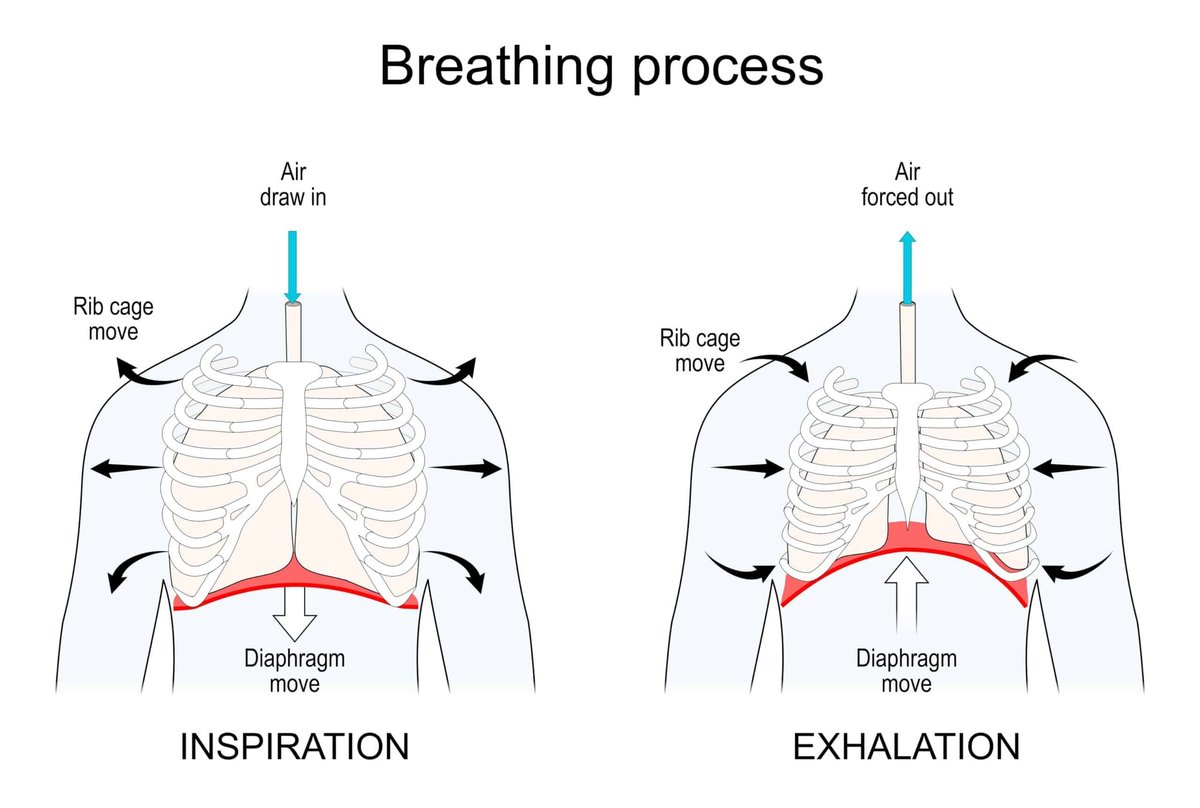
Before we dive into the “how,” let’s clarify the “why.” Your diaphragm is a large, dome-shaped muscle located at the base of your lungs, separating your chest cavity from your abdominal cavity. When you inhale deeply and correctly, your diaphragm flattens, pushing down on your abdominal organs. This makes your belly expand outwards, creating a vacuum that pulls air into the bottom of your lungs, maximizing their capacity.
For singers, this isn’t just about lung capacity; it’s about control. Diaphragmatic breathing allows for a steady, controlled release of air, which is crucial for sustaining notes, maintaining pitch, and adding power without straining your throat. Without proper diaphragm engagement, singers often resort to shallow chest breathing, which leads to tension, limited range, and vocal fatigue. The difference between average and exceptional vocal performance often boils down to how effectively you support your sound from this muscular powerhouse.
Setting the Stage: The Non-Negotiable Power of Posture
No diaphragm exercise will yield its full potential without the right foundation: posture. Think of it as preparing a grand instrument; you wouldn’t play a piano with its lid closed. Proper posture creates the maximum internal space for your lungs to expand, allowing your diaphragm to move freely and your breath to flow unimpeded. Neglecting this foundational step is like trying to drive with the parking brake on.
Perfecting Your Singing Stance
It might seem simple, but conscious posture correction can make a world of difference in a relatively short time. Start by bringing awareness to your body before you even sing a note:
- Stand Tall, Stay Relaxed: Begin with your spine erect, but not stiff. Let your arms hang loosely by your sides.
- Stable Base: Position your feet roughly shoulder-width apart. Distribute your weight evenly, perhaps leaning slightly forward on the balls of your feet.
- Release the Tension: Soften your knees—never lock them. This helps relieve any tension in your lower back.
- Open the Upper Body: Gently shrug your shoulders a few times, then allow them to drop downwards and slightly back. This opens your chest without creating tension.
- Lift Your Gaze: Imagine a book perfectly balanced on your head, keeping your chin parallel to the ground. This aligns your neck and head with your spine.
- Chest Held High: Your chest should feel naturally open and high, without being forced or causing any strain.
Once in position, do a quick self-check: your neck, shoulders, torso, hips, and knees should all feel relaxed, and your weight should be balanced. Making this a daily habit before any vocal practice dramatically enhances your breathing, vocal production, and even your stage presence.
Essential Diaphragm Singing Exercises: Your Breath Control Playbook
Now that your posture is dialed in, let’s get into the practical, hands-on exercises that will train your diaphragm and transform your vocal breath support. These specific diaphragm singing exercises build on each other, moving from awareness to control and ultimately to increased capacity and stamina.
Exercise 1: The Inhale – Discovering Your Diaphragm
This is where you make conscious contact with your diaphragm, understanding how it should feel when engaged. Many beginners mistakenly lift their chest or contract their stomach when inhaling deeply, which prevents the diaphragm from doing its job. This exercise teaches you the correct movement.
The Goal: Consciously engage your diaphragm for deep, belly-expanding inhales.
Your Steps:
- Assume Proper Posture: Stand tall and relaxed, as practiced.
- Hand Placement: Place one hand flat on your stomach, with your middle finger resting just over your belly button.
- Focused Inhale: Take a slow, deep breath in through your nose. Concentrate on making your stomach inflate and push outwards against your hand. You should feel your belly expand. Your shoulders and chest should remain relatively still.
- Gentle Exhale: Slowly exhale through your mouth, letting the air flow out naturally. Notice your belly gently deflate back inwards.
What to Feel: The key here is that outward movement of your belly. If your chest is rising significantly or your stomach is sucking in, you’re not fully engaging your diaphragm. Repeat this for about 5 minutes, maintaining your posture and focusing intently on the belly’s movement. This conscious awareness is the first crucial step to unlocking your full vocal potential.
Exercise 2: The Straw Technique – Building Breath Efficiency
Once you understand diaphragmatic inhalation, the next step is to make your breathing more efficient and controlled. The straw technique is an excellent diaphragm singing exercise for developing a smooth, effortless inhale and a consistent, sustained exhale, which are vital for holding notes.
The Goal: Train for effortless, quiet inhalation and controlled, sustained exhalation, naturally engaging the diaphragm.
Your Steps:
- Grab Your Straw: Find a regular drinking straw, roughly four inches long. Place it gently between your lips.
- Maintain Posture: Ensure your posture is correct. Your shoulders should not raise, and your upper body muscles should stay relaxed.
- Normal Breathing: Breathe normally through the straw for a few cycles, avoiding any forceful sucking.
- Counted Inhale: Inhale slowly and steadily through the straw, counting silently to four. Focus on that familiar belly expansion.
- Counted Exhale: Exhale through the straw with the same steady pressure, counting to four.
- Repeat and Lengthen: Repeat steps 4 and 5 for about 5 complete breath cycles. As you feel more comfortable, gradually increase both your inhale and exhale times to 5 seconds, then potentially longer, while maintaining steady airflow.
Outcome: You’ll notice how the straw forces you to take a more controlled breath. This drill helps eliminate gasping for air and builds the crucial internal muscle memory for sustained notes, significantly increasing their length and stability.
For more foundational exercises that support overall vocal health and breath management, you might find it helpful to explore a broader range of techniques. You can Boost your voice with breathing exercises that cover various aspects of vocal support and control.
Exercise 3: The Exhale – Protecting Your Vocal Cords
A common misconception among beginner singers is that pushing air out with more force helps reach higher notes or increases volume. This can lead to tension, vocal strain, and even damage. This diaphragm singing exercise focuses on the controlled release of air, protecting your delicate vocal cords by teaching you to release air rather than push it.
The Goal: Develop precise control over your air release, protecting your vocal cords from tension and strain.
Your Steps:
- Hand on Stomach: Place the palm of your hand on your stomach again, just below your ribcage.
- Deep Inhale: Take a deep, diaphragmatic inhale, feeling your stomach expand.
- Tongue and Teeth Position: Gently press your tongue against your bottom front teeth. Allow your top teeth to rest lightly on your bottom teeth.
- Controlled Release: Slowly release air through the tiny gap between your teeth, making a consistent “tss” sound. Focus on allowing the smallest amount of air to escape, maintaining a steady, even flow. Your hand on your stomach should feel a gentle, sustained pressure as your abdominal muscles engage to support the slow release.
- Duration Target: Aim to sustain this “tss” sound for at least 30 seconds.
Sound & Sensation: The consistent “tss” sound, without wavering in volume or intensity, indicates good breath control. If you run out of air quickly or the sound becomes inconsistent, it means you’re either releasing too much air too fast or not engaging your abdominal muscles effectively to support the breath. This exercise trains your abdominal and intercostal muscles to regulate breath, preventing you from pushing excessive air and thereby reducing tension on your vocal cords.
Exercise 4: Breathe Deeper – Expanding Your Lung Capacity
This exercise takes your diaphragmatic awareness and control to the next level by encouraging the full use of your lung capacity. It’s an excellent way to prepare for longer phrases and challenging vocal demands. Because of the deep breathing involved, which can sometimes lead to light-headedness, this exercise is best done in a relaxed, seated, or lying position.
The Goal: Expand lung capacity and deepen control over both inhales and exhales, using the diaphragm as the starting point.
Your Steps:
- Relaxed Position: Find a comfortable sitting or lying position. Close your eyes to minimize distractions and focus inward.
- Long, Deep Inhale (Diaphragm First): Take a very long, deep breath in, initiating the breath from your diaphragm. Feel the muscles under your ribcage engage first.
- Follow the Sensation: Mentally “follow” the breath as it fills your body: from your diaphragm, through your stomach, then your chest, up into your neck, and finally feeling a subtle expansion even in your head. Aim to fill your lungs completely, to their maximum capacity.
- Natural Exhale: Once your lungs are full, allow the breath to naturally leave your body. Do not force the exhale; just let it flow out gently.
- Repeat and Sustain: Repeat steps 2-4 for fifteen full, deep breaths.
- Hold the Exhale: On the very last exhale of the fifteen cycles, allow all the air to leave your lungs, then gently hold your breath for 30 seconds before taking your next natural breath.
Expected Experience: It’s normal to feel a slight light-headedness during or immediately after this exercise due to the increased oxygen intake. Afterwards, you should experience a profound sense of relaxation and openness in your chest and abdomen. This practice encourages your body to fully utilize its lung capacity when singing, giving you a greater reservoir of air to draw upon.
The Practical Playbook: Integrating Diaphragm Exercises Into Your Routine
Consistency is paramount. These aren’t one-and-done fixes; they are skills to be honed daily.
Your Daily Diaphragm Workout
- Warm-Up Foundation: Always begin your vocal practice with 5-10 minutes dedicated solely to posture and diaphragm awareness (Exercise 1: The Inhale). This primes your body for efficient breathing.
- Targeted Drills: Incorporate at least one of the other diaphragm singing exercises (Straw, Exhale, or Breathe Deeper) for another 5-10 minutes. Alternate them throughout the week to work different aspects of breath control.
- Mindful Living: Throughout your day, become more aware of your breathing. When you’re sitting, walking, or even just waiting, practice taking deep, diaphragmatic breaths. This turns an exercise into a natural habit.
- Listen to Your Body: If you feel dizzy or overly strained, take a break. Deep breathing is powerful, and your body needs to adjust.
Case Snippet: Sarah’s Sustained Notes
Sarah, a mezzo-soprano, struggled with sustained operatic phrases, often running out of breath or experiencing a shaky tone towards the end of a line. After consistently practicing “The Exhale” (hissing exercise) for three weeks, she noticed a dramatic improvement. She could now hold her “tss” for over 45 seconds, which directly translated into her ability to maintain a steady, powerful tone through even the longest phrases in her repertoire, without feeling breathless or tense. Her vocal coach immediately noticed the increased stability and confidence in her delivery.
Quick Answers: Demystifying Diaphragm Breathing
“Why can’t I feel my stomach move outwards when I inhale?”
This is incredibly common! It means you’re likely a habitual “chest breather.” Your body has learned to use accessory muscles in your chest and shoulders for breathing, which is less efficient for singing. Keep practicing “The Inhale” (Exercise 1) consistently. Lie down on your back with a book on your stomach; this physical weight can help you visualize and feel the book rising with your breath, reinforcing the correct movement. It takes time and conscious effort to retrain muscle memory.
“Does ‘singing from the diaphragm’ mean I should push with my abs?”
Not exactly, and this is a critical distinction. “Singing from the diaphragm” means your diaphragm initiates the breath, and your abdominal muscles (your “core support”) then help to control the slow, steady release of air. It’s not about pushing forcefully with your abs to make sound louder, which often leads to tension and a strained tone. Instead, think of your abdominal muscles as offering a gentle, consistent resistance that allows the air to flow out smoothly and efficiently, rather than in an uncontrolled rush. The goal is supported release, not forceful expulsion.
“How long until I see results from these exercises?”
While individual progress varies, consistent daily practice usually yields noticeable improvements in breath control, vocal stamina, and tone quality within 2-4 weeks. Significant transformation, where diaphragmatic breathing becomes second nature, can take several months. The key is daily, mindful practice rather than sporadic, intense sessions.
“Can I overdo these exercises?”
Yes. Especially with “Breathe Deeper,” it’s possible to experience excessive light-headedness or hyperventilation if done too vigorously or for too long. Always listen to your body. If you feel uncomfortable, stop and rest. The goal is gentle, consistent training, not maximal exertion. If you experience dizziness during “Breathe Deeper,” simply resume normal breathing, and the feeling will pass quickly.
Your Path to a Transformed Voice Starts Now
Mastering diaphragm singing exercises is less about finding a magic trick and more about cultivating a deeper, more mindful relationship with your own body. It’s about training an often-overlooked muscle to unlock the full, vibrant potential of your voice.
By committing to consistent practice—starting with foundational posture, then moving through specific exercises like the controlled inhale, the straw technique, the deliberate exhale, and capacity-building deep breaths—you’re not just improving your breathing. You’re building a resilient vocal instrument, protecting your cords, expanding your range, and gaining the expressive freedom to truly connect with your audience. Start today; your voice will thank you.

- Diaphragm Singing Exercises Transform Your Breath for Better Singing - April 6, 2026
- Voice Breathing Techniques Unlock Better Vocal Control for Singers - April 5, 2026
- Breathing Techniques While Singing Improve Your Voice and Stamina - April 4, 2026