Running out of breath mid-phrase or feeling that tell-tale scratchiness after a powerful vocal performance? You’re not alone. Many singers inadvertently rely on shallow chest breathing, which not only limits vocal power and range but can also lead to significant strain on your delicate vocal cords. The secret to unlocking a strong, sustained, and resilient voice lies in mastering diaphragmatic breathing for singers. This foundational technique transforms your vocal support, allowing you to hit those high notes with ease, maintain long phrases, and sing with unparalleled confidence.
At a Glance: Power Up Your Voice with Diaphragmatic Breathing
- Unlock Full Vocal Potential: Learn how proper breath support empowers your voice, expanding range and improving tone.
- Prevent Vocal Strain: Discover how conscious diaphragmatic control protects your vocal cords from damage.
- Master Essential Exercises: Get step-by-step guidance on core breathing drills to build a robust foundation.
- Identify & Correct Bad Habits: Understand common breathing pitfalls and how to avoid them for consistent performance.
- Build Vocal Stamina: Develop the endurance to sustain long notes and intricate musical lines effortlessly.
The Engine Room: Why Your Diaphragm is a Singer’s Best Friend
As a singer, your voice is an instrument, and your breath is its engine. Think of it: every single note you sing begins with a breath. While everyday breathing is often shallow and unconscious, singing demands a deeper, more intentional approach, utilizing significantly more lung capacity—up to 50% compared to a mere 5-10% in normal breathing. This is where the diaphragm comes in.
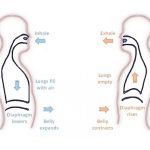
The diaphragm is a large, dome-shaped muscle sheath located at the base of your rib cage. When you “sing from the diaphragm,” you’re not actually pushing air from your stomach; rather, you’re engaging this crucial muscle to flatten, drawing air deep into your lungs and providing a stable, controlled reservoir of breath. This flattening action also gives your lungs maximum space to expand, improving breathing efficiency and allowing for longer, more supported notes. Without proper diaphragmatic engagement, your vocal performance is like a car running on fumes—it’ll sputter, strain, and eventually break down. For a broader perspective on how various vocal breathing exercises can revolutionize your performance, you can explore how you can Boost your voice with breathing.
Shallow breathing, often characterized by rising shoulders and a heaving chest, leads to tension in the upper body and throat, which is directly detrimental to vocal production. This tension chokes off airflow, restricts lung and diaphragm movement, and forces your smaller throat muscles to compensate, leading to fatigue, poor sound quality, and even potential injury. Mastering diaphragmatic breathing provides you with:
- Full, Supported Voice: A rich, resonant sound from your core.
- Minimized Strain: Protecting your vocal cords from overuse and damage.
- Extended Sustains: Holding notes for impressive lengths with control.
- Expanded Range: Accessing higher and lower notes with greater ease.
- Improved Timbre & Tone: A more consistent, beautiful vocal quality.
- Enhanced Stamina: Singing longer without running out of breath.
The Foundation: Setting the Stage with Proper Posture
Before we even take a breath, correct posture is non-negotiable. It’s the framework that allows your diaphragm to operate at its best, creating maximum space for lung expansion and ensuring unrestricted airflow. Imagine trying to breathe deeply while slumped over—it’s impossible!
Good posture isn’t about rigidity; it’s about relaxed alignment. Here’s how to find your optimal singing stance:
- Stand Tall, Spine Straight: Begin by standing with your feet about shoulder-width apart, distributing your weight evenly. Imagine a string pulling you gently upwards from the crown of your head, aligning your spine naturally.
- Relaxed Knees: Keep a slight bend in your knees, never locking them. This flexibility prevents tension in your lower back and allows for subtle weight shifts.
- Shoulders Down and Back: Gently roll your shoulders up, back, and then down. This relaxes the upper body muscles and opens your chest cavity. Your shoulders should feel relaxed, not hunched or pulled tightly.
- Chest High, Not Strained: Elevate your chest slightly, as if it’s naturally lifted, but without any forced tension. This elevated position keeps your chest open, allowing the diaphragm to work freely.
- Head Balanced, Chin Parallel: Keep your chin roughly parallel to the ground. Imagine balancing a book on your head to maintain a neutral, relaxed neck and head position.
- Hands Relaxed: Let your arms hang loosely at your sides, hands relaxed. Avoid clenching fists or holding tension in your arms.
When you’ve found this posture, your neck, shoulders, torso, hips, and knees should all feel relaxed, and your weight evenly distributed. This alignment provides the optimal environment for efficient diaphragmatic breathing, ensuring your breath support is unimpeded.
Mastering the Diaphragm: Step-by-Step Breathing Exercises
Now that your body is ready, let’s dive into the core exercises that will train your diaphragm to become a powerful, responsive vocal engine. Consistency is key here; a few minutes daily will yield significant results.
1. The Conscious Inhale: Feeling the Diaphragm Engage
This exercise is fundamental to understanding and activating your diaphragm. It teaches you to direct air deep into your lungs, engaging the diaphragm rather than relying on superficial chest movements.
The Goal: To consciously feel your abdomen expand outwards as you inhale, signaling diaphragmatic engagement.
How to Practice:
- Assume Proper Posture: Stand tall and relaxed, as outlined above.
- Hand Placement: Place one hand flat on your stomach, with your middle finger resting just over your belly button. Your other hand can rest lightly on your chest.
- Focus on Expansion: As you slowly inhale through your nose, focus intently on directing the air downwards. You should feel your stomach gently pushing outwards against your hand. Crucially, your chest hand should remain relatively still; if it rises significantly, you’re likely engaging in shallow chest breathing.
- Controlled Exhale: Exhale slowly and gently through your mouth, letting your stomach naturally contract inwards.
- Repeat and Observe: Repeat this for about 5 minutes. The sensation should be that your stomach moves out, not up. This outward movement is the direct indicator that your diaphragm is flattening and allowing your lungs to fill from the bottom up.
Common Pitfall: Many beginners mistakenly suck in their stomach as they inhale. This actually prevents diaphragmatic use. Remember, think “expansion” and “outward movement.”
2. The Straw Technique: Regulating Breath Flow for Stamina
This exercise is excellent for developing efficient, controlled breathing and can have a surprisingly relaxing effect. It helps you regulate the speed and pressure of both your inhale and exhale, building critical breath management skills.
The Goal: To breathe without effort, engaging the diaphragm naturally, and to improve the duration of sustained notes.
What You’ll Need: A simple drinking straw, cut to about four inches (around 10 cm) for optimal resistance.
How to Practice:
- Position the Straw: Place the straw between your lips, sealing your lips around it.
- Gentle Inhale: Breathe normally, but slowly, through the straw. Don’t forcefully suck in air; allow it to gently fill your lungs. Maintain your proper posture, ensuring your shoulders remain down and relaxed. Count slowly to four as you inhale.
- Controlled Exhale: Exhale slowly and steadily through the straw with the same gentle pressure. Count to four as you exhale.
- Repeat and Lengthen: Repeat this for five complete breath cycles. Once comfortable, gradually increase the inhale and exhale duration to 5 seconds each, then 6, and so on, as your breath control improves.
Result: You’ll notice that breathing through the straw forces a natural engagement of your diaphragm and encourages a smooth, unhurried inhale and exhale. This trains your body to take in air without gasping and to release it consistently, both vital for holding long vocal phrases.
3. The Controlled Exhale: Protecting Your Vocal Cords
A common misconception among singers is that pushing air harder produces a higher or louder note. This aggressive approach is a fast track to vocal strain and damage. This exercise focuses on controlled air release, protecting your voice and teaching you efficient breath support.
The Goal: To release air slowly and consistently, demonstrating precise control over your breath stream without force.
How to Practice (The “Ssssss” Hiss):
- Relaxed Stance: Begin in your proper posture, or even sitting or lying down if you prefer. Place one hand on your stomach.
- Deep Diaphragmatic Inhale: Take a full, deep breath, feeling your stomach expand as your diaphragm flattens.
- Form the Hiss: Bring your teeth gently together and press your tongue lightly against your bottom front teeth.
- Release Air with a Hiss: Slowly release air through your teeth, producing a consistent, even “ssssssssssssss” sound. Your goal is to keep the hiss steady, without fluctuating in volume or intensity. Focus on regulating the airflow using your abdominal muscles, feeling a gentle engagement in your belly as you control the release.
- Sustain the Hiss: Continue the hiss for as long as you possibly can maintain a steady stream.
- Progressive Goal: Start by aiming for 10-15 seconds, then gradually increase your goal to 30 seconds or more. This teaches you to manage and conserve your breath, essential for long vocal lines and powerful sustained notes without pushing.
The Benefit: This exercise directly trains your abdominal muscles to support your sound, rather than relying on throat tension. The longer and steadier you can maintain the hiss, the better your breath management and vocal support will become. A higher-pitched hiss can engage the abdominal muscles even more intensely, strengthening your core support.
4. Expanding Capacity: Deeper Breathing for Resonant Tones
This exercise is excellent for expanding your overall lung capacity and enhancing your breath control, leading to a richer, more resonant vocal tone.
Safety Warning: Because this exercise involves very deep breathing, it can sometimes cause lightheadedness. Always perform this while sitting comfortably or lying down, never while standing, to prevent falls.
The Goal: To consciously engage your full lung capacity, starting from the diaphragm, and to achieve deep relaxation.
How to Practice:
- Comfortable Position: Sit or lie down in a quiet, comfortable space. Close your eyes to minimize distractions.
- Initiate from the Diaphragm: Take a long, deep breath. Focus on initiating the breath from your diaphragm, feeling the muscles beneath your rib cage engage and your stomach expand outwards.
- Trace the Breath: Follow the sensation of the breath as it moves upwards from your diaphragm, through your belly, into your chest, then up through your neck, and finally into your head. Imagine your entire respiratory system filling with air like a balloon.
- Natural Release: Once your lungs feel completely full, allow the breath to release naturally and slowly, without forcing it out.
- Fifteen Breaths: Repeat this deep, diaphragmatic inhale for fifteen breaths, focusing on the complete journey of the air.
- Sustained Exhale Hold: On the final exhale of the fifteenth breath, allow all the air to leave your lungs, then gently hold your breath out for 30 seconds. This helps train your body to utilize oxygen efficiently and improve carbon dioxide tolerance, which supports longer vocal phrases.
Benefits: Consistent practice of “Breathe Deeper” will significantly improve your lung capacity and control, allowing you to sustain notes with more power and less effort. It also promotes deep relaxation, which reduces overall body tension—a major impediment to free vocal production.
Common Pitfalls and How to Avoid Them
Even with the best intentions, singers can fall into habits that undermine diaphragmatic breathing. Recognizing and correcting these is crucial for progress.
- Shoulder and Chest Lifting:
- The Pitfall: If your shoulders rise significantly, or your chest visibly heaves upwards during inhalation, you’re primarily engaging in shallow chest breathing. This indicates tension and deprives your diaphragm of its primary role.
- The Fix: Go back to “The Conscious Inhale” exercise. Keep one hand on your chest and one on your stomach. The hand on your chest should remain relatively still. Focus intensely on expanding your stomach outwards. Visualize the air filling the lowest part of your lungs first.
- Gasping for Air:
- The Pitfall: Taking sudden, noisy, or hurried breaths between phrases. This often indicates you’ve run out of breath too soon or haven’t planned your breath properly. It creates tension and sounds unprofessional.
- The Fix: Practice “The Straw Technique” to slow down and regulate your inhales. Also, actively “mark” your breath points in your music, planning where to take a full, silent diaphragmatic breath, rather than reacting last-minute.
- Pushing for Volume/Pitch:
- The Pitfall: Believing that straining or pushing more air forcefully will achieve louder volumes or higher notes. This is a common cause of vocal damage, leading to a gravelly or croaky sound.
- The Fix: Understand that volume and pitch come from efficient breath support and healthy vocal fold vibration, not brute force. The “Controlled Exhale” (hissing) exercise is your antidote here. It teaches you to manage air flow evenly, letting the diaphragm provide steady pressure while your vocal cords do their work without excessive air pressure.
- Slumping Posture:
- The Pitfall: Allowing your body to slump, round your shoulders, or jut your chin forward. This restricts your lung capacity and prevents your diaphragm from moving freely.
- The Fix: Make proper posture a non-negotiable part of your daily routine, even when not singing. Periodically check your alignment in a mirror. Think of it as opening up your “instrument case” to allow your voice to resonate freely.
Your Diaphragmatic Breathing Playbook: Daily Practice for Vocal Power
Integrating these exercises into a daily routine is how you’ll build muscle memory and transform your singing. Treat it like a workout for your vocal instrument.
A Quick Daily Routine (10-15 Minutes)
- Warm-Up & Posture Check (2 minutes): Begin with light humming or lip trills to gently warm your vocal cords. As you do this, consciously settle into your proper singing posture: feet shoulder-width, knees relaxed, shoulders down, chest lifted, chin parallel. This sets the stage.
- The Conscious Inhale (5 minutes): Stand with one hand on your stomach, focusing on outward expansion. Aim for slow, silent inhales and controlled exhales. Really try to feel the diaphragm engage.
- Self-Correction Snippet: “If my chest is rising, I know I need to drop my shoulders more and focus that breath lower.”
- The Controlled Exhale (Hissing) (5 minutes): After a deep diaphragmatic inhale, use the “sssss” hiss to practice steady, long air release. Start with shorter holds and gradually work towards 30 seconds.
- Application Scenario: “Imagine sustaining a long note in a ballad; this hiss is the training ground for that endurance.”
- Straw Technique (3 minutes): Finish with the straw, focusing on a regulated, even airflow for both inhale and exhale. This provides a calming, centering effect while reinforcing breath control.
- Expert Insight: “The straw resistance is your silent coach, teaching consistent breath pressure without you having to ‘think’ about it too much.”
Consistency and Mindful Integration
- Little and Often: Short, consistent daily practice is far more effective than sporadic, long sessions. Aim for at least 10-15 minutes every day.
- Listen to Your Body: If you feel dizzy during the “Breathe Deeper” exercise, stop, rest, and resume when ready. Never push through discomfort.
- Apply to Singing: Consciously bring your diaphragmatic breathing awareness into your actual singing. Before each phrase, mentally cue yourself: “Belly out, support steady.”
- Record Yourself: Sometimes, what we feel isn’t what we hear. Record your singing to identify if your breath support is translating into a more powerful, stable sound. This feedback loop is invaluable.
Quick Answers: Diaphragmatic Breathing FAQs for Singers
Q: What’s the biggest misconception about “singing from the diaphragm”?
A: The biggest misconception is that you’re literally pushing air with your stomach muscles. While your abdominal muscles engage to support the exhale, the core action of the diaphragm is to flatten downwards during the inhale, creating space for the lungs to fill deeply. The outward movement of the stomach is a result of the diaphragm flattening and pushing down on your internal organs, not the stomach muscles themselves initiating the push.
Q: How long does it take to master diaphragmatic breathing?
A: You can start to feel and understand diaphragmatic breathing in a matter of days or weeks with consistent practice. However, truly mastering it—making it a subconscious, effortless part of your singing—can take months or even years. It’s an ongoing journey of refinement and muscle memory development.
Q: Can I practice diaphragmatic breathing while lying down?
A: Absolutely! Lying on your back with a book on your stomach is an excellent way to practice. The weight of the book provides tactile feedback, making it easier to see and feel your stomach rise and fall with each diaphragmatic breath. This is also a safe way to practice the “Breathe Deeper” exercise.
Q: Does diaphragmatic breathing help with stage fright?
A: Yes, indirectly. Deep, slow diaphragmatic breathing is a powerful tool for calming the nervous system. When you breathe deeply, it activates the parasympathetic nervous system, which promotes relaxation. Practicing these breathing techniques can help reduce the physical symptoms of stage fright (like a racing heart or shallow breathing), allowing you to focus more on your performance.
Q: Is it possible to overdo diaphragmatic breathing exercises?
A: While diaphragmatic breathing itself is natural and healthy, doing too many intense breathing exercises without proper guidance, especially those involving breath holding, could lead to lightheadedness or hyperventilation if not done carefully. Always listen to your body, take breaks, and if you feel dizzy or uncomfortable, stop and rest. Focus on quality and consistency over sheer quantity.
Next Steps for Sustained Vocal Health and Power
The journey to a truly powerful and resilient voice begins and ends with your breath. Mastering diaphragmatic breathing for singers is not just an exercise; it’s a fundamental shift in how you interact with your instrument. By consistently practicing these techniques—focusing on posture, a conscious inhale, controlled exhale, and expanding your lung capacity—you’re building an unshakeable foundation for vocal excellence.
Don’t treat these exercises as chores, but as dedicated training sessions that directly contribute to your vocal longevity and artistic expression. Integrate them into your warm-up routine, and even practice them subtly throughout your day. Your vocal cords will thank you, and your audience will hear the profound difference in your sustained power, nuanced control, and effortless delivery. Keep breathing deeply, keep learning, and keep singing with all the magnificent strength your voice can offer.

- Diaphragmatic Breathing for Singers Boosts Vocal Power and Prevents Strain - April 3, 2026
- Breathing Tips for Singing to Power Your Vocal Performance - April 2, 2026
- Vocal Breathing Techniques Improve Control and Stamina for Singers - April 1, 2026