You love to sing. Maybe it’s in the car, in the shower, or with a local choir. But you feel a pull for something more—a desire to understand your voice, gain control, and share it with more confidence. For many aspiring singers, the thought of one-on-one lessons feels intimidating or isolating, which is where group vocal lessons create a perfect harmony of instruction, community, and courage. They offer a structured path to vocal improvement within a supportive, low-pressure environment.
This isn’t just a singalong. It’s a dynamic workshop where you learn proper technique, develop your musical ear, and conquer performance anxiety alongside peers who share your passion.
At a Glance: What You’ll Discover
- Is a Group Setting Right for You? A clear breakdown of who thrives in group lessons versus who might need private instruction.
- A Look Inside the Classroom: What to expect during a typical lesson, from warm-ups to harmony work.
- The Unexpected Benefits: How singing with others sharpens your musical ear and builds unshakable performance confidence.
- Your Action Plan: A step-by-step guide to finding and choosing the perfect group vocal class for your goals.
- Quick Answers: No-nonsense answers to the most common questions and concerns about group singing instruction.
Is a Group Setting Your Ideal Stage?
The first step is figuring out if the group dynamic aligns with your personality and singing goals. Both group and private lessons have distinct advantages, and the right choice depends entirely on what you want to achieve.
The Ideal Candidate for Group Lessons
Group vocal lessons are a powerful launchpad for specific types of learners. You’ll likely thrive in a group setting if you:
- Are a Beginner or Early Intermediate Singer: Group classes excel at teaching foundational principles like breath support, posture, and basic pitch control. Everyone learns these core skills together, creating a strong, shared knowledge base.
- Learn Best in a Social Environment: Do you get energy from being around others? Group lessons provide peer motivation and a sense of camaraderie. You celebrate each other’s breakthroughs and learn from each other’s questions.
- Want to Build Performance Confidence: The idea of singing a solo for an instructor can be daunting. In a group, you get used to making noise in front of people in a low-stakes way, often singing with others before ever being asked to sing alone.
- Are Exploring Your Vocal Interests: If you’re not yet sure whether you prefer pop, musical theater, or jazz, a group class often covers a wider range of repertoire. This allows you to experiment without committing to a single genre.
- Are Working with a Tighter Budget: Because the instructor’s time is shared, group lessons are almost always more affordable than their one-on-one counterparts, making quality vocal coaching more accessible.
When One-on-One Instruction Might Be a Better Fit
While group lessons offer incredible value, they aren’t the perfect solution for every singer. If your goals are highly specific or you’re working on advanced techniques, exploring the full spectrum of options is key. Understanding how all forms of adult vocal training can Transform your singing and confidence will help you make the best choice for your unique journey.
Consider private lessons if you:
- Are an Advanced Singer: You’re already comfortable with the fundamentals and need to refine nuanced techniques, work on complex repertoire, or prepare for professional auditions.
- Have Very Specific Goals: You want to nail a specific high note for an audition song, perfect your operatic vibrato, or prepare a full set of original music for a gig.
- Are Overcoming a Specific Vocal Fault: If you’re dealing with a persistent issue like strain, a significant vocal break, or pitchiness, the focused attention of a private instructor is invaluable.
- Learn Best with Undivided Attention: Some people simply absorb information better when the feedback is constant and tailored exclusively to them.
Here’s a quick comparison:
| Feature | Group Vocal Lessons | Private Vocal Lessons |
| :— | :— | :— |
| Best For | Beginners, social learners, confidence-building | Advanced singers, specific goals, focused problem-solving |
| Pacing | Follows a set curriculum for the group | Customized entirely to the individual student’s pace |
| Feedback | Rotated among students; learning from others’ feedback | Constant, direct, and immediate for the student |
| Social Aspect| High: community, peer support, harmony work | Low: focused solely on the student-teacher relationship |
| Cost | More affordable | Higher investment |
| Performance | Low-pressure practice, group numbers, optional solos | Intense preparation for recitals, auditions, and solos |
What Really Happens in a Group Vocal Lesson?
Forget the image of a stuffy classroom. A modern group vocal lesson is an active, engaging workshop. While every instructor has their own style, most classes follow a reliable and effective structure designed to build skills sequentially.
The Anatomy of a Typical 60-Minute Class
Imagine walking into your first class. The atmosphere is relaxed and welcoming. Here’s how the hour might unfold:
- Physical & Vocal Warm-ups (10-15 minutes): You’ll start not with singing, but with breathing and movement. Expect gentle stretches for your neck, shoulders, and torso to release tension. This is followed by vocal warm-ups like lip trills (motorboat sounds), humming, and gentle sirens to wake up the voice safely and prepare it for singing.
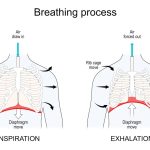
- Technical Focus of the Day (15-20 minutes): The instructor introduces a core vocal concept. One week it might be “breath support,” where you practice hissing exercises and engaging your diaphragm. The next, it might be “vocal placement,” using exercises with “ng” or “nay” sounds to feel resonance in your mask (the area around your nose and cheekbones). Everyone practices the technique together and in smaller groups.
- Group Repertoire Work (20-25 minutes): This is where you apply the technique to an actual song. The instructor chooses a piece—often from pop, rock, or musical theater—that reinforces the day’s lesson. You’ll work on melody, rhythm, and dynamics as a group. This is also where harmony comes into play, with the class splitting into sections to learn different vocal parts.
- Individual Spotlight & Feedback (5-10 minutes): This part sounds scarier than it is. The instructor might ask for volunteers or go around the room, having each person sing a short phrase from the song. They’ll offer a quick, constructive tip (“Try opening your mouth a bit more on that vowel,” or “Great energy! Now let’s support that sound from your core”). Hearing feedback for others is just as valuable as getting it yourself.
It’s More Than Just Singing in Unison
A common misconception is that group lessons are just a glorified choir practice. The reality is far more technical. While a choir’s primary goal is the final blended sound, a group vocal lesson’s goal is individual skill development within a group context.
You’re not just learning to blend; you’re learning why you blend. You’ll actively practice listening to the singers next to you, adjusting your volume and vowel shapes to lock in harmonies. This skill—active listening—is one of the most transferable musical skills you can develop.
Case Snippet: Alex, a guitarist who wanted to sing backup vocals in his band, joined a group lesson. He thought he just needed to match pitch. In class, he learned about vowel modification. By slightly changing his “oo” sound to match the lead singer’s, his harmony part went from sounding “off” to locking in perfectly, making the whole band sound tighter and more professional.
The Hidden Superpowers of Singing Together
The technical skills you gain are just the beginning. The group dynamic itself unlocks powerful psychological and musical benefits that are difficult to replicate on your own or even in one-on-one lessons.
Overcoming Stage Fright, One Song at a Time
For many adults, performance anxiety is the biggest barrier to singing. A group class systematically dismantles that fear. First, you sing with ten other people, so your voice is just one of many. Then, you might sing in a smaller group of three. Finally, you sing a single line by yourself.
This process of “graded exposure” is a well-established method in psychology for overcoming phobias. Each step is small and manageable. Before you know it, you’re singing a solo phrase for an audience of your peers and it feels completely normal. The supportive applause from classmates who are on the same journey is a powerful confidence booster.
Developing Your Musical Ear for Harmony
Singing a melody alone is one skill. Hearing a harmony part against that melody and holding your own is another level entirely. Group vocal lessons are the best training ground for this.
Your instructor will guide you through exercises like:
- Holding a single note while another part of the class sings a scale against it.
- Singing simple rounds like “Row, Row, Row Your Boat” to feel the interplay of different melodic lines.
- Learning two- or three-part harmonies on popular songs, training your brain to identify and sing intervals like major thirds and perfect fifths.
This deepens your musicality in a way that just singing the melody never can.
Building a Community (and Accountability)
One of the most underrated benefits is the community. You’re learning with people who get it—they understand the frustration of a voice crack and the joy of hitting a note you’ve been working on for weeks.
This shared experience creates accountability. You’re more likely to practice during the week because you don’t want to be the only one who doesn’t know the harmony part. Many schools, like the California Conservatory of Music, foster this by organizing low-pressure recitals and community events, turning your class into a genuine support system.
Your Roadmap to the Right Group Vocal Lesson
Ready to find a class? Taking a strategic approach will ensure you land in a group that fits your goals and learning style.
Step 1: Define Your “Why”
Before you even open a search engine, grab a pen and paper. Why do you want to take lessons? Be specific.
- Bad answer: “I want to be a better singer.”
- Good answer: “I want to have enough confidence to sing karaoke without my voice shaking,” or “I want to learn how to sing harmonies so I can join the church choir,” or “I want to learn healthy belting techniques for musical theater.”
Your “why” dictates the kind of class you should look for. A class focused on pop performance will be very different from one focused on classical chorale music.
Step 2: Vet the Instructor and the School
The teacher is the most important element. Look for an instructor with formal training (a university degree in music or vocal performance is a great sign) and, crucially, experience teaching groups. Managing a classroom of diverse voices is a different skill than coaching one person.
Look for a school or studio that:
- Offers a trial lesson: This is the best way to experience the teacher’s style and the group’s dynamic before committing.
- Is transparent about class size: An ideal group is typically between 5 and 12 students. Fewer than that and you lose the group energy; more than that and individual attention suffers.
- Has clear skill levels: Look for classes labeled “Beginner,” “Intermediate,” or by specific prerequisites. This ensures you’re not in a class with singers far above or below your current ability.
Step 3: Ask the Right Questions Before You Enroll
Once you’ve found a promising class, contact the school or instructor and ask these questions:
- “What is the average class size?”
- “What is the general skill level of the students in this class?”
- “What styles or genres of music will we be focusing on?”
- “Are there performance opportunities like recitals, and are they required?”
- “How much individual feedback can I expect to receive in a typical session?”
- “What is the makeup of the class? Are they all adults?”
The answers will tell you if the class culture and curriculum align with your “why.”
Quick Answers: Common Questions About Group Singing Classes
Let’s clear up a few common hesitations and misconceptions about group vocal lessons.
“Will I get enough personal attention?”
Yes, in a well-run class. A skilled instructor is trained to listen critically to multiple voices at once. They will rotate their focus, offering individual corrections that often benefit the entire group. You won’t get the constant feedback of a private lesson, but you will get targeted, actionable advice every session.
“What if I’m much worse (or better) than everyone else?”
This is a common fear, but it’s why choosing a class with a defined skill level is so important. In a beginner class, everyone is starting from a similar place. If you find the class is moving too slowly or too quickly, a good school will be happy to help you find a more suitable group.
“Are group vocal lessons just for beginners?”
Not at all! While they are fantastic for beginners, many schools offer intermediate and advanced group workshops. These might focus on specific skills like advanced harmony, improvisation and scatting for jazz, or performance techniques for a specific genre like rock or R&B.
“How do I practice what I learn in class?”
Your instructor will typically provide exercises and repertoire to work on between sessions. They might share sheet music, audio recordings of the harmony parts, or links to backing tracks. Consistent practice (even just 15-20 minutes a day) is what solidifies the techniques you learn in class.
Your Next Note
Choosing to invest in your voice is a powerful step. Group vocal lessons offer a unique and effective path, blending expert technical instruction with the irreplaceable energy of shared human experience. You don’t just learn to sing better; you learn to listen, to harmonize, and to find your voice among others.
If you’re a beginner looking for a foundation, a social learner who thrives on collaboration, or someone just hoping to build the courage to sing out, a group class might be the perfect stage for your transformation. Take a deep breath, find a class that feels right, and get ready to make some beautiful noise.