So, you’re wondering how much are singing lessons and, just as importantly, what exactly goes into them? It’s a fundamental question for anyone serious about improving their voice, and the answer, like a good melody, has a few key notes. Investing in your vocal development isn’t just about the dollar amount; it’s about gaining skills that strengthen your voice, expand your range, and build your confidence.
This article cuts through the noise to give you a clear understanding of the costs involved, what a typical lesson entails, and how to make the smartest decisions for your vocal journey.
At a Glance: Your Singing Lesson Roadmap
- Cost Varies Widely: Expect private lessons to range from $50 to $90 per hour, but prices are highly dependent on location, teacher experience, and reputation.
- Lesson Durations: Most coaches offer 30, 45, or 60-minute sessions, with longer lessons often having a slightly lower per-minute cost.
- Package Deals Save Money: Many instructors provide discounted rates when you commit to a block of lessons (e.g., 5 or 10 sessions).
- Beyond Just Singing: Lessons cover posture, breathing, diction, pitch, and vocal strengthening – not just learning songs.
- Never Too Late: Adults can absolutely improve their singing voice significantly; consistent effort is key.
- Strategic Search: Don’t just pick the first teacher; compare reviews, get estimates, and consider trial lessons to find the best fit.
The Investment in Your Voice: Breaking Down Singing Lesson Costs
The first thing most prospective students ask is, naturally, how much are singing lessons going to set me back? There’s no single, universal price tag, as the cost is a dynamic blend of several crucial factors. Think of it like buying a car: a basic model gets you from A to B, but a luxury model with advanced features costs more.
What Influences the Price Tag?
- Location, Location, Location: Just like real estate, local economics play a significant role. In a high-cost-of-living area like Fremont, CA, for example, singing lessons typically cost between $50 to $90 per hour. Expect variations if you’re in a smaller town versus a major metropolitan hub.
- Teacher’s Experience and Reputation: A vocal coach with decades of experience, a stellar reputation, and a track record of coaching successful singers will command a higher rate. They bring a deeper well of knowledge, refined teaching methodologies, and often a network that can benefit their students. Newer teachers, or those still building their client base, might offer more competitive rates.
- Private vs. Group Lessons: This is a major differentiator.
- Private Lessons offer undivided attention, tailored feedback, and a curriculum built entirely around your needs and goals. This personalized approach is invaluable for targeted improvement, but it comes at a higher per-person cost.
- Group Lessons are generally more budget-friendly per person. They can be a great way to learn fundamentals, build confidence in a supportive environment, and even practice harmonies. However, the personalized attention is significantly less, and the curriculum is usually broader to accommodate multiple students.
- Lesson Duration: Most coaches offer lessons in increments of 30, 45, or 60 minutes. While a 30-minute lesson is cheaper outright, a 60-minute session often provides better value for your time, allowing for more in-depth warm-ups, technical exercises, and song work. Some teachers also offer 90-minute sessions for advanced students.
- Package Deals: Smart instructors recognize that consistency is key to vocal progress. Many offer package deals—e.g., buy 5 lessons, get a discount; buy 10, save even more. This reduces the per-lesson cost and encourages students to commit to their development over time. It’s often the most cost-effective way to pay if you’re serious about ongoing instruction.
Case in Point: Sarah, a beginner in a mid-sized city, found a new teacher offering 30-minute private lessons for $40 each, or a package of five for $180 ($36 per lesson). Mark, an experienced singer in a major city looking for specialized opera coaching, found a renowned teacher charging $100 for 60-minute private sessions, with no package discounts, reflecting the teacher’s high demand and expertise.
Beyond the Price Tag: What Singing Lessons Truly Involve
Beyond just understanding how much are singing lessons, it’s crucial to grasp what you’ll actually do in a session. It’s far more comprehensive than simply singing your favorite songs, though that’s certainly part of the fun. A good vocal coach acts as a guide, helping you understand and master the intricate mechanics of your voice.
Core Components of a Typical Singing Lesson:
- Vocal Warm-ups: Every lesson usually begins with exercises designed to gently prepare your vocal cords, improve flexibility, and awaken your breath support. This might include humming, lip trills, sirens, or scales.
- Breathing Techniques: The diaphragm is your engine for singing. Lessons teach proper diaphragmatic breathing, which is essential for sustained notes, powerful delivery, and avoiding vocal strain. You’ll learn to control your breath for optimal tone and projection.
- Posture for Power: Your body is your instrument. A good teacher will guide you on correct posture that allows for optimal diaphragm expansion, spinal alignment, and release of tension in the neck and shoulders, all vital for a strong, resonant sound.
- Vocal Cord Strengthening and Expansion: Through targeted exercises (vocalises), you’ll work on building strength and endurance in your vocal cords. This leads to an increased vocal range (both higher and lower notes) and improved vocal agility, making it easier to navigate complex melodies.
- Tone and Resonance: You’ll explore how to produce a beautiful, consistent tone. This involves understanding resonance (where sound vibrates in your body) and learning to manipulate it to achieve different vocal colors and expressions.
- Diction and Articulation: Clarity is key. Lessons will focus on articulating words clearly without straining your voice, ensuring your audience can understand every lyric. This is particularly important for various genres, from classical to musical theatre and pop.
- Pitch Matching and Ear Training: Developing an accurate ear is fundamental. You’ll practice matching specific pitches, identifying intervals, and understanding how notes relate to each other, which is crucial for singing in tune and harmonizing.
- Song Work: This is where theory meets practice. You’ll apply the techniques learned to actual songs, breaking them down phrase by phrase, addressing challenging sections, and developing your interpretation and performance skills.
- Performance Anxiety Management: Many teachers also touch on performance psychology, offering strategies to manage nerves and build confidence on stage.
Important Clarification: While singing lessons dramatically improve your sound, they won’t completely change your natural voice. Instead, they enhance and refine the unique qualities you already possess, making your voice stronger, more versatile, and more expressive.
Personalized Progress: Private vs. Group Coaching
When considering how much are singing lessons, remember that the format plays a huge role not only in cost but also in the learning experience and the pace of your progress. Both private and group lessons have distinct advantages and disadvantages.
Private Singing Lessons:
- Pros:
- Tailored Curriculum: Every exercise and song choice is specifically selected to address your individual strengths, weaknesses, and goals.
- Immediate & Specific Feedback: The teacher’s full attention is on you, providing instant, precise feedback on your technique, breathing, posture, and musicality.
- Faster Progress: The personalized attention often leads to quicker breakthroughs and more rapid skill development.
- Flexibility: Scheduling can be more adaptable to your personal availability.
- Comfort: For those new to singing or shy about their voice, one-on-one interaction can be less intimidating.
- Cons:
- Higher Cost: As discussed, the individualized nature means a higher per-lesson price.
- Less Peer Interaction: You miss out on the collaborative energy and learning from others’ vocal journeys.
Group Singing Lessons: - Pros:
- More Affordable: The cost per person is significantly lower, making singing instruction accessible to more budgets.
- Community & Support: You learn alongside others, fostering a sense of camaraderie, mutual encouragement, and shared experience.
- Performance Opportunities: Group classes often culminate in informal performance showcases, providing valuable stage experience in a lower-pressure setting.
- Harmonies & Ensembles: Excellent for learning to blend your voice with others, understand harmony, and experience ensemble singing.
- Diverse Perspectives: You can learn by observing other students’ techniques and listening to the teacher’s feedback to them.
- Cons:
- Less Personalized Attention: The teacher’s focus is divided among multiple students, meaning less direct feedback for you.
- Slower Individual Progress: The pace of the class is set for the group, which might be too fast or too slow for your specific needs.
- Less Flexibility: Scheduling is fixed, and missing a class might mean missing out entirely on content.
- Potential for Intimidation: Some beginners might feel more self-conscious singing in front of others.
Which One is Right for You?
If your budget allows and you’re looking for accelerated, highly personalized growth, private lessons are generally the gold standard. If you’re on a tighter budget, enjoy a social learning environment, or want to explore singing without a huge financial commitment, group lessons can be an excellent starting point. Many students also combine both: taking group lessons for the social aspect and then supplementing with occasional private sessions for targeted help.
Strategic Search: Finding the Right Vocal Teacher for Your Budget and Goals
Once you have a handle on how much are singing lessons generally cost and the formats available, your next crucial step is finding the right teacher. This isn’t a decision to rush; a good teacher can unlock your potential, while a poor fit can lead to frustration or even vocal strain.
Here’s a strategic approach:
- Start with Reviews and Referrals:
- Online Platforms: Websites like Lessons.com (which provided our ground truth data), Yelp, and Google are excellent starting points. Look for teachers with consistently high ratings and specific, positive comments about their teaching style and results.
- Local Music Community: Ask musicians, choir directors, or even staff at local music stores for recommendations. Personal referrals often lead to excellent matches.
- Word-of-Mouth: If you know anyone who takes singing lessons, ask about their experience.
- Obtain Multiple Estimates: Don’t just settle for the first quote. Reach out to at least three teachers with similar credentials and experience levels. This gives you a realistic range of how much are singing lessons in your area and helps you compare not just price, but also their communication style and offerings.
- Schedule a Trial Meeting or Lesson: Many teachers offer a discounted or free introductory session. This is invaluable! Use it to:
- Assess their teaching style: Is it encouraging, clear, and challenging?
- Gauge their personality: Do you feel comfortable and understood?
- See their setup: Is the teaching space conducive to learning?
- Discuss your goals: Do they listen and seem to understand what you want to achieve?
- Inquire About Their Background and Methodology:
- Training and Credentials: What vocal training or music degrees do they hold? Are they members of professional organizations?
- Specific Methods: Do they teach a particular technique (e.g., Bel Canto, Speech Level Singing)? A good teacher should be able to articulate their approach.
- Student Progress: Can they share testimonials or success stories (without breaching privacy)? This shows they can deliver results.
- Match Schedules and Logistics:
- Availability: Does their teaching schedule align with your availability consistently?
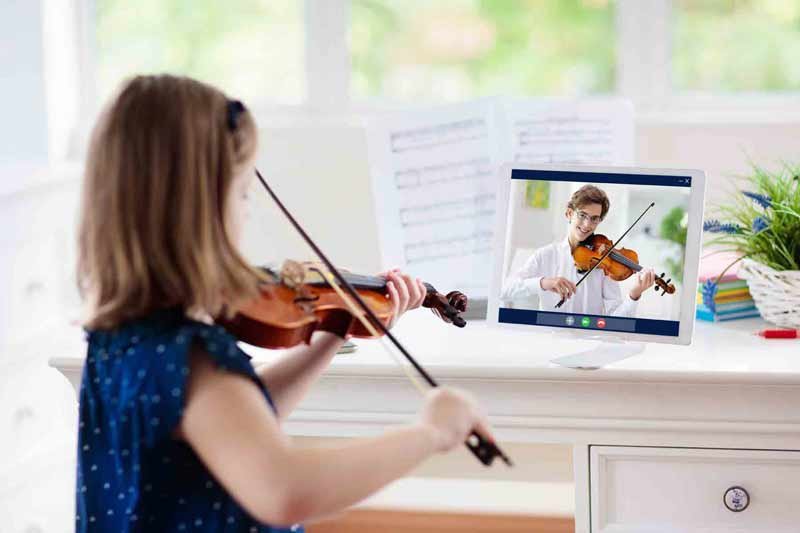
- Location: Is their studio conveniently located, or do they offer online lessons if that’s your preference? Online lessons, using video calling platforms, have become increasingly effective and convenient, especially for those in remote areas or with tight schedules.
For a broader exploration of your options and to begin your search, you can also Find Classes to Elevate Your Voice, which provides a comprehensive guide to finding the best fit for your vocal journey.
Crucial Questions to Ask Any Potential Vocal Coach
Before committing to a teacher, asking the right questions can clarify expectations and ensure a good fit. These go beyond just how much are singing lessons and delve into the substance of the instruction:
- “How long have you been teaching singing?” (Indicates experience level.)
- “Can you share any success stories or examples of student progress?” (Demonstrates their effectiveness.)
- “Do I need to have a good voice already to become a better singer?” (Tests their understanding of vocal development – the answer should be a resounding ‘no’!)
- “How long does it typically take to see improvement?” (Helps set realistic expectations.)
- “Do you offer any package deals or discounts for multiple lessons?” (Addresses cost savings.)
- “What is your teaching schedule and your cancellation policy?” (Important for logistics.)
- “How long are your typical singing lessons?” (Confirms duration options.)
- “How often should I practice outside of lessons?” (Guides your commitment.)
- “Do you offer private or group lessons, and what are the pros/cons of each in your opinion?” (Helps you choose the right format.)
- “Where do you teach (in-person studio, student’s home)?” (Logistical clarity.)
- “Do you offer online lessons using video calling, and how do you ensure their effectiveness?” (Relevant for remote learners.)
Your Vocal Journey: Setting Expectations for Improvement
A common question after “how much are singing lessons” is “how long until I sound better?” There’s no single answer, as individual progress varies widely, but consistent effort and realistic expectations are key.
- Consistency is King: Regular lessons (usually once a week) combined with daily, focused practice are the fastest routes to improvement. Think of it like going to the gym: sporadic visits yield minimal results.
- Seeing Initial Changes: Many students notice small but significant improvements in their breath control, pitch accuracy, or vocal stamina within a few weeks to a couple of months. These foundational skills are the building blocks.
- Significant Transformation: Developing a truly strong, versatile, and expressive voice can take several months to a few years of dedicated study. It’s a journey, not a sprint.
- It’s Never Too Late: Adults can absolutely take singing lessons and improve their voice. While starting young might offer more time for vocal development, adult learners often bring a level of discipline, focus, and life experience that can accelerate their musicality and interpretation. Your vocal cords are muscles, and like any muscle, they can be trained and strengthened at any age.
Maximizing Your Return: Getting the Most Out of Each Lesson
Paying for singing lessons is an investment. Here’s how to ensure you’re getting maximum value, regardless of how much are singing lessons costing you:
- Set Clear Goals: Before you even start, think about what you want to achieve. Do you want to sing higher notes? Sound less strained? Perform a specific song? Communicate these goals to your teacher.
- Practice Consistently: Your teacher is a guide, but your practice time is where the real work happens. Aim for short, regular practice sessions (15-30 minutes daily) rather than one long session once a week.
- Record Your Lessons: With your teacher’s permission, record your lessons (audio or video). This allows you to review techniques, remember exercises, and track your progress between sessions.
- Take Notes: Jot down key takeaways, specific instructions, and new exercises. This reinforces learning and helps you focus your practice.
- Ask Questions: If something isn’t clear, ask! Your teacher is there to help you understand.
- Be Patient and Persistent: Vocal development takes time and effort. There will be good days and challenging days. Embrace the process and celebrate small victories.
Quick Answers to Your Singing Lesson FAQs
Q: Do I need to have a “good” voice already to take singing lessons?
A: Absolutely not! This is a common misconception. Singing lessons are designed for everyone, from absolute beginners who are tone-deaf (which is often just untrained hearing!) to experienced singers looking to refine their technique. The goal is to improve the voice you have.
Q: How often should I practice outside of lessons?
A: Consistency is more important than duration. Aim for 15-30 minutes daily, rather than one long session per week. Regular, focused practice helps build muscle memory and solidifies what you learn in your lessons.
Q: Can adults really learn to sing and improve their voice?
A: Yes, without a doubt. It’s never too late to start singing lessons. Adult voices can be trained, strengthened, and developed, leading to significant improvement in pitch, range, tone, and confidence.
Q: What’s the typical length of a singing lesson?
A: Most lessons are 30, 45, or 60 minutes long. Longer sessions (60 minutes) are often recommended as they allow ample time for warm-ups, technical work, and applying those techniques to songs.
Q: Are online singing lessons effective?
A: Yes, very much so! With good internet, a quality microphone, and a skilled online teacher, virtual lessons can be just as effective as in-person ones. They offer flexibility and access to teachers worldwide, often removing geographical barriers.
Ready to Elevate Your Voice? Your Next Steps
Understanding how much are singing lessons and what they entail is your first step towards vocal improvement. Whether you dream of singing confidently at karaoke, joining a choir, or pursuing a professional path, the principles remain the same: find a qualified teacher, commit to consistent practice, and embrace the journey of discovery.
Start by researching teachers in your area, reading reviews, and taking advantage of trial lessons. Compare their teaching styles, methodologies, and of course, their pricing structure to find the best fit for your budget and aspirations. With the right guidance and your dedication, your voice can truly transform.

- Voice Breathing Exercises Build Stronger Support for Your Singing - March 26, 2026
- How to Increase Lung Capacity for Singing and Improve Vocal Stamina - March 25, 2026
- Breathing during Singing Techniques Elevate Your Vocal Performance - March 24, 2026