Mastering the art of singing isn’t just about hitting the right notes; it’s profoundly about how you breathe. Many aspiring vocalists search for how to improve lung capacity for singing, recognizing that a strong, controlled breath is the engine behind every sustained phrase, powerful crescendo, and delicate diminuendo. Without ample and well-managed lung capacity, singers often find themselves running out of breath, straining for high notes, or losing control over their tone. The good news? You can significantly enhance your lung capacity and breath control through targeted exercises and conscious lifestyle adjustments, transforming your vocal performance from the ground up.
At a Glance: Boost Your Singing Breath
- Foundation First: Master diaphragmatic breathing before moving to advanced exercises.
- Daily Practice: Dedicate 20-30 minutes daily to specific breathing drills and warm-ups.
- Build Endurance: Integrate daily aerobic exercise to physically increase lung volume.
- Holistic Health: Hydration, avoiding irritants, and stress management are vital for lung health.
- Seek Guidance: A vocal coach offers personalized techniques and accelerates progress safely.
Why Every Singer Needs Robust Lung Capacity
Lung capacity refers to the maximum amount of air your lungs can inhale and exhale. For a singer, this isn’t just a biological measurement; it’s the bedrock of vocal artistry. A greater capacity allows you to sustain long phrases and notes without interruption, project your voice with authority, and maintain precise control over pitch and tone throughout a piece. Critically, it also helps prevent vocal strain, as you won’t be forcing air when your breath support is inadequate.
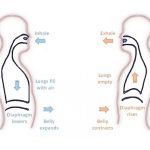
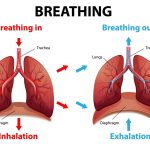
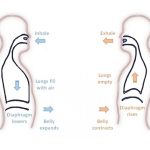
The key to maximizing air intake lies in engaging your diaphragm, a large, dome-shaped muscle located just below your lungs. When you breathe correctly, your diaphragm contracts and moves downward, creating space for your lungs to expand fully, primarily filling the lower lobes. This process keeps your chest and shoulders relaxed and still, allowing for a freer, fuller vocal sound, improved tone, pitch, phrasing, and stamina. Furthermore, regular aerobic activity can naturally boost your lung capacity by up to 15%, providing a significant physical advantage. For a comprehensive look at how all vocal breathing exercises elevate your voice, check out this guide: Boost your voice with vocal breathing.
The Foundation: Mastering Diaphragmatic Breathing
Before diving into advanced techniques, it’s essential to establish the correct way to breathe for singing – diaphragmatically. This technique ensures you’re utilizing your lungs’ full potential and building a stable platform for your voice.
Step-by-Step Core Breathing Technique
- Optimal Posture: Begin by standing or sitting tall with good alignment. Your shoulders should be relaxed and slightly back (never raised), your chin parallel to the floor, and your feet shoulder-width apart with knees loose if standing. Keep your chest naturally lifted, creating space for your belly to expand. This posture is crucial as it allows your lower lungs to fill unimpeded.
- Diaphragmatic Inhalation: Place one hand gently on your upper chest and the other on your abdomen, just above your navel. Inhale slowly and quietly through your nose for a count of 4. As you breathe in, focus on expanding your abdomen outwards – you should feel your lower hand rise, while your upper hand on your chest remains still. Imagine filling a balloon from the bottom up, feeling your breath expand into your lower back and between your lower ribs as they move outward.
- Breath Hold: Hold your breath comfortably for a count of 4. This short pause allows your body to register the full intake of air and prepares for controlled release.
- Controlled Exhalation: Exhale slowly and steadily through your mouth for a count of 4. As you release the air, gently flex your abdominal muscles, feeling your stomach contract inward. The goal is a steady, continuous stream of air, like a consistent whisper. This control is vital for sustained vocalization.
Your Daily Regimen: Targeted Breathing Exercises for Singers
Once you’ve grasped the core diaphragmatic breathing technique, you can incorporate specific exercises designed to further improve lung capacity for singing. Consistency is key here.
1. Increasing Your Breath Counts (Stamina Builder)
This exercise directly trains your lungs and diaphragm for longer breath support.
- How to do it: Begin with the core diaphragmatic breathing (inhale 4, hold 4, exhale 4). Once comfortable, gradually extend the duration of each phase. Progress to inhale 5, hold 5, exhale 5. Then move to 6-6-6, and continue working your way up to 10-10-10 counts.
- Practice Tip: Perform 3-4 sets for each count, always maintaining proper diaphragmatic form. For example, practice three sets of 5-5-5, then three sets of 6-6-6 before increasing further.
2. The 4-7-8 Technique (Focus & Calm)
While primarily a relaxation technique, the 4-7-8 breath significantly improves breath control and can be a powerful tool for pre-performance nerves.
- How to do it: Inhale quietly through your nose for 4 seconds. Hold your breath for 7 seconds. Then, steadily release the air through your mouth with a gentle ‘whooshing’ sound for 8 seconds.
- Practice Tip: Repeat this cycle 4-5 times. It’s excellent for calming your nervous system and establishing steady breath flow.
3. Decreased Inhale, Increased Exhale (Diaphragm Strength)
This exercise specifically targets diaphragm strength by making it work harder to control a longer exhale after a shorter inhale.
- How to do it: Practice inhaling for a shorter count and exhaling for a longer count. Start with a 6-count inhale and an 8-count exhale. Once comfortable, progress to 5-inhale / 10-exhale. Your ultimate goal is to work towards an extremely controlled 2-inhale / 20-exhale.
- Benefit: The longer, controlled exhalation strengthens the diaphragm’s ability to slowly release air, which is critical for sustained notes and long vocal phrases.
4. Pursed Lip Breathing / Straw Exhale (Controlled Release)
This technique helps regulate airflow, making your exhale smoother and more consistent.
- How to do it: Inhale gently through your nose using your diaphragm. Exhale slowly through pursed lips, as if blowing through a very thin straw. Aim for your exhale to be at least twice as long as your inhale.
- Variation: Imagine you’re trying to blow out an imaginary candle, but slowly enough that the flame doesn’t flicker. Repeat this controlled exhale 10 times.
- Benefit: It builds resistance for the diaphragm, improving its strength and control over the outgoing breath stream.
5. Hissing (Steady Airflow)
Hissing is an excellent way to practice a consistent and controlled breath release, essential for even vocal tone.
- How to do it: Inhale deeply using proper diaphragmatic breathing. As you exhale, create a slow, steady ‘hiss’ sound, like air slowly leaking from a tire or balloon.
- Practice Tip: Gradually prolong the duration of your hiss with each repetition. Aim for a hiss that’s steady in volume and consistent in sound quality from start to finish.
6. Panting (Agility & Quick Recovery)
This exercise focuses on the quick contraction and release of the diaphragm, improving breath agility and recovery time.
- How to do it: Stand straight with relaxed shoulders. Take quick, shallow breaths in and out through your mouth, mimicking a panting dog. The movement should originate from your diaphragm, not your chest.
- Practice Tip: Continue for about 30 seconds, focusing on keeping the breaths controlled and even. This is particularly useful for passages requiring quick vocal runs or rapid phrasing.
7. Rib Cage Expansion (Lateral Breath)
To truly maximize your lung capacity, you need to utilize the lateral expansion of your rib cage.
- How to do it: Stand with your feet shoulder-width apart and place your hands on your lower rib cage, fingers almost touching in the front. Inhale deeply, consciously focusing on expanding your rib cage sideways and outward. You should feel your hands move apart. Exhale slowly, allowing your rib cage to return to its resting position.
- Benefit: This ensures you’re not just breathing forward but also laterally, making the most of the space available for lung expansion.
Integrating Sound: Vocal Warm-ups for Breath Control
Once your body understands diaphragmatic breathing and has practiced isolated breath exercises, it’s time to apply that control to actual vocalization.
1. Sustained Letters and Sounds
These exercises connect your breath to the act of singing, ensuring a steady airflow for vocal production.
- How to do it: As you exhale using your diaphragm, vocalize sustained consonants and vowels. Try “Beee-,” “Esss-,” “Ffff-,” or “Shhh-.”
- Practice Tip: Mix inhale and exhale counts to simulate varied singing demands. For example, inhale for 4 counts, then exhale on “Esss-” for 8 counts. Or inhale for 2 counts and exhale on “Shhh-” for 6 counts. This trains your diaphragm to respond dynamically to different vocal needs.
2. Humming and Sustained Vowel Exercises
These are fundamental for developing consistent tone and volume over the duration of a breath.
- How to do it: Hum a comfortable note in your middle register during exhalation, extending the sound evenly to maintain steady tone and volume. Alternatively, pronounce simple syllables like “Ba” or “La” on a single note, focusing on a smooth, continuous sound for as long as your breath allows.
- Sustained Vowel Challenge: Choose a vowel (e.g., “ah,” “ee,” “oh”) and hold it on a comfortable pitch for as long as possible on a single breath, maintaining a steady, controlled flow without wavering in pitch or volume.
- Case Snippet: A student struggling with holding long notes in ballads found that practicing a sustained “ah” vowel for 15-20 seconds daily dramatically improved their ability to phrase complex melodies without gasping for air, leading to a much more professional and seamless performance.
Holistic Approach: Lifestyle Habits Supporting Your Lungs
Improving lung capacity for singing isn’t solely about exercises; it’s also about nurturing overall respiratory health.
- Consistency is Key: Like any muscle, your diaphragm and lungs need regular training. Dedicate at least 20-30 minutes daily to a combination of breathing exercises, vocal warm-ups, and cardiovascular activities. Noticeable improvements can occur within a few weeks, with significant gains seen over several months.
- Aerobic Exercise: Regular physical activity directly impacts lung capacity. Engage in activities like brisk walking, jogging, biking, swimming, or dancing for at least 30 minutes daily. Swimming is particularly beneficial because the water resistance provides a gentle challenge to your respiratory muscles and the need for controlled breath-holding further trains your lung capacity. Aim to incorporate this especially on rehearsal days to prime your system.
- Mind-Body Practices: Disciplines like Yoga or Tai Chi are excellent for improving breath control, fostering mental focus, and enhancing body-breath coordination. If you’re involved in martial arts, ensure you protect your voice by skipping or modifying yelling techniques.
- Hydration: Your vocal folds need to be well-lubricated to function optimally. Drink at least 8 to 10 glasses of water per day. Cool or lukewarm water is generally preferred before or during singing, as ice-cold water can temporarily reduce the precise control of your vocal folds.
- Avoidance: Protect your lungs diligently. Quit smoking immediately if you do, and actively avoid secondhand smoke, air pollution, and chemical irritants. These substances can cause inflammation, reduce elasticity, and permanently damage lung health, directly hindering your capacity.
- Stress Management: Nerves can constrict breath. Utilize controlled breathing techniques (like the 4-7-8 method or simple inhale 4, hold 4, exhale 6) to calm nerves before performances or auditions. Incorporate meditation and other stress-reduction methods into your routine.
- Environmental Factors: Be aware of your surroundings. Use air quality apps to monitor pollution levels and consider investing in air purifiers for your indoor practice and living spaces.
When to Seek Professional Guidance
While self-practice is invaluable, professional help can significantly accelerate and refine your progress.
- Vocal Coach: Working with an experienced vocal coach provides personalized feedback and tailored exercises. They can identify subtle breath habits you might not notice and guide you to maximize lung capacity and breath control safely and efficiently for your unique vocal needs.
- Monitoring Progress: Tools like a spirometer can measure your lung capacity over time, providing objective data on your improvements. While not essential for everyone, it can be a motivating way to track progress.
- Health Check-ups: Include regular lung capacity assessments as part of your overall health routine, especially if you have any underlying respiratory conditions.
Quick Answers to Common Questions
Q: How long does it take to see noticeable improvement in lung capacity for singing?
A: With consistent daily practice (20-30 minutes), you can expect to feel and hear improvements in your breath control and stamina within a few weeks. Significant increases in overall lung capacity, especially through aerobic exercise, usually become noticeable over several months.
Q: Can I overdo breathing exercises and potentially harm myself?
A: While unlikely to cause serious harm, you can experience lightheadedness or dizziness if you hyperventilate or hold your breath for too long, especially when starting out. Always listen to your body, progress gently, and take breaks if you feel unwell. The goal is controlled, relaxed effort, not forceful straining.
Q: Do these breathing exercises help with anxiety before performing?
A: Absolutely. Techniques like the 4-7-8 breathing and general slow, deep diaphragmatic breathing are highly effective at activating the parasympathetic nervous system, which promotes relaxation. Practicing these regularly can significantly help manage performance nerves.
Q: Is chest breathing ever okay for a singer?
A: For singing, diaphragmatic (belly) breathing is almost exclusively preferred. Shallow chest breathing elevates the shoulders and tenses the neck, restricting vocal freedom and limiting breath support. While unconscious breathing in daily life might involve some chest movement, for vocal performance, the focus should always be on deep, low, abdominal-rib expansion.
Your Action Plan: Elevate Your Vocal Breath
Improving lung capacity for singing is a journey, not a sprint. By consistently applying these principles, you’ll build a powerful and controlled vocal foundation.
- Daily Fundamentals: Start your practice every day with the core diaphragmatic breathing technique (inhale 4, hold 4, exhale 4). Establish this as your baseline.
- Progressive Practice: Introduce one or two new specific breathing exercises weekly from the list above. For instance, focus on “Increasing Counts” for one week, then add “Hissing” the next, gradually building your repertoire.
- Lifestyle Integration: Commit to drinking at least 8 glasses of water daily and integrating at least 30 minutes of aerobic activity into your routine. These habits provide the physiological support your lungs need.
- Listen & Adjust: Pay close attention to your body. If you feel any strain or dizziness, ease off and return to basic diaphragmatic breathing. The process should feel expansive and strengthening, not effortful or uncomfortable.
- Consider a Coach: If you’re serious about taking your vocal breath to the next level, seek out a qualified vocal coach. Their expert eye and ear can provide invaluable guidance, refine your technique, and help you overcome specific challenges far faster than self-study alone.
By transforming your breath, you will unlock new levels of vocal power, control, and artistry, allowing your true voice to shine.

- Breathing during Singing Techniques Elevate Your Vocal Performance - March 24, 2026
- How to Improve Lung Capacity for Singing With Breathing Exercises - March 23, 2026
- Breath Control Exercises for Singers Build Vocal Strength and Endurance - March 22, 2026