For singers, the ability to command a seemingly endless stream of breath isn’t about having super-sized lungs; it’s about mastering control, efficiency, and stamina. Many aspiring vocalists search for “how to increase lung capacity for singing,” imagining a magic trick to expand their physical lung volume. The truth is far more empowering: you’re not trying to inflate your lungs like balloons, but rather to refine the intricate dance of your respiratory muscles to manage and control every single molecule of air you take in. This mastery is what truly unlocks sustained phrases, powerful vocal dynamics, and an effortlessly supported tone.
At a Glance: Boosting Your Vocal Breath
- Redefine “Lung Capacity”: Understand it as breath control and efficiency, not just physical volume.
- Master Diaphragmatic Breathing: Learn to engage your core respiratory muscles for deep, supported inhalation and controlled exhalation.
- Practice Targeted Drills: Implement specific exercises like sustained hissing, straw breathing, and rhythmic patterns to build stamina.
- Align Your Instrument: Recognize how proper posture directly enhances breath support and vocal freedom.
- Support with Healthy Habits: Integrate lifestyle choices like hydration, aerobic exercise, and mindfulness for overall vocal resilience.
Understanding “Lung Capacity” for Singers: Beyond Raw Volume
When we talk about increasing “lung capacity” in the context of singing, we’re really focusing on functional lung capacity – your ability to efficiently use the air you have, rather than the physical size of your lungs. Think of it like a car’s fuel tank versus its fuel efficiency. You can have a huge tank, but if your engine wastes fuel, you won’t go far. Similarly, a singer’s goal is to become incredibly fuel-efficient with their breath, allowing for longer phrases, a steady vocal line, and dynamic control, all without strain.
This nuanced understanding is crucial. Your actual lung size won’t change significantly with training, but your breath management will transform. It’s about strengthening the deep respiratory muscles, learning to take in a full, relaxed breath, and—most importantly—coordinating their slow, steady release. This allows you to maintain consistent subglottal pressure, the air pressure beneath your vocal folds that powers your voice, ensuring a stable and resonant sound. For a broader look at the foundational techniques, you can Learn vocal breathing exercises that lay the groundwork for this focused development.
The Foundation: Mastering Diaphragmatic Breath Support
At the heart of extended breath control lies proper diaphragmatic breathing, often called “belly breathing.” This isn’t just a buzzword; it’s the physiological cornerstone for supported singing.
The Mechanics of a Supported Breath
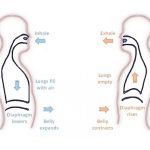
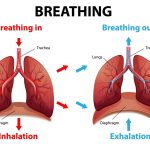
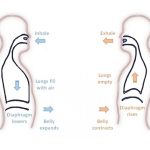
The diaphragm, a dome-shaped muscle located at the base of your lungs, is your primary engine for inhalation. When you breathe correctly for singing, a coordinated action takes place:
- Inhalation: Your diaphragm contracts and moves downward, creating a vacuum that pulls air into your lungs. This downward movement allows your lungs to expand fully into the lower chest and abdominal cavity. You’ll feel a noticeable outward expansion of your lower ribs and abdomen, not your upper chest or shoulders rising. Simultaneously, your intercostal muscles (between your ribs) help expand your rib cage outward, further increasing lung volume. This deep, expansive breath stands in stark contrast to shallow chest breathing, which restricts airflow and often leads to tension in the throat and neck, hindering vocal freedom.
- Exhalation: This is where the magic of control happens. Instead of simply letting the air rush out, your diaphragm gradually relaxes upward, while your deep abdominal muscles engage to resist this upward movement. This muscular engagement provides a slow, steady “brake” on the air release. This controlled exhalation maintains crucial subglottal pressure, ensuring a constant, stable airflow that gently yet powerfully vibrates your vocal cords, producing a supported tone without strain or breathiness.
Putting Theory into Practice: Your Daily Breath Check
To train your body for diaphragmatic breathing, consistent awareness is key.
- The Hand Test: Sit or stand tall with good posture, feet flat, shoulders relaxed. Place one hand on your upper chest and the other on your abdomen, just above your navel. Take a slow, deep breath through your nose. The goal is for the hand on your abdomen to rise noticeably, while the hand on your chest remains relatively still.
- Controlled Release: Once you’ve inhaled deeply, begin to exhale slowly and steadily through slightly pursed lips or your mouth. Feel your abdominal hand slowly fall inward as the air leaves your body, ensuring a smooth, even release. Practice this for several minutes daily, focusing on the calm, expansive feeling of the lower abdomen. This trains your body’s muscle memory for proper breath engagement.
Building Your Breath Reservoir: Targeted Exercises for Stamina and Control
Once you understand diaphragmatic breathing, you can begin to strengthen the muscles responsible for both sustained airflow and rapid, efficient breathing. These exercises are your secret weapons for developing significant vocal stamina.
Steady Stream: Sustained Airflow Drills
These drills teach your body to release air with consistent pressure over time, a fundamental skill for long vocal phrases.
- Sustained Hiss/Sizzle:
- How to: Take a full, deep diaphragmatic breath. Form a small, controlled opening with your lips and release the air with a steady “s” sound (like a controlled hiss or sizzle). The objective is an even volume and consistent air pressure from start to finish.
- Goal: Aim to maintain the hiss for 30 to 45 seconds. As you improve, focus on starting and ending the hiss without a sudden burst or decay of sound. This builds the muscular endurance needed for a smooth vocal line.
- Tip: Imagine a single, fine thread of air being pulled out of you, not a gush.
- Blowing Through a Thin Straw/Pursed Lips:
- How to: After a full diaphragmatic breath, exhale very slowly through pursed lips, or even better, through a thin straw (a coffee stirrer works well). Imagine you’re blowing out a candle flame, but you want the flame to flicker as little as possible.
- Benefit: The back pressure created by the small opening intensely strengthens the muscles responsible for controlled air release, making them more resilient. This direct feedback helps you feel precisely how much breath you’re expending.
- Practicality: Carry a straw with you! A few minutes of this drill can be done anywhere discreetly.
Dynamic Control: Rhythmic and Progressive Breathing
Singing isn’t always about holding one long note; it demands adaptability. These exercises develop both sustained and agile breath management.
- 4-7-8 Breathing Technique:
- How to: Inhale quietly through your nose for a count of 4. Hold your breath for a count of 7. Exhale completely through your mouth with a gentle “whoosh” sound for a count of 8.
- Benefit: This technique, often used for relaxation, is also excellent for singers. It encourages deep, full breaths and extends your exhalation phase, enhancing your ability to control a long, sustained release. Repeat 4-5 times.
- Mini-Case: A choir singer found this exercise particularly useful before performances, not only for breath control but also to calm pre-show jitters, which often lead to shallow breathing.
- Panting Exercises:
- How to: Stand tall with relaxed shoulders. Take quick, shallow breaths in and out through your mouth, mimicking a gentle “panting” sound, as if you’re a dog on a warm day. Crucially, ensure the movement originates from your diaphragm and abdomen, not your chest or shoulders.
- Benefit: This drill trains the agility and rapid responsiveness of your diaphragm and abdominal muscles, preparing them for quick vocal runs and phrases that require rapid breath cycles. Continue for about 30 seconds, focusing on controlled, even breaths.
- Progressive Counting:
- How to: Start with a simple inhale-hold-exhale pattern, perhaps 4-4-4 seconds. Gradually increase the counts: 5-5-5, then 6-6-6, working your way up to 10-10-10 or beyond.
- Advanced Variation: Challenge yourself by decreasing inhale counts while increasing exhale counts, such as inhaling for 2 seconds, holding for 2, and exhaling for a controlled 20 seconds.
- Benefit: This directly builds both the strength to hold breath and the stamina to release it slowly and consistently.
Integrating Sound: Vocalizing Your Breath Work
Ultimately, breath support serves your voice. These exercises merge breath control with actual vocalization.
- Adding Vocalizations to Breath Drills:
- How to: Instead of just hissing, try releasing your breath on consonant sounds like “F,” “S,” or “Sh.” Then, try humming a comfortable note in your middle register. The goal is to sustain the sound evenly throughout your breath, maintaining a steady tone and volume.
- Benefit: This helps you connect the physical sensation of breath control directly to your vocal output, immediately applying your breath work to the act of singing.
- Sustain a Note:
- How to: Take a deep diaphragmatic breath. Choose a comfortable pitch in your middle range and sing a single note, aiming for a steady volume and clear tone, free from wavering or strain. Hold the note for as long as possible.
- Goal: Gradually increase the duration of the sustained note over time. Record yourself to objectively track progress and identify any wavering or loss of support.
- Insight: Many singers find their breath “gives out” before their voice does. This exercise directly addresses that, strengthening the muscles needed to maintain consistent subglottal pressure until the very end of your air supply.
Beyond the Breath: Posture, Hydration, and Lifestyle for Vocal Health
While specific breath exercises are vital, your overall physical state and daily habits profoundly influence your functional lung capacity and vocal stamina.
Optimizing Your Framework: The Power of Posture
Your physical alignment is not merely aesthetic; it’s a critical component of efficient breath mechanics.
- The Slump Effect: A slumped or hunched posture compresses your chest cavity, making it impossible for your diaphragm to move freely and for your ribs to expand fully. This forces shallow breathing and puts undue strain on your neck and throat muscles.
- Optimal Posture for Singers: Visualize your body as a tall, stacked column.
- Feet: Shoulder-width apart, grounded, providing a stable base.
- Knees: Soft, never locked, allowing for natural sway.
- Spine: Naturally aligned, elongated upwards, not rigid.
- Shoulders: Rolled back and down, relaxed, creating an open chest.
- Rib Cage: Feel it gently suspended, slightly lifted, allowing for maximum expansion.
- Head: Balanced directly over your spine, not jutting forward, keeping your neck long and free of tension.
This alignment creates the maximum internal space for your lungs to expand, giving your diaphragm the freedom it needs to perform its work effortlessly.
Fueling Your Instrument: Hydration and Aerobic Fitness
Your vocal cords and respiratory system need optimal conditions to perform at their best.
- Hydration is Non-Negotiable: Your vocal folds vibrate thousands of times per second, and they need to be well-lubricated to do so efficiently and without damage. Aim for at least 8 to 10 glasses of cool or lukewarm water daily. Dehydration can make your vocal folds sticky and stiff, leading to fatigue and a reduced ability to control your voice. Avoid excessive cold water, which can constrict the vocal cords and make precise control more challenging.
- Aerobic Exercise for Lung Power: Regular cardio activities significantly improve overall cardiovascular health and, by extension, your respiratory efficiency. Engage in activities like brisk walking, jogging, cycling, or swimming for at least 30 minutes most days of the week.
- Swimming’s Special Benefit: Swimming is particularly effective for singers because the water’s gentle resistance encourages deeper breathing and strengthens your intercostal muscles, naturally improving breath control and stamina.
Protecting Your Asset: Avoid Toxins and Calm Nerves
External factors and your emotional state can impact your breath and vocal health.
- Say No to Smoke: Smoking, including vaping, is detrimental to lung health, reducing functional lung capacity and causing irreparable damage to your vocal folds and respiratory tract. Even secondhand smoke can be harmful. Avoid it entirely to protect your instrument.
- Calm Your Nerves, Calm Your Breath: Performance anxiety often manifests as shallow, rapid breathing, which is antithetical to supported singing. Before a performance or any challenging vocal task, try a simple calming breath technique: Inhale slowly through your nose for 4 counts, hold for 4 counts, and then exhale slowly and completely through your mouth for 6 counts. Repeat a few times to reset your breath and nervous system.
- Mind Your Environment: Be aware of the air quality in your practice and performance spaces. Dry air, dust, and pollutants can irritate your respiratory system and vocal folds. Consider using a humidifier or air purifier in indoor spaces, especially during dry seasons.
- Mind-Body Practices: Incorporating practices like Yoga, Tai Chi, or even mindful meditation can dramatically improve your body awareness, breath control, and overall coordination. These disciplines teach you to move with intention and to breathe deeply and consciously, directly benefiting your singing.
Quick Answers to Common Breath Control Questions
How long does it take to increase lung capacity for singing?
Genuine improvement in breath control and vocal stamina is a gradual process, not an overnight fix. With consistent daily practice (15-30 minutes) of diaphragmatic breathing and specific exercises, most singers can begin to notice significant improvements in their breath management and ability to sustain notes within 3 to 6 months. Deeper mastery and ingrained muscle memory can take a year or more. The key is consistency and patience.
Can singing actually increase my physical lung size?
No, singing training does not significantly increase the physical size of your lungs. As discussed, the goal is to enhance your functional lung capacity—your body’s ability to efficiently take in, manage, and control the air you already have. You’re becoming a more skilled user of your existing respiratory system, not physically expanding its volume.
Is shallow breathing always bad?
For singing, yes, shallow chest breathing is generally counterproductive because it restricts diaphragm movement, creates tension in the upper body, and limits your ability to generate consistent subglottal pressure. However, for everyday, quiet respiration when you’re not speaking or singing, our bodies naturally use a mix of chest and abdominal breathing. The issue for singers arises when shallow breathing becomes the dominant mode for vocal production.
What’s the biggest mistake singers make with breath support?
The most common mistake is pushing or forcing air out from the chest or throat, instead of engaging the abdominal muscles for controlled release. This creates tension, leads to a breathy or strained sound, and quickly exhausts your air supply. Remember, true breath support is about controlling the outgoing air, not pushing it.
Your Action Plan: Integrating Breath Work into Your Singing Practice
Mastering breath control is an ongoing journey, but the rewards are profound: a more confident, sustained, and expressive voice. Here’s a practical way to integrate these insights into your daily routine:
- Morning Reset (5 minutes): Start your day with the “Hand Test” for diaphragmatic breathing, followed by a few cycles of the 4-7-8 technique to set a calm, grounded breath pattern.
- Warm-up Essential (5-10 minutes): Before any vocal practice or performance, incorporate sustained hiss/sizzle drills and blowing through a straw. These immediately engage your breath control muscles and build stamina.
- Vocal Practice Integration (Ongoing): As you sing scales and exercises, consciously apply your diaphragmatic breathing. Focus on a relaxed inhale and a steady, controlled exhale. Practice “Sustain a Note” to connect breath duration with vocal stability.
- Movement & Awareness (Daily): Pay attention to your posture throughout the day. Integrate aerobic activity and stay well-hydrated. Consider adding a few minutes of conscious breathing during a walk or while doing household chores.
- Listen & Adjust: Record yourself often. Listen back to identify moments where your breath falters or where your tone becomes inconsistent. This self-feedback loop is invaluable for targeted improvement.
By treating your breath as the powerful engine it is, and giving it the diligent, informed training it deserves, you’ll unlock a new level of vocal freedom and stamina that will elevate your singing far beyond what you imagined.

- How to Increase Lung Capacity for Singing and Improve Vocal Stamina - March 25, 2026
- Breathing during Singing Techniques Elevate Your Vocal Performance - March 24, 2026
- How to Improve Lung Capacity for Singing With Breathing Exercises - March 23, 2026