When you’re ready to truly refine your voice and unlock your singing potential, finding excellent local vocal lessons is often the most direct path. It’s not just about hitting the right notes; it’s about understanding your unique instrument, building confidence, and finding your artistic expression right in your community. A great local instructor offers personalized feedback that generic online tutorials simply can’t match, helping you navigate everything from breath control to stage presence.
At a Glance: What You’ll Learn About Local Vocal Lessons
- Tailored Instruction: Discover how one-on-one lessons cater precisely to your current skill level and musical aspirations.
- Finding the Right Fit: Get a clear framework for evaluating instructors and programs in your area, beyond just location.
- Technique & Artistry: Understand the core areas a quality local program will cover, from healthy vocal technique to diverse musical styles.
- Community & Performance: Learn about the added benefits of local studios, such as recitals, workshops, and supportive environments.
- Making the Most: Practical advice on how to prepare for lessons, practice effectively, and track your progress.
Why Personal, Local Guidance Transforms Your Singing
Think of your voice as a unique instrument, complex and deeply personal. Unlike a guitar or piano, you can’t see the strings or hammers at work inside. This is where the value of local vocal lessons shines. A skilled instructor provides the “ears” you don’t have, identifying subtle habits, offering immediate adjustments, and guiding you through exercises specifically designed for your voice type and goals. They’re not just teaching you to sing; they’re teaching you to understand and master your voice.
For instance, a university-trained instructor, like those at The California Conservatory of Music, focuses on developing healthy vocal technique regardless of your starting point. They’ll correct tendencies that could lead to strain down the line and help you build a sustainable, powerful vocal practice. This foundational knowledge is crucial whether you dream of singing pop, jazz, musical theater, or classical pieces.
Navigating Your Search for the Ideal Vocal Coach
Finding the right local vocal instructor is a personal journey, but there’s a systematic way to approach it. Don’t just pick the closest option; consider what truly aligns with your goals and learning style.
Defining Your Vocal Goals
Before you even start searching, take a moment to reflect. What do you hope to achieve?
- Beginner Basics: Do you want to learn fundamental breathing, pitch, and posture?
- Genre Specialization: Are you aiming to master a specific style like opera, musical theater, or contemporary pop?
- Performance Readiness: Do you want to prepare for auditions, open mics, or community performances?
- Vocal Health & Longevity: Are you concerned about strain and want to learn healthy singing habits?
- Confidence Building: Is your primary goal to simply feel more comfortable and expressive when you sing?
Your answers will help you filter potential instructors and programs. A studio catering to aspiring opera singers might not be the best fit if your heart is set on pop covers, and vice-versa, though many instructors are versatile.
Key Qualities to Look for in a Local Instructor
When you’re vetting potential coaches for local vocal lessons, keep these critical factors in mind:
- Credentials & Experience: Look for instructors with formal musical education (e.g., university training) and substantial performance experience. This background often translates to a deeper understanding of vocal mechanics and artistic expression.
- Teaching Philosophy: Does their approach resonate with you? Some emphasize strict classical technique, while others are more flexible across genres. A good instructor will balance technical rigor with artistic freedom.
- Communication Style: Are they patient, encouraging, and clear in their explanations? You’ll be working closely with this person, so rapport is key.
- Student Success Stories: Ask about current and past students. Do they have students who have achieved similar goals to yours? This can be a strong indicator of their effectiveness.
- Flexibility & Adaptability: A great teacher can tailor their methods to different learning styles and vocal needs. They won’t use a one-size-fits-all approach.
Case Snippet: Sarah, an adult beginner, was initially hesitant to take lessons. She found a local teacher who not only had an impressive background in jazz vocals but also explicitly advertised working with adult beginners on building confidence. Sarah’s introductory lesson focused more on simple vocal exercises and discussing her anxieties than complex scales, which immediately put her at ease and confirmed the teacher was the right match.
What to Expect from High-Quality Local Vocal Lessons
Once you’ve found a promising program, understanding the typical structure and benefits of private local vocal lessons can help you maximize your experience.
The Foundation: Healthy Vocal Technique
Regardless of genre, the core of good singing lies in healthy technique. Your instructor will likely cover:
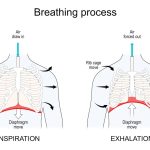
- Breath Control: Learning to use your diaphragm effectively for sustained notes and powerful delivery. This isn’t just about taking a deep breath; it’s about managing that breath.
- Posture & Alignment: How your body alignment impacts breath support and vocal resonance. A slumped posture can literally choke your sound.
- Pitch & Intonation: Developing a keen ear and precise control to hit notes accurately.
- Vocal Warm-ups: Essential exercises to prepare your voice, increase flexibility, and prevent strain.
- Resonance & Projection: Exploring different vocal placements to achieve a rich, full sound that carries.
- Vocal Health: Understanding how to care for your voice, especially during illness or heavy use.
Exploring Musical Styles and Artistry
Beyond technique, local vocal lessons are where you dive into the expressive side of singing. A versatile instructor will guide you through:
- Genre Exploration: From classical and opera to pop, rock, R&B, and musical theater, you’ll work on songs that fit your voice and interests. Your instructor should be knowledgeable across various styles, helping you adapt your technique to each.
- Interpretation & Emotion: How to convey the story and emotion behind a song, connecting with your audience. This involves understanding lyrics, dynamics, and phrasing.
- Audition Preparation: For those with performance goals, lessons often include mock auditions, repertoire selection, and stage presence coaching.
- Microphone Technique: Learning how to effectively use a microphone for live performances or studio recordings.
- Building Repertoire: Expanding your song list with pieces that showcase your strengths and challenge your growth.
The California Conservatory of Music, for example, prides itself on instructors who are not just technicians but artists themselves. They focus on helping students “express artistry” and “reach their full potential” across a broad spectrum of styles. This holistic approach ensures you develop both the ‘how’ and the ‘why’ of singing.
The Added Value of a Local Music Community
Choosing local vocal lessons often means more than just private instruction; it can open doors to a vibrant local music community.
Performance Opportunities
Many local music schools and independent studios offer:
- Student Recitals: Regular chances to perform in a supportive environment, gaining invaluable stage experience. This is where theory meets practice and confidence truly blossoms.
- Open Mic Nights/Showcases: Opportunities to perform in more casual settings, often alongside other students or local musicians.
- Community Events: Participation in local festivals, charity concerts, or seasonal performances.
These experiences are crucial for developing performance skills, managing stage fright, and connecting with fellow musicians. They turn what might otherwise be a solitary learning journey into a shared, rewarding experience.
Workshops & Masterclasses
Beyond regular lessons, local institutions sometimes host:
- Specialized Workshops: Focus on specific areas like songwriting, harmony, vocal improvisation, or audition techniques.
- Masterclasses: Opportunities to learn from guest artists or highly accomplished vocalists, often observing and participating in public lessons.
These additional learning opportunities provide fresh perspectives and expand your musical horizons.
If you’re looking for a broader understanding of how these local options fit into the bigger picture of vocal development, you might find more comprehensive guidance here: Explore singing classes near you. This link provides context on finding all types of singing instruction, including the personalized, local options discussed here.
Maximizing Your Local Vocal Lesson Experience
Once you’ve committed to local vocal lessons, how do you ensure you get the most out of every session and see consistent progress?
Preparation is Key
- Warm Up Beforehand: Arrive with your voice already warmed up. This saves precious lesson time for actual coaching and technique work. A simple 10-15 minute warm-up can make a huge difference.
- Bring Your Materials: Have your sheet music, lyrics, a water bottle, and a notebook ready.
- Know Your Goals for the Session: Briefly think about what you want to work on or any challenges you faced during practice.
- Record Your Lessons (with permission): Audio or video recordings are invaluable for reviewing concepts and correcting habits between lessons.
Effective Practice Between Sessions
Your progress hinges on what you do outside the lesson room.
- Consistent Practice: Aim for shorter, more frequent practice sessions (e.g., 20-30 minutes, 4-5 times a week) rather than one long session once a week.
- Focused Drills: Don’t just sing songs. Dedicate time to the specific exercises and techniques your instructor assigned. Are you working on breath support? Focus solely on those breathing exercises for a block of time.
- Active Listening: Listen to recordings of your lessons and your practice sessions. Objectively identify areas for improvement.
- Self-Correction: Use your instructor’s feedback to guide your self-correction. Can you identify why that note was flat or that phrase sounded strained?
- Enjoy the Process: Learning to sing should be fun. Pick songs you love, experiment, and celebrate small victories.
Practical Scenario: Mark was struggling with a particular high note in a pop song. His instructor at his local studio broke down the issue, identifying a lack of proper breath support and an unnecessary tension in his jaw. For the next week, Mark’s homework wasn’t just to sing the song repeatedly, but to spend 10 minutes daily on specific diaphragmatic breathing exercises and another 10 on gentle jaw relaxation stretches before even attempting the high note. By their next lesson, the improvement was noticeable.
Quick Answers: Common Questions About Local Vocal Lessons
Q: How long does it take to see results from vocal lessons?
A: This varies greatly by individual, commitment, and starting point. However, most students notice tangible improvements in breath control, pitch accuracy, and vocal confidence within 2-3 months of consistent weekly lessons and daily practice. Significant vocal transformation can take a year or more.
Q: Are local vocal lessons only for aspiring professionals?
A: Absolutely not. Local vocal lessons serve singers of all levels, from complete beginners with no prior experience to advanced adults looking to refine specific techniques or prepare for auditions. Many studios, like The California Conservatory of Music, explicitly cater to all ages and experience levels, emphasizing confidence building for everyone.
Q: What’s the typical cost of local vocal lessons?
A: The cost can vary based on location, instructor experience, and lesson duration (e.g., 30, 45, or 60 minutes). Expect anywhere from $60-$120 per hour-long session, with discounts sometimes available for package deals or longer commitments. Many studios also offer a free introductory lesson, which is a great way to experience the program without obligation.
Q: Can I learn multiple musical styles from one instructor?
A: Yes, many university-trained vocal instructors are adept at teaching across various genres, including pop, musical theater, jazz, opera, and classical singing. Their foundational knowledge of vocal mechanics applies universally, and they can guide you in adapting your technique to different stylistic demands. It’s always a good idea to discuss your stylistic interests during your initial consultation.
Q: What if I’m shy about singing in front of someone?
A: It’s completely normal to feel nervous initially. A good vocal coach understands this and creates a safe, encouraging environment. They’ll start with simple exercises and focus on building your comfort and confidence step by step. Remember, they’ve taught countless students, and shyness is a common hurdle they’re equipped to help you overcome.
Your Path Forward: Making the Decision
Choosing to invest in local vocal lessons is a commitment to yourself and your voice. It’s about harnessing expert guidance to transform your passion into skill.
- Clarify Your Vision: What kind of singer do you want to be? What music truly moves you?
- Research Local Options: Use online searches, ask for recommendations, and check out local music schools. Look for instructors whose profiles align with your goals and preferred styles.
- Schedule Introductory Lessons: Take advantage of free introductory lessons or trial sessions. This is your chance to meet the instructor, experience their teaching style, and see if the studio environment feels right.
- Commit and Practice: Once you find the right fit, commit to regular lessons and diligent practice. Remember, consistency is the true secret to vocal improvement.
With the right local expert by your side, your singing journey will be one of discovery, growth, and ultimately, profound personal expression.