Ever belt out a song in the car, hit a note perfectly, and think, “Hey, that wasn’t half bad”? Or maybe you’ve stood in a crowd at a concert, mesmerized by the singer’s control and power, and felt a spark of “what if?” That spark is the beginning of a journey. For many, the next step is a quick search for private voice lessons near me, hoping to turn that quiet “what if” into a confident, resounding “heck yes.”
You’re in the right place. This isn’t just about finding a teacher; it’s about finding the right partner to help you discover, train, and trust your unique voice. Whether you dream of fronting a band, nailing a musical theater audition, or simply singing with more confidence at karaoke night, personalized instruction is the fastest and safest way to get there.
At a Glance: Your Quick Guide to Vocal Lessons
No time to read it all? Here are the key takeaways for starting your vocal journey:
- Personalized is Powerful: One-on-one lessons offer tailored feedback that YouTube tutorials can’t, preventing bad habits and accelerating progress.
- Goals Matter: Knowing why you want to sing (for fun, performance, a specific genre) is the most important first step in finding the right instructor.
- Credentials Count (But Vibe is Key): Look for teachers with formal training and performance experience, but always do a trial lesson to ensure their teaching style clicks with your personality.
- It’s a Marathon, Not a Sprint: Healthy vocal technique is built over time through consistent practice. Expect to focus on fundamentals like breath support before tackling your favorite power ballad.
- Anyone Can Improve: The idea of being “tone-deaf” is largely a myth. With the right guidance, virtually anyone can learn to sing more accurately and confidently.
Why a Private Teacher Beats a YouTube Tutorial Every Time
In an age of endless online tutorials, it’s tempting to think you can learn everything from a screen. And while YouTube is a fantastic resource for tips and warm-ups, it has one critical flaw: it can’t hear you.
Your voice is a unique instrument housed inside your body. A great vocal instructor acts as both a personal trainer and an expert mechanic for that instrument.
- They provide real-time, personalized feedback. An experienced teacher can hear the subtle tension in your jaw, see the posture that’s limiting your breath, and correct it on the spot. This prevents you from ingraining bad habits that can take months to undo and, in some cases, even lead to vocal strain.
- They build a plan just for you. Your goals, vocal range, and musical tastes are unique. A private instructor designs lessons around them. For example, a music school like the California Conservatory of Music customizes its one-on-one lessons for each student, whether they’re a 10-year-old learning a pop song or an adult exploring jazz standards. The right program of vocal training near you will meet you exactly where you are.
- They provide structure and accountability. It’s easy to skip a YouTube session. It’s much harder to skip a lesson you’ve paid for with a teacher who is invested in your success. This consistent accountability is often the secret ingredient to real, lasting progress.
Think of it this way: you could learn to lift weights by watching videos, but a personal trainer will ensure your form is perfect, push you to your potential, and keep you from getting injured. The same is true when you find local voice lessons.
Decoding the Lingo: Teacher vs. Coach vs. Instructor
As you start your search, you’ll see these terms used almost interchangeably. While there’s a lot of overlap, understanding the subtle differences can help you refine your search.
- Voice Teacher/Instructor: This professional primarily focuses on building the instrument itself. They work on the foundational mechanics of singing: breath support, posture, resonance, pitch accuracy, and extending your vocal range. They are the architects of your voice, ensuring you have a healthy, sustainable technique. If you’re a beginner, this is where you should start. Many people begin their journey when they find Local Voice Instructors in their area.
- Vocal Coach: A coach typically works with singers who already have a solid technical foundation. Their job is less about how to produce the sound and more about how to use it. They focus on interpretation, phrasing, style, diction, and performance. An actor might see a vocal coach to prepare for a musical theater role, or a recording artist might hire one to polish their songs before heading into the studio. When you’re ready for that step, you can explore voice coaching near you.
For most people starting out, the goal is to find a great teacher who incorporates elements of coaching. You need someone who can build your technique and help you apply it to the music you love. Don’t get too hung up on the title; focus on the teacher’s skills and approach. The most important thing is finding the right person, so be sure to find a vocal instructor who understands your specific needs.
Your Roadmap to Finding the Perfect Local Vocal Teacher
Finding the right person can feel overwhelming, but a structured approach makes it manageable. Follow these steps to connect with a teacher who can truly help you grow.
Step 1: Define Your “Why”
Before you type a single word into a search bar, grab a notebook and ask yourself a few questions:
- What are my goals? Be specific. Is it to sing lead in a band? Join a choir? Feel more confident at karaoke? Prepare for a college audition? Land a role in the community musical?
- What style of music excites me? Do you love pop, rock, R&B, musical theater, jazz, or classical? While foundational technique is universal, a teacher specializing in your genre will be better equipped to teach its specific stylistic nuances.
- What’s my budget and schedule? Be realistic about what you can afford and how much time you can commit to both lessons and practice. Lessons can range from $30 for a half-hour with a newer teacher to over $150 for an hour with a seasoned pro.
Answering these questions first will act as your compass, guiding you toward the right instructors and saving you from wasting time on those who aren’t a good fit. This is especially true if you’re looking for local adult singing lessons, where goals can range from professional development to pure personal enrichment.
Step 2: Begin the Search
With your “why” in hand, it’s time to start looking. Cast a wide net before narrowing it down.
- Local Music Schools: Institutions like the aforementioned California Conservatory of Music are often a great place to start. They typically have a roster of vetted instructors with diverse specialties, handle all the scheduling and billing, and often provide performance opportunities like recitals. Finding a quality vocal studio can provide a professional and encouraging environment.
- Online Directories: Websites like Thumbtack, Lessons.com, and TakeLessons allow you to filter by location, instrument, and price. These platforms often feature reviews from other students, which can be incredibly helpful.
- University Music Departments: Check the websites of local colleges or universities. They often have community music programs or lists of graduate students and faculty who teach privately. These instructors are typically highly qualified.
- Word of Mouth: Ask around! Talk to friends in choirs, local bands, or community theater groups. A personal recommendation is one of the most reliable ways to find voice teachers nearby.
Step 3: Vet Your Candidates
Once you have a shortlist of 3-5 potential teachers, it’s time to do some homework. Look for a combination of qualifications, experience, and teaching philosophy.
| Key Area | What to Look For |
|---|---|
| Education & Training | A degree in music, vocal performance, or music education is a strong indicator of formal training. Certifications in vocal pedagogies (like Somatic Voicework™ or vocology) are also excellent signs. |
| Performance Experience | Has the teacher performed professionally? Instructors with real-world stage experience, like those at many established conservatories, understand the pressures and joys of performance and can share invaluable insights. |
| Teaching Experience | How long have they been teaching? Do they have experience with students at your level (beginner, intermediate) and in your age group? Look for testimonials or student success stories. |
| Musical Style | Check their biography or website. Do they specialize in the genre you want to sing? A classical opera singer might not be the best fit if your goal is to front a punk band. |
| Don’t be shy about digging in. You’re looking for a partner in your education, and finding the right fit is crucial. The goal is to find the best singing lessons nearby for your specific journey. |
Step 4: The All-Important Trial Lesson
This is the single most important step. Almost every reputable teacher or school offers a trial lesson, sometimes for free or at a reduced rate. This is your chance to interview them, experience their teaching style, and see if your personalities mesh.
During the trial lesson, pay attention to:
- The Vibe: Do you feel comfortable and supported? A good teacher creates a safe space where you’re not afraid to make mistakes.
- Their Communication Style: Do they explain concepts clearly? Do they use imagery or analogies that make sense to you?
- Their Approach: Do they ask about your goals? Do they assess your voice without harsh judgment? Do you leave with at least one small, tangible thing you can work on?
Trust your gut. The best-qualified teacher in the world won’t help you if you dread going to your lessons. You should leave a trial lesson feeling inspired and optimistic. This is a critical step whether you’re looking for local private voice coaching or a foundational instructor.
What to Expect in Your First Few Lessons
The first lesson can be nerve-wracking, but knowing what’s coming can ease the anxiety. It’s not an audition; it’s a diagnostic session.
- The Conversation: Your teacher will spend time getting to know you, your musical background (even if it’s zero!), and your goals. This is a continuation of the “define your why” step.
- The Assessment: They’ll guide you through some simple exercises to get a sense of your voice. This might include singing scales, matching pitch, and testing your vocal range (how high and low you can comfortably sing). There’s no judgment here—it’s just data collection.
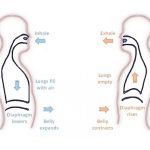
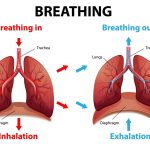
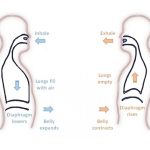
- The Foundation: Breath! Expect to talk about breathing on day one. You’ll learn about diaphragmatic breathing—the engine of a powerful voice. It might feel strange at first, but it is the single most important aspect of healthy singing.
- First Exercises: You’ll likely do some basic warm-ups like lip trills (motorboat sounds), humming, or singing simple patterns on vowels. These aren’t glamorous, but they are the building blocks of good technique.
- Setting a Plan: By the end of the first or second lesson, your teacher should be able to outline a basic plan for what you’ll work on together and give you a few simple things to practice at home.
The journey starts with these small, foundational steps. It’s about building the instrument before you try to play a symphony on it. Many discover local voice coaches who also have this foundational approach.
Private vs. Group Lessons: Which Path is Right for You?
While this guide focuses on private lessons, it’s worth knowing your options. Many studios offer both formats.
Private Voice Lessons
- Pros: 100% personalized attention, faster progress, flexible scheduling, tailored to your specific goals and vocal challenges.
- Cons: Higher cost per session.
- Best for: Anyone with specific performance goals, beginners who want to build a solid foundation, or singers working through particular vocal hurdles. This is the premium standard for local private vocal coaches.
Group Voice Lessons - Pros: More affordable, social and fun, great for building confidence in a low-pressure environment.
- Cons: Little to no individual feedback, curriculum is generalized, you move at the group’s pace.
- Best for: Absolute beginners who are nervous about singing alone, people looking for a fun social outlet, or as a supplement to private lessons. If you’re curious, you can discover group singing classes to see if it’s a good fit.
For most people serious about improving their voice, a private lesson is the superior investment. However, if budget is a major concern, find local voice classes can be a fantastic entry point into the world of singing.
Frequently Asked Questions & Vocal Myths, Debunked
Let’s clear up some of the most common questions and misconceptions that hold people back.
Q: How much do private voice lessons cost?
A: Prices vary widely based on your location, the teacher’s experience, and lesson length. Expect to pay anywhere from $40-$80 for a 30-minute lesson and $60-$150+ for a 60-minute lesson. Music schools sometimes offer package deals.
Q: Am I too old to start singing lessons?
A: Absolutely not! The voice is a part of your body, and like any muscle, it can be trained at any age. Many instructors specialize in teaching adults and find them to be incredibly dedicated students. There are many wonderful connect with local voice teachers who love working with mature voices.
Q: Do I need to know how to read music?
A: No, you don’t need to be a sight-reading pro to start. Most teachers work by ear, especially in contemporary styles like pop and rock. However, learning some basic music theory is incredibly helpful and will make you a better musician in the long run. Some instructors even offer combined lessons, so you can find piano and vocal lessons to build both skills simultaneously.
Q: How long will it take to see results?
A: You’ll likely feel a difference in your very first lesson—perhaps a new awareness of your breath or a slightly easier high note. You’ll hear a noticeable difference within 3-6 months of consistent lessons and practice. Significant, lasting change is a long-term process measured in years, not weeks.
Q: What if I prefer a teacher to come to my home?
A: That’s definitely an option! Many instructors offer in-home lessons for an additional travel fee. This can be a great choice for busy families or individuals with mobility challenges. You can specifically find in-home voice teachers through various online platforms.
Myth: “You’re either born with it, or you’re not.”
This is the biggest myth in singing. While some people may have a more natural aptitude, singing is a physical skill. Just like a world-class athlete isn’t born a champion, a great singer isn’t born with perfect technique. They develop it through thousands of hours of dedicated, intelligent practice with expert guidance.
Your Voice is Waiting. It’s Time to Answer.
The search for “private voice lessons near me” is more than just a logistical task—it’s an investment in yourself. It’s an act of courage that says you’re ready to take that private car concert public, to share your voice with confidence and skill.
The journey starts with a single step. Use this guide to define your goals, find potential mentors, and book that first trial lesson. The right teacher will do more than just teach you scales; they will be your guide, your cheerleader, and your partner in the incredible process of unlocking the voice that has been inside you all along.

- Voice Breathing Exercises Build Stronger Support for Your Singing - March 26, 2026
- How to Increase Lung Capacity for Singing and Improve Vocal Stamina - March 25, 2026
- Breathing during Singing Techniques Elevate Your Vocal Performance - March 24, 2026