Dreaming of hitting those high notes or perfecting your vocal control, but balking at the typical hourly rates for singing lessons? Many aspiring vocalists wonder if it’s even possible to find singing lessons near me for free. The good news is, while truly ‘free’ professional 1-on-1 instruction is rare due to the inherent value of expert time and tailored feedback, there are many legitimate, highly effective avenues to significantly reduce costs or learn effectively without direct payment. It’s about smart strategy and leveraging available resources.
At a Glance: Your Roadmap to Free Vocal Training
- Online is Your Biggest Ally: Discover platforms and channels offering extensive, structured vocal exercises and theory.
- Community is Key: Tap into local groups, choirs, and events for practical experience and peer learning.
- Think Beyond “Lessons”: Focus on developing vocal habits, ear training, and performance exposure.
- Strategic Self-Study: Learn how to structure your practice and identify reliable free resources.
- The “Trade-Off” Principle: Understand what you gain and potentially miss compared to paid instruction.
- Safeguard Your Voice: Prioritize healthy vocal practices, especially when learning without direct supervision.
Understanding “Free”: The Nuance of No-Cost Vocal Training
Let’s be clear: a professional vocal coach, with years of training and experience, typically charges between $50 to $90 per hour, sometimes more depending on their reputation and location. They offer personalized feedback, tailored exercises, and a structured curriculum that’s hard to replicate. When we talk about finding “singing lessons near me for free,” we’re generally talking about a spectrum of alternatives that provide immense value without the direct financial outlay.
These aren’t necessarily full, personalized lessons, but they are powerful tools for self-improvement, foundational learning, and gaining practical experience. The goal isn’t just to save money, but to actively participate in your vocal development using all available resources.
Leveraging Online Resources for Self-Guided Vocal Development
The internet is a treasure trove of vocal instruction, much of it available at no cost. Your success here depends on discipline and the ability to curate quality information.
Curating YouTube Channels and Video Tutorials
YouTube is arguably the most accessible starting point for free vocal training. Think of it as a vast library of mini-lessons.
- Warm-ups and Cool-downs: Search for “beginner vocal warm-ups,” “vocal cool-down exercises,” or “singing stretches.” Consistency with these protects your voice.
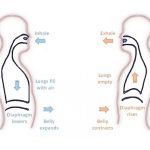
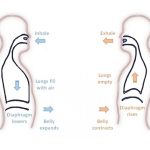
- Technique Breakdowns: Look for videos explaining specific concepts like “diaphragmatic breathing for singers,” “how to sing falsetto,” “vocal resonance exercises,” or “improving vocal tone.” Many professional coaches offer free introductory content.
- Ear Training & Pitch Matching: There are numerous channels dedicated to ear training exercises, helping you identify intervals, chords, and improve your pitch accuracy.
- Genre-Specific Tips: If you’re interested in pop, jazz, classical, or rock, you can often find tips tailored to those styles.
Pro Tip: Don’t just watch passively. Follow along, record yourself, and try to apply the techniques. Look for channels from reputable vocal coaches or universities, often recognizable by their consistent, structured content.
Free Online Courses and MOOCs (Massive Open Online Courses)
While many premium online courses come with a fee, some platforms allow you to audit courses for free. This means you can access lecture materials, videos, and readings without submitting assignments or earning a certificate.
- Platforms: Check out Coursera, edX, or even university websites. Search for “music theory,” “introduction to singing,” or “vocal performance fundamentals.”
- Content Focus: These often provide a more academic and structured approach to music and vocal science. You’ll learn about anatomy, acoustics, music history, and foundational theory, which underpins good vocal technique.
- The Power of Fundamentals: Understanding why certain techniques work, rather than just how to do them, makes your free learning much more effective.
Vocal Apps and Software (Freemium Models)
Many apps offer a free tier with basic functionalities that can be incredibly useful for budding singers.
- Pitch Monitoring Apps: Apps like “Vocal Pitch Monitor” or “Sing Sharp” (free version) can give you instant visual feedback on your pitch accuracy as you sing. This is invaluable for self-correction.
- Ear Training Apps: Many apps focus on helping you identify intervals, chords, and melodies, which directly improves your ability to sing in tune and understand music.
- Basic Exercise Apps: Some provide guided vocal warm-ups and simple exercises to build strength and flexibility.
Case Snippet: Sarah, a beginner, used a free pitch monitor app daily. She’d sing scales and simple melodies, watching the visual feedback. Within weeks, she noticed her pitch becoming significantly more stable, a foundational skill she developed entirely for free.
Community-Driven & Local Options: Unearthing Hidden Gems
Beyond your screen, your local community holds unexpected opportunities for vocal development.
Joining Local Choirs & Community Groups
This is one of the most effective ways to gain practical singing experience and informal vocal training without paying for private lessons.
- What you learn: Choirs teach you about harmony, blending your voice, breath control in a group setting, sight-reading, and often stage presence. Many choir directors provide vocal guidance during rehearsals.
- Where to find them: Check community centers, local churches, temples, universities (some offer non-student choirs), senior centers, or even online forums for local music groups.
- Networking: Being part of a choir connects you with other musicians and vocalists. These connections can lead to informal advice, shared resources, or even future performance opportunities.
Open Mic Nights & Jam Sessions
These aren’t formal lessons, but they offer critical performance experience and a chance to get informal feedback.
- Performance Practice: Overcoming stage fright, learning to engage an audience, and getting comfortable performing are invaluable skills.
- Peer Feedback: Other musicians and audience members might offer constructive criticism or encouragement.
- Exposure to Different Styles: You’ll hear various vocalists and musical genres, broadening your understanding and inspiration.
- Where to find them: Look at local coffee shops, bars, community art spaces, or music venues.
University Music Programs (Auditing/Student Recitals)
While enrolling in a university music program is expensive, you can often benefit from its presence in your community for free.
- Attend Student Recitals: These are usually free and open to the public. You can observe developing vocalists, listen to diverse repertoire, and gain insight into what high-level vocal training sounds like.
- Public Lectures/Workshops: Occasionally, universities or colleges host free public lectures or workshops related to music or vocal health. Keep an eye on their events calendars.
- Library Resources: Many university libraries are open to the public and contain extensive collections of music scores, vocal method books, and recordings.
Music Library Resources
Your local public library is an underutilized goldmine for aspiring singers.
- Books and DVDs: Find books on vocal technique, music theory, vocal health, and biographies of famous singers. Many libraries also have instructional DVDs.
- Online Learning Platforms: A growing number of libraries offer free access to premium online learning platforms like Lynda.com (now LinkedIn Learning), ArtistWorks, or Gale Courses, which often include excellent singing or music theory modules. All you need is a library card.
Creative Bartering and Exchange Programs: Skill Swaps
This approach requires creativity and a willingness to exchange your own talents for vocal instruction. It’s not strictly “free,” but it’s not direct monetary payment either.
Talent Exchange Networks
This involves offering a skill you possess in exchange for someone else’s.
- The Concept: Do you have skills in web design, graphic art, social media management, language tutoring, gardening, or something else a vocal coach might need? You could propose a trade: an hour of your skill for an hour of vocal coaching.
- Where to find them: Look for local skill-swap groups on social media, community bulletin boards, or specific online platforms dedicated to bartering services.
- Be Professional: Treat a barter arrangement as professionally as you would a paid engagement. Clearly define terms, expectations, and the duration of the exchange.
Case Snippet: Mark, a graphic designer, needed vocal lessons. He found a local vocal coach who needed a new logo and website banner. They agreed on a trade: 5 hours of design work for 5 one-hour vocal lessons. Both parties benefited immensely, and Mark finally started his singing journey.
Local Music Scene Networking
Engaging with your local music community can open doors to informal mentorship.
- Offer Assistance: Volunteer to help local bands or musicians with their gigs (e.g., setting up equipment, promoting shows).
- Build Relationships: As you get to know people, you might find experienced vocalists or teachers willing to offer informal tips, advice, or even short coaching sessions in exchange for your help or simply out of goodwill.
- Respect Boundaries: Always be respectful of a professional’s time and expertise. An informal tip is different from expecting a full lesson.
Leveraging Trial Lessons and Introductory Offers (Not Strictly Free, But Low Cost)
Many professional singing teachers offer a free consultation or a heavily discounted introductory lesson. While these aren’t entirely free, they offer a low-stakes way to experience professional instruction.
- Free Consultations: These typically involve a conversation about your goals, a brief vocal assessment, and an overview of the teacher’s methodology. It’s a chance to ask questions and see if the teacher is a good fit.
- Discounted First Lessons: Some teachers offer a 30- or 45-minute lesson at a significantly reduced rate (e.g., half price or a flat low fee). This allows you to experience a structured lesson and get direct feedback.
- Strategic Shopping: As recommended by experts, it’s wise to get at least three estimates from teachers with similar credentials and even conduct a trial meeting or lesson with several to find the best fit. This strategy lets you “sample” professional instruction without a huge financial commitment. For a deeper dive into evaluating paid options and what to look for in a teacher, you might want to Explore singing classes.
Structuring Your Free Learning Journey: A Practical Playbook
Finding free resources is only half the battle; the other half is organizing them into an effective learning path.
- Define Your Goals: What specifically do you want to achieve? “Sound better” is too vague. Aim for “sing in tune consistently,” “extend my range by three notes,” or “master proper breath control.”
- Create a Consistent Routine: Dedicate specific times each day or week for vocal practice. Even 15-20 minutes of focused warm-ups and exercises are more effective than sporadic hour-long sessions.
- Example Schedule:
- Monday: 15 min vocal warm-ups (YouTube), 30 min ear training app.
- Wednesday: 15 min vocal warm-ups, 30 min focused technique (online course material), 15 min practice a song.
- Friday: 15 min vocal warm-ups, 30 min recording self and reviewing, 15 min learning a new song/harmony.
- Weekend: Attend choir rehearsal or open mic.
- Record Yourself Regularly: This is perhaps the most crucial “free” tool. Your perception of your voice in your head is often different from how it truly sounds. Use your phone to record practice sessions and objectively analyze your pitch, tone, rhythm, and diction.
- Seek Constructive Feedback (Cautiously): Share recordings with trusted, musical friends, fellow choir members, or even specific online communities that offer supportive critique. Be open to feedback and filter it for actionable insights.
- Listen Actively and Critically: Don’t just listen to music; analyze it. Pay attention to how vocalists use their breath, articulate words, create dynamics, and shape their phrases. Try to mimic what you hear and then understand the underlying technique.
- Combine and Diversify Resources: Don’t rely on just one free YouTube channel. Mix online courses with apps, library books, and community experiences to get a well-rounded education.
Pitfalls to Avoid When Pursuing Free Lessons
While free resources are fantastic, they come with certain risks that paid, personalized instruction largely mitigates.
- Developing Bad Habits: Without a trained ear to correct you, it’s easy to accidentally adopt incorrect posture, breathing, or vocal production habits that can be detrimental to your voice and difficult to unlearn later.
- Lack of Structured Progression: Jumping from one random tutorial to another without a cohesive plan can lead to slow, disjointed progress and frustration.
- Ignoring Vocal Health: Pushing your voice too hard, singing incorrectly, or not knowing when to rest can lead to strain, hoarseness, and even long-term vocal damage. Always err on the side of caution.
- Unreliable Information: Not all free content online is accurate or from credible sources. Exercise discernment and cross-reference information from multiple reputable vocal coaches or academic sources.
Quick Answers: Common Questions About Free Singing Lessons
Q: Can I truly learn to sing well without paying for lessons?
A: You can absolutely learn to sing much better and develop strong foundational skills using free resources and self-study. However, reaching an advanced, professional level often benefits immensely from the personalized, corrective feedback only a skilled private teacher can provide.
Q: How long does it take to see improvement with free resources?
A: Improvement varies greatly depending on your starting point, consistency, and how effectively you utilize resources. Many beginners can see noticeable improvements in pitch, breath control, and vocal comfort within 3-6 months of consistent, focused practice.
Q: Are free online vocal exercises safe for my voice?
A: Most widely available vocal warm-ups and basic exercises from reputable sources are generally safe. The risk comes when you push your voice too hard, use incorrect technique, or follow exercises that aren’t appropriate for your vocal range or current ability. Always prioritize comfort and stop if you feel pain or strain.
Q: What’s the biggest difference between free and paid singing lessons?
A: The most significant difference is personalized, real-time feedback and a tailored curriculum. A paid teacher can immediately identify your specific vocal issues, demonstrate correct technique, provide custom exercises, and guide your progression safely and efficiently. Free resources require you to be your own diagnostician and curriculum developer.
Your Voice, Your Journey: Taking the Free Route
Finding “singing lessons near me for free” isn’t a pipe dream; it’s an exciting challenge that empowers you to take control of your vocal development. It demands self-discipline, curiosity, and a proactive approach, but the rewards are immense. By thoughtfully combining online resources, engaging with your local music community, exploring skill swaps, and strategically utilizing introductory offers, you can build a robust foundation for your singing journey without significant financial outlay.
Don’t let the cost be a barrier to your passion. Start by exploring one or two of these avenues today. Record yourself, listen critically, and keep practicing. Your voice is waiting to be discovered and nurtured, and with a little ingenuity, you can embark on that journey without opening your wallet.

- Voice Breathing Exercises Build Stronger Support for Your Singing - March 26, 2026
- How to Increase Lung Capacity for Singing and Improve Vocal Stamina - March 25, 2026
- Breathing during Singing Techniques Elevate Your Vocal Performance - March 24, 2026