When you’re ready to unlock your vocal potential, one of the first questions that naturally comes to mind is, “What are typical singing lessons prices?” It’s a smart question, because understanding the investment upfront helps you budget and find the best fit. From a specialist’s perspective, the cost isn’t just a number; it’s a reflection of a teacher’s expertise, the value you’ll gain, and the structure of the lessons themselves.
It’s crucial to understand that singing lesson costs aren’t one-size-fits-all. They vary significantly based on a range of factors, much like any specialized skill. However, with the right information, you can navigate these variations and find quality instruction that aligns with your goals and budget.
At a Glance: Key Takeaways on Singing Lesson Costs
- Average Range: Expect to pay between $50 to $90 per hour in many areas, though this can fluctuate.
- Influencing Factors: Teacher’s experience, location, reputation, and lesson format (private vs. group) are primary drivers.
- Savings Opportunities: Look for package deals or longer lesson increments to reduce the per-lesson cost.
- Investment, Not Expense: Lessons build foundational vocal skills, range, and confidence, delivering long-term value.
- Adults Welcome: It’s never too late to start or improve your singing voice, regardless of age.
- Smart Shopping: Comparing multiple teachers and asking key questions are essential for finding the right fit and value.
Understanding the Price Tag: What Shapes Singing Lessons Prices?
When you see a price for a singing lesson, it’s not arbitrary. Several core elements contribute to the final cost, and recognizing these can help you understand where your money is going and what to prioritize.
The Big Factors at Play
The most significant factors influencing how much you’ll pay for a singing lesson boil down to the teacher and their environment.
- Teacher’s Experience and Credentials: Highly experienced teachers, especially those with advanced degrees in vocal performance or pedagogy, a strong performance background, or a history of successfully training professional singers, naturally command higher rates. They bring a depth of knowledge and refined teaching methods that newer teachers might not yet possess. Think of it like hiring an expert chef versus a culinary student—both can cook, but the former brings a different level of mastery.
- Location, Location, Location: Just like real estate, the cost of living and operating a business in a specific geographic area directly impacts lesson prices. For instance, singing lessons in a high-cost-of-living area like Fremont, CA, average $50 to $90 per hour. Rural areas or regions with lower overhead costs might see slightly lower rates. Online lessons can sometimes mitigate this, opening up access to teachers from various locations.
- Teacher’s Reputation and Demand: A highly sought-after teacher with glowing reviews and a waiting list will often charge more. Their reputation for delivering results speaks volumes, and demand allows them to set premium prices. Conversely, a newer teacher building their clientele might offer introductory rates to attract students.
Private vs. Group Lessons: A Cost-Benefit Balancing Act
The format of your lesson plays a crucial role in the per-person cost and the kind of attention you receive.
- Private Lessons: These are the gold standard for personalized vocal development. You get the teacher’s undivided attention, allowing for tailored exercises, immediate feedback on your specific vocal challenges, and a curriculum designed entirely around your goals. While the per-hour rate is higher, the progress can often be faster and more targeted. It’s like having a personal trainer for your voice.
- Group Lessons: Typically, group lessons are less expensive per person. They offer a more communal learning environment, which can be great for building confidence, performing in front of others, and learning from peers. However, the trade-off is less individual attention from the teacher. Your specific vocal quirks might not get the same immediate, detailed feedback as in a private setting. This format can be excellent for beginners or for those who thrive in a collaborative atmosphere.
Lesson Duration and Packages: Smart Ways to Save
Teachers often structure their pricing in ways that can offer savings, especially if you’re committed to ongoing learning.
- Lesson Increments: Most teachers offer lessons in standard increments: 30 minutes, 45 minutes, or 60 minutes. While a 30-minute lesson is cheaper upfront, a 60-minute lesson might offer better value per minute, allowing more time for warm-ups, technical work, song application, and cooldowns.
- Package Deals: This is where smart budgeting comes in. Many teachers offer package deals, such as 2, 5, or even 10+ lessons purchased upfront. Buying in bulk usually reduces the cost per lesson significantly. It’s a win-win: you save money, and the teacher gets a commitment, which helps with scheduling and ensures consistent student progress. Always inquire about these options.
Beyond the Sticker Price: What’s Included in Your Investment?
Looking at “singing lessons prices” solely as a cost misses the bigger picture. These lessons are an investment in a skill that brings immense personal satisfaction and practical benefits.
Think about what you’re truly gaining:
- Vocal Health and Strength: Lessons teach you how to strengthen your vocal cords safely, preventing strain and building endurance.
- Expanded Range and Tone: A good teacher will guide you in extending your vocal range both higher and lower, and help you cultivate a richer, more resonant tone.
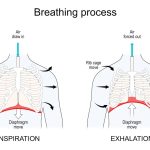
- Proper Posture and Breathing: You’ll learn the correct posture for optimal diaphragm expansion and master breathing techniques that are fundamental for vocal power and control. This foundational work impacts not just your singing but also your overall well-being.
- Clear Diction and Pitch Accuracy: Lessons enhance your diction for crystal-clear articulation of lyrics and develop your ear to match specific pitches with precision.
- Confidence and Performance Skills: Beyond technique, you’ll gain confidence in your voice, learn how to interpret songs, and perhaps even prepare for performances.
It’s important to remember that it’s never too late to begin learning and improving your voice. Adults, no matter their age, can take singing lessons and make significant progress. The joy of singing, the discipline of learning, and the personal growth are invaluable returns on your investment.
Your Action Plan: Finding the Best Value in Singing Lessons
Finding the right singing teacher isn’t just about comparing prices; it’s about finding the best fit for your learning style, goals, and budget. Here’s a practical guide to help you make an informed decision.
Step 1: Research and Compare
Start broad, then narrow your focus.
- Check Online Reviews: Websites like Lessons.com and Google are excellent starting points. Look for teachers with consistently high ratings and detailed reviews that mention specific benefits or teaching styles. Pay attention to what students say about the teacher’s patience, effectiveness, and ability to connect.
- Seek Local Recommendations: Tap into your local music community. Ask friends, local musicians, choir directors, or music school administrators for recommendations. Word-of-mouth referrals often lead to hidden gems.
- Gather at Least Three Estimates: Once you have a shortlist, contact at least three teachers with similar credentials or teaching styles. This will give you a good baseline for current market rates and allow you to compare their specific offerings.
Step 2: Meet the Teacher and Assess the Fit
This stage is crucial for ensuring compatibility and a productive learning environment.
- Do a Trial Meeting or Lesson: Many teachers offer a discounted or free introductory meeting. Take advantage of this! It’s your chance to experience their teaching style firsthand and see if your personalities click. A trial lesson is even better, as it gives you a taste of their methodology.
- Inquire About Their Background and Methods: Don’t hesitate to ask about their training, credentials, and specific methods or techniques they use. Do they specialize in a particular genre or vocal style? How do they track student progress? A good teacher will be transparent and eager to share this information.
- Ensure Schedule Compatibility: Your dream teacher won’t be helpful if their schedule never aligns with yours. Discuss availability upfront and ensure it works for both of you long-term.
Step 3: Ask the Right Questions
These questions will help you uncover details beyond the listed singing lessons prices and ensure you’re making a wise investment.
- What is your teaching experience? Understand their background and how long they’ve been teaching.
- Can you share any success stories from your students? This offers insight into their effectiveness.
- Do I need to have a “good voice” beforehand? Reassure yourself that lessons are for improvement, not just for the already talented.
- How long does it typically take to see improvement? Manage your expectations and understand the journey.
- Do you offer package deals for multiple lessons? Always ask about potential savings.
- What is your teaching schedule and what lesson durations do you offer? Confirm flexibility and options.
- How often do you recommend I practice? Get a realistic idea of the commitment required outside of lessons.
- Do you offer private or group lessons, or both? Explore all options to find your preferred learning environment.
- Where do you teach? Confirm their teaching location and if it’s convenient for you.
- Do you offer online lessons via video calling? This can be a flexible and sometimes more affordable option, especially if you’re not finding suitable teachers locally. For a deeper dive into finding suitable classes, regardless of their location, you might want to Explore local singing classes.
Case Snippet: Decoding a Typical Scenario
Let’s imagine two potential singing teachers in your area:
Teacher A: The Experienced Pro
- Background: 20 years teaching experience, professional opera singer background, degree in Vocal Performance, studio in a prime city location.
- Rates: $90/hour for private lessons. Offers a 4-lesson package for $320 ($80/lesson).
- What you get: Highly specialized technique, deep musical theory, connections to local music scene, personalized curriculum, potentially faster advanced progress.
Teacher B: The Up-and-Coming Educator - Background: 5 years teaching, recent music school graduate, active gigging musician, teaches from a home studio.
- Rates: $60/hour for private lessons. Offers a 5-lesson package for $275 ($55/lesson).
- What you get: Energetic approach, modern repertoire, strong foundational technique, more budget-friendly, potentially more flexible scheduling.
Your Decision: If you’re a beginner focused on foundational technique and budget-conscious, Teacher B might be an excellent starting point. If you’re an advanced singer looking to refine specific classical techniques and willing to invest more for specialized guidance, Teacher A could be the ideal match. The “best” price isn’t always the cheapest; it’s the one that aligns with your specific needs and goals.
Common Questions About Singing Lesson Costs (and Value)
It’s natural to have lingering questions about the financial commitment to singing lessons. Here are some quick answers to common concerns.
Q: Is it ever too late to start singing lessons?
A: Absolutely not! It’s never too late. Vocal cords can be strengthened, and technique can be learned at any age. Many adults find immense joy and improvement by starting lessons later in life.
Q: How quickly will I see improvement?
A: This varies greatly depending on your starting point, practice consistency, and natural aptitude. However, most students notice tangible improvements in tone, control, and confidence within 2-3 months of regular lessons and diligent practice. Significant vocal transformation is a journey, not a sprint.
Q: Are online singing lessons cheaper than in-person ones?
A: Sometimes, yes. Online teachers may have lower overheads (no studio rental) and you might have access to teachers in areas with a lower cost of living. However, highly sought-after online teachers can still charge premium rates regardless of location. The primary benefit is often convenience and access to a wider pool of instructors.
Q: Do I need a naturally “good voice” before taking lessons?
A: Not at all! Singing lessons are precisely for developing and improving your voice, regardless of your starting point. Many people who believe they “can’t sing” discover their potential with proper guidance. The desire to learn and a willingness to practice are far more important than any preconceived notion of talent.
Q: What if I can’t afford private lessons?
A: Don’t give up! Explore group lesson options, which are more budget-friendly. Also, consider package deals, shorter lesson durations (e.g., 30 minutes), or look for teachers who offer sliding scale fees or student discounts. Sometimes, local community colleges or music schools offer affordable group classes.
Making Your Decision: A Quick Start Checklist
Ready to take the next step? Use this checklist to guide your decision-making process:
- Define Your Goals: What do you want to achieve with singing lessons (e.g., better pitch, wider range, sing confidently in a choir, perform solo)?
- Set a Budget Range: Determine what you’re realistically comfortable spending per lesson or per month.
- Research 3-5 Potential Teachers: Use online reviews and local recommendations to create a shortlist.
- Contact Each Teacher: Inquire about their experience, teaching philosophy, available lesson types (private/group), duration, and, of course, their singing lessons prices and package deals.
- Schedule Trial Meetings/Lessons: This is non-negotiable for assessing personality and teaching style fit.
- Ask All Your Questions: Don’t hold back. Ensure you understand their methods, expectations, and how they track progress.
- Compare Value, Not Just Price: Consider the teacher’s expertise, the convenience of their location/online options, and the overall benefit you’ll receive for the cost.
- Make an Informed Choice: Select the teacher who best aligns with your goals, learning style, and budget.
Ultimately, investing in singing lessons is investing in yourself. While the financial aspect of singing lessons prices is a practical consideration, the long-term benefits of vocal improvement, personal expression, and confidence can be truly priceless. Take your time, do your research, and you’ll find the right guide to elevate your voice.