Ever wonder why some singers seem to have endless breath, effortlessly sustaining notes and navigating complex phrases with unwavering power? The secret isn’t magic; it’s the mastery of vocal breathing exercises. For many vocalists, the struggle isn’t with their voice itself, but with the unseen engine that powers it: their breath. Mismanaged airflow can turn a potentially stunning performance into a strained, short-lived effort, leaving both singer and audience feeling the tension.
This isn’t just about taking a deep breath; it’s about intelligent breath management – a foundational skill that unlocks true vocal control, stamina, and resonant tone. Without a conscious, controlled breath, your vocal cords are left unsupported, leading to fatigue, pitch issues, and a lack of dynamic range.
At a Glance
- Understand Diaphragmatic Breathing: Learn why it’s the gold standard for singers and how to practice it effectively.
- Identify & Correct Breathing Mistakes: Pinpoint common errors like shallow chest breathing and how to avoid them.
- Master Core Exercises: Get step-by-step instructions for essential vocal breathing exercises to build control and stamina.
- Tailor Your Breath: Discover how to adapt your breathing for high notes, performance endurance, and group singing.
- Build a Daily Routine: Craft a simple, effective practice regimen for consistent vocal improvement.
- Protect Your Voice: See how proper breath management safeguards your vocal health against strain and fatigue.
The Unseen Engine: Why Breath is Your Vocal Foundation
Imagine a beautiful car with a sputtering engine. No matter how sleek its design or luxurious its interior, it won’t perform. Your voice is similar. No matter your natural talent or vocal range, if your breath support is inconsistent or inefficient, your voice will lack power, clarity, and stamina. Proper breathing isn’t merely an accessory; it’s the fundamental key that provides the consistent, controlled airflow essential for every aspect of vocal control.
Many vocal challenges, from shaky pitch to a breathy tone, often stem from “air problems” rather than inherent “voice problems.” The voice depends entirely on efficient and consistent airflow to vibrate the vocal cords effectively and produce sound. Good breath management ensures pitch accuracy, allows for sustained notes, enhances tone quality, and provides the dynamic control needed to sing with expression and impact. It also acts as a critical protective mechanism, shielding your vocal cords from unnecessary strain.
Mastering the Diaphragm: The Singer’s Gold Standard
When we talk about proper breathing for singers, we’re almost always referring to diaphragmatic breathing. This isn’t just a suggestion; it’s the gold standard. The diaphragm, a large, dome-shaped muscle located below your lungs, is an involuntary muscle that plays the primary role in deep breathing.
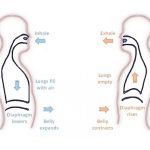
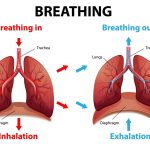
Here’s how it works: As you inhale deeply, your diaphragm contracts and moves downward, creating a vacuum that pulls air into your lungs. This movement causes your abdomen and lower ribs to expand outward, rather than your chest lifting. During exhalation, the controlled, gradual release of the diaphragm pushes the air back out, providing the steady, consistent airflow needed to power your vocal cords for a sustained and even sound. This method ensures maximum lung capacity utilization and prevents tension in the upper body.
Crucial First Steps: Posture and Awareness
Before you even think about specific exercises, proper posture is non-negotiable. It’s the gateway to optimal breath support. Good posture opens your ribcage and allows your diaphragm and other breathing muscles to function without restriction.
- Stand or Sit Tall: Envision a string gently pulling the top of your head towards the ceiling, elongating your spine.
- Relaxed Shoulders: Keep your shoulders relaxed, gently pulled back and down, away from your ears.
- Open Chest: Your chest should feel open and slightly lifted, but never stiff or strained. This creates space for your lungs to expand fully.
Once your posture is aligned, let’s connect with your diaphragm: - The Self-Test: Place one hand flat on your chest and the other on your stomach. Inhale slowly through your nose, aiming to feel your bottom hand move outwards as your belly expands, while your top hand (on your chest) remains relatively still. Your shoulders should not lift. This helps distinguish diaphragmatic from shallow chest breathing.
- Book-on-Stomach: Lie flat on your back, placing a light book on your stomach. As you inhale, focus on lifting the book with your expanding abdomen. As you exhale, let it gently fall. This provides tangible feedback, helping you consciously engage your diaphragm without overthinking. Dedicate 5-10 minutes to this daily. It’s surprisingly effective for building muscle memory.
Common Pitfalls to Avoid for Better Breath Control
Even with good intentions, singers often fall into common breathing traps that hinder their progress and can even strain their voices. Being aware of these mistakes is the first step to correcting them:
- Shallow Chest Breathing: This is the arch-nemesis of vocalists. You’ll notice your shoulders lifting and your chest expanding rapidly. This type of breathing causes tension in your neck and throat, drastically shortens your vocal stamina, and prevents you from accessing deep, consistent support. It’s often accompanied by a feeling of being breathless quickly.
- Overfilling the Lungs: While deep breathing is good, trying to pack too much air into your lungs can be detrimental. It creates excessive pressure, making your tone sound forced or breathy, and makes it harder to control the release. Think of it like over-inflating a balloon; it becomes rigid and difficult to manage.
- Pushing the Air: This mistake involves blasting air out too quickly and forcefully, especially when trying to achieve volume. Pushing air can throw off your pitch, create a harsh sound, and put undue strain on your delicate vocal cords. Proper singing emphasizes a balanced, controlled release of air, not sheer volume. The sound should float on the breath, not be forced by it.
Understanding these foundational concepts is crucial for any singer looking to truly elevate their vocal capabilities. For a broader perspective on how these principles fit into a complete vocal regimen, you can Learn vocal breathing exercises.
Your Practice Playbook: Essential Vocal Breathing Exercises
Once you understand the mechanics and avoid common errors, it’s time to build your breath management muscles with targeted vocal breathing exercises. These aren’t just warm-ups; they’re daily workouts for your vocal engine.
1. Slow Inhale & Exhale / Inhale-Exhale Timing
This exercise directly builds control and stamina, teaching your body how to release air evenly and consistently.
- The Steps:
- Inhale slowly and deeply through your nose for a specific count (e.g., 4 counts), focusing on diaphragmatic expansion.
- Hold the breath gently, without tension, for a shorter count (e.g., 2 to 7 counts).
- Exhale slowly and steadily through pursed lips, as if blowing through a straw, making a soft ‘whooshing’ or ‘sss’ sound for an extended count (e.g., 6 to 8 counts).
- Benefit: This exercise trains your body for an even air release, crucial for sustaining notes and phrases without running out of breath or sounding inconsistent. Gradually extending the exhale (e.g., 4-4-12 or 4-4-16 counts) significantly builds stamina.
2. Hissing Exercise
The ‘sss’ sound is a secret weapon for breath control. It forces a controlled, consistent release of air.
- The Steps:
- Take a full, deep diaphragmatic breath.
- Exhale slowly and steadily on a long “sss” sound. Imagine air escaping a tire – it should be a consistent, even hiss, without breaks or fluctuations in pressure.
- Benefit: This exercise builds endurance and teaches you to regulate airflow with precision. Try to prolong the duration of the hiss with each repetition, aiming for a consistent sound from start to finish. It’s a fantastic real-time feedback mechanism for air management.
3. Panting Exercise
While often associated with quick bursts, panting correctly strengthens the diaphragm and improves your ability to control rapid air intake and release.
- The Steps:
- Stand straight with relaxed shoulders.
- Take quick, shallow breaths in and out through your mouth, mimicking a “panting” sound.
- Crucially, keep the movement isolated to your diaphragm/abdomen; your chest should remain still. Continue for about 30 seconds.
- Benefit: This exercise strengthens your diaphragm for quick recovery breaths and improves control over short, powerful bursts of air needed for specific vocal techniques or rapid passages.
4. Silent Inhalation
Tension is the enemy of singing. This exercise helps you release it before you even make a sound.
- The Steps:
- Breathe in deeply through your mouth, ensuring your throat is relaxed and open, almost like the beginning of a yawn.
- Let the air “fall in” quietly. You should feel a light coolness at the back of your throat, indicating a lack of tension and openness. Avoid any audible gasping or constricted sound.
- Benefit: This simple technique removes neck and throat tension before singing, preparing your vocal apparatus for effortless sound production. It promotes a relaxed, open airway.
5. Straw Phonation Exercise
This is a favorite among vocal coaches and speech pathologists for good reason. It provides resistance training for your breath and vocal cords.
- The Steps:
- Take a regular drinking straw (or even a coffee stir stick for more resistance).
- Place the straw between your lips and hum a gentle “oo” sound through it for 30-60 seconds. Focus on a steady, consistent tone.
- Benefit: The resistance from the straw balances the air pressure above and below your vocal cords, encouraging easy vibration. It helps correct airflow issues, preventing you from pushing too much air and teaching your breath to support the sound efficiently without overpowering it. This can be particularly helpful for relieving vocal fatigue.
6. Sighing Exercise
Sometimes, the best thing you can do for your voice is to simply let go.
- The Steps:
- Inhale deeply and fully.
- Then, simply let the air fall out naturally on an “ah” sound. Do not shape the sound, push it, or try to control it; just allow it to sigh out. Let your shoulders drop as the air releases.
- Benefit: This exercise teaches release and counteracts the tendency to hold tension in the upper body and jaw, which can restrict vocal freedom. It’s a wonderful way to reset and find a relaxed starting point for your voice.
7. The “Four Corners” Breath
This visualization technique helps ensure you’re utilizing your full lung capacity, not just the front.
- The Steps:
- Mentally visualize your rib cage as a box with four distinct corners: upper right, upper left, lower right, and lower left.
- As you inhale diaphragmatically, consciously aim to expand each “corner” evenly with air.
- Benefit: This exercise encourages drawing air into all areas of your lower ribs, leading to a more even and robust breath support system. It helps prevent shallow breathing by promoting lateral and posterior expansion.
8. Sustain a Note / Singing on One Breath / One-Breath Challenge
This is where breath management meets actual singing, integrating your breathing technique directly into your vocal performance.
- The Steps:
- Take a full, relaxed diaphragmatic breath.
- Sing a comfortable, sustained note, a simple scale, or a short, easy phrase at a steady volume. Focus on maintaining an even tone without strain or tension.
- Gradually work on increasing the length of time you can sustain the note or the complexity of the phrase on a single breath.
- Benefit: This exercise directly builds vocal endurance, strengthens your breath support for extended phrases, and helps you integrate breath management with pitch accuracy and tone production. It’s a crucial bridge between pure breathing exercises and actual singing.
Tailoring Your Breath: Adapting Exercises for Vocal Demands
Effective breathing isn’t one-size-fits-all. Different vocal demands require nuanced adjustments to your breath strategy.
High Notes & Power: Less is More
Counterintuitively, hitting high notes and achieving power doesn’t require more air pressure, but less. The key is precision and controlled support.
- Strategy: For high notes, maintain the expansion of your lower ribs and engage your core to provide a consistent, gentle airflow without pushing. Avoid collapsing your chest or tensing your throat. The support comes from below, allowing your vocal cords to vibrate freely and efficiently at higher frequencies. Pushing too much air can actually cause your vocal cords to tense, making high notes harder to achieve cleanly.
- Practical Tip: Practice sustaining a gentle “oo” sound on an ascending scale, focusing on keeping the airflow steady and the chest relaxed, letting the support originate from your diaphragm.
Endurance for the Long Haul
Live performances, extended rehearsals, or long recording sessions demand significant vocal stamina. Your breath management is your endurance engine.
- Strategy: Practice breath pacing. Mentally (or physically) divide your song phrases into planned inhalation points. Take quick, silent, diaphragmatic breaths in between phrases, ensuring you never “run on empty.”
- Practical Tip: Sing full songs with minimal breaks, mimicking live performance conditions. Incorporate daily vocal warm-ups that include sustained notes and phrases to build this endurance muscle memory. Think of a marathon runner who paces their breathing; you need to do the same.
Vocal Health: The Delicate Balance
Your breath is your voice’s best friend or worst enemy. Balanced airflow is paramount for long-term vocal health.
- Strategy: Recognize that both too much and too little breath support are problematic.
- Too Much Pressure: Pushing too much air can lead to vocal cord fatigue, inflammation, and even injury. It often results in a harsh, forced sound.
- Too Little Support: Insufficient breath support leads to a breathy, unstable tone, causes your vocal cords to work harder to make sound, and ultimately results in strain and fatigue.
- Practical Tip: Consistently practice the hissing and straw phonation exercises. They are excellent for finding that sweet spot of balanced air pressure, teaching your body how to provide just enough support without overworking.
Synchronized Support: Choir Breathing
Singing in a choir or group adds another layer of complexity: synchronization.
- Strategy: Practice group inhalations for synchronized starts, ensuring everyone takes a full, silent breath at the same time. For long, sustained chords, learn to use staggered breathing (where different singers take breaths at different, pre-arranged times) to maintain a seamless, unbroken sound.
- Practical Tip: Listen intently to your section and the conductor. The “Four Corners” breath can be particularly useful here, helping each singer maximize their individual breath capacity for collective impact.
Crafting Your Daily Ritual: A 10-Minute Breath Workout
Consistency is the single most important factor in mastering vocal breathing exercises. Even short, focused sessions yield remarkable results over time. Here’s an example 10-minute routine for beginners:
- Diaphragmatic Breathing Basics (2 minutes): Start lying down with the “Book-on-Stomach” exercise. Focus purely on engaging your diaphragm and relaxing your upper body.
- Hissing Exercises (2 minutes): Transition to sitting or standing. Take a full diaphragmatic breath and release it on a long, steady “sss” sound. Repeat 3-4 times, aiming for consistent duration.
- Inhale-Exhale Timing (2 minutes): Practice the 4-4-8 count (inhale 4, hold 4, exhale 8). Focus on controlled, smooth air release through pursed lips. Repeat 4-5 times.
- Singing Scales on One Breath (2 minutes): Choose a simple 5-note major scale. Take a full diaphragmatic breath and sing the scale up and down on a comfortable vowel (e.g., “ah” or “ee”), trying to do it all on one breath. Don’t worry about perfection, just focus on sustained airflow.
- Posture Alignment and Relaxation (2 minutes): Stand tall, check your posture, and end with a few “Sighing Exercises” to release any lingering tension.
Commit to this routine daily, and within weeks, you’ll notice significant improvements in your vocal control, stamina, and overall confidence. Treat breathwork not as a chore, but as an integral part of your artistry.
Quick Answers: Unpacking Common Vocal Breathing Questions
How can I tell if I’m breathing correctly for singing?
Place one hand on your chest and one on your abdomen. When you inhale deeply, your abdominal hand should move out significantly more than your chest hand. Your shoulders should remain still. If your chest rises and shoulders lift, you’re likely chest breathing.
What if I feel dizzy doing breathing exercises?
Feeling lightheaded can happen, especially when you’re new to deep breathing. It’s often due to increased oxygen intake. If you feel dizzy, pause immediately, take a few normal breaths, and rest. Reduce the intensity or duration of the exercises, and gradually build up your practice time. Always listen to your body.
How quickly will I see results from vocal breathing exercises?
Consistency is key. Many singers notice improvements in breath capacity and control within a few weeks of daily practice. Significant changes in vocal stamina and tone quality can take a few months, as muscle memory and proper coordination develop.
Can I do these exercises while standing, sitting, or lying down?
Yes, absolutely. Starting lying down (e.g., with the book-on-stomach exercise) is excellent for isolating diaphragmatic movement. As you progress, practice in sitting and standing positions to simulate actual singing posture and conditions.
Does breathing through the nose or mouth matter for singing?
For warm-ups and general breathing exercises, inhaling through the nose is often preferred as it warms, filters, and humidifies the air. However, in rapid singing passages, quick, silent breaths through an open mouth might be necessary. The key is to keep the throat relaxed and open regardless of the entry point.
Is it possible to “overdo” breathing exercises?
While gentle breathing exercises are largely safe, pushing yourself too hard or trying to force too much air can lead to hyperventilation or muscular fatigue. Always aim for relaxation and control, not strain. If an exercise causes discomfort or tension, scale it back or consult a vocal coach.
Your Next Breath: Actionable Takeaways for Immediate Progress
Mastering vocal breathing isn’t a destination; it’s a continuous journey that will profoundly transform your singing. Start by integrating the core principles into your daily routine.
- Prioritize Diaphragmatic Awareness: Dedicate 5-10 minutes each morning to the “Book-on-Stomach” exercise. This consistent muscle memory is your foundation.
- Practice the Hiss: Use the Hissing Exercise daily. It’s your most reliable feedback loop for steady, controlled airflow. Aim to extend your hiss by a second or two each week.
- Mind Your Posture: Consciously check your posture throughout the day, not just when you’re singing. A tall spine and relaxed shoulders should become your default.
- Embrace the Straw: Incorporate straw phonation to gently strengthen your vocal folds and regulate breath pressure. A minute or two here and there can make a big difference.
- Integrate with Singing: Don’t keep breath exercises separate from your vocal practice. Apply your newfound breath control to scales, arpeggios, and then full songs. Focus on smooth inhalations and consistent airflow through phrases.
By treating your breath as the powerful, intelligent system it is, you’ll unlock unparalleled control, stamina, and expressive freedom in your voice. Every single breath is an opportunity to refine your craft – seize it.

- Vocal Breathing Techniques Improve Control and Stamina for Singers - April 1, 2026
- Vocal Diaphragm Exercises Essential for Stronger Singing Performance - March 31, 2026
- Singers Breathing Techniques for Powerful Voice and Vocal Control - March 30, 2026