For any singer, whether you’re a seasoned professional or just starting your journey, the secret weapon isn’t just your vocal cords—it’s your breath. Mastering [vocal breathing exercises for singers] transforms your voice from adequate to extraordinary, unlocking power, control, and endurance you didn’t know you had. Think of your voice as a magnificent wind instrument; without a consistent, well-managed airstream, even the finest instrument will fall flat.
At a Glance: What You’ll Learn to Master Your Singing Breath
- Diaphragmatic Breathing: The gold standard for singers, explained simply.
- Perfect Posture: How to align your body for optimal breath.
- Spotting Mistakes: Common breathing habits that hinder your voice.
- Essential Exercises: Practical, step-by-step drills to build breath control.
- Targeted Techniques: Breathing strategies for high notes, endurance, and group singing.
- Vocal Health: How good breathing protects your most valuable instrument.
- Daily Routine: A simple plan to integrate breath mastery into your life.
The Unseen Engine: Why Breath Rules Your Singing
Every note you sing, every sustained phrase, every powerful crescendo—it all starts with breath. Proper breathing isn’t just about getting enough air; it’s about providing a steady, controlled airflow that acts as the engine of your voice. Without this consistent support, you’ll find yourself struggling with pitch, running out of steam mid-phrase, and even straining your vocal cords. This is why dedicating time to [breathing exercises for singers] is non-negotiable for vocal improvement.
Imagine trying to play a saxophone with an air pump that sputters and leaks. The sound would be inconsistent, weak, and frustrating. Your singing voice is no different. Weak or inconsistent breath leads to air loss, poor tone quality, and unnecessary strain on your throat. It’s not just about sounding better; it’s about singing smarter and healthier. To truly [improve your vocal breathing], you must first understand the core mechanism.
Demystifying Diaphragmatic Breathing: Your Vocal Gold Standard
When we talk about proper breathing for singing, we’re talking about diaphragmatic breathing – often called “belly breathing.” This isn’t just a buzzword; it’s the foundation of [breathing techniques for singing] that professional singers swear by.
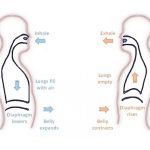
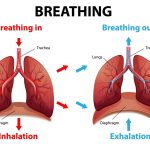
The diaphragm is an involuntary, dome-shaped muscle nestled below your lungs. When you inhale deeply and correctly, this muscle contracts and moves downward. This action creates space, allowing your lungs to fill completely, and you’ll notice your abdomen and lower ribs expanding outward. It’s like drawing air into a balloon that expands at the bottom first, rather than just puffing up your chest.
On the exhale, a controlled release of the diaphragm gently pushes the air out, creating that steady, sustained airflow crucial for consistent sound. This process minimizes tension in your throat and neck, letting your vocal cords vibrate freely and efficiently. If you want to [master singing breath control], focusing on this muscle is your first step.
How to Test If You’re Breathing Right
Unsure if you’re engaging your diaphragm? Here’s a simple check:
- Hand Placement: Place one hand flat on your chest and the other on your stomach, just above your belly button.
- Slow Inhale: Take a slow, gentle breath in through your nose.
- Observe Movement: The hand on your stomach should move outward significantly more than the hand on your chest. Your shoulders should remain relaxed and shouldn’t lift towards your ears.
If your chest hand moves more, or your shoulders rise, you’re likely engaging in shallow chest breathing. Don’t worry, this is a common habit, and with practice, you can retrain your body to breathe more efficiently. This quick test helps you identify if you’re learning [how singers should breathe].
Your Silent Partner: Essential Posture for Optimal Breath
Before you even take a breath, your body needs to be aligned. Good posture isn’t just about looking confident; it’s about opening up the “instrument” of your body to allow your breathing muscles and lungs to work optimally.
- Stand or Sit Tall: Imagine a string gently pulling the top of your head towards the ceiling. This elongates your spine without stiffness.
- Relaxed Shoulders: Let your shoulders fall naturally back and down, away from your ears. Avoid hunching or rolling them forward.
- Open Chest: Your chest should feel open and lifted, but not rigid or pushed out.
- Neutral Chin: Keep your chin parallel to the floor, avoiding tilting it up or down excessively.
This alignment creates the necessary space for your diaphragm to descend fully and for your lungs to expand sideways and backward, not just forward. It’s a key part of learning [how to breathe when singing] effectively.
Common Breath Traps: What NOT to Do When You Sing
While the goal is to improve, it’s equally important to understand and avoid habits that undermine your efforts. These common breathing mistakes can limit your potential and even put your voice at risk.
- Shallow Chest Breathing: The most common culprit. If your shoulders lift visibly with each breath, you’re primarily using your upper chest. This leads to tension in your neck and throat, poor air support, and significantly shortens your vocal stamina. It’s the opposite of [mastering breath in singing].
- Overfilling the Lungs: More air isn’t always better. Taking in too much air can create excessive pressure in your lungs, making it difficult to control the release. This can lead to vocal strain, instability in your tone, and a breathy sound as you try to force out the excess air.
- Pushing Air Out Too Quickly: Blasting the air out right at the start of a phrase can cause your pitch to go sharp, strain your vocal cords, and quickly deplete your air supply, resulting in a weak, unsupported tone by the end of the phrase. Controlled release is key to good [breathing for better singing].
- Ignoring Posture: A slumped posture or collapsed chest literally constricts your lung capacity and prevents your diaphragm from engaging fully. You wouldn’t try to play a piano with a broken stool, so don’t try to sing with a compromised body.
Remember, proper breathing for singers isn’t about simply taking in a lot of air; it’s about balance, control, and an even airflow. This understanding is crucial if you want to [improve your breath support].
Your Daily Toolkit: Essential Vocal Breathing Exercises
Now that you understand the “why,” let’s dive into the “how.” These [breath support singing] exercises are designed to build your diaphragm strength, improve your breath control, and develop the stamina required for sustained, powerful singing. Incorporate these into your daily routine, even for just 5-10 minutes, and you’ll notice a remarkable difference.
1. Basic Diaphragmatic Breathing
This foundational exercise helps you connect with your diaphragm.
- How To: Lie on your back with your knees bent, or sit comfortably upright with relaxed shoulders. Place one hand on your belly. Inhale slowly through your nose, focusing on expanding your abdomen outward, like a balloon filling. Keep your chest relatively still. Exhale gently through your mouth or on a soft “sss” sound, allowing your belly to slowly draw back in.
- Why It Helps: This exercise trains your body to use the diaphragm effectively, establishing the core mechanics of breath support. It’s the entry point to [control your singing breath].
2. Timed Inhale-Hold-Exhale (e.g., The 4-7-8 Method)
This exercise builds conscious control over each phase of your breath.
- How To: Inhale slowly through your nose for a count of 4. Gently hold your breath for a count of 2 to 7 (start with shorter holds and gradually increase). Exhale slowly through pursed lips (as if blowing through a straw) for a count of 6 to 8, or even longer, aiming for a consistent, steady stream of air. Repeat 4-5 times.
- Why It Helps: This method systematically strengthens your control over breath intake, suspension, and most importantly, the slow, controlled release needed for sustained vocalizations. It’s a great way to [improve your breath support] and increase lung capacity.
3. Hissing Exercise (“Sss” Drill)
The “sss” sound provides clear auditory feedback on your airflow.
- How To: Take a deep, diaphragmatic breath. Then, exhale slowly and steadily on a continuous “sss” sound. Focus on maintaining an even, consistent airflow without any breaks or fluctuations in volume. Try to prolong the duration of the hiss with each repetition, aiming for 30 seconds or more.
- Why It Helps: This exercise is fantastic for regulating air pressure, exposing any leaks in your airflow control, and building the muscular strength to sustain a sound. It’s one of the most effective [breath control exercises for singers].
4. Panting Exercise
This rapid breath exercise targets diaphragm strength and quick response.
- How To: Stand straight with relaxed shoulders. Take quick, shallow breaths in and out through your mouth, mimicking a gentle panting. The key is to keep the movement focused in your diaphragm/abdomen, not your chest. Continue for about 30 seconds, then rest.
- Why It Helps: Panting strengthens the diaphragm’s ability to engage and release quickly, which is crucial for rapid vocal runs or short, punctuated phrases in singing. It can also help [strengthen lungs for better singing].
5. Straw Phonation Exercise
Using a straw creates resistance, optimizing vocal cord function and breath support.
- How To: Hum a gentle “oo” or “mmm” sound through a regular drinking straw for 30-60 seconds. Keep the volume soft and consistent. You can also slide through your vocal range on the straw.
- Why It Helps: The back pressure from the straw helps the vocal cords vibrate more easily and efficiently. It teaches you to use your breath to support the sound without blasting it, reducing vocal strain. This is a powerful technique for [breathing during singing].
6. Sighing Exercise
This exercise helps release tension and encourages a free, natural sound.
- How To: Take a deep, diaphragmatic breath, feeling your belly expand. Then, simply let the air fall out naturally on an unforced “ah” sound, like a relaxed sigh. Don’t try to “sing” or shape the sound; just let it happen.
- Why It Helps: The sigh teaches your body to release breath without tension, promoting a relaxed throat and open airway. This can be beneficial for those struggling to [increase lung capacity for singing] with ease.
7. Silent Inhalation
Preparing for sound with a relaxed, open throat.
- How To: Breathe in through your mouth with a relaxed, open throat, almost as if you’re starting a yawn. The goal is to make absolutely no sound during the inhale. You should feel a light coolness at the back of your throat, indicating an open airway.
- Why It Helps: This exercise specifically targets and removes neck and throat tension that can accumulate before singing, ensuring your vocal apparatus is free to operate. Many [voice breathing exercises] emphasize this subtle yet powerful technique.
8. Sustain a Note / One-Breath Challenge
Testing your endurance and control in a musical context.
- How To: Take a full, diaphragmatic breath. Choose a comfortable pitch in your middle range and sing a steady “ah” or “ee” sound at a consistent volume for as long as possible. Focus on maintaining an even tone and airflow without straining. Gradually aim to increase the duration. You can also try singing a short, familiar phrase on a single breath.
- Why It Helps: This directly applies your breath control to actual singing, building stamina and demonstrating your ability to manage airflow over time. It’s a prime example of [singers breathing] with purpose.
9. Breathing with Scales
Integrating breath control directly into musical passages.
- How To: Take a full, diaphragmatic breath. Sing a simple 5-note scale (do-re-mi-fa-sol-fa-mi-re-do) on a single breath, focusing on even tone and consistent airflow through each note. As your breath control improves, gradually expand to longer scales or arpeggios.
- Why It Helps: This exercise bridges the gap between isolated breath drills and actual singing. It helps you learn to manage your breath precisely through melodic lines, showing the practical application of [vocal diaphragm exercises].
Beyond the Basics: Breathing for Specific Singing Scenarios
Effective breath control isn’t a one-size-fits-all skill. Different singing demands require nuanced applications of your breathing techniques. Understanding these can help you [improve your vocal breathing] in every situation.
For High Notes and Power
Contrary to popular belief, hitting high notes and singing with power doesn’t require more air pressure, but rather controlled air pressure.
- Less is More: For higher pitches, your vocal cords need to be stretched thinner, vibrating faster. Too much air pressure can actually blow them apart, leading to a strained or flat sound. Aim for less “push” and more “support.”
- Maintain Rib Expansion: When reaching for high notes, resist the urge to collapse your chest. Keep your lower ribs feeling expanded, maintaining that “pillar of air” sensation from your diaphragm. This provides a stable platform for your voice.
- Diaphragmatic Release, Not Throat Tension: Support the high note with a steady, controlled release from your diaphragm, rather than squeezing your throat or tensing your neck. Think of the diaphragm as a dimmer switch, not an on/off button. These are critical [breathing tips for singing].
For Performance Endurance
Singing a full set or a long, demanding piece requires more than just lung capacity; it requires strategic breath pacing.
- Plan Your Breaths: Analyze the song and consciously plan where you will take your breaths. Look for natural pauses, phrase endings, or places where the melody allows for a quick, silent inhale without interrupting the musical line.
- Efficient Inhales: Practice taking quick, silent, yet deep diaphragmatic breaths. Sometimes you only have a split second to grab air. The silent inhalation exercise is excellent for this.
- Mimic Live Conditions: Practice singing entire songs with minimal breaks, just as you would in a live performance. This trains your body and mind to manage your breath effectively under pressure. Consistent practice with [diaphragmatic breathing for singers] builds stamina.
For Choir and Group Singing
Synchronization and seamless sound are paramount in group singing, and breath plays a huge role.
- Synchronized Inhalations: In a choir, everyone often needs to breathe together for a unified attack on a phrase. Practice taking group inhalations on a conductor’s cue, aiming for simultaneous, deep breaths.
- Staggered Breathing: For very long sustained chords or phrases where a single breath isn’t enough, choirs use staggered breathing. Each singer takes a breath at a slightly different, pre-arranged point, creating an illusion of an unbroken sound. This requires excellent individual [breathing techniques while singing].
- Even Release: Focus on releasing your breath at the same rate and intensity as your fellow singers to maintain a balanced, blended sound throughout sustained notes. These specialized [choir breathing exercises] ensure a cohesive sound.
Protect Your Voice: How Smart Breathing Safeguards Vocal Health
The connection between your breath and your vocal health is profound. Balanced and controlled airflow is not just about sounding good; it’s about protecting the delicate structures of your vocal cords and ensuring a long, healthy singing career. This is a fundamental aspect of understanding [voice breathing techniques].
- Preventing Vocal Cord Fatigue: When you lack proper breath support, your throat muscles try to compensate. This excessive tension can lead to vocal fatigue, hoarseness, and even injury over time. A steady stream of air from the diaphragm acts as a cushion, allowing your vocal cords to vibrate freely without undue stress.
- Maintaining Stability: Too much air pressure can slam the vocal cords together forcefully, causing irritation. Too little support results in a breathy, unstable tone that makes the vocal cords work harder to create a clear sound. Consistent breath habits ensure your voice operates in its optimal, balanced zone.
- The “Pillar of Air”: Think of your breath as a stable pillar supporting your vocal cords. When this pillar is strong and consistent, your cords can do their job efficiently. When it crumbles due to poor breath management, your throat tries to take over, leading to strain. Mastering [diaphragm singing exercises] builds this crucial pillar.
By consistently applying what you learn about [how to improve breath support for singing], you not only enhance your vocal artistry but also invest directly in the longevity and resilience of your most precious instrument. This fundamental aspect of [breathing exercises for musicians] is non-negotiable for vocalists.
Crafting Your Routine: A Sample Daily Practice for Singers
Consistency is far more important than intensity when it comes to breath training. Even a dedicated 5-10 minutes each day can yield incredible results. Here’s a sample routine to get you started, incorporating many of the exercises we’ve discussed.
Your 10-Minute Daily Vocal Breath Workout:
- 2 Minutes: Basic Diaphragmatic Breathing. Lie on your back or sit tall. Focus on deep, silent belly breaths to reconnect with your diaphragm. This is your foundation for [effective singing breath support].
- 2 Minutes: Hissing Exercise (“Sss” Drill). Take a full diaphragmatic breath and exhale on a long, steady “sss” sound. Push for maximum duration and consistent airflow.
- 2 Minutes: Timed Inhale-Hold-Exhale. Practice your 4-7-8 or similar timing method to build conscious control over each breath phase.
- 2 Minutes: Singing Scales on One Breath. Apply your breath control to short scales (e.g., 5-note) in your comfortable range, focusing on a smooth, unbroken sound.
- 2 Minutes: Posture Alignment & Relaxation. Stand tall, check your alignment, and consciously release any tension in your shoulders, neck, and jaw. End with a few relaxed sighs.
This routine is a powerful start. As you progress, you can adapt it, spending more time on areas you find challenging or integrating more advanced techniques. The key is consistent, mindful practice. Remember, the goal is to integrate these techniques so deeply that they become second nature, allowing your voice to soar freely.
Your Breath, Your Voice: The Path to Unlocked Potential
Ultimately, [breath support exercises for singing] aren’t just technical drills; they are the gateway to expressive freedom and vocal longevity. By consistently practicing these techniques and adopting proper breathing habits, you gain not just physical control but also mental calm. A well-managed breath helps regulate your nervous system, making you feel more grounded and confident, especially during performance.
Your voice is a powerful instrument, and your breath is its lifeblood. Invest in understanding and nurturing this fundamental connection, and you’ll discover a stronger, more resonant, and healthier singing voice. The journey to mastering your breath is a continuous one, promising richer tone, increased stamina, and unparalleled vocal control, deeply impacting [how breath impacts your voice]. So take a deep, diaphragmatic breath, and unlock the full potential of your singing.
- breathing exercises for singing
- vocal breathing exercises
- breathing techniques for singing
- how to breathe while singing
- how to breathe when singing
- breath control singing
- breathing exercises for singers
- breath support
- breath support singing
- breath control while singing
- breath support exercises
- breath control exercises for singers
- how to improve lung capacity for singing
- breathing during singing
- how to increase lung capacity for singing
- voice breathing exercises
- singers breathing
- vocal diaphragm exercises
- vocal breathing techniques
- breathing tips for singing
- diaphragmatic breathing for singers
- breathing techniques while singing
- voice breathing techniques
- diaphragm singing exercises
- how to improve breath support for singing
- breathing exercises for musicians
- breath support exercises for singing
- choir breathing exercises
- breathing and voice

- Singers Breathing Techniques for Powerful Voice and Vocal Control - March 30, 2026
- Voice Breathing Exercises Build Stronger Support for Your Singing - March 26, 2026
- How to Increase Lung Capacity for Singing and Improve Vocal Stamina - March 25, 2026