Every singer knows the crushing feeling: that perfectly planned phrase collapsing midway, the high note that feels just out of reach, or the voice simply running out of gas. Often, the culprit isn’t your vocal cords themselves, but the engine driving them: your breath. Mastering effective vocal breathing techniques isn’t just about taking a deep breath; it’s about transforming your entire approach to singing, fundamentally improving your control, stamina, and overall vocal freedom.
It’s the difference between a voice that struggles to keep up and one that soars effortlessly, holding notes with power and precision. As a specialist, I’ve seen firsthand how a dedicated focus on breath work unlocks potentials singers never knew they had.
At a Glance: What You’ll Master Here
- Optimal Posture: Learn how to align your body for maximum lung capacity and unrestricted airflow.
- Diaphragmatic Breathing: Understand and practice the core technique of “singing from your diaphragm.”
- Controlled Exhalation: Develop the stamina to sustain notes and phrases with an even, consistent breath stream.
- Common Pitfalls: Identify and correct habits that undermine your vocal power and efficiency.
- Practical Drills: Implement exercises like the Hissing and 4-2-6/8 Count to build immediate control.
Understanding the Engine: Why Your Breath Is Your Voice’s Foundation
Think of your voice as a sophisticated wind instrument. Just like a flute needs a steady, controlled stream of air to produce a clear, sustained tone, your vocal cords rely on consistent airflow to vibrate effectively. Without it, you get a wavering pitch, a weak tone, or worse, vocal strain. This is where vocal breathing techniques become paramount, differentiating between simply “taking a breath” and “breathing for singing.”
Normal, everyday breathing is typically shallow, automatic, and engages only a small fraction of your lung capacity. Singing, however, demands a conscious, concerted effort, often utilizing up to 50% of your lung capacity with a much longer, steadier exhale than inhale. It requires engaging a suite of muscles—ribs, abdomen, and back—to support the sound. This coordinated effort is what gives you a full, supported voice, minimizes strain, and allows you greater control over your range, accuracy, and sustained stamina for complex techniques like vibratos.
The Unsung Hero: Crafting Your Perfect Singing Posture
Before you even think about inhaling, your posture sets the stage. It’s the critical first step in optimizing your lung and breathing muscle function, opening up your entire vocal instrument. When done correctly, posture creates the maximum chest cavity space needed for lung expansion, allows for comfortable diaphragmatic breathing, and releases unnecessary tension that can constrict airflow.
Your Action Plan for Optimal Posture:
- Imagine a String: Whether standing or sitting, envision a string gently pulling the crown of your head towards the ceiling. This elongates your spine without stiffness.
- Relaxed Shoulders: Allow your shoulders to drop back and down. They should never be hunched or raised towards your ears, as this creates tension and restricts your ribcage.
- Open Chest, Not Stiff: Lift your chest slightly, creating an open, expansive feeling. This isn’t about puffing out your chest rigidly, but about creating space.
- Feet Grounded (Standing): If standing, position your feet shoulder-width apart with your weight slightly forward, balanced and ready. Keep your knees softly bent, never locked.
- Flexible Joints: Ensure your joints (knees, neck, hips) are flexible, not locked. Roll your head comfortably to release neck tension. Your chin should be parallel to the ground.
Common Posture Pitfalls to Avoid:
- Slumping Forward: This instantly cuts off airflow and restricts your lungs and diaphragm.
- Rigidness: Don’t hold yourself stiffly. Tension anywhere in the body will transfer to your voice.
- Shoulders Up: Lifting your shoulders during inhalation is a sign of shallow chest breathing, not proper diaphragmatic support.
Case Snippet: Sarah, a soprano, struggled with high notes feeling “pinched.” We started by simply adjusting her posture. By opening her chest and relaxing her shoulders, she immediately found more space in her throat and an unexpected ease in her upper register, all before singing a single note.
Diving Deep: The Art of Diaphragmatic Inhalation
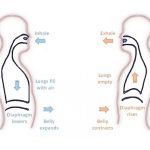
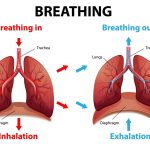
“Supporting the voice” is a phrase you’ll hear often, and it directly refers to diaphragmatic breathing. The diaphragm is a large, dome-shaped muscle located just below your lungs. When you inhale deeply, it flattens and contracts, pulling air into the bottom of your lungs. This action causes your belly and sides to expand outwards, rather than your chest rising dramatically. Mastering this is central to effective vocal breathing techniques.
Step-by-Step Diaphragmatic Breathing Exercise:
- Find Your Center: Stand with your newly perfected posture, or lie down comfortably on your back. Place one hand gently on your belly, with your fingers resting just above your belly button. Place your other hand lightly on your chest.
- Slow, Silent Inhale: Breathe in slowly and silently through your nose. The key is to feel the expansion primarily in your belly and sides. Your bottom hand should move outwards, while your top hand on your chest should remain relatively still.
- Analogy: Imagine your belly is a balloon slowly filling with air, expanding gently in all directions.
- Deep, Full Expansion: Focus on the sensation of your diaphragm flattening, allowing your lower lungs to fill completely. Avoid tensing your shoulders or neck. This isn’t about taking a huge, gasping breath, but a deep, relaxed one.
- Gentle Exhale: Slowly release the air through your mouth, allowing your belly to gently draw back in.
- Repeat and Refine: Repeat this 10-15 times, concentrating on the outward movement of your abdomen during inhalation and avoiding any upward movement of your chest or shoulders.
This exercise trains your body to access the deeper, more efficient parts of your lung capacity, giving you a powerful, yet stable, reservoir of air for singing.
The Power of Release: Sustaining Sound with Controlled Exhalation
Once you’ve mastered taking a deep, supported breath, the next crucial step in vocal breathing techniques is learning to control its release. Singing demands a long, steady, and even stream of air, not a sudden blast. This control is what gives you stamina and enables you to sustain notes and phrases without losing tone quality or running out of breath too soon.
The Hissing Exercise: Building a Steady Stream
The “hiss” is a phenomenal tool for developing breath control and even air release without the added complexity of pitch. It forces you to engage your core breath muscles and maintain tension from fully inflated lungs while slowly letting air escape.
- Ready Position: Sit or stand in a relaxed, proper posture. Place a hand on your stomach to monitor your abdominal engagement.
- Diaphragmatic Inhale: Take a deep, slow breath in through your nose, filling your lungs and feeling your diaphragm flatten and your belly expand.
- Controlled Hiss: Grit your teeth gently and use your tongue to regulate the air release, producing a low, constant “sssssssssssssssss” sound. The goal is to make this hiss as even and consistent in volume and pressure as possible for as long as you can.
- Pro Tip: To engage your abdominal muscles more intensely, try producing a slightly higher-pitched hiss by pushing air through an even smaller mouth outlet. You’ll feel a greater sensation in your belly.
- Lengthening the Exhale: As you practice, aim to extend the duration of your hiss. This builds the stamina needed for longer vocal phrases.
The 4-2-6/8 Count Breathing Exercise: Timing and Control
This exercise, frequently taught by vocal coaches, systematically builds your breath retention and controlled exhale, crucial for all vocal breathing techniques.
- Posture Up: Sit or stand tall with relaxed shoulders, following the posture guidelines.
- Inhale: Slowly inhale through your nose for a count of 4. Feel your belly and sides expand.
- Hold: Gently hold the breath for a count of 2. This brief pause helps you “set” the breath.
- Exhale: Exhale through pursed lips (as if blowing through a straw) for a count of 6 to 8. Make the exhale steady, quiet, and consistent.
- Repeat: Perform this 4-5 times. As you improve, gradually work towards extending the exhale phase, maybe even up to 10 or 12 counts, without straining.
This drill specifically targets the core breath muscles, calms tension, and provides a structured way to build control. It’s an excellent precursor to more complex vocal exercises. For a deeper dive into how these and other exercises broadly benefit your voice, you might explore the comprehensive guide on How Vocal Breathing Boosts Voice.
Common Breathing Traps for Singers (And How to Avoid Them)
Even with the best intentions, singers can fall into habits that undermine their breath work. Recognizing these pitfalls is as important as learning the correct techniques.
- Shallow Chest Breathing:
- The Trap: Taking quick, shallow breaths that cause your chest and shoulders to rise significantly.
- The Problem: This uses only the top part of your lungs, leading to tension in your neck and shoulders, and severely shortening your vocal stamina. You’ll run out of breath quickly and sound “airy.”
- The Fix: Recommit to diaphragmatic breathing. Place your hand on your belly and ensure it’s moving more than your chest. Relax your shoulders consciously.
- Overfilling the Lungs:
- The Trap: Trying to take in “too much” air, leading to a feeling of being overly full or “stuffed.”
- The Problem: This creates excessive internal pressure, which can make your tone sound breathy or forced. It also makes controlled release much harder.
- The Fix: Focus on efficient rather than maximal breath. A deep, relaxed diaphragmatic breath to a comfortable fullness is more effective than gasping for every last bit of air. Remember, it’s about balance and airflow control, not volume of air.
- Pushing the Air:
- The Trap: Blasting air out too quickly and forcefully, especially at the start of a note or phrase, in an attempt to be louder.
- The Problem: This throws off your pitch, can strain your vocal cords, and depletes your breath supply almost instantly. It’s a common cause of a “shouty” or unrefined sound.
- The Fix: Focus on the controlled, even release you practice with the hissing exercise. Your diaphragm and core muscles should be providing a steady support, not a sudden push. Think of the air as a consistent flow, not a burst.
- Ignoring Gravelly or Croaky Sounds:
- The Trap: Persisting with a vocal technique even when your voice sounds rough or fatigued.
- The Problem: These sounds are your vocal cords’ way of telling you something is wrong, often related to improper breath support or excessive tension. Ignoring them can lead to injury.
- The Fix: Stop and re-evaluate your breathing and posture. Is your diaphragm engaged? Are you pushing air? Strive for balance and conscious sound quality.
Beyond the Basics: Integrating Warm-ups and Daily Practice
While the core vocal breathing techniques are vital, their full benefit is realized when integrated into a consistent routine. Warming up your vocal cords before singing isn’t just about the throat; it’s about engaging your entire breathing apparatus.
- Vocal Cord Warm-ups: Start gently with hums or lip trills. These exercises, combined with deep, diaphragmatic breaths, improve the elasticity of your vocal folds, help clear excess mucus, and prepare the delicate larynx for singing. They also reinforce strong breathing muscles, crucial for tackling complex notes efficiently.
- Consistency is Key: Even 20 minutes of daily dedicated practice—combining posture work, diaphragmatic breathing, and exhalation control exercises—will yield significant, noticeable benefits over time. Mastery of breathing comes from daily repetition, not just sporadic effort.
Case Snippet: Mark, a baritone, used to feel exhausted after long rehearsals. By incorporating a 10-minute breathing warm-up using the 4-2-6/8 exercise and gentle lip trills, he found he could sing longer with less fatigue and improved vocal clarity. It became his non-negotiable pre-singing ritual.
Your Vocal Breathing Playbook: Daily Drills for Lasting Improvement
Here’s a quick routine you can implement daily to solidify these vocal breathing techniques:
- Posture Perfect (2 minutes): Stand or sit tall, relax shoulders, open chest. Consciously release any tension.
- Diaphragmatic Awareness (3-5 minutes): Lie down or stand, hand on belly. Practice 10-15 cycles of slow, deep belly inhales and gentle exhales. Focus on outward belly movement, not chest rise.
- Hiss for Control (5 minutes): After a deep diaphragmatic inhale, perform the “sssss” exercise, aiming for an even, sustained hiss. Try to extend the duration with each repetition.
- Counted Breaths (5 minutes): Practice the 4-2-6/8 (or 4-2-10/12 as you progress) breathing exercise, repeating 5-7 times. Focus on the gentle hold and controlled, pursed-lip exhale.
This simple playbook, practiced consistently, will build the muscle memory and awareness needed to make proper vocal breathing second nature.
Quick Answers: Unpacking Common Vocal Breathing Questions
“Can I really learn to control my diaphragm, even though it’s involuntary?”
Yes, absolutely. While the diaphragm itself is an involuntary muscle, you can absolutely learn to influence its action by creating the right physical conditions and engaging the surrounding muscles (intercostals, abdominals) that assist in its movement. Through consistent practice of techniques like diaphragmatic breathing, you train your body to naturally facilitate its optimal function for singing. It’s about conscious awareness and practice, not direct conscious control of the diaphragm itself.
“Why is breathing through my nose important for inhalation?”
Inhaling through your nose helps filter and warm the air, which is kinder to your vocal cords. It also tends to encourage a deeper, more controlled diaphragmatic breath compared to a quick, shallow mouth breath. However, in fast-paced singing where quick breaths are needed, mouth or combined nose-mouth breathing might be necessary – the key is still to ensure that breath is deep and supported.
“Does ‘pushing from the diaphragm’ mean I should feel a lot of strain?”
No, not at all. “Pushing” is a common misconception. Instead, think of it as “supporting” or “bracing.” You should feel a gentle, sustained engagement of your abdominal and core muscles as you exhale, creating a steady, subtle pressure that supports the air stream. Strain indicates you’re likely forcing air or creating tension elsewhere, which is counterproductive. The feeling should be one of stable engagement, not strenuous effort.
“How long until I see results from practicing these techniques?”
You’ll likely notice an immediate improvement in awareness and possibly a slight increase in stamina within a few days of consistent practice. Significant, lasting improvements in control, stamina, and vocal quality typically emerge over several weeks to months. Like any muscle training, consistency is paramount. Daily, even short, practice sessions are far more effective than occasional long ones.
Your Path to Effortless Singing
The journey to a truly supported, powerful, and nuanced singing voice begins with breath. By diligently practicing these vocal breathing techniques, you’re not just doing exercises; you’re building a deeper connection with your body, transforming your instrument from the inside out. Embrace the patience, consistency, and mindful awareness required, and you’ll find your voice gaining a newfound freedom, control, and stamina that will elevate every performance. Breathe deep, sing true.

- Vocal Breathing Techniques Improve Control and Stamina for Singers - April 1, 2026
- Vocal Diaphragm Exercises Essential for Stronger Singing Performance - March 31, 2026
- Singers Breathing Techniques for Powerful Voice and Vocal Control - March 30, 2026