Finding the right vocal classes near me isn’t just about locating a studio; it’s about discovering a partner in your musical journey—a place where your unique voice can be understood, nurtured, and elevated. Whether you’re an aspiring performer or simply want to sing with more confidence in the shower, the quality of instruction and the environment you choose will profoundly impact your progress and enjoyment.
At a Glance: What You’ll Gain from This Guide
- Tailored Learning: Understand why personalized vocal instruction is crucial for healthy, sustainable growth.
- Expert Teacher Traits: Identify the key qualities and backgrounds of effective vocal instructors.
- Curriculum & Environment: Learn what a comprehensive vocal program entails, from technique to performance.
- Age & Skill Versatility: Discover how vocal classes cater to everyone, from young beginners to seasoned adults across all genres.
- Practical Steps: Get actionable advice for researching, evaluating, and choosing the perfect vocal classes in your area.
- Common Questions Answered: Clarify misconceptions about starting age, musical theory, and expected progress.
Why Your Search for Vocal Classes Demands a Deeper Look
Many people imagine vocal lessons as simply learning to hit the right notes. In reality, effective vocal training goes far beyond pitch. It’s an intricate dance of breath control, muscle memory, resonance, diction, and even stage presence. Without proper guidance, aspiring singers can develop habits that lead to vocal strain, limited range, and frustration. This is why a focused search for quality vocal classes is so important.
Think of your voice as a finely tuned instrument—a living one. Like any instrument, it requires careful handling, regular practice, and expert calibration. A skilled vocal instructor acts as both a mechanic and a conductor, helping you understand your instrument’s mechanics while guiding you to produce beautiful music. They help you build a foundation that supports vocal longevity and expressive freedom, not just temporary fixes.
Decoding Your “Vocal Classes Near Me” Search: What Truly Matters
When you begin looking for vocal classes in your vicinity, it’s easy to get overwhelmed by options. To make an informed decision, you need a clear understanding of what constitutes high-quality instruction and a supportive learning environment. This involves scrutinizing the expertise of the teachers, the breadth of the curriculum, and the overall philosophy of the academy.
For a broader understanding of different singing class options and what to consider when starting your vocal journey, you might want to Explore singing classes. This article, however, will delve deeper into the specifics of finding truly tailored vocal instruction.
The Cornerstone: Teacher Expertise and Philosophy
The quality of your vocal instructor is paramount. It’s not enough for them to be a good singer themselves; they must also be exceptional teachers who understand the intricacies of vocal pedagogy.
- Deep Vocal Cord Knowledge: Look for instructors who possess an in-depth understanding of vocal anatomy and physiology. They should be able to explain why certain techniques work and how they affect your vocal cords, not just demonstrate them. This knowledge helps ensure healthy technique and prevents potential strain.
- Formal Training & Experience: Many top academies feature classically trained voice teachers or instructors who are graduates of prestigious musical programs. Their backgrounds often provide a robust foundation in diverse vocal styles and teaching methodologies. Professional performance experience also brings invaluable insights into real-world application.
- Positive and Supportive Environment: A great teacher fosters a positive, fun, and supportive learning environment. They should build confidence and inspire creativity, making students feel safe to explore their voices without judgment. Lessons should be enjoyable, encouraging students to work on music they genuinely love.
- Customization is Key: The best instructors tailor their approach to individual interests, ability levels, and specific goals. They don’t use a one-size-fits-all method. This personalization is critical whether you’re a complete beginner or an accomplished performer.
Case Snippet: Sarah, a 16-year-old aspiring musical theater performer, struggled with belting without her voice cracking. Her instructor, drawing on her classical training and understanding of vocal cord mechanics, introduced specific breath support exercises and gradually built up Sarah’s mixed voice. Within months, Sarah could sustain powerful notes safely, securing a lead role in her school’s play.
Comprehensive Curriculum: Beyond Just “Songs”
A robust vocal program provides more than just an opportunity to sing your favorite tunes. It systematically builds foundational skills that empower you as a musician.
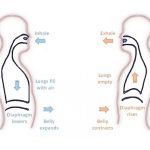
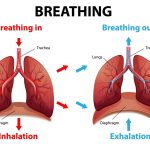
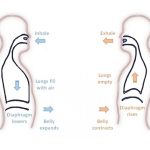
- Fundamentals of Healthy Technique: This is non-negotiable. Instructors should emphasize proper warm-up routines, effective breathing techniques (diaphragmatic breathing is key), and healthy vocal production. These fundamentals maximize vocal range, improve stability, and protect your voice.
- Diction, Resonance, and Tone: Learning to articulate clearly (diction) and understand how to use your body’s natural resonators (resonance) are vital for clear, powerful singing. Developing a consistent, pleasing tone is also a core focus.
- Stage Presence and Expression: Singing is also about conveying emotion. Good vocal classes include elements of stage presence, non-verbal expression, and performance techniques to help you connect with an audience.
- Music Theory, History, and Rhythm: To become a literate musician, understanding music theory (scales, chords), music history (context of different genres), and rhythm is invaluable. These components deepen your musicality and help you interpret songs more effectively.
- Weekly Physical Exercises: Expect a regimen of exercises designed to improve vocal range, ear training (recognizing pitches), breath control, vibrato (the natural oscillation of a healthy voice), tone production, and enunciation. These are the “strength training” for your voice.
Versatility in Styles and Student Levels
Your vocal classes should cater to your musical tastes and current skill level, while also offering pathways for exploration.
- All Styles of Singing: Whether your passion is musical theatre, classical opera, contemporary pop, jazz standards, country ballads, or folk tunes, a good academy will offer instruction across all major genres. This flexibility allows you to pursue your interests while building a versatile vocal toolkit.
- Customized for All Levels: From beginners taking their first breath to experienced singers looking to refine their technique, and even accomplished performers aiming for new challenges, instruction should be adapted to meet each student’s unique needs.
- Age-Appropriate Instruction: While there’s generally a minimum recommended age (often around 6 years old, as younger vocal cords may find technique-focused lessons challenging), quality programs welcome teens and adults of all ages. It’s never too late to start or restart your vocal journey.
What to Expect in Your Tailored Vocal Journey
Once you enroll in vocal classes, what does the actual learning experience look like? It’s a structured yet flexible process designed to meet your individual goals.
Setting Your Personal Vocal Goals
The first step in any reputable program is often a discussion about your musical aspirations. This isn’t just a formality; it’s foundational to tailoring your lessons.
- Defining Your Vision: Do you dream of acing an audition for musical theater, competitions, or school plays? Do you want to emulate your favorite recording artists, or perhaps develop a completely unique vocal style? Are you interested in songwriting? Clearly articulating these goals helps your instructor craft a personalized learning path.
- Instructor Matching: Based on your goals and personality, the academy will often match you with an expert instructor whose specialties align best with your needs.
The Core Components of a Vocal Lesson
Each lesson typically combines theoretical understanding with practical application, building skills incrementally.
- Warm-Ups and Physical Exercises: Every lesson usually begins with a series of vocal warm-ups and physical exercises. These are crucial for preparing your vocal cords, improving flexibility, and developing breath control. Examples include lip trills, sirens, scales, and articulation drills.
- Technique Focus: A significant portion of the lesson is dedicated to refining specific techniques. This might involve working on vowel shapes, consonant articulation, vibrato consistency, projection, or resonance placement. The instructor will provide targeted feedback and demonstrations.
- Repertoire Work: This is where you apply learned techniques to actual songs. You’ll work on pieces in your preferred style, focusing on interpretation, musicality, and incorporating healthy vocal habits. Playing music you enjoy is a key motivator and helps build confidence.
- Performance Practice: Towards the end of a session, or periodically, you might practice performing excerpts, focusing on stage presence, connecting with the lyrics, and managing performance anxiety.
- Music Theory and Literacy: Depending on your goals, elements of music theory, history, and rhythm will be woven into lessons, helping you become a more literate and well-rounded musician.
Tracking Progress and Feedback
Consistent feedback and progress tracking are essential for growth.
- Regular Assessments: Instructors regularly assess your progress, identifying areas of improvement and new challenges.
- Progress Reports: For younger students, parents often receive progress reports, keeping them informed about their child’s development and accomplishments.
- Ongoing Dialogue: You and your instructor will continually discuss your progress, adjust goals as needed, and celebrate milestones.
Beyond the Basics: Expanding Your Vocal Horizons
Quality vocal classes aren’t just about mastering the fundamentals; they open doors to a wider musical world.
Exploring Diverse Genres
While a strong technical foundation supports all styles, specialized instruction in different genres allows for nuanced exploration.
- Musical Theatre: Focus on character portrayal, storytelling through song, and projecting over an orchestra.
- Classical: Develop powerful, resonant tones, learn specific linguistic demands (e.g., Italian, German), and master operatic techniques.
- Contemporary/Pop: Work on stylistic elements, vocal runs, belting safely, and modern mic techniques.
- Jazz: Explore improvisation, scat singing, and complex harmonic structures.
- Country & Folk: Emphasize storytelling, authentic vocal timbres, and often acoustic accompaniment.
Combining Skills: The Singer/Songwriter Path
For those with a creative spark, many programs offer singer/songwriter lessons, which can combine vocal training with instrumental instruction.
- Voice with Guitar or Piano: Learning an instrument alongside vocal training can unlock new dimensions of musical expression. It allows you to accompany yourself, understand song structure from both a vocal and instrumental perspective, and enhance your songwriting capabilities. This holistic approach can be incredibly rewarding for budding artists.
Audition and Performance Preparation
If your goals include performing, dedicated preparation is invaluable.
- Targeted Coaching: Instructors can provide specific guidance for auditions, helping you choose appropriate material, refine your presentation, and manage nerves.
- Competition Readiness: For those eyeing competitions, lessons can focus on polish, interpretation, and building stamina for multiple rounds.
- School Plays and Showcases: Personalized coaching ensures you’re ready to shine in school productions or local showcases.
Practical Playbook: Finding Your Ideal Vocal Classes Near Me
Ready to take the plunge? Here’s a step-by-step guide to help you find the perfect vocal classes in your area.
- Define Your Personal Goals (and Budget): Before you even search, understand why you want to sing and what you hope to achieve. Is it for fun, professional development, audition prep, or self-improvement? Consider your budget for lessons and any travel time you’re willing to commit.
- Initial Research: Online & Local Directories: Start with a simple “vocal classes near me” or “singing lessons [your city]” search. Look at websites of music academies, community centers, and private instructors. Read reviews and testimonials.
- Scrutinize Program Descriptions: Pay close attention to the details. Do they mention “tailored lessons,” “healthy technique,” “classically trained instructors,” or a variety of styles? These are indicators of quality.
- Schedule a Consultation or Trial Lesson: Many reputable academies offer introductory consultations or trial lessons. This is your chance to meet the instructor, discuss your goals directly, and get a feel for the learning environment.
- Ask Key Questions:
- What is the instructor’s background and teaching philosophy?
- How do they customize lessons for individual students?
- What emphasis is placed on vocal health and technique?
- Are there opportunities for performance or showcases?
- What is the typical curriculum progression?
- Do they offer progress reports or regular feedback?
- Observe the Environment: Is the studio clean, welcoming, and conducive to learning? Do students seem engaged and happy?
- Trust Your Gut: Ultimately, choose a place where you feel comfortable, inspired, and confident in the instruction. The connection with your teacher is vital.
Quick Answers to Common Vocal Class Questions
How young is too young to start vocal lessons?
While natural singing can start very early, technique-focused vocal lessons are generally recommended for children around 6 years old and up. This is because younger vocal cords are still developing, and rigorous technical training can be challenging or even counterproductive. Focus for very young children might be more on general musicality and fun.
Can adults really learn to sing, even if they’ve never sung before?
Absolutely! It’s a common misconception that singing ability is purely innate. While some people have a natural predisposition, anyone can learn to sing and improve their voice with proper instruction and consistent practice. Adults often come with greater discipline and a clearer sense of purpose, which can accelerate their progress. It’s never too late to start.
Do I need to read music before starting vocal classes?
No, not necessarily. While understanding music theory and being able to read music is incredibly helpful and often integrated into lessons to develop literate musicians, it’s typically not a prerequisite. Many beginners start without any prior music reading ability, and instructors will teach these fundamentals as part of the curriculum.
What styles of music can I expect to learn in vocal classes?
Good vocal classes are highly versatile. You can expect to explore a wide range of styles including musical theatre, classical, contemporary/pop, jazz, country, and folk. The instruction should be customized to your interests and goals, allowing you to focus on the genres you love while building a broad technical foundation.
How long does it take to see progress in my singing?
Progress varies greatly depending on your starting point, consistency of practice, and personal goals. However, with regular, tailored instruction and dedicated practice, most students notice improvements in breath control, vocal stability, range, and confidence within a few weeks to a couple of months. Significant development of a “unique voice” or preparation for major auditions will naturally take longer, but the journey is rewarding.
Elevate Your Voice, Starting Today
The pursuit of vocal excellence is a deeply personal and enriching journey. When you embark on the search for vocal classes near me, you’re not just looking for a teacher; you’re seeking a mentor who can help you unlock a deeper understanding of your own voice, build unwavering confidence, and express yourself in ways you never thought possible. By focusing on expert instruction, a comprehensive curriculum, and a supportive environment, you can make an informed decision that truly empowers your singing potential. Don’t wait—take that first step towards a more melodious you.

- Voice Breathing Exercises Build Stronger Support for Your Singing - March 26, 2026
- How to Increase Lung Capacity for Singing and Improve Vocal Stamina - March 25, 2026
- Breathing during Singing Techniques Elevate Your Vocal Performance - March 24, 2026