Running out of breath mid-phrase, struggling to hit those powerful high notes, or finding your voice tires easily? These common frustrations often point to one overlooked area in a singer’s technique: underdeveloped vocal diaphragm exercises. Mastering the diaphragm isn’t just about taking deeper breaths; it’s about unlocking your full vocal potential, sustaining notes with ease, and protecting your most valuable instrument from unnecessary strain. This isn’t just theory; it’s the fundamental shift that transforms a struggling singer into a confident, controlled performer.
At a Glance: Strengthening Your Vocal Diaphragm for Performance
- Understand the “Why”: Learn precisely how diaphragmatic breathing supports vocal power, range, and health.
- Master the Foundation: Develop impeccable posture, the often-forgotten first step to efficient breath.
- Consciously Engage: Discover how to identify and actively use your diaphragm during inhales.
- Control Your Exhale: Practice techniques for steady, supported airflow that sustains your singing.
- Expand Your Capacity: Safely increase lung power and breath endurance for demanding vocal pieces.
- Integrate & Protect: Weave diaphragm work into daily warm-ups to prevent injury and enhance elasticity.
The Unseen Engine: Why Your Diaphragm is Key to Vocal Mastery
Many singers unconsciously rely on shallow chest breathing, drawing air into only a small fraction of their lung capacity. This habit, often stemming from everyday breathing patterns or nervous tension, starves the voice of the consistent air pressure it needs. When you breathe incorrectly—perhaps lifting your shoulders or tensing your throat—you create unnecessary tension and limit your vocal range, often running out of breath far too soon.
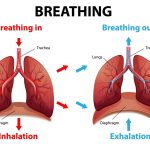
The diaphragm, a dome-shaped muscle located just below your lungs, is the true powerhouse of vocal breathing. Engaging it allows you to access up to 50% of your lung capacity, providing a deep, steady reservoir of air. This not only fuels your voice with consistent pressure for sustained notes and powerful delivery but also shields your delicate vocal cords from damage by preventing you from pushing air forcefully from your throat. Proper diaphragmatic support is the difference between a strained whisper and a resonant, clear tone.
Laying the Foundation: Your Body as an Instrument
Before you even think about specific breathing maneuvers, you must prime your body. Your posture isn’t just about looking good; it’s about creating the optimal internal environment for your breath to flow freely and deeply.
Masterful Posture: Unlocking Your Breathing Potential
Think of your body as a finely tuned instrument; if it’s slumped or tense, it can’t produce its best sound. Correct posture allows for maximum lung expansion and efficient use of your diaphragm, creating an open pathway for your voice. It’s the initial crucial step in any successful vocal diaphragm exercises regimen.
Steps to Optimal Posture:
- Ground Yourself: Stand straight, yet relaxed, with your feet about shoulder-width apart. Distribute your weight evenly, perhaps tilting slightly forward onto the balls of your feet.
- Release Tension: Shrug your shoulders up towards your ears, then let them fall naturally back and down. This helps release upper body tension, preventing shallow breathing. Your shoulders should remain down, never rising during inhalation.
- Find Your Center: Keep your joints flexible—a slight bend in the knees can help prevent rigidity. Ensure your hips, torso, and neck feel aligned and free.
- Elevate and Align: Gently lift your chest, as if it’s naturally buoyant, without forcing tension. Keep your chin parallel to the ground; imagine a book perfectly balanced on your head, keeping your head level and aligned with your spine.
Checking Your Posture:
- Does your neck feel long and relaxed?
- Are your shoulders loose and down, not hunched?
- Is your chest open and elevated without strain?
- Is your weight evenly distributed, ready to move freely?
What to Avoid: - Slumping: This immediately constricts your lungs and cuts off crucial airflow, making diaphragmatic breathing impossible.
- Excessive Straining: Don’t force your chest up or clench your abdominal muscles. Relaxation is key to allowing the diaphragm to move freely.
Engaging the Core: Fundamental Diaphragm Exercises
Once your posture is aligned, you can begin the specific vocal diaphragm exercises designed to build conscious control and strength. These exercises train your body to inhale efficiently and exhale with precision. For a broader look at how these techniques fit into your overall vocal health, you might find more comprehensive strategies in our guide on How breathing boosts your voice.
The Conscious Inhale: Finding Your Diaphragm’s Rhythm
The goal here is to shift from unconscious, shallow breathing to deliberate diaphragmatic engagement. This exercise is foundational, teaching you what it feels like when your diaphragm is actively working.
How to Practice Diaphragmatic Inhale:
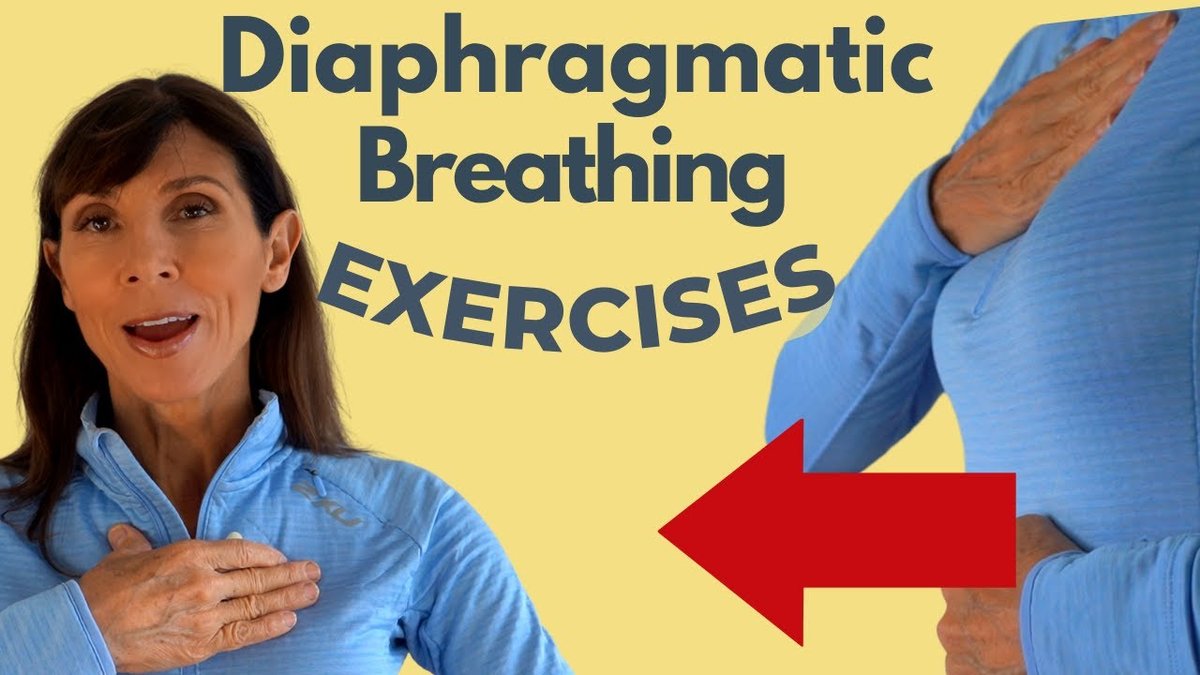
- Hand Placement: Stand or sit in your correct posture. Place one hand flat on your stomach, with your middle finger resting on your belly button.
- Focused Breath: As you gently inhale through your nose, focus on making your stomach inflate and push your hand outwards. Your chest and shoulders should remain relatively still.
- Gentle Exhale: Exhale slowly and softly through your mouth, observing your belly naturally deflate and your hand move inward.
The Key Sensation:
- Your belly should move outwards on the inhale, not upwards. If your chest rises significantly or your shoulders lift, you’re likely still chest breathing.
- Repeat this focused breathing for about 5 minutes, or 10-15 cycles, aiming to solidify the outward belly movement.
Case Snippet: “One singer I coached couldn’t feel their diaphragm initially. We started by having them lie on their back with a book on their stomach. Seeing the book rise and fall with their breath made the diaphragm’s action tangible, quickly translating to standing practice.”
Sustained Breath Control: The Straw Technique for Smoothness
The straw technique is excellent for developing a quiet, efficient inhale and a steady, controlled exhale. It helps you train your breath to last longer without tension. This is a subtle but powerful vocal diaphragm exercise.
Materials: A standard drinking straw, cut to about four inches in length.
Aim: To cultivate an effortless, silent inhale that prevents gasping and improves your ability to sustain notes smoothly.
Steps:
- Straw Placement: Place the cut straw gently between your lips, ensuring your jaw is relaxed.
- Controlled Inhale: Inhale through the straw, aiming for a quiet, unforced breath. Count slowly to four as you inhale. Your shoulders should remain relaxed and down.
- Steady Exhale: Exhale through the straw with consistent, even pressure, counting to four again. Avoid blowing forcefully.
- Repeat and Extend: Perform 5 breath cycles at the 4-second pace. Then, challenge yourself by gradually increasing both the inhale and exhale times to 5 seconds, and eventually longer, always maintaining control and smoothness.
Observation: The goal is to breathe effortlessly with minimal noise. If you hear a loud sucking sound on the inhale or a strong gust on the exhale, you’re likely forcing the air. The straw helps you regulate the airflow, engaging your diaphragm naturally for support.
Managing Your Outflow: The Hissing Exercise for Vocal Protection
This exercise, often called “breath management,” teaches you how to release air slowly and steadily, which is critical for vocal endurance and avoiding vocal tension. It directly impacts your ability to hold long notes without strain.
Aim: To foster a relaxed, controlled air release, protecting your vocal cords from the damage caused by pushing air forcefully.
How to Practice Hissing:
- Hand on Stomach: Place the palm of your hand firmly on your stomach, just above your navel, to monitor diaphragm engagement.
- Deep Inhale: Take a full, deep diaphragmatic breath, feeling your stomach expand outwards.
- Tongue Position: Gently press the tip of your tongue against your bottom front teeth. Allow your top teeth to rest lightly on your bottom teeth.
- Controlled Hiss: Release air slowly and steadily through the small gap between your teeth, producing a soft, consistent “tss” sound. Focus on maintaining a constant, low-volume hiss.
- Sustain Goal: Challenge yourself to sustain this controlled hiss for at least 30 seconds, maintaining steady pressure from your diaphragm.
What to Avoid:
- Forcing Air: Don’t push too hard from your throat to make the hiss louder. The goal is control and relaxation, not volume.
- Straining: If your voice feels gravelly or croaky when you attempt a vocalized sound after this, it means you’re pushing too hard or using too much throat tension. Adjust your technique to focus on diaphragm support.
Beyond Basics: Expanding Your Vocal Breath Capacity
With foundational control established, you can move towards expanding your lung capacity and preparing your voice for performance. These vocal diaphragm exercises build endurance and flexibility.
Lung Capacity Expansion: Deep Breathing for Endurance
This exercise is designed to fully engage your entire respiratory system, from your diaphragm up through your chest and even into your upper body, promoting maximum lung capacity.
Safety First:
Do NOT attempt this exercise while standing or in any situation where you could fall over. It is common to feel light-headed due to increased oxygen intake. Sit comfortably or lie down on your back in a safe, quiet space.
Steps for Deeper Breathing:
- Relaxed Position: Close your eyes and settle into a comfortable sitting or lying position.
- The Journey of Breath: Take a long, deep breath in, consciously focusing on the sensation.
- Start: Feel your diaphragm engage first, causing the muscles under your ribcage and stomach to expand.
- Continue: Follow the breath as it fills your stomach, then gently rises to expand your chest.
- Completion: Allow the breath to lightly fill your neck and even feel a slight lift in your head, signifying full lung capacity.
- Natural Release: Once your lungs feel completely full, allow the breath to leave your lungs naturally and effortlessly, without forcing or pushing.
- Repetition: Repeat this full, diaphragmatic inhale for fifteen consecutive breaths.
- Breath Hold (Final Step): On the fifteenth exhale, release all the air from your lungs as completely as possible, then hold your breath for 30 seconds. This helps your body adapt to retaining oxygen.
Benefit: This intensive deep breathing helps to increase your physiological lung capacity and leads to a profound sense of relaxation, reducing performance anxiety.
Case Snippet: “Many singers report a ‘runners high’ sensation after this exercise—a clear sign of increased oxygenation. I encourage them to visualize the breath as a flowing river, slowly filling every part of their body.”
Preparing for Performance: The Role of Vocal Warm-ups
While not strictly diaphragm exercises, vocal warm-ups are crucial for integrating your breath work into your singing. They prepare your entire vocal system, including the muscles supported by your diaphragm, for the demands of performance.
Aim: To improve muscle elasticity, loosen any excess mucous, and significantly reduce the chance of injury to your delicate larynx and vocal cords.
Guidelines for Effective Warm-ups:
- Start Gentle: Begin with low-impact techniques like gentle humming, lip trills, or soft sirens. These naturally encourage diaphragmatic breath support without strain.
- Progress to Specific Drills: Once warmed up, transition to drills that mimic the challenges of the song you’re rehearsing. This might include extended breathing control exercises, scale runs, or arpeggios that require sustained breath.
- Target Weaknesses: Focus on the most challenging aspects of your current repertoire. If a phrase requires a quick, succinct breath, practice that. If a sustained note requires incredible breath support, drill that specific technique.
- Consistency is Key: Even 20 minutes of daily warm-up can dramatically improve your voice’s health, range, and overall performance, reinforcing the benefits of your vocal diaphragm exercises.
Practical Playbook: Integrating Diaphragm Work into Your Routine
Consistent practice is the bedrock of vocal improvement. Here’s how to make vocal diaphragm exercises a natural part of your singing life.
Daily Micro-Practices:
- Morning Breath Check: Start each day with 5 minutes of conscious diaphragmatic breathing (the “Conscious Inhale” exercise) before you even get out of bed.
- “Straw Snack” Breaks: Keep a cut straw handy and do 2-3 cycles of the Straw Technique during short breaks throughout your day.
- Hissing While Driving: Practice the Hissing Exercise discreetly in your car or during quiet moments to build breath endurance.
Troubleshooting Common Diaphragm Challenges: - “I can’t feel it!”: Lie down with a hand (or a light book) on your stomach. Gravity assists in making the belly movement more apparent. Focus on expanding outwards and downwards into your lower back.
- “My shoulders still lift!”: Place your hands on your shoulders. Consciously try to keep them still as you breathe. It’s a mental and physical retraining.
- “I run out of breath quickly!”: This indicates weak breath management. Increase the duration and consistency of your Hissing and Straw exercises. Think of your diaphragm as a piston slowly pushing air out, not a rapidly deflating balloon.
- “I feel light-headed!”: This is normal, especially with deep breathing exercises like Lung Capacity Expansion. Always do these sitting or lying down and take breaks if needed. It means you’re effectively increasing oxygen intake.
Integrating with Vocal Practice: - Before Every Warm-up: Dedicate the first 5-10 minutes of your vocal warm-up to pure diaphragm breathing exercises before singing a single note.
- During Difficult Passages: If a singing passage demands extreme breath control, break it down. Practice the breathing for that passage first, using the diaphragmatic inhale and controlled exhale techniques, before adding the vocalization.
Quick Answers: Demystifying Vocal Diaphragm Exercises
How long does it take to strengthen the vocal diaphragm for singing?
Consistency is key. While you might feel more control within a few weeks of daily practice, truly strengthening and integrating your diaphragm for optimal singing performance can take several months to a year. It’s a continuous journey of building muscle memory and conscious control.
Can I overdo diaphragm exercises?
It’s difficult to “overdo” basic diaphragmatic breathing in a harmful way, especially when following proper guidance. However, pushing too hard, tensing other muscles, or holding your breath excessively can lead to discomfort or light-headedness. Always listen to your body, avoid strain, and prioritize relaxation. The “Breathe Deeper” exercise, in particular, requires you to be in a safe, seated or lying position due to potential light-headedness.
What does proper diaphragmatic breathing feel like?
When breathing correctly with your diaphragm, you’ll feel your stomach and lower rib cage expand outwards and slightly to the sides on the inhale, rather than your chest or shoulders rising significantly. On the exhale, your stomach will gently draw back in. The sensation should be natural, relaxed, and powerful, not forced or tense. Many describe it as breathing “into your belly” or “down into your core.”
How does diaphragmatic breathing protect my voice?
Diaphragmatic breathing protects your voice by providing a stable, consistent air supply from below, allowing your vocal cords to vibrate freely without undue pressure or tension. When you push air from your throat or chest (shallow breathing), you create friction and strain on your delicate vocal folds, which can lead to fatigue, hoarseness, or even injury over time. The diaphragm acts as a natural, powerful support system, preventing this harmful pushing.
The Next Step: Your Vocal Diaphragm Practice
The journey to a stronger, more resilient singing voice begins with deliberate, consistent practice of vocal diaphragm exercises. It’s not about quick fixes but about building a fundamental strength that underpins every aspect of your performance. Start with mastering your posture, consciously engaging your diaphragm with each inhale, and then diligently practicing the straw and hissing techniques for breath control. As you gain proficiency, incorporate the deep breathing exercises to expand your lung capacity, always remembering to warm up your voice holistically. Your voice is a marathon, not a sprint, and your diaphragm is the engine that will carry you the distance. Commit to these practices, and you’ll not only hear but feel the difference in your vocal power, endurance, and freedom.

- Vocal Breathing Techniques Improve Control and Stamina for Singers - April 1, 2026
- Vocal Diaphragm Exercises Essential for Stronger Singing Performance - March 31, 2026
- Singers Breathing Techniques for Powerful Voice and Vocal Control - March 30, 2026