Struggling to hit those high notes, find your vocal range, or simply make your singing sound more polished? The search for quality vocal lessons near me often begins with a deep desire for improvement, but navigating the options can feel overwhelming. It’s not just about finding a teacher; it’s about finding the right teacher, one who understands your unique voice and helps you unlock its full potential.
This guide will cut through the noise, offering an expert’s perspective on what truly makes a difference in vocal training, from foundational techniques to advanced performance. You’ll gain practical insights and actionable steps to find and excel in vocal lessons tailored to your aspirations, whether you’re a complete beginner or looking to refine an established talent.
At a Glance: Key Takeaways for Your Vocal Journey
- Tailored Learning is Key: Understand why personalized instruction, matching your style and goals, is crucial.
- Instructor’s Expertise Matters: Learn what qualifications and teaching styles indicate a truly effective vocal coach.
- Master the Fundamentals: Discover the core techniques—breathing, diction, resonance—that underpin all great singing.
- Explore Diverse Styles: See how classical training can enhance pop, jazz, or musical theatre performance.
- Set Clear Goals: Define what you want to achieve, from audition prep to simply singing for joy.
- Age is (Mostly) Just a Number: Understand age recommendations and how lessons adapt for different life stages.
Starting Your Vocal Journey: What to Consider First
Embarking on vocal lessons is an exciting step, but it helps to have a clear picture of where you’re starting from and where you want to go. While passion for singing is universal, your age, current skill level, and personal goals will shape your ideal learning path.
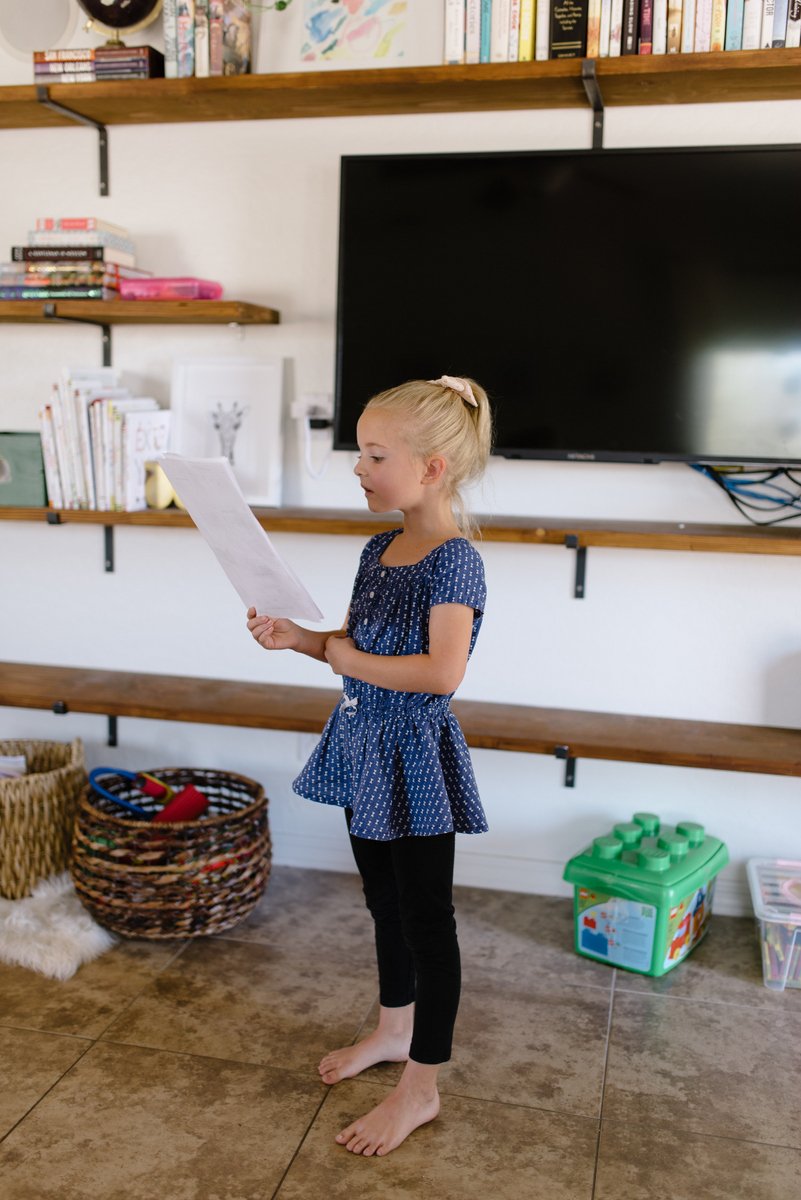
For younger aspiring singers, around 6 years old is often the minimum recommended age to begin formal voice lessons. This isn’t about talent, but rather vocal cord development and the ability to grasp technique-focused instructions. Younger vocal cords are still developing, and pushing them with complex techniques too early can be counterproductive. Teens and adults, however, are welcome at any stage, often finding it beneficial to combine voice lessons with another instrument like guitar or piano, especially for aspiring singer/songwriters.
Your current skill level—beginner, intermediate, or accomplished performer—also dictates the initial approach. Beginners will focus heavily on establishing strong fundamentals, while advanced singers might refine specific performance nuances or tackle challenging repertoire. Don’t worry if you feel like you have “no talent”; a good instructor can help anyone improve their voice.
Finding the Right Vocal Coach: Beyond Just Proximity
When you’re searching for “vocal lessons near me,” the quality of the instructor should be your top priority. A truly effective vocal coach is more than just a singer; they are an educator with a deep understanding of vocal physiology and a knack for nurturing talent.
Look for instructors who are classically trained. This background typically means they possess an in-depth understanding of vocal cords and the mechanics of sound production, providing a solid scientific foundation for all styles of singing. Many top coaches are professional singers themselves and graduates from prestigious musical programs, bringing both practical experience and academic rigor to their teaching.
Beyond credentials, the learning environment is paramount. The best teachers foster a positive, supportive, fun, and patient atmosphere. Learning to sing involves vulnerability, and a safe space encourages experimentation and growth. An instructor who celebrates small victories, provides constructive feedback gently, and adapts their approach to your learning style will make a significant difference in your progress and enjoyment. Before committing, consider a trial lesson to gauge the instructor’s personality and teaching methodology; finding a good personal fit is crucial for a successful long-term learning experience.
Unpacking the Curriculum: What Happens in a Vocal Lesson?
Good vocal lessons are structured, progressive, and comprehensive, moving beyond simply singing songs to building a robust and healthy vocal instrument. The curriculum at a reputable academy, for instance, is designed to transform eager students into literate, confident musicians.
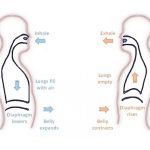
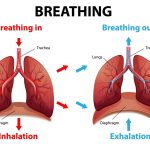
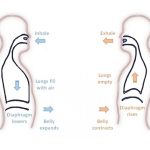
Every lesson typically begins with proper warm-up techniques. Just like any athlete, singers need to prepare their vocal cords and breath support muscles to prevent strain and maximize performance. This leads directly into foundational breathing techniques—the engine of your voice. Mastering breath control is not just about holding notes longer; it’s about sustaining vocal stability, maximizing your range, and producing a consistent, resonant tone.
Core techniques covered in lessons extend to:
- Diction: Clear articulation ensures your message is heard and understood.
- Resonance: Learning to use your body’s natural amplifiers to create a rich, full sound.
- Vocal Range Expansion: Gradually and safely extending the notes you can sing comfortably.
- Ear Training: Developing the ability to identify and reproduce pitches accurately, a cornerstone of musicality.
- Vibrato: Cultivating a natural, healthy vibrato for expressive singing.
- Tone Production: Achieving a consistent, pleasing vocal quality across your range.
But vocal lessons aren’t just about sound; they’re also about performance. Students learn valuable skills like stage presence and non-verbal expression, understanding how body language enhances their connection with an audience. To develop truly literate musicians, lessons also delve into music theory, history, and rhythm, providing context and deeper understanding of the art form. Weekly physical exercises specifically focus on improving breath control, tone production, and enunciation, ensuring a holistic development of your vocal abilities.
Exploring Vocal Styles: Finding Your Niche (or Broadening It)
One of the most exciting aspects of vocal training is the breadth of musical styles you can explore. A comprehensive program should equip you to sing across various genres, giving you the versatility to pursue different passions or even combine them.
Common styles taught include:
- Musical Theatre: Emphasizing storytelling, characterization, and powerful belt tones.
- Classical (Opera/Art Song): Focused on pure tone, precise technique, and extensive range.
- Contemporary/Pop: Covering modern vocalizations, stylistic phrasing, and microphone technique.
- Jazz: Exploring improvisation, sophisticated harmonies, and rhythmic nuances.
- Country, Folk, Rock, Gospel, R&B: Each with its unique stylistic demands and emotional delivery.
While some students come in with a clear preference, like mastering contemporary pop or preparing for musical theatre auditions, classical training often forms the bedrock. Even if your primary focus is popular music, classical techniques provide a robust foundation for healthy vocal production, extending your range and improving stamina across all genres. An expert teacher can seamlessly integrate classical principles into modern styles, helping you develop a versatile and resilient voice.
For a more expansive look at the diverse landscape of singing education, from group classes to specialized workshops, you might want to Explore singing classes near you. This can help you contextualize how individual vocal lessons fit into the broader world of singing instruction, potentially informing your decision on whether to also pursue supplementary experiences.
Setting Your Singing Goals: What Do You Want to Achieve?
Before you even step into a lesson, it’s incredibly helpful to articulate your personal singing goals. This clarity empowers your instructor to tailor lessons precisely to your needs and gives you a benchmark for progress. Your aspirations can be as specific or as broad as you like.
Common goals students set include:
- Learning to Sing Specific Songs: Mastering a favorite ballad, pop hit, or show tune.
- Audition Preparation: Getting ready for musical theater roles, school plays, talent competitions, or university auditions.
- Developing a Unique Voice: Cultivating your own authentic sound rather than imitating others.
- Sounding Like Favorite Recording Artists: While aiming for exact replication is unrealistic, learning the techniques and stylistic nuances of idols can be a powerful motivator.
- Building Confidence: Overcoming stage fright, singing in front of others, or simply feeling more assured in your own voice.
- Inspiring Creativity: Using singing as an outlet for self-expression and artistic growth.
- Finding Lifelong Enjoyment: Simply singing for the sheer pleasure it brings, as a hobby or therapeutic pursuit.
During your initial consultation, openly discuss these goals with potential instructors. A good teacher will listen carefully and propose a curriculum roadmap designed to help you reach them, breaking down larger goals into achievable weekly milestones. This collaborative approach ensures your lessons remain engaging and purpose-driven.
A Practical Playbook for Finding Your Ideal Vocal Lessons
Now that you understand the depth of quality vocal instruction, here’s how to put that knowledge into action and find the perfect “vocal lessons near me.”
1. Define Your Non-Negotiables:
- Budget: What’s your comfortable price range per lesson?
- Location: How far are you willing to travel?
- Schedule: What days/times work best for you?
- Style Preference: Do you lean towards pop, classical, musical theatre, or want versatility?
2. Start Your Search: - Online Queries: Use specific phrases like “voice lessons [your city/neighborhood],” “singing coach pop music [your area],” or “vocal coach for auditions near me.”
- Local Music Schools/Academies: Reputable institutions often list their instructors’ bios and specialties online.
- Referrals: Ask musician friends, choir directors, or local theatre groups for recommendations.
3. Vet Potential Instructors: - Check Credentials: Look for classical training, degrees from music programs, and professional performance experience.
- Read Testimonials/Reviews: Do past students praise their patience, effectiveness, or positive environment?
- Review Curriculum Overviews: Does their teaching philosophy align with the comprehensive approach discussed earlier (warm-ups, breathing, theory, stage presence)?
4. The Interview & Trial Lesson Phase: - Initial Communication: Send an email or make a call to inquire about availability, rates, and their teaching philosophy. Briefly mention your goals.
- Ask Key Questions:
- “What’s your background in vocal training and performance?”
- “How do you tailor lessons for beginners vs. advanced students?”
- “What styles do you specialize in, and how do you incorporate foundational techniques?”
- “How do you measure student progress?”
- “Can I do a trial lesson before committing to a package?”
- During a Trial Lesson:
- Pay attention to the instructor’s communication style. Do they explain concepts clearly?
- Observe their patience and encouragement.
- Notice if they focus on healthy vocal technique from the start, not just singing songs.
- Do you feel comfortable and engaged? This personal connection is vital.
5. Prepare for Your First Lesson: - Stay Hydrated: Drink plenty of water throughout the day.
- Get Adequate Rest: A well-rested body means a well-rested voice.
- Bring Your Goals: Reiterate them to your instructor.
- Be Open-Minded: You might learn things you didn’t expect, especially about fundamental techniques.
- Don’t Be Afraid to Ask Questions: Clarify anything you don’t understand.
Common Pitfalls to Avoid: - Focusing solely on price: Cheaper isn’t always better if the quality of instruction is lacking.
- Ignoring the instructor’s personality: A bad fit can hinder your progress and enjoyment.
- Expecting immediate perfection: Vocal development is a journey requiring patience and consistent effort.
- Skipping warm-ups or neglecting practice: Consistency outside of lessons is crucial for growth.
Quick Answers: Common Questions About Vocal Lessons
Getting started often brings up a few common concerns. Here are some quick answers to frequently asked questions about “vocal lessons near me.”
Q: What’s the best age to start vocal lessons?
A: While passion can start young, around 6 years old is generally recommended as the minimum age for formal technique-focused lessons. At this age, vocal cords are more developed, and children are better equipped to understand and apply complex instructions. Adults can start at any age; it’s never too late to learn!
Q: Can adults really learn to sing well, even if they think they’re tone-deaf?
A: Absolutely! Very few people are truly “tone-deaf” (a condition called amusia). Most individuals who believe they are tone-deaf simply haven’t developed their ear-training skills or learned proper vocal technique. With consistent lessons and practice, adults can make incredible progress in pitch accuracy, vocal control, and overall singing ability.
Q: How long does it take to see results from vocal lessons?
A: You can often notice small improvements in breath control, vocal tone, and confidence within the first few weeks or months. Significant development of range, stability, and stylistic nuance typically takes several months to a few years of consistent lessons and dedicated practice. It’s a journey, not a sprint.
Q: Do I need to be able to read music before starting vocal lessons?
A: No, it’s not a prerequisite for beginners. While learning music theory and how to read music is an integral part of becoming a well-rounded musician and will be covered in lessons, many excellent vocal programs start from scratch. Your instructor will teach you what you need to know as you go.
Q: What’s the main difference between classical and pop vocal training?
A: Classical vocal training primarily focuses on developing a pure, unamplified sound with extensive range, stability, and resonance, often emphasizing vibrato and clear diction for operatic or art song repertoire. Pop vocal training, while still rooted in healthy technique, often emphasizes microphone usage, contemporary stylistic effects, belting, and adaptability to various modern genres. Many good teachers integrate classical principles into pop training to ensure vocal health and longevity.
Taking the Next Step: Elevating Your Voice
Finding the right vocal lessons near me is more than just a search; it’s an investment in yourself, your passion, and your voice. By prioritizing instructor expertise, understanding a comprehensive curriculum, and clearly defining your goals, you’re not just finding a teacher—you’re finding a mentor who can guide you to unlock new levels of vocal prowess and enjoyment.
Whether your dream is to perform on a stage, confidently sing at karaoke, or simply find a deeper personal connection to music, quality vocal instruction provides the foundation. Start your research, ask the right questions, and commit to the process. Your voice is a unique instrument, and with the right guidance, it can truly soar.

- Voice Breathing Exercises Build Stronger Support for Your Singing - March 26, 2026
- How to Increase Lung Capacity for Singing and Improve Vocal Stamina - March 25, 2026
- Breathing during Singing Techniques Elevate Your Vocal Performance - March 24, 2026