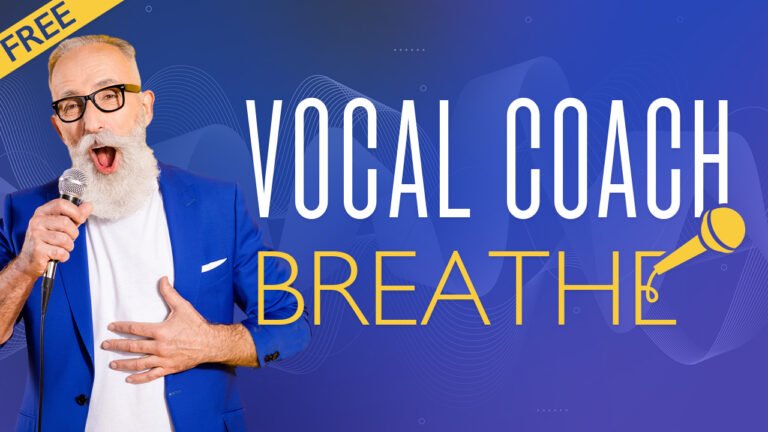
Searching for a “vocal teacher near me” isn’t just about finding someone close by; it’s about discovering a dedicated mentor who can unlock your unique voice and guide you through the exciting journey of singing. While online tutorials offer a glimpse into vocal techniques, nothing compares to the personalized feedback and expert guidance you receive from an experienced instructor. This focused support is essential for truly elevating your vocal abilities, whether you dream of hitting high notes flawlessly or simply enjoying your favorite songs with more confidence.
At a Glance: Finding Your Vocal Mentor
- Personalized instruction is paramount: Look for tailored lessons that match your goals, interests, and learning pace.
- Healthy technique is the foundation: Prioritize teachers who emphasize proper breathing, warm-ups, and vocal cord care to build a strong, sustainable voice.
- Expertise matters: Seek out instructors with formal training, performance experience, and a deep understanding of vocal physiology.
- Age is a guideline, not a barrier: While vocal development dictates a minimum age (around 6), singing lessons are beneficial for all ages, from teens to adults.
- A supportive environment fosters growth: The best teachers create a fun, positive space where confidence blossoms alongside skill.
- Comprehensive learning goes beyond songs: Expect to learn music theory, ear training, and stage presence, becoming a well-rounded musician.
Why a Dedicated Vocal Teacher Changes Everything
Many aspiring singers start with YouTube tutorials or karaoke apps, which can be fun, but often lead to self-taught habits that are hard to break later. A professional vocal teacher offers something profoundly different: individualized attention. Imagine having someone who can instantly identify tension in your jaw, correct a shallow breath, or suggest a subtle shift in resonance that completely transforms your sound. This immediate, expert feedback is invaluable.
A great vocal teacher doesn’t just show you how to sing a song; they teach you how your voice works. They understand the intricate mechanics of your vocal cords, using that knowledge to help you build a solid foundation. This means learning proper warm-up routines, mastering breathing techniques that maximize your vocal range and stability, and developing healthy vocal habits that protect your instrument for years to come. It’s like having a personal trainer for your voice, ensuring every exercise is done correctly and effectively.
The Mark of an Exceptional Vocal Teacher
When you’re looking for a vocal teacher near you, understanding what truly makes an instructor stand out can help you make an informed choice. It’s more than just being able to sing well themselves; it’s about their ability to teach, inspire, and adapt to your unique needs.
Expertise Rooted in Understanding
Look for teachers who are not only accomplished singers but also possess a deep, often classically-trained, understanding of vocal anatomy and pedagogy. These instructors comprehend how proper breathing, diction, and resonance physically impact your vocal cords and overall sound. They’ve often graduated from prestigious musical programs and have professional performance experience, bringing a wealth of real-world knowledge to their lessons. This background ensures they can teach you healthy techniques that protect your voice while helping you push its boundaries.
A Philosophy of Positive Reinforcement and Growth
The learning environment is critical. The best vocal teachers cultivate a fun, positive, and supportive atmosphere. They understand that singing can be a vulnerable endeavor, especially for beginners. Their goal isn’t just to correct mistakes but to build confidence, making the entire learning process enjoyable. This positive reinforcement encourages experimentation and growth, transforming challenges into opportunities for improvement rather than sources of discouragement.
Comprehensive Curriculum Beyond Just “Songs”
While learning your favorite songs is undoubtedly a huge motivator, an exceptional vocal teacher will offer a well-rounded curriculum. Beyond technique, they integrate elements like music theory, history, and rhythm. This holistic approach helps you become a literate musician, capable of understanding and exploring various musical styles independently. Lessons often include:
- Vocal Technique: Proper breathing, diction, resonance, ear training, breath control, vibrato, tone production, and enunciation.
- Physical Exercises: Weekly routines to improve vocal range and stability.
- Performance Skills: Stage presence, non-verbal expression, and how to authentically convey emotion.
This blend ensures you’re not just mimicking notes but truly understanding the art and science of singing.
Versatility in Musical Styles
Your musical tastes are unique, and your vocal teacher should be equipped to guide you through them. The most effective instructors are versatile, capable of teaching a wide array of singing styles. Whether your passion lies in musical theatre, classical opera, contemporary pop, jazz, country, folk, rock, gospel, or R&B, a skilled teacher can tailor their approach. While some academies might focus heavily on popular music and musical theatre, comprehensive training in classical techniques is often available and can provide a strong foundation for any genre.
A Thoughtful Matching Process
An ideal scenario involves a teacher who is matched to your specific goals and personality. This might start with you sharing your musical aspirations – perhaps you want to emulate a favorite artist, prepare for an audition, or simply develop a unique voice for casual singing. Based on this, a good academy or independent teacher will pair you with an instructor whose expertise and teaching style align best with your needs, ensuring a productive and enjoyable learning partnership.
Tailoring Your Singing Journey: What to Expect from Lessons
Effective vocal lessons are highly personalized, adapting to your aspirations and current skill level. They go beyond simply singing notes, diving into the mechanics and artistry of vocal performance.
Setting Your Musical Compass: Goals and Assessment
Your first steps with a vocal teacher typically involve an initial consultation. This is your chance to articulate your musical goals: Do you want to ace an upcoming musical theatre audition? Are you hoping to join a choir, perform solo, or just sing confidently for yourself? Perhaps you’re an aspiring singer/songwriter looking to combine vocal training with guitar or piano lessons. A good teacher will listen carefully to these aspirations, assess your current abilities, and help you set realistic, inspiring goals. They’ll then craft a customized lesson plan that specifically addresses your individual needs and music preferences.
Building Blocks: Healthy Technique and Fundamentals
Every lesson will likely involve a series of physical exercises designed to improve your vocal range, ear training, and breath control. These aren’t just warm-ups; they are foundational techniques. You’ll focus on:
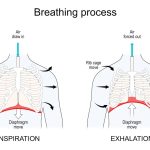
- Proper Breathing: Learning to use your diaphragm effectively to support your voice, increasing stamina and power.
- Diction and Enunciation: Articulating words clearly, regardless of the singing style.
- Resonance: Understanding how to project your voice and create different tonal qualities.
- Vibrato and Tone Production: Developing a steady, pleasing vibrato and achieving a consistent, rich tone.
These fundamentals are crucial for developing a strong, healthy voice that can tackle various musical challenges.
Beyond the Notes: Performance and Expression
Singing is as much about communication as it is about hitting the right notes. Your lessons will likely delve into performance aspects like stage presence and non-verbal expression. How you carry yourself, interact with an audience (even an imaginary one), and convey emotion through your body language are all vital components of becoming a captivating performer. Even if you only sing for personal enjoyment, understanding these elements deepens your connection to the music.
Becoming a Literate Musician
To truly unlock your potential and explore diverse musical styles, a solid understanding of music theory, history, and rhythm is invaluable. Your teacher may incorporate these elements into your lessons, helping you become a more literate musician. This knowledge empowers you to understand song structures, interpret different genres, and even compose your own music more effectively. It opens doors to a broader musical world than simply memorizing songs.
Tracking Your Ascent: Progress Reports and Adjustments
Learning to sing is a journey, not a sprint. A dedicated teacher will help you track your progress. For younger students, parents often receive regular progress reports, detailing improvements and areas for continued focus. For all students, goal-setting with your teacher is an ongoing process. You might start aiming to expand your vocal range by a few notes, then shift to mastering a challenging song, or preparing for a specific audition. This iterative process ensures your lessons remain relevant and continuously push you forward.
Age-Appropriate Instruction: When to Start & Who Benefits
The question of “when can I start singing lessons?” is common, and the answer is wonderfully flexible. While there are guidelines, the benefits of vocal instruction span across almost every age group.
The Young Voice: Starting Around Age Six
For younger children, the minimum recommended age for voice lessons is typically around six years old. This isn’t an arbitrary number; it aligns with the development of vocal cords and the ability of children to focus on instruction. At this age, lessons often emphasize fun, basic warm-ups, pitch matching, and developing a love for music, laying a healthy foundation without placing undue strain on developing voices.
Case Snippet: Seven-year-old Lily started lessons with a focus on simple vocal games, learning how to breathe deeply, and singing her favorite Disney songs. Her teacher ensured the exercises were light and engaging, gently guiding her towards better pitch and rhythm, all while boosting her confidence to sing in front of her family.
Teens and Adults: Never Too Late to Find Your Voice
For teenagers and adults, it’s truly never too late to begin or resume vocal lessons. Teenagers often have more developed vocal cords and a stronger sense of musical identity, making it an ideal time to refine technique, explore different genres, and prepare for auditions like musical theater, competitions, or school plays.
Adults, regardless of prior experience, can find immense joy and skill development through personalized vocal instruction. Whether you’re finally pursuing a lifelong dream, wanting to improve your choir performance, or simply seeking a creative outlet, a vocal teacher can meet you where you are. Many adults even combine voice lessons with learning another instrument, like guitar or piano, to become more well-rounded musicians or singer-songwriters.
Beyond the Notes: Building Confidence and Crafting Your Unique Voice
While technique is paramount, the journey with a vocal teacher extends far beyond mastering scales and hitting high notes. It’s about building self-assurance and discovering the authentic sound that is uniquely yours.
Fostering Self-Belief in a Supportive Space
A truly effective vocal teacher creates an environment where students feel safe to take risks, make mistakes, and ultimately grow. This supportive learning atmosphere is crucial for building confidence. When you feel encouraged, you’re more likely to step out of your comfort zone, try new techniques, and even perform for others. This gradual build-up of confidence in a positive setting translates into other areas of life, not just on stage.
Developing Your Signature Sound
One of the most exciting aspects of working with a vocal teacher is the process of developing your unique voice. While it’s natural to admire and even emulate favorite artists, the ultimate goal isn’t imitation. Instead, your teacher will guide you in understanding your vocal instrument’s natural qualities, helping you refine your tone, explore your unique vocal textures, and develop an expressive style that is authentically you. This cultivation of a signature sound is what makes an artist memorable and distinctive.
Your Playbook for Finding the Right Vocal Teacher Near You
Navigating the options for a vocal teacher near you requires a clear strategy. Here’s a practical playbook to guide your search and decision-making process.
Step 1: Define Your Musical Goals Clearly
Before you even start searching, take some time to reflect. What do you hope to achieve?
- Casual Enjoyment: Do you just want to sing better for fun, karaoke, or personal enjoyment?
- Performance: Are you aiming for auditions (musical theatre, school play, competitions), joining a band, or solo gigs?
- Skill Development: Is your primary goal to expand your range, improve breath control, or learn music theory?
- Genre Specifics: Do you have a strong preference for a particular style (pop, classical, jazz, etc.)?
Having these goals clearly defined will significantly narrow down your search and help you articulate your needs to potential teachers.
Step 2: Research Local Options and Their Offerings
Start by searching online for “vocal teacher near me” or “singing lessons [your city/town]”. Look at websites of local music academies, community centers, and independent teachers. When researching, pay attention to:
- Teacher Biographies: What are their qualifications? Do they have performance experience? What is their teaching philosophy?
- Student Testimonials: What do current and past students say about their experience?
- Lesson Structure: Do they offer customized lesson plans? What’s the typical lesson length and frequency?
- Policies: Understand cancellation policies, payment structures, and any required commitments.
For a broader understanding of general singing class options and what to look for, you might want to Explore singing classes near me. This can provide additional context on the types of programs available.
Step 3: Prioritize Healthy Technique and Comprehensive Learning
As emphasized earlier, a teacher who prioritizes healthy vocal technique is paramount. Their focus should be on building a strong foundation: proper breathing, posture, warm-ups, and vocal cord care. Inquire about how they integrate these fundamentals into their lessons. A comprehensive approach also means they won’t just teach you songs but will also introduce you to music theory, ear training, and performance skills.
Step 4: Assess the Learning Environment and Teacher Rapport
A positive and supportive learning environment is critical for building confidence and making progress. During your research, look for mentions of a “fun,” “encouraging,” or “supportive” atmosphere. If possible, observe a class or arrange a brief chat with the teacher. Consider:
- Do you feel comfortable talking to them?
- Do they seem genuinely interested in your goals?
- Does their teaching style resonate with you?
Remember, the best teacher for someone else might not be the best teacher for you.
Step 5: Schedule an Introductory or Trial Lesson
Many teachers and academies offer a trial lesson or an initial consultation. This is an invaluable opportunity to:
- Experience their teaching style firsthand.
- Gauge the chemistry between you and the instructor.
- Discuss your goals in person and see how they plan to help you achieve them.
- Get a feel for the studio environment.
Think of it as an interview for both sides.
Step 6: Ask Key Questions During Your Consultation
Prepare a list of questions to ask during your trial lesson or initial meeting:
- “How do you approach teaching proper breathing and vocal warm-ups?”
- “What types of exercises do you use to expand vocal range?”
- “Are you experienced in teaching my preferred musical style (e.g., musical theatre, pop, classical)?”
- “How do you track student progress?”
- “What do you believe is the most important aspect of healthy singing?”
- “What resources do you recommend for practicing at home?”
- “Can you provide examples of how you’ve helped students achieve goals similar to mine?” (e.g., preparing for an audition, developing a unique sound).
Quick Answers to Common Vocal Lesson Questions
Q: How long does it take to see progress in singing lessons?
A: Progress varies greatly depending on individual practice, natural ability, and consistency. However, with regular weekly lessons and consistent home practice (even 15-20 minutes daily), most students notice improvements in breath control, pitch accuracy, and vocal confidence within a few weeks to a couple of months. Significant vocal development is a long-term journey.
Q: Do I need to know how to read music before starting vocal lessons?
A: Not necessarily! While learning music theory and how to read music is incredibly beneficial and often incorporated into lessons, it’s rarely a prerequisite for starting. Many teachers will teach you these concepts as part of your overall musical education. Your primary focus will initially be on ear training, pitch, and vocal technique.
Q: Can I really learn to sing any style of music?
A: With a versatile and skilled teacher, you can certainly learn the techniques required for a wide range of styles, from classical to contemporary pop, jazz, and musical theatre. A good teacher will help you understand the unique vocal demands of each genre and guide you in adapting your technique appropriately, ensuring healthy vocal production no matter the style.
Q: What if I just want to sing for fun and not become a professional?
A: That’s perfectly fine, and a common goal! A good vocal teacher will tailor lessons to your aspirations. If your goal is casual singing, they’ll focus on improving your enjoyment, confidence, and basic healthy techniques for your preferred songs, without the pressure of performance preparation unless you choose it. Customized lesson plans are designed to fit your individual needs and musical preferences.
Q: Are group singing classes as effective as private lessons?
A: Group classes can be fun for building confidence, singing harmonies, and enjoying a communal experience. However, for highly personalized feedback on your specific vocal technique, breath control issues, or individual vocal challenges, private lessons are generally more effective. A private teacher can focus solely on your voice and tailor every exercise to your immediate needs, which is crucial for foundational development and addressing specific goals.
Ready to Elevate Your Voice?
Finding the right vocal teacher near you is a pivotal step towards transforming your singing. It’s an investment in your musical growth, your confidence, and the sheer joy of expressing yourself through song. By prioritizing personalized instruction, healthy technique, and a supportive learning environment, you’re not just finding a teacher; you’re finding a guide who will help you discover the full potential of your unique voice. Don’t hesitate to take that first step—your vocal journey awaits!