Imagine trying to run a marathon without stretching or lift heavy weights without a warm-up. You wouldn’t, right? The same principle applies to your voice. Every time you speak, sing, teach, present, or even just talk on the phone, your vocal cords are working, vibrating hundreds of times per second. Without a regular voice workout, you’re leaving your most crucial instrument vulnerable to strain, fatigue, and potential long-term damage.
In a world where 1 in 5 individuals, particularly those in professions like singing, teaching, and teleconferencing, experience vocal problems, taking preventative measures is not just smart—it’s essential. A dedicated daily vocal practice is your best defense, a proactive step towards a healthier, more expressive, and more resilient voice.
At a Glance: Your Daily Voice Workout
- Who Needs It: Anyone using their voice extensively (singers, actors, teachers, public speakers, call center agents).
- Why It Matters: Prevents strain, fatigue, hoarseness; enhances flexibility, strength, clarity, volume, pitch, and stamina.
- Core Components: Warm-ups, articulation drills, pitch/range practices, breathing exercises, and resonance work.
- Key Benefit: Boosts confidence and presence in all vocal interactions.
- Time Commitment: Even 10-15 minutes daily can make a significant difference.
Why Your Voice Demands Daily Attention
Your voice is a complex interplay of breath, muscle, and vibration. It’s an athletic instrument, and like any athlete, it thrives on consistent conditioning. Neglecting this conditioning means your vocal cords become stiff, your breath support wanes, and your articulation blurs. This isn’t just a minor inconvenience; it leads to common, debilitating issues such as chronic hoarseness, reduced vocal range, and even painful vocal nodules.
Consider the recent findings: a 2023 study highlighted that a staggering 60% of individuals experiencing vocal problems eventually seek medical care. This underscores the severity of vocal neglect. Regular practice, on the other hand, builds resilience. It’s how you cultivate vocal flexibility, strength, clarity, and the stamina to project confidently throughout your day, whether you’re leading a classroom, performing on stage, or delivering a crucial presentation. Consistent effort is the key to vocal training for singers and speakers alike.
The Anatomy of a Powerful Voice Workout
A truly comprehensive voice workout isn’t just about making noise; it’s a structured approach that addresses every facet of vocal production. We break it down into five key pillars, each designed to optimize a specific aspect of your vocal health and performance.
1. Prime Your Instrument: Essential Vocal Warm-ups
Just as you wouldn’t sprint from a cold start, your vocal cords need a gentle wake-up call. Warm-ups are crucial for increasing blood flow to the vocal folds, reducing tension, and preparing them for the day’s demands. Think of them as the gentle stretches before your vocal marathon.
- Lip Trills (5-10 seconds): This is a gold standard for good reason. Relax your lips and jaw, then blow air through your lips to create a continuous, buzzing “brrr” sound. The goal is steady airflow, ensuring your vocal cords vibrate with minimal effort. This exercise uniquely reduces tension in your throat, jaw, and neck, setting a relaxed foundation for your sound.
- Humming (Gradual Pitch Changes): With your mouth closed, hum a comfortable pitch. Focus on feeling the vibration in your nasal cavity – this is called forward resonance. Gradually slide up and down your vocal range, keeping your jaw relaxed and breath steady. Humming gently warms your vocal cords and trains them to resonate forward, preventing a “back-of-the-throat” sound. Cheryl Porter vocal warm-ups often emphasize the importance of these foundational resonance exercises.
- Yawn-Sigh Technique (Repeat several times): A simple yet incredibly effective tension reliever. Take a big, natural yawn, allowing your throat to open wide, then let out a relaxed sigh. This natural motion releases throat tension and soothes vocal cords that might be feeling strained.
- Sighing on Vowels (Gentle release): Inhale calmly, then gently release sound on open vowels like “ah” or “oo” as a relaxed sigh, letting the pitch naturally fall. This technique discourages a hard, abrupt voice onset, promoting smoother and more effortless sound production. To truly Cheryl Porter Vocal Warmup Guide will provide deeper insights into incorporating these relaxed sounds.
2. Speak with Clarity: Articulation Drills
Mumbled speech is a common culprit for misunderstanding and listener fatigue. Articulation drills aren’t just for actors; they’re vital for anyone who wants to be understood clearly and effortlessly. These exercises train your lips, tongue, and jaw to move with precision, ensuring every word lands perfectly.
- Tongue Twisters (Start slow, increase speed): Begin with classic tongue twisters like “Peter Piper picked a peck of pickled peppers.” Focus on distinct pronunciation of each syllable, then gradually increase your speed. This practice significantly enhances speech clarity, articulation, and the fluidity of your tongue and lips. Don’t be afraid to Explore fun vocal exercises with increasingly complex phrases.
- Jaw Exercises (Gentle massage and movement): Gently massage the muscles around your jaw. Practice opening your mouth wide, then slowly closing it. Follow with exaggerated chewing motions, like you’re enjoying a particularly chewy piece of gum. These movements relax and strengthen the jaw, a critical step in preventing mumbled or tight speech.
- Lion Face (Hold for a few seconds): Open your mouth as wide as you can, stick out your tongue far, and widen your eyes. Hold this “lion face” for a few seconds, then completely relax. Repeat this a few times to release tension in the jaw and strengthen facial muscles involved in articulation.
- Tongue Trills (Fluttering motion): Allow your jaw to drop slightly. Place the tip of your tongue lightly behind your top front teeth and blow air to make your tongue flutter. This is similar to a Spanish “rr” sound. It’s excellent for releasing tension in the tongue and jaw, improving overall voice control.
- Exaggerated Vowel Shapes (Over-articulate): Speak common phrases, deliberately over-articulating each vowel sound. For instance, “Hello, how are you?” becomes a much more pronounced “HAY-lo, HAH-oo AHR yoo?” This trains your mouth to move more freely, drastically improving clarity and reducing the need to force sound, which, in turn, prevents throat tension. This kind of Practical voice exercises makes a huge difference.
3. Expand Your Sonic Landscape: Pitch and Range Practices
Whether you sing or speak, having control over your pitch and an expansive range adds depth, nuance, and emotional impact to your communication. These exercises gently stretch and strengthen your vocal cords, making them more adaptable and less prone to cracking or wavering.
- Sirens and Slides (Smooth glides): Start at your lowest comfortable note and smoothly glide your pitch all the way up to your highest note, then slide back down. Imagine the sound of a police siren. This exercise gently stretches your vocal cords, improving flexibility and allowing for wobble-free transitions across your entire range.
- Agility Drills: These are fundamental for any vocal endeavor, helping you hit notes accurately and transition smoothly.
- Scales: Sing simple ascending and descending scales (e.g., Do-Re-Mi-Fa-Sol-Fa-Mi-Re-Do). Focus on smooth, connected sounds and precise pitch accuracy.
- Arpeggios: Sing the notes of a chord in sequence (e.g., Do-Mi-Sol-Do-Sol-Mi-Do), aiming for clean transitions and accurate pitch for each note.
- Staccatos: Practice singing short, detached notes with crisp, punctuated sounds. Use your diaphragm for quick, precise bursts of sound. This improves vocal agility and breath control, giving your voice a dynamic edge. These Daily vocal exercises are non-negotiable for singers.
- Five-Note Scales (Repetitive coordination): From an easy, comfortable pitch, move up five notes, then back down, using a relaxed sound. Repeat this pattern, gradually moving your starting pitch up and down your range. This builds coordination and endurance in your vocal muscles.
- Octave Slides (Connecting registers): Slide smoothly up one full octave from a comfortable pitch, then back down. This helps to connect your voice registers (e.g., chest voice and head voice) and reduces any tension or “break” you might experience during significant pitch changes.
4. Fuel Your Sound: Breathing and Support Exercises
Breath is the engine of your voice. Without proper breathing and consistent support, your voice will sound weak, breathy, or strained. These exercises build the foundational lung capacity and breath control needed for a steady, powerful, and enduring vocal performance. This is the cornerstone of any effective Improve your vocal routine.
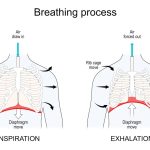
- Diaphragmatic Breathing (Hands-on feedback): Lie on your back, place one hand on your chest and one on your belly. Inhale slowly through your nose, focusing on letting your belly expand while your chest remains relatively still. Exhale slowly through your mouth. This foundational exercise drastically improves lung capacity, breath control, and makes your voice steadier and more powerful by reducing strain on your throat.
- Deep Breathing (Controlled and sustained): Sit or stand tall with good posture. Inhale deeply through your nose for a count of four, hold for four, then slowly exhale through your mouth for four. This simple but powerful exercise helps you manage volume and projection, ensuring you have enough breath to sustain phrases without running out of air.
- Sustained Hissing (S or Z sound): Take a deep, diaphragmatic breath. Slowly release the air with a long, steady “S” or “Z” sound. Your goal is to make the hiss as consistent and long as possible. This trains precise airflow control and breath consistency, vital for sustained notes or long sentences.
- Pulsed Breathing Exercises (“Ha” or “Ss”): Take a comfortable breath. Then, release short, controlled bursts of air using sounds like “ha” or “ss,” making sure each burst is distinct and supported by your diaphragm. This improves coordination between breath release and sound, making your voice more responsive and dynamic. You can Quick 10-minute vocal routine into your day by focusing solely on these breathing exercises.
5. Amplify Your Presence: Vocal Resonance Exercises
Resonance is what gives your voice its unique color, projection, and power without shouting. It’s the amplification of sound within the cavities of your head and chest. These exercises teach you to direct sound forward, making your voice brighter, fuller, and more effortless.
- Forward Resonance Hums (Feel the buzz): With your lips gently closed and jaw relaxed, hum softly. Concentrate on feeling a clear vibration in your lips, cheeks, or nose. This exercise trains you to shift sound vibration forward, away from your throat, which reduces tension and dramatically improves tone quality.
- Nasal Sounds (M, N, NG): Practice sustained sounds like “mmm,” “nnn,” or “ng” (as in “sing”). Focus on maintaining a gentle, steady sound and feeling the vibration distinctly around your nose and lips. This guides vibration forward and stabilizes your voice, leading to improved clarity and a more resonant tone. To really Learn Cheryl Porter vocal exercises deeply, resonance is always a key component.
- Straw Phonation (Vocal cord efficiency): Grab a narrow straw (like a coffee stirrer). Place it between your lips, inhale through your nose, and gently make sound through the straw. Start with a comfortable hum, then try glides or simple phrases. This semi-occluded exercise creates back pressure, which improves vocal cord efficiency, reduces swelling, and allows for smoother, less effortful vibration. It’s a fantastic tool for vocal recovery and balancing vocal cord function.
Structuring Your Daily Voice Workout: A Routine That Works
You don’t need hours to see results. Consistency is far more important than duration. Even a dedicated 10-15 minute voice workout each day can transform your vocal quality and stamina. Here’s how to think about structuring your routine:
- Start with Warm-ups (5 minutes): Always begin with lip trills, gentle hums, and yawn-sighs. This prepares your voice.
- Build in Core Exercises (5-10 minutes): Rotate through articulation, pitch, and breathing exercises. Don’t try to do everything every day; focus on one or two areas each session. For instance, one day might be heavy on articulation, the next on pitch.
- End with Resonance or Cool-down (2-3 minutes): Finish with forward hums or gentle glides to keep the voice relaxed and resonant.
Remember, the goal is consistent engagement. Whether it’s a Your 10-minute voice boost before a big meeting or a longer session for a performance, make it a non-negotiable part of your day.
Leveraging Technology: The VoiceFIT® App
For those who thrive on structure and guided practice, technology offers powerful allies. The VoiceFIT® App, for example, provides professional-level vocal workouts, warm-ups, and recovery programs designed for varying lengths and intensities. It’s a comprehensive tool for all vocalists, from beginners to seasoned professionals.
The app offers weekly routines, personalized picks, practice playlists, and helpful reminders, making it easy to stay on track. It even tracks your progress with rewards, adding an element of motivation. While incredibly beneficial for enhancing vocal strength, agility, and preventing fatigue, remember that the VoiceFIT® App is a training aid, not a substitute for vocal therapy or medical attention if you’re experiencing chronic or severe vocal issues. It’s an excellent way to Discover Voice Training Exercises and integrate them into your daily life.
Common Vocal Workout Questions Answered
Many people wonder about the specifics of a voice workout. Let’s tackle some common inquiries.
How Long Should a Voice Workout Be?
For general vocal health and maintenance, 10-15 minutes of focused exercise daily is highly effective. If you’re a professional vocalist or speaker preparing for a demanding performance, you might extend this to 30-45 minutes, including more intensive drills and cool-downs. Consistency is more impactful than long, infrequent sessions.
Can I Overdo Vocal Exercises?
Yes, absolutely. Pushing your voice too hard, especially without proper technique, can lead to strain, hoarseness, and even injury. Listen to your body. If you feel any pain, discomfort, or excessive fatigue, stop immediately. Vocal exercises should never hurt. Ease into new routines and gradually increase intensity.
When Will I See Results?
Like any physical training, results vary. You might notice subtle improvements in vocal clarity and ease within a week or two. Significant changes in range, stamina, and control often become apparent after 4-6 weeks of consistent daily practice. The key is patience and persistent effort. Think of it as building muscle – it takes time.
Are These Exercises Only for Singers?
Not at all! While singers certainly benefit, anyone who uses their voice extensively in their daily life needs a voice workout. This includes teachers, public speakers, actors, call center workers, lawyers, broadcasters, and even parents who do a lot of storytelling. If your voice is crucial to your profession or personal life, these exercises are for you. Even for those who Master Cheryl Porters warm-ups, the benefits extend far beyond the stage.
Beyond the Exercises: Holistic Vocal Health Tips
A great voice workout is just one piece of the vocal health puzzle. To truly nurture and protect your instrument, consider these holistic practices:
- Hydration is Key: Drink plenty of water throughout the day. Your vocal cords need to be well-lubricated to vibrate efficiently. Aim for at least eight glasses of water daily.
- Prioritize Rest: Adequate sleep helps your entire body, including your vocal cords, recover. Avoid excessive talking when tired.
- Steer Clear of Irritants: Minimize exposure to smoke (first and second-hand), excessive alcohol, and caffeine, which can dehydrate your vocal cords.
- Mind Your Environment: Use a humidifier if you live or work in a dry environment.
- Listen to Your Body: If you experience persistent hoarseness, pain, or significant changes in your voice, consult a doctor or a voice specialist. Early intervention can prevent minor issues from becoming major problems.
Your Voice, Amplified: Next Steps for Lasting Improvement
Your voice is a powerful tool for connection, expression, and influence. Treating it with the respect and care it deserves through a daily voice workout is one of the best investments you can make in yourself. From the simple buzz of a lip trill to the resonant hums, each exercise is a step towards unlocking a clearer, stronger, and more confident vocal presence.
Start small, stay consistent, and most importantly, enjoy the process of discovering the full potential of your unique voice. With dedication, you’ll not only prevent common vocal ailments but also empower yourself with a voice that truly resonates. Make it a daily habit to Improve your voice daily, and watch your communication, performance, and confidence soar.

- Daily Voice Workout To Improve Your Vocal Quality And Stamina - April 12, 2026
- Mastering Breathing and Voice Boosts Your Singing Control and Stamina - April 11, 2026
- Choir Breathing Exercises Enhance Vocal Support and Choral Blend - April 10, 2026