Want to sing better? You’re not alone. The desire to unlock your vocal potential, hit those high notes, or simply carry a tune with confidence is a common one. But knowing where to take singing lessons and, just as importantly, finding the right teacher can feel like navigating a maze. It’s not just about finding a warm body who can play a few chords; it’s about discovering a mentor who understands your voice, your goals, and can guide you effectively.
This guide cuts through the noise. We’re going to equip you with the knowledge to make informed decisions, ensuring your investment of time and money truly elevates your voice.
At a Glance: Key Takeaways
- Diverse Options: Singing lessons are available privately, in groups, online, and through local studios, catering to different budgets and learning styles.
- Cost Factors: Expect to pay $50-$90 per hour on average, with prices influenced by teacher experience, location, and lesson type. Package deals often save money.
- Adults Welcome: It’s never too late to learn! Adults can significantly improve their singing voice with proper instruction.
- Vetting is Vital: Research reviews, get multiple estimates, and conduct trial lessons to find a teacher whose methods and personality align with your needs.
- Ask Smart Questions: Come prepared with specific questions about a teacher’s experience, methods, and student progress to ensure a good fit.
Understanding Your Starting Point: Why Even Take Lessons?
Before you dive into the “where,” let’s briefly touch on the “why.” Many people mistakenly believe they either “have” a good voice or they don’t. While natural talent plays a role, singing is a skill that can be developed and refined. Lessons aren’t about completely changing your natural sound; they’re about enhancing it.
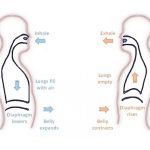
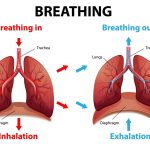
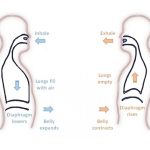
A good teacher will help you understand and master the mechanics of singing. This includes strengthening your vocal cords, which expands your range and improves tone. You’ll learn proper posture, which is crucial for maximizing diaphragm expansion and breath support—the foundation of a powerful voice. Techniques like controlled breathing, precise diction (articulation), and matching specific pitches will become second nature, transforming your performance.
And for those wondering, “Am I too old to start?” The answer is a resounding no. While younger students might have more time for voice development, adults absolutely can and do take singing lessons successfully. Whether you dream of performing, joining a choir, or simply singing karaoke without embarrassment, starting now is the best way to get there.
The Landscape of Learning: Where to Take Singing Lessons
The first step in your journey is figuring out the format and location that best suits your lifestyle and learning preferences. There are several popular avenues to explore, each with its own benefits.
Private Singing Lessons: Tailored Attention
This is often considered the gold standard for rapid progress. In private lessons, you get one-on-one time with an instructor who can focus solely on your voice, your challenges, and your goals. They can immediately identify issues with your technique, offer personalized exercises, and select repertoire specifically designed to stretch your abilities.
- Pros: Highly personalized feedback, faster progress, focused attention on your unique vocal needs.
- Cons: Generally the most expensive option, requires consistent scheduling.
- Best For: Serious students, those with specific vocal issues, or individuals who prefer direct, immediate feedback.
Group Singing Classes: Community and Cost-Effectiveness
Group classes offer a different dynamic. You’ll learn alongside other aspiring singers, often focusing on general vocal techniques, harmony, and performance skills within a supportive community setting. While individual attention is less, the peer learning and shared experience can be incredibly motivating.
- Pros: More affordable per person, fosters a sense of community, opportunities for ensemble singing.
- Cons: Less individual feedback, pacing might not suit everyone.
- Best For: Beginners, those on a tighter budget, or individuals who thrive in a collaborative environment.
Online Singing Lessons: Flexible and Accessible
The digital age has made quality vocal instruction accessible from anywhere with an internet connection. Online lessons via video calls offer convenience, allowing you to learn from a wider pool of teachers regardless of geographical limitations. Many top-tier instructors now offer online options, expanding your choices significantly.
- Pros: Unmatched flexibility (learn from home), access to teachers worldwide, often more varied scheduling options.
- Cons: Requires reliable internet and equipment, potential for technical glitches, some prefer in-person interaction for physical adjustments.
- Best For: Students with busy schedules, those in rural areas, or individuals seeking highly specialized teachers not available locally.
Local Music Schools & Community Centers: Structured and Local
Many towns and cities have dedicated music schools or community centers that offer singing programs. These often provide structured curricula, performance opportunities, and a clear path for progression. They can be a great middle ground, offering a professional setting with the convenience of a local presence.
- Pros: Structured curriculum, local convenience, potential for group performances, often reputable.
- Cons: Less flexibility in scheduling compared to private teachers, class sizes can vary.
- Best For: Those who prefer a structured learning environment, desire local connections, or want clear progression benchmarks.
University & College Programs: For the Serious Aspiring Pro
If you’re considering a career in music, a university or college music program offers the most intensive and comprehensive vocal training. These programs typically include private lessons, music theory, history, performance ensembles, and specialized vocal pedagogy.
- Pros: Highly rigorous training, academic credentials, networking opportunities.
- Cons: Significant time and financial commitment, highly competitive.
- Best For: Aspiring professional musicians, music educators, or those seeking a deep academic understanding of music.
Regardless of which path you lean towards, remember that the initial search is about exploring your options. For a broader overview of starting your vocal journey and finding classes that fit your general needs, you might find more foundational insights on our main guide: Explore Singing Classes & Voice. That resource can help you frame your overall search before you zoom in on the specifics of choosing a teacher and lesson type.
Deciphering the Dollar: What Do Singing Lessons Cost?
Understanding the financial commitment is a crucial part of deciding where to take singing lessons. Based on current market rates, particularly in areas like Fremont, CA, you can typically expect to pay $50 to $90 per hour for singing lessons. However, this is an average, and several factors influence the final price tag.
Factors Affecting Price
- Teacher’s Experience and Reputation: Highly experienced teachers with extensive training, performance careers, or a long list of successful students will naturally command higher rates. Think of it like any specialized profession; expertise comes at a premium.
- Location: Teachers in major metropolitan areas often have higher overheads (studio rental, cost of living) which are reflected in their rates. Lessons in smaller towns or through community programs might be slightly less expensive.
- Private vs. Group Lessons: As mentioned, private lessons offer individualized attention and are therefore pricier per person. Group lessons divide the teacher’s time among multiple students, making them more affordable on an individual basis.
- Lesson Duration: While an hourly rate is common, many teachers offer 30-minute, 45-minute, or 60-minute increments. A 30-minute lesson might cost $30-$45, while a 45-minute lesson could be $45-$65. The cost per minute is often slightly lower for longer sessions.
- Online vs. In-Person: While online lessons offer flexibility, the price difference compared to in-person lessons isn’t always significant. Some teachers maintain similar rates regardless of format, while others might offer a small discount for online to account for their reduced travel or studio costs.
Smart Ways to Manage Costs
- Package Deals: This is one of the most common ways to reduce the per-lesson cost. Many teachers offer discounts when you purchase a block of lessons (e.g., 5, 10, or 20 lessons) upfront. For instance, instead of paying $70 per lesson, a package might bring it down to $60-$65 per lesson. Always inquire about these.
- Trial Lessons: Before committing to a package or a long-term arrangement, ask if the teacher offers a discounted trial lesson. This is invaluable for assessing compatibility without a major financial outlay. Some teachers offer the first lesson at half price, or even free if it’s purely a consultation.
- Payment Plans: If a package deal is too large an upfront cost, some teachers might be open to a payment plan, especially for longer commitments. It never hurts to ask.
- Group Class Consideration: If budget is a primary concern, starting with a group class can be a great way to get foundational instruction at a lower price point while you save up for private lessons.
Case Snippet: Sarah, a college student, wanted to take singing lessons but was on a tight budget. She found a local teacher who offered a 30-minute trial lesson for $35. After a successful trial, she opted for a 10-lesson package, which brought her 45-minute lesson cost down from $65 to $58. She also committed to diligent practice, maximizing the value of each lesson.
Finding Your Maestro: How to Choose the Right Singing Teacher
This is perhaps the most critical step after deciding where to take singing lessons. A great teacher can accelerate your progress and keep you motivated; a poor fit can lead to frustration and wasted effort. Don’t rush this decision.
Step 1: Research and Gather Leads
Start by broadly searching for teachers in your area or online.
- Online Platforms: Websites like Lessons.com (or similar local directories), Yelp, and Google Maps are excellent starting points. Look for teachers with detailed profiles and positive reviews. Pay attention to what students praise (e.g., “patient,” “clear explanations,” “results-driven”).
- Local Music Community: Ask for recommendations. Visit local music stores, community theaters, or talk to members of local choirs. Word-of-mouth is incredibly powerful in the music world.
- Social Media: Local music groups on Facebook or Instagram can often provide teacher recommendations and insights into the local scene.
Step 2: Vet Potential Teachers
Once you have a list of 3-5 potential teachers, it’s time to dig deeper.
- Review Credentials & Experience: Look for teachers with formal music education (degrees in vocal performance or music education), professional performance experience, or certifications from reputable organizations. While a degree isn’t the only indicator of a good teacher, it often signifies a deep understanding of vocal pedagogy.
- Specialization: Do they specialize in your preferred genre (classical, pop, jazz, musical theater)? While many teachers are versatile, some have particular strengths. If you’re passionate about belting show tunes, a teacher primarily focused on opera might not be the best fit.
- Teaching Philosophy: Try to get a sense of their approach. Do they focus on technique first, or are they more performance-oriented? Do they use specific methods (e.g., Speech Level Singing, CVT)?
Step 3: Conduct Trial Meetings or Lessons
This is non-negotiable. Aim to meet (in person or online) with at least two or three teachers. A brief conversation or a discounted trial lesson allows you to experience their teaching style firsthand.
- Observe and Listen: During a trial lesson, pay attention to how they explain concepts. Are their instructions clear and easy to understand? Do they make you feel comfortable and encouraged?
- Assess Communication: A good teacher is an excellent communicator. They should be able to articulate complex vocal concepts in a way that resonates with you.
- Gauge Personality and Rapport: You’ll be spending a lot of time with this person. Do you feel a connection? Are they patient? Do they inspire confidence? A strong rapport is vital for effective learning.
Step 4: Ask the Right Questions
Come prepared! Use this checklist to guide your conversations with potential teachers. Their answers will help you make an informed decision.
- “How long have you been teaching singing lessons?” (Experience matters, but a newer teacher with fresh ideas can also be great if they have solid training.)
- “Can you share some success stories or examples of student progress?” (This gives you an idea of their track record and what you might achieve.)
- “Do I need to have a ‘good voice’ already to start lessons?” (A great teacher will always say no; they’re there to help you develop what you have.)
- “How long does it typically take for students to see improvement?” (Answers will vary, but look for realistic expectations, not instant promises.)
- “Do you offer package deals or discounts for multiple lessons?” (As discussed, a key cost-saving question.)
- “What is your teaching schedule, and what lesson durations do you offer?” (Ensure their availability aligns with yours.)
- “How often should I practice outside of lessons?” (Look for emphasis on consistent, daily practice.)
- “Do you primarily offer private or group lessons, and what are the benefits of each in your opinion?” (Helps you understand their focus.)
- “Where do you teach (home studio, rented space, online)?” (Logistics are important.)
- “Do you offer online lessons using video calling, and what platform do you use?” (Crucial if you’re considering this format.)
- “What specific methods or techniques do you use to help students improve?” (This shows their pedagogical approach.)
- “How do you typically assess student progress and adapt lessons?” (Look for a structured and responsive approach.)
- “What is your cancellation policy?” (Important for planning and avoiding unexpected charges.)
Case Snippet: Mark had narrowed his search to two teachers. Teacher A had impressive credentials and a strong classical background, but during the trial, Mark felt overwhelmed by the technical jargon. Teacher B had less formal education but focused heavily on contemporary styles and used analogies Mark understood immediately. Teacher B’s enthusiasm was infectious, and Mark felt a better connection. He chose Teacher B, prioritizing rapport and teaching style over pure academic credentials.
Beyond the Classroom: Maximizing Your Learning Journey
Finding where to take singing lessons and securing a great teacher is just the beginning. What you do between lessons is equally, if not more, important for your progress.
Practice Consistently and Smartly
Your teacher will give you exercises and songs. It’s up to you to put in the work.
- Daily, Short Sessions: Aim for shorter, consistent practice sessions (e.g., 15-30 minutes daily) rather than one long, infrequent session. Consistency builds muscle memory and keeps your voice engaged.
- Focused Practice: Don’t just sing through songs. Focus on the specific techniques your teacher highlighted. Record yourself to identify areas for improvement.
- Listen Actively: Pay attention to your favorite singers. Analyze their technique, phrasing, and dynamics. This trains your ear and inspires your own vocal development.
Set Realistic Goals
Vocal improvement is a journey, not a sprint.
- Small Wins: Celebrate small victories, like hitting a note you struggled with or mastering a new breathing technique.
- Long-Term Vision: Have a clear idea of why you’re taking lessons. Is it to perform, join a choir, or simply sing for personal enjoyment? Communicate these goals to your teacher so they can tailor your lessons.
- Patience is Key: Some days your voice will feel great, others less so. This is normal. Stick with it, and trust the process.
Maintain Vocal Health
Your voice is your instrument; treat it well.
- Hydration: Drink plenty of water throughout the day.
- Rest: Get adequate sleep.
- Avoid Strain: Don’t push your voice when it’s tired or sore. If you’re ill, rest your voice.
- Warm-ups and Cool-downs: Always warm up your voice before singing and cool down afterward. Your teacher will provide exercises for this.
Quick Answers: Your Singing Lesson FAQs
Here are some common questions and misconceptions about taking singing lessons:
Q: Do I need to have a “good voice” already to take singing lessons?
A: Absolutely not! Singing lessons are for anyone who wants to improve their voice, regardless of their starting point. A good teacher will work with whatever natural abilities you have and help you develop them.
Q: How long does it typically take to see improvement?
A: You can often notice small improvements in pitch accuracy, breath control, and vocal comfort within a few weeks or months. Significant changes in range, tone, and vocal stamina usually take longer, often several months to a year or more of consistent lessons and practice. It’s a continuous journey.
Q: How often should I take lessons?
A: Most students benefit from weekly lessons. This provides consistent guidance and accountability. Some advanced students might take bi-weekly lessons, while complete beginners sometimes start with two lessons a week for rapid foundational building, if their budget allows.
Q: How often should I practice between lessons?
A: Consistency is key. Aim for 15-30 minutes of focused practice daily. If daily isn’t feasible, try for at least 4-5 times a week. Short, regular sessions are more effective than one long, infrequent session.
Q: Will singing lessons completely change my natural voice?
A: No, lessons won’t fundamentally change your unique vocal quality. Instead, they enhance and refine your natural sound by improving technique, expanding your range, and making your voice stronger and more consistent.
Q: Are online singing lessons as effective as in-person lessons?
A: Yes, for many students, online lessons are highly effective. Modern video conferencing tools allow for clear audio and visual feedback. While some physical adjustments are easier in person, a skilled online teacher can still effectively diagnose and correct technique.
Your Next Steps to Elevate Your Voice
Choosing where to take singing lessons and finding the right teacher is a significant decision, but it’s one that can unlock incredible personal growth and joy. Don’t let uncertainty hold you back.
Start by identifying what kind of learning environment suits you best: private, group, online, or a local studio. Then, dedicate time to researching potential teachers, using online reviews, local recommendations, and a keen eye for credentials. Most importantly, don’t shy away from trial lessons. This direct experience will be your best guide in finding a teacher whose expertise, teaching style, and personality resonate with you.
With the right guidance and consistent effort, you’ll be well on your way to elevating your voice and enjoying the incredible journey of singing.

- Voice Breathing Exercises Build Stronger Support for Your Singing - March 26, 2026
- How to Increase Lung Capacity for Singing and Improve Vocal Stamina - March 25, 2026
- Breathing during Singing Techniques Elevate Your Vocal Performance - March 24, 2026