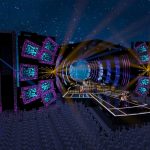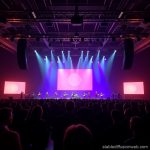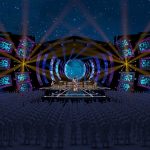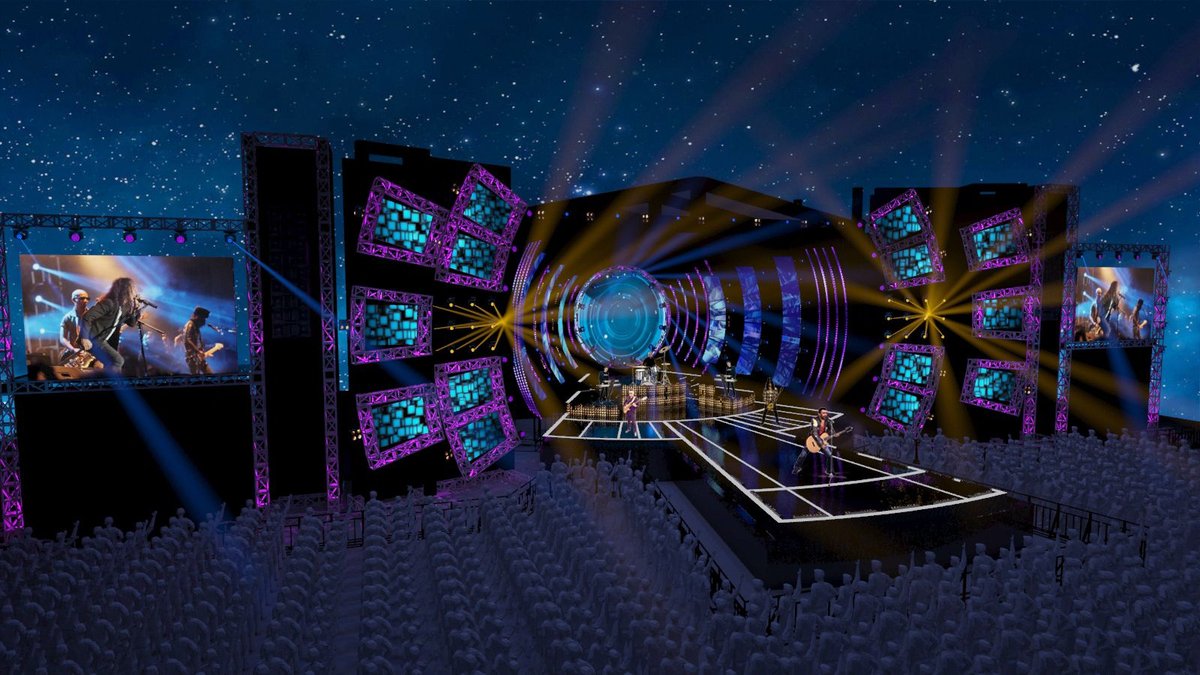
The moment the house lights dim and the first notes hit, an audience isn’t just hearing a concert; they’re stepping into a meticulously crafted world. This isn’t magic, it’s the power of exceptional concert stage set design, transforming a performance into a visceral, unforgettable journey. Beyond merely providing a platform for artists, a well-conceived stage setup engages every sense, driving the narrative of the music and forging an unbreakable connection between performer and fan. It keeps energy high, amplifies emotion, and turns even brief pauses into anticipatory moments.
At a Glance: Crafting Unforgettable Stage Sets
- Elevate the Experience: Learn how stage design moves beyond sound to create truly immersive, multi-sensory shows.
- Deconstruct the Elements: Understand the four core components—lighting, backdrops, physical structure, and advanced tech—and how they interlace.
- Strategic Planning: Discover critical questions to ask during the design phase, from venue logistics to performer needs.
- Master the Flow: Implement five golden rules for maximizing audience engagement, visibility, and seamless on-stage movement.
- Learn from Legends: Gain insights from iconic stage designs that redefined live performance.
- Actionable Playbook: Get practical steps to translate your creative vision into a tangible stage reality.
Beyond the Band: Why Concert Stage Set Design Matters
A concert is a story told through sound, but an extraordinary concert adds layers of visual poetry. The set design is the canvas, the frame, and often, a character in itself. It’s about more than just aesthetics; it’s about engineering an emotional response, guiding the audience’s gaze, and enhancing the artist’s message. From intimate club gigs to stadium spectaculars, the thoughtful arrangement of every element on and around the performance area dictates how deeply an audience connects with the show. If you’re looking to dive deeper into the broader concepts and strategic frameworks that underpin this art form, our comprehensive guide on Mastering concert stage design offers an excellent foundation.
The aim is always immersion. We want concertgoers to feel not just present, but part of the experience, shedding their everyday realities for the duration of the show. This is achieved through a deliberate engagement of all senses, ensuring that what they see is as compelling and evocative as what they hear.
The Blueprint: Core Elements of an Immersive Stage
Every compelling concert stage is a symphony of interconnected parts. Understanding each component and how they interact is fundamental to crafting a design that truly resonates.
Dynamic Lighting: The Mood Maestro
Lighting isn’t just about visibility; it’s the primary tool for shaping atmosphere, directing focus, and evoking emotion. It’s the silent narrator, shifting the mood from introspective intimacy to explosive euphoria in an instant.
- Setting the Scene: Spotlights draw attention to the artist, while floodlights wash the stage in color. LED panels and moving heads offer unparalleled versatility, allowing for dynamic shifts that mirror musical transitions.
- Synchronized Spectacle: The magic truly happens when lights are choreographed with the music. Think laser beams cutting through smoke, strobes punctuating a beat drop, or a slow, emotional color shift during a ballad. These advanced techniques transform passive viewing into an active experience.
- Depth and Intensity: Designers use light to create dimension, making a flat stage appear expansive or intimate. Strategic color choices—cool blues for reflection, warm reds for passion—directly influence the audience’s emotional journey.
Backdrops & Visuals: Setting the Scene
Backdrops provide the visual context, grounding the performance in a specific aesthetic or narrative. They can be simple, yet powerful, or complex, moving landscapes that evolve with the show.
- Static vs. Dynamic: While traditional painted backdrops still have their place, high-definition LED screens have revolutionized this element. They offer instant versatility, displaying anything from abstract art to live camera feeds, intricate animations, or pre-recorded narrative visuals.
- Aligning with Artistic Vision: A backdrop must always serve the artist’s style and the concert’s theme. A folk artist might opt for nature-inspired projections, while an electronic act could leverage pulsating cityscapes or abstract geometric patterns. The visuals should feel like an extension of the music itself.
- Projection Mapping Magic: This advanced technology transforms ordinary surfaces—whether stage structures, props, or even the artists themselves—into dynamic display canvases. It creates stunning 3D illusions and interactive environments that can be truly mind-bending, turning static objects into moving, breathing art.
Physical Structure: Crafting the Performance Landscape
The physical architecture of the stage dictates movement, interaction, and visual hierarchy. It’s about building a space that is both functional and dramatic.
- Multi-Level Engagement: Elevated platforms, ramps, and catwalks are crucial for allowing artists to move beyond a single plane. This not only adds visual interest but also enables performers to engage with the audience from different perspectives, making the show feel more inclusive.
- Visibility for All: A well-designed physical structure ensures clear sightlines from every vantage point in the venue—floor, stadium seating, balcony. This often means considering angles, heights, and potential obstructions during the initial layout.
- Accommodating Performance Needs: The structure must provide ample space for musicians, dancers, props, and special effects equipment. Consider designated areas for drum risers, keyboard setups, choreography, or rapid costume changes. Moving parts and automation can add a layer of theatricality, creating dramatic reveals or evolving stage configurations.
Advanced Tech Integration: Beyond the Expected
Modern concert stage set design increasingly leverages cutting-edge technology to push the boundaries of immersion.
- Interactive Environments: Beyond projection mapping, think about responsive floor panels that light up with footsteps, or augmented reality (AR) elements viewed through phone screens or specialized glasses, adding digital layers to the live physical space.
- Drone Shows & Robotics: Automated drones can create aerial light displays or carry props, while robotic arms can manipulate set pieces or even perform alongside artists, adding futuristic flair.
- Sensory Augmentation: While not strictly visual, integrating scent dispersal systems at key moments or using localized vibration effects can deepen the immersive experience, engaging senses often overlooked in live shows.
Designing for Impact: Key Considerations and Strategic Questions
Before a single sketch is drawn, a series of critical questions must be thoroughly addressed. These considerations shape the design from its foundational concept to its practical execution.
Venue Versatility: Indoors, Outdoors, and Everywhere In-Between
The physical characteristics of the performance space are paramount.
- Indoor Constraints: Indoors, you contend with fixed ceiling heights, load-bearing capacities, and existing power infrastructure. Consider how sound will resonate and what kind of lighting can be effectively deployed without overpowering the space.
- Outdoor Opportunities & Challenges: Outdoor venues offer vast potential for scale and natural backdrops but introduce variables like weather, acoustics that can easily distort, and the need for robust, weather-resistant materials. The stage must also be visible in daylight, which impacts lighting design choices.
- Acoustic Integration: Regardless of venue, the stage design must not impede sound quality. Placement of large structures or reflective surfaces can create dead spots or echoes, requiring careful collaboration with audio engineers.
Performer & Crew Flow: Seamless Movement
A static stage is a dull stage. Consider how artists and crew will move and interact with the set.
- Choreography and Energy: How many performers will be on stage simultaneously? Will there be dancers, or will band members be highly energetic? The design needs to accommodate their movement paths, ensuring no collisions or restricted visibility.
- Equipment Housing: Where will essential audio-visual gear, instruments, and props be stored or placed without disrupting the aesthetic? Hidden compartments, under-stage storage, or integrated prop areas are crucial.
- Accessibility and Transitions: Clearly defined entrances and exits are vital for both performer safety and rapid set changes. Consider ramps, lifts, or discreet pathways for quick, unseen transitions between segments of the show. How accessible should the stage be for the crew to manage equipment during the show?
Touring Logistics: Build, Break, Repeat
For multi-date tours, practicality is as important as spectacle.
- Modularity and Transport: Can the stage be quickly assembled and disassembled? Is it designed to pack efficiently into tour trucks or shipping containers? This impacts everything from material choices to the complexity of individual components.
- Durability: Touring means constant handling. Materials and construction must be robust enough to withstand repeated setup and teardown without degradation.
- Scalability: Can the design adapt to different venue sizes? A modular system might allow for scaling down in smaller venues or expanding for larger stadiums, maintaining the core aesthetic while adjusting to space constraints.
Audience Viewpoint: Every Seat a Great Seat
The ultimate goal is to create an equally compelling experience for everyone, regardless of where they’re sitting.
- Maximizing Visibility: Design the stage dimensions and height to ensure maximum visibility from floor level, stadium seats, and balconies. This means thinking in 3D, considering obstructions, and how vertical elements might block views for those in higher tiers.
- Engaging the Periphery: Don’t just focus on the center. How can side stages, extended catwalks, or strategically placed screens enhance the experience for those seated further out?
- Ceiling Height and Width: Match stage dimensions to venue characteristics. A wide, low stage can fill a venue with a low ceiling effectively, while taller, more vertical elements suit high-ceilinged spaces.
The Five Golden Rules of Exceptional Stage Design
Beyond the technical considerations, these principles ensure your concert stage set design truly captivates.
- Maximize Every Sightline:
- The Principle: Every audience member, from the front row to the nosebleeds, should have an unobstructed and engaging view of the performance.
- Application: Utilize multiple levels, elevated platforms, and thoughtful placement of video screens. Consider the verticality of your design elements to ensure they enhance, rather than obstruct, the view for upper-tier seating. Test views from various positions during the design phase using 3D models.
- Amplify Atmosphere with Light & Effects:
- The Principle: Concerts are an audiovisual feast. Lighting and special effects are critical for reflecting emotion, energy, and narrative.
- Application: Use multicolored strobes for high-energy moments, mood lighting (e.g., deep blues, soft purples) for sentimental songs, and follow-spots to highlight specific performers. Integrate pyrotechnics, fog, CO2 jets, or confetti cannons strategically to punctuate key moments and elevate excitement.
- Extend the Experience Forward:
- The Principle: Break the barrier between stage and audience to foster deeper engagement and improve visibility for those further back.
- Application: Incorporate catwalks, “B-stages,” or additional platforms that extend into the audience floor section. This allows artists to move closer to fans, creating more intimate moments and ensuring that those in the middle of the crowd feel seen and involved.
- Master the Art of Decluttering:
- The Principle: Unseen equipment can disrupt the immersive illusion. Hide wires, crates, and auxiliary audio-visual gear.
- Application: Employ design elements like integrated screens, raised platforms with hidden storage, fabric curtains, or decorative fences to conceal unsightly equipment. Use clever lighting to direct attention solely to the artists, keeping any necessary clutter in shadow and out of mind.
- Orchestrate Stage Flow & Movement:
- The Principle: Anticipate and facilitate the movement of performers and crew, ensuring seamless transitions and dynamic choreography.
- Application: Consider the artist’s performance style—is it static, or will they be running across the stage? Design with ample space, smooth ramps instead of just stairs, and clear pathways. Think about the impact of objects like microphone stands and drum sets on movement, and design around them rather than just placing them.
Case Studies in Brilliance: Learning from the Masters
Some of the most iconic stage designs didn’t just support the music; they became as famous as the performances themselves.
- U2’s 360° Tour (“The Claw”): This monumental, four-legged structure was more than a stage; it was an architectural marvel. Designed by Mark Fisher and Willie Willams, it provided a 360-degree audience view and featured a massive cylindrical screen that could expand and contract. The genius lay in its scale and its complete reinvention of the stadium concert experience, making every seat feel central.
- Roger Waters’ The Wall Live: For Pink Floyd’s “The Wall,” the stage literally became the album’s most powerful symbol: a giant wall built and then dramatically destroyed throughout the concert. It served as a symbolic barrier between the performer and the audience, displaying powerful political messages and animations. This design demonstrated how the physical structure could be an integral part of the storytelling, transcending mere backdrop.
- Kanye West’s Saint Pablo Tour: Kanye broke conventions with an innovative floating stage that hovered above the spectators. This created an intimate yet surreal experience, allowing him to interact with fans from various points above the crowd. The design eliminated the traditional barrier, placing the artist directly within the audience’s space, complemented by surreal lighting and foggy effects for an otherworldly feel.
Your Actionable Playbook: From Concept to Curtain Up
Translating a creative vision into a tangible, functional, and awe-inspiring concert stage set design requires a structured approach.
- Define the Narrative & Budget:
- What story does the artist want to tell? What emotions should the audience feel?
- Establish a clear budget range early. This will dictate material choices, technology scope, and complexity of moving parts.
- Decision: Prioritize immersive elements based on budget—is it a massive LED screen, intricate physical structures, or cutting-edge projection mapping?
- Venue Scout & Technical Specs:
- Obtain blueprints, load-in specifications, power availability, and rigging points for all target venues (especially for tours).
- Meet with venue production managers and technical directors to understand limitations and possibilities.
- Action: Create a detailed technical rider that covers power, rigging, space, and safety requirements.
- Conceptualization & Visualization:
- Start with mood boards, sketches, and 2D layouts.
- Progress to 3D modeling (CAD software) to visualize sightlines, performer movement, and technical integration.
- Tool: Use tools like SketchUp, Vectorworks, or Rhino to create realistic mock-ups and fly-throughs.
- Material & Technology Selection:
- Choose materials based on durability, weight (for touring), safety, and visual impact.
- Select appropriate lighting fixtures, LED panels (pixel pitch, brightness), and projection systems.
- Consideration: For outdoor shows, ensure all electronics and materials are weather-resistant and properly sealed.
- Prototyping & Testing:
- For complex elements, consider building small-scale prototypes.
- Conduct pre-visualization (pre-viz) with lighting and video designers using software that simulates the live show. This allows for choreography of lights and visuals before ever stepping on stage.
- Benefit: Catch issues early, saving time and money on site.
- Safety & Compliance:
- Ensure all structural elements meet engineering standards.
- Adhere to local fire codes, rigging safety protocols, and electrical regulations.
- Crucial: Have all designs reviewed and approved by certified structural engineers and safety officers.
Quick Answers: Your Stage Design FAQs
- How early should concert stage design begin?
Ideally, design should begin 6-12 months before the first show, especially for large-scale tours. This allows ample time for concept development, technical drawings, fabrication, programming, and rigorous testing. For smaller, one-off events, 2-4 months might suffice. - What’s the biggest mistake new designers make?
Often, new designers prioritize aesthetics over practicality and safety. Forgetting tour logistics (ease of build/break), neglecting sightlines for all audience members, or underestimating power and rigging requirements are common pitfalls. Always balance creative ambition with real-world constraints. - How important is budget in stage design?
Budget is incredibly important as it directly dictates the scale, complexity, and technology that can be incorporated. However, a higher budget doesn’t automatically mean a better design. Smart, innovative design can often achieve immersive results even with more modest resources by focusing on clever lighting and projection. - Can a small budget still achieve immersive design?
Absolutely. Immersion isn’t solely about spectacle. A small budget can create immersion through clever use of existing venue features, focused and dynamic lighting, a simple yet effective backdrop (e.g., fabric art, strategic projection on plain surfaces), and extending performer interaction into the audience space. Creativity and strategic focus often outweigh sheer expense.
Bringing the Vision to Life
Crafting an immersive concert stage set design is a monumental undertaking, blending artistic vision with technical precision. It’s about more than just aesthetics; it’s about orchestrating an environment where sound, light, and structure coalesce into a singular, unforgettable experience. By diligently considering the core elements, asking the right questions, and adhering to the golden rules of design, you can transform a mere concert into a truly immersive journey that resonates deeply with every single person in the audience. Begin with the narrative, honor the practicalities, and always keep the audience’s journey at the heart of your design. The stage awaits your vision.

- Concert Stage Set Design Creates Immersive Live Shows - April 30, 2026
- Concert Stage Designs That Create Unforgettable Live Music Moments - April 29, 2026
- Mastering Concert Stage Design for Immersive Audience Experiences - April 28, 2026