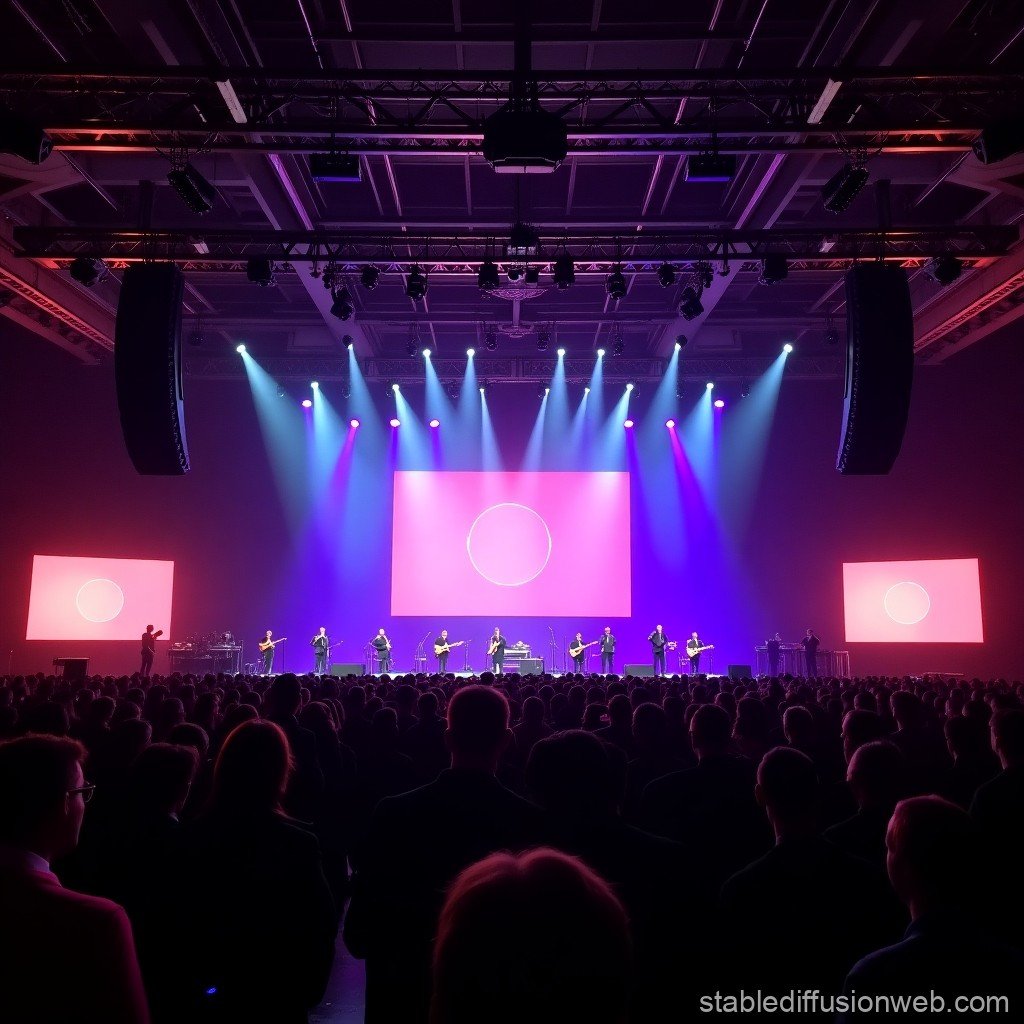
The energy of a live show isn’t just in the music; it’s forged in the crucible of sight, sound, and atmosphere. When the lights dim and the first notes hit, an exceptional concert stage design doesn’t just present a performance—it orchestrates an unforgettable live music moment, transforming a simple gig into a multisensory journey. For an artist, it’s about extending their narrative, enveloping the audience in their world, and leaving a lasting imprint long after the final chord fades. It’s a strategic art form, meticulously crafted to amplify every beat and lyric.
At a Glance: Crafting Memorable Stage Designs
- Elevate Experiences: Learn how diverse design elements transform a show into an immersive event.
- Strategic Storytelling: Understand how visual cues set the tone, engage audiences, and reinforce artist branding.
- Core Components: Discover the interplay of lighting, backdrops, physical structure, and advanced tech.
- Design Archetypes: Explore various stage types, from expansive LED walls to intimate center stages, and when to use them.
- Step-by-Step Blueprint: Gain practical guidance for outlining, planning, and executing your next stage design.
- Real-World Inspiration: Draw lessons from iconic designs that defined legendary performances.
The Power Beyond the Performance: Why Stage Design Matters
A concert stage isn’t merely a platform; it’s the primary visual canvas for live storytelling. It transcends basic functionality, becoming a powerful strategic tool that shapes the entire audience experience. Imagine a pulsating EDM show versus an intimate acoustic set—the contrast in energy, emotion, and visual language is immense, and it’s largely dictated by the stage design. This intricate art engages all senses, setting the event’s tone, improving audience engagement, and reinforcing overarching themes or branding. When done right, it amplifies performances and creates indelible memories.
Deconstructing the Elements: Anatomy of a Captivating Concert Stage
To build an unforgettable experience, you first need to master the building blocks. Each component of a concert stage design serves a specific purpose, contributing to the overall impact.
The Magic of Light: Setting the Scene and Emotion
Lighting is, without question, the most pivotal element for setting the scene, highlighting key moments, altering the atmosphere, and evoking emotions. It’s the silent conductor of the audience’s emotional journey.
- Dynamic Storytelling: Advanced techniques go beyond simple illumination. Think synchronized light shows that dance to the rhythm, piercing laser beams cutting through smoke, or dynamic color shifts that transition from frenetic energy to reflective calm.
- Fixture Focus: Spotlights draw attention to a soloist, floodlights bathe the entire stage in a specific hue, and LED panels become dynamic canvases for intricate patterns and visuals.
- Emotional Choreography: Bold reds ignite excitement, cool blues soothe, and soft pastels invite introspection, all choreographed to the music’s narrative.
Backdrops: The Visual Heartbeat of the Show
Backdrops provide essential visual context, ranging from static images to elaborate, moving visuals that ground the audience in the artist’s world.
- Versatile Canvas: High-definition LED screens have become incredibly popular, offering versatile, dynamic visuals that can instantly transport the audience into different narratives. They can display pre-recorded content, live feeds, or reactive graphics that respond to the music.
- Theme Reinforcement: Custom backdrop curtains with logos, artwork, or themed imagery immediately communicate event branding and reinforce artistic themes.
Physical Stage Structure: Beyond the Flat Platform
Modern stages are architectural marvels, designed not just for aesthetics but for dynamic performance and audience interaction.
- Multi-Dimensional Design: Features like multiple levels, moving parts, unique shapes, elevated platforms, ramps, and catwalks create visual interest and accommodate complex performances.
- Audience Engagement: Catwalks and B-stages extend the performer’s reach into the crowd, fostering a closer artist-audience relationship. U2’s “The Claw” from their 360° Tour, designed by Mark Fisher and Willie Williams, is a prime example, offering a complete 360-degree audience view with its iconic four-legged structure and cylindrical screen.
- Practicality: Thoughtful structural design ensures clear sightlines for all attendees and meets the specific needs of artists, from accommodating large orchestras to allowing for elaborate costume changes.
Advanced Technology: Immersive Futures
The integration of cutting-edge technology pushes the boundaries of what a concert stage can achieve, creating truly interactive and immersive environments.
- Projection Mapping: This technique transforms any surface—from complex set pieces to entire buildings—into dynamic displays using effects, animation, and colorful visuals. Roger Waters’ “The Wall Live” famously used a giant wall as a symbolic and physical barrier, which also served as a vast projection screen for political messages and animations.
- Augmented Reality (AR): AR filters and ground projection create interactive visual layers that can react to performers or even audience movements, enhancing engagement.
Audio-Visual Synchronization: The Unseen Foundation
While often unseen, the right audio and visual equipment are crucial for impact and flawless execution.
- Crystal Clear Sound: Line array speakers, typically hung above the stage, distribute sound evenly across large venues, while monitor speakers on stage ensure performers hear themselves clearly. Noise-cancelling technology is increasingly important for managing ambient sound.
- Screen Layouts: The choice of screen layout is critical. Large LED walls dominate stadiums for maximum visibility, while projection surfaces might be more suitable for smaller, more intimate spaces, providing flexibility without overwhelming the venue.
Designing with Intent: Benefits of a Thoughtful Approach
A well-conceived concert stage design doesn’t happen by accident. It’s the result of deliberate choices that deliver tangible benefits, transforming a good show into a great one.
Setting the Tone and Energy
Design translates abstract musical concepts into tangible visual cues, immediately communicating the genre and mood of the performance.
- Visual Cues: Sleek LED strips and bold geometric shapes immediately signal an EDM concert, while reclaimed wood and warm, earthy tones might suggest a folk or Americana performance.
- Emotional Palette: Color choices are key. Bold reds and oranges inject excitement, while soft pastels or cool blues can evoke reflection or serenity, choreographing the audience’s emotional journey from the moment they step into the venue.
Improving Audience Engagement
Truly immersive design brings the audience closer to the performance, breaking down barriers and fostering a shared experience.
- 360-Degree Layouts: Center stage designs position the stage in the middle, surrounded by the audience, fostering a close artist-audience relationship by providing equal sightlines for everyone. Kanye West’s Saint Pablo Tour featured a minimalistic floating stage that hovered above spectators, allowing for unique interactions.
- Interactive Elements: Imagine audience-controlled LED panels or responsive visuals that change based on crowd noise – these elements transform passive viewing into active participation. Extending runways or B-stages, like those seen on Taylor Swift’s Reputation Stadium Tour, further bring performers into the crowd, making every seat feel more intimate.
Enhancing Event Theme and Branding
The concert stage is an unparalleled branding opportunity, reinforcing the artist’s identity or event’s message.
- Consistent Visual Language: Custom backdrop curtains with logos, consistent brand color palettes used in lighting and set pieces, and even subtle product integrations can reinforce key messages.
- Memorable Impressions: Beyoncé’s Coachella 2018 performance, with its iconic homecoming-themed giant pyramid structure and marching band, wasn’t just a concert; it was a powerful brand statement, recognized as a historically popular event for its distinctive visual identity.
Archetypes of Spectacle: Exploring Stage Design Types
Just as music has genres, concert stage designs have distinct archetypes, each suited for different venues, artists, and desired impacts. Understanding these helps you choose the right foundation for your vision. To learn more about the foundational principles that guide these choices, consider exploring the broader field of Master concert stage design.
- LED Wall Stage Design:
- Description: Dominates with huge LED screens as the primary backdrop, creating dynamic visuals, video shows, and lighting effects.
- Best For: Pop, EDM, rock spectacles, or any performance requiring highly versatile and attractive visual content visible from a distance.
- Example: Many modern arena tours leverage massive LED walls to create immersive digital environments, adapting visuals per song.
- Center Stage Design:
- Description: Stage positioned in the middle, surrounded by the audience, fostering intimate artist-audience connections.
- Best For: Artists who thrive on direct interaction, arena shows seeking a more inclusive feel, or events where sightlines need to be equalized.
- Example: Kanye West’s floating stage or many boxing/MMA events using a central ring setup adapted for music.
- Thematic Stage Design:
- Description: Designed around a specific narrative or theme (e.g., retro, futuristic, cultural, fantastical) to evoke distinct feelings.
- Best For: Concept albums, theatrical performances, or artists with strong visual identities.
- Example: Lady Gaga’s The Monster Ball Tour was a theatrical masterpiece with various scenes, including a New York backdrop and giant rotating monsters, defining her unique artistic vision.
- 3D Projection Stage Design:
- Description: Employs cutting-edge 3D projection mapping technology to transform physical sets into dynamic, animated landscapes with effects and colorful visuals.
- Best For: Innovative artists, immersive art installations, or events seeking to create surreal, transformative environments.
- Example: Daft Punk’s Alive 2007 Tour, known for its iconic pyramid, utilized advanced projections to create a visually stunning experience.
- Minimalistic Stage Design:
- Description: A plain yet attractive design using lighting, backdrop, and space efficiently to create impact without clutter.
- Best For: Smaller venues, acoustic acts, artists who want the focus squarely on their performance, or events with limited budgets.
- Example: A solo artist with a single spotlight and a simple, elegant backdrop, relying on sound and performance to captivate.
- Outdoor Festival Stage Design:
- Description: Large, sturdy stages built for open-air concerts, often featuring separate sound zones, huge LED panels, and lighting towers, designed for durability and visibility across vast crowds.
- Best For: Music festivals, large-scale outdoor events, and tours requiring robust, weather-resistant structures.
- Example: Glastonbury’s Pyramid Stage or Coachella’s main stage, built to withstand elements and entertain tens of thousands.
Your Blueprint for Brilliance: A Step-by-Step Design Guide
Crafting an effective concert stage design is a methodical process. Follow these steps to translate your vision into a stunning reality.
1. Outline the Event’s Purpose and Vision
Before any sketches or technical plans, define the core essence of your event. This foundation guides every subsequent decision.
- Genre & Style: Is it an acoustic solo, a full-throttle rock band, or a symphony orchestra? Each demands different structural and technical considerations. A 5-piece band might need 200 sq ft, while a 20-person orchestra needs 600+ sq ft.
- Special Moments: Will there be hidden lifting platforms, pyrotechnics, or aerial performances? Identify these early to integrate the necessary technology and safety protocols.
- Audience Experience: Define the desired emotional journey. Is it family-friendly wonder, adult-only spectacle, or intimate reflection? This dictates the visual language and interactive elements.
2. Determine Stage Size and Shape
The physical dimensions and layout of your stage profoundly impact sightlines, performer movement, and technical integration.
- Venue Constraints: Indoor venues dictate ceiling height and load-bearing capacity; outdoor settings demand consideration for wind factors, rain, and uneven terrain.
- Crew & Performer Needs: Ensure ample space for performers, instruments, and technical crew. Don’t forget space for quick set changes or prop storage off-stage.
- Shape Options:
- Proscenium: The classic “picture frame” stage, common in theaters.
- Thrust: Extends into the audience, offering more interaction.
- Circular/360-degree: Maximizes audience engagement from all sides.
- T-shaped/Runway: Allows performers to reach deep into the crowd.
- Dome Structures: Innovative for outdoor events, offering immersive sightlines, strong acoustics, and modular assembly, often cutting setup time by half due to prefabricated components.
3. Plan the Stage Set Design
This is where the creative vision takes physical form, detailing every visual component.
- Backdrop Choice: Will it be an expansive LED screen for dynamic content, a custom-printed fabric for a specific aesthetic, or a complex 3D scenery piece?
- Props & Architecture: Incorporate risers for different performer levels, scaffolding for added visual complexity, or architectural features that reinforce the theme.
- Technical Integration: Designate specific, often hidden, spaces for mixing consoles, smoke machines, fan controllers, and other essential equipment.
- Flow & Logistics: Plan clear performer entry and exit points, considering hidden tunnels for discreet transitions or hydraulic lifts for dramatic reveals.
4. Choose a Cohesive Color Scheme
Colors set the mood and energy, tying the visual elements together harmoniously.
- Mood & Venue Harmony: Warm neutrals might suit an intimate indoor theater, while bright neons and pastels are perfect for an energetic outdoor festival.
- Palette Definition: Select a dominant color, a secondary color for contrast, and an accent color for highlights.
- Testing is Key: Always test your chosen colors under the actual event lighting conditions, as light sources can drastically alter perceptions.
5. Select Concert Stage Lights with Purpose
Lighting is dynamic sculpture; it shapes space, highlights action, and builds atmosphere.
- Fixture Variety:
- Spotlights: Pinpoint focus on soloists or key elements.
- Wash Lights: Flood the stage with ambient color and light.
- Laser Lights: Add high-energy, futuristic effects, especially for electronic music.
- Zoning: Define lighting zones—front washes illuminate faces, backlights create depth, and floor lights provide atmospheric glow.
- Control & Choreography: Utilize DMX controllers to sync light changes precisely with the music, creating dynamic scenes that punctuate every crescendo and quiet moment.
6. Integrate Audio and Visual Equipment Thoughtfully
Seamless AV integration is critical for both the audience experience and the performers’ execution.
- Speaker Placement: Line array speakers should be positioned strategically above the stage for optimal sound distribution, while monitor speakers on stage are crucial for performers to hear their mix. Employ noise-cancelling technology where necessary.
- Screen Layouts: Choose screen layouts appropriate for the venue size and content. Massive LED walls for stadiums ensure visibility for thousands, while projection surfaces are effective for smaller spaces or complex 3D mapping.
- Interactive Tools: Explore ground projection for immersive floor effects or AR filters for engaging real-time visual overlays that can be seen through screens, enhancing the sense of a unique, interactive environment.
Quick Answers to Common Stage Design Questions
Q: Is a minimalistic stage design always the cheapest option?
A: Not necessarily. While it can reduce physical set pieces, a truly effective minimalistic design often relies on sophisticated lighting and projection to create impact, which can be technologically complex and thus costly. The focus shifts from quantity of props to quality of execution.
Q: How important is advanced technology for smaller artists or venues?
A: It depends on the artist’s vision and budget. Even simple projection mapping or dynamic LED strips can dramatically enhance a small stage. While large-scale 3D mapping might be out of reach, clever use of readily available tech can still create an immersive, unique experience without breaking the bank.
Q: Can a concert stage design genuinely affect a performer’s energy?
A: Absolutely. A well-designed stage provides performers with cues, specific zones for interaction, and a visually inspiring environment that can fuel their energy and confidence. Conversely, a poorly designed stage can hinder movement, create technical issues, and detract from their performance.
Q: How far in advance should concert stage design begin?
A: For major tours or complex events, design can begin 6-12 months out, sometimes even longer. For smaller productions, 2-3 months is often sufficient. Early planning is crucial for vendor coordination, technical integration, and budget management.
Moving from Concept to Creation
Designing an unforgettable concert stage isn’t about extravagance; it’s about intentionality. It’s about understanding the core message, knowing your audience, and expertly weaving together lighting, structure, backdrops, and technology to tell a compelling story. Every decision, from the choice of color to the placement of a speaker, contributes to the grand tapestry of the live experience. Approach each project with curiosity and a commitment to innovation, and you’ll consistently create those moments that resonate long after the applause fades.