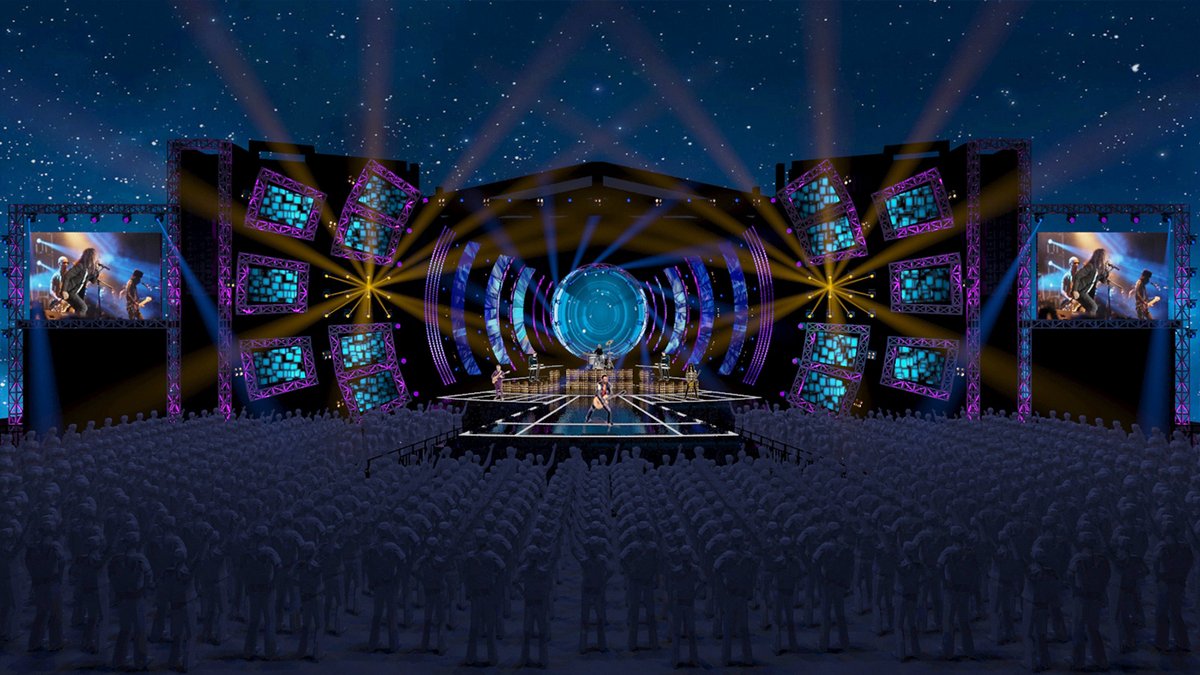
Imagine the lights dimming, the roar of the crowd building, and then… a truly unforgettable visual spectacle unfolds before your eyes. That’s the magic of exceptional concert stage design. It’s far more than just a platform for performers; it’s a meticulously crafted world that amplifies every note, every movement, and every emotion, transforming a simple performance into a transcendent experience. A truly well-designed stage bridges the gap between artist and audience, translating abstract musical concepts into powerful visual cues that resonate long after the final chord fades.
At a Glance: Crafting Unforgettable Concert Stages
- Beyond Aesthetics: Stage design is a strategic tool to deepen audience connection and amplify the performance’s message.
- Purpose First: Define your music genre, performance style, special moments, and target audience before anything else.
- Venue Matters: Indoor or outdoor, every venue presents unique challenges and opportunities, from ceiling height to weather.
- Audience View is Key: Design for maximum visibility from every seat, considering diverse perspectives.
- Flow & Function: Plan performer movement, equipment placement, and clever ways to mask clutter.
- Element by Element: Build your stage from the ground up, focusing on size, set, color, lighting, audio-visuals, and advanced tech.
- Communication is Crucial: Keep lines open between all teams—designers, artists, technicians—for a seamless execution.
Beyond the Spotlight: Why Stage Design Truly Matters
Think about your most memorable concert. Was it just the music, or was there something more? Chances are, the visual tapestry woven by the stage design played a huge part. It’s what differentiates a good show from a legendary one. Concert stage design is the silent storyteller, setting the tone, guiding the audience’s eye, and amplifying the emotional arc of a performance. It’s the art of turning a live event into an immersive world, making people feel like they’re part of something truly special.
From the moment an artist steps out, the stage becomes their canvas, their fortress, their playground. It’s where abstract ideas take tangible form, where a simple chord becomes a vibrant light show, and a drum solo transforms into a pulsating visual rhythm. This isn’t just about making things look pretty; it’s about strategic design choices that enhance engagement and foster a deeper, more profound connection between the music and the listener. Designing the concert experience means understanding how every element contributes to the overall narrative.
Laying the Groundwork: Core Considerations for Your Stage
Before you even sketch your first idea, a successful stage design starts with a deep understanding of the fundamentals. These considerations form the bedrock of your entire creative process, guiding every decision from the ground up.
Understanding Your Purpose & Load
What kind of story are you trying to tell? What kind of energy do you want to evoke? Start by defining the concert’s core identity:
- Music Genre & Performance Style: Is it an intimate acoustic set, a high-octane rock show, an elaborate theatrical production, or an electronic dance party? Each demands a vastly different approach.
- Special Moments: Anticipate key moments like surprise entrances, pyrotechnics, confetti drops, or aerial stunts. These need dedicated space and technical infrastructure.
- Target Audience Experience: Are you aiming for an exclusive, cozy vibe, or a sprawling, festival-esque celebration?
- Equipment & Performers: Inventory all necessary audio-visual gear, instruments, and the maximum number of performers on stage at any given time. A five-piece band’s needs are vastly different from a 20-person orchestra. This forms a critical part of knowing how to go about setting up a concert stage.
Venue Realities & Logistics
The venue isn’t just a container; it’s a primary collaborator (or constraint!). Its characteristics will dictate much of your design.
- Indoor vs. Outdoor:
- Outdoor Venues: Offer incredible flexibility in scale and often allow for greater use of pyrotechnics and grander structures. However, you must factor in sound distortion due to open air, and crucially, unpredictable weather conditions like wind, rain, and temperature fluctuations.
- Indoor Venues: Can provide more controlled environments for sound and lighting. The trade-off often comes with ceiling height restrictions, weight limits, and limited load-in access.
- Accessibility & Flow: Plan the precise number and location of entrances and exits for performers, crew, and equipment. Consider multi-date stadium tours, which necessitate modular stages designed for rapid setup, teardown, and efficient transport between cities.
- Power & Rigging: Always confirm the venue’s power capabilities and rigging points. These technical details often set the ultimate limits on what you can achieve visually.
The Audience’s Lens: Ensuring Every View is a Great View
Your stage design needs to be democratic, delivering a compelling experience regardless of where an audience member is seated.
- Maximize Visibility: Consider how the stage will look from various perspectives: the level floor, stadium seating, and upper balconies. Are there any blind spots? Are key elements obscured?
- Venue Dimensions: A venue with a low ceiling might benefit from a wider, rather than taller, stage. This fills the horizontal space, making the stage feel expansive without being constrained vertically.
- Engagement Points: Think about how performers might interact with different sections of the audience. Catwalks or B-stages extending into the crowd are excellent for this, bringing the action closer to those further back.
Keeping the Flow: Movement & Masking Clutter
A dynamic stage isn’t just visually appealing; it’s functional.
- Anticipate Movement: Will there be choreographed dance numbers, energetic band members crisscrossing the stage, or dramatic entrances? Ensure ample clear space. Objects like microphone stands, drum kits, and monitor speakers need careful placement to avoid becoming obstacles. Long ramps, for example, can facilitate smooth, dramatic entrances or exits.
- Decluttering: The magic happens when the audience sees polished artistry, not tangled cables. Mask unsightly elements like wires, crates, and equipment cases using creative design elements. Screens, platforms, draped curtains, or even decorative fences can help. Alternatively, use clever lighting to direct audience attention away from these necessary but unglamorous areas. This attention to detail is part of the secrets of live stage design.
Building the Experience: Step-by-Step Design Elements
Once the foundational considerations are in place, you can begin to layer in the specific design elements that bring your vision to life. This is where creativity meets technical execution.
The Foundation: Size & Shape
The physical dimensions and form of your stage are crucial for accommodating performers and creating visual impact.
- Stage Dimensions: Determine the appropriate stage dimensions based on the performer count. A typical five-piece band, for instance, requires at least 200 square feet, while a 20-person orchestra could need 600+ square feet. Always factor in space for instruments, movement, and any stage props.
- Exploring Shapes: Beyond the classic proscenium (the traditional “picture frame” stage), consider:
- T-shaped or Thrust Stages: Extend into the audience, creating more intimacy.
- Circular Stages: Offer 360-degree viewing, perfect for central arena setups.
- Floating Stages: (Like Kanye West’s Saint Pablo Tour) Create a dynamic, ethereal effect.
- Dome Structures: Increasingly popular for their immersive sightlines, strong acoustics, and modular assembly, offering excellent weather resistance for outdoor events.
Crafting the Scene: Set Design & Scenery
The set transforms a bare platform into a specific world. This is where much of the storytelling happens.
- Detailed Sketching: Develop a comprehensive sketch that includes the main backdrop (large LED screens, custom fabric banners, 3D scenic elements), and essential props like risers, scaffolding, or custom-built structures.
- Technical Integration: Allocate sufficient, yet discreet, space for technical equipment. Mixing consoles, lighting boards, and special effects like smoke machines, foggers, and confetti cannons need to be accessible to technicians but ideally out of sight of the audience.
- Performer Flow: Plan smooth, dramatic, and safe performer entry and exit points. This might involve hidden side tunnels, rotating flank doors, or even hydraulic lifts for dramatic reveals. The intricacy of these elements defines explore stage set design as a true art form.
Setting the Mood: Color Schemes That Resonate
Color is a powerful psychological tool that can instantly communicate emotion and genre.
- Harmonize & Reinforce: Choose a color palette that not only looks good within the venue’s existing aesthetic but also powerfully reinforces the event’s mood. Warm neutrals or deep jewel tones often suit the intimacy of indoor theaters, while bright neons and pastels energize outdoor festivals. Muted earth tones might be perfect for a folk or Americana concert.
- The 60-30-10 Rule: A common design principle involves a dominant color (60%), a secondary color (30%), and an accent color (10%) to create balance and visual interest.
- Test Under Lights: Crucially, always test your chosen colors under the actual event lighting. Colors can look drastically different under stage lights compared to natural or overhead room lighting.
Illuminating the Spectacle: Lighting & Special Effects
Lighting is the paintbrush of the stage designer, capable of transforming the mood and highlighting key moments.
- Intentional Curation: Curate lighting with purpose. Use spotlights to focus on individual performers, wash lights to paint the entire stage in broad strokes of color, and laser lights for high-energy peaks.
- Define Zones: Create depth and interest by defining distinct lighting zones: front washes to illuminate faces, backlights to create silhouettes, and floor lights to add texture.
- Dynamic Control: Employ a DMX controller (Digital MultipleX) to precisely sync light changes with music beats, creating dynamic scenes that evolve with the performance. Effects like multicolored strobe lights, moving patterns, or subtle mood lighting are vital for atmosphere.
Sound and Vision: Audio-Visual Integration
Modern concerts are as much about what you see as what you hear. Seamless integration of audio and visual elements is paramount.
- Optimal Audio Coverage: Ensure every audience member receives clear, impactful sound. Line array speakers flown above the stage provide wide and consistent coverage, while monitor speakers (or in-ear monitors) are crucial for performers to hear themselves. Noise-canceling technology helps prevent feedback and ensures pristine audio.
- Screen Layouts: Choose screen layouts appropriate for your venue and content. Massive LED walls are standard for stadium tours, offering breathtaking visuals, while projection surfaces might suit smaller, more intimate spaces. When discussing concert LED stage design, remember that placement and content are key.
- Interactive Engagement: Incorporate interactive tools to elevate audience engagement. Ground projection can transform the stage floor into a dynamic visual element, and augmented reality (AR) filters, often accessible via event apps, can add a layer of digital magic to the live experience.
Pushing Boundaries: Advanced Technology & Innovation
The cutting edge of concert stage design leverages technology to create truly immersive, futuristic experiences.
- Projection Mapping: This advanced technique transforms any surface—from complex 3D structures to entire buildings—into dynamic, animated displays. It allows for limitless creative flexibility, making static sets appear to move, morph, and dissolve.
- Extending the Stage:
- Catwalks: Allow performers to venture deeper into the audience, creating closer interaction and improving visibility for those in the middle sections.
- B-stages: Smaller, secondary stages often placed further back in an arena or stadium, offering a more intimate performance moment for those in the rear. These extensions enhance the feeling of connection and provide more angles for inside modern concert stages to be viewed.
Case Files: Iconic Stages That Defined an Era
Looking at revolutionary stage designs offers invaluable insight into what’s possible and how innovation can elevate a performance. These examples showcase cool concert stages that left a lasting impression.
- U2’s 360° Tour (“The Claw”): A marvel of engineering, this four-legged structure with a massive contracting and expanding cylindrical screen offered genuinely 360-degree views. It was a self-contained universe that allowed the band to play to every part of the stadium.
- Beyoncé’s Coachella 2018 (Beychella): A homecoming-themed design centered around a giant pyramid structure. This served as a dynamic backdrop, a canvas for projections, and a symbol of power and legacy, tying directly into her artistic message.
- Roger Waters’ The Wall Live: An epic, theatrical design featuring a colossal wall built and then symbolically destroyed throughout the concert. It served as both a physical barrier between the band and the audience and a potent metaphor for isolation and connection.
- Lady Gaga’s The Monster Ball Tour: A highly theatrical and narrative-driven design that showcased various scenes. From a New York cityscape backdrop to giant monsters and subway cars, each element contributed to a unfolding storyline. This tour demonstrated the art of concert stages as a dramatic medium.
- Kanye West’s Saint Pablo Tour: A minimalist yet groundbreaking approach featuring a floating stage that hovered above spectators. This created an intimate, almost spiritual connection, with Kanye literally moving among his audience.
- Taylor Swift’s Reputation Stadium Tour: Combined scale with detail, featuring a huge, multi-faceted screen backdrop, dazzling pyrotechnics, and multiple stages linked by extensive catwalks, allowing her to connect with vast audiences across the stadium.
- Daft Punk’s Alive 2007 Tour: Defined an era of electronic music performance with its iconic, massive pyramid stage. This structure housed their equipment and became a canvas for stunning light shows, projecting their futuristic persona.
Beyond Blueprints: Common Pitfalls & Smart Solutions
Even the most brilliant designs can stumble without careful planning and communication. Here’s how to anticipate and avoid common challenges:
- Underestimating Load-In/Load-Out Time: Complex stages take time. Always factor in ample time for assembly and disassembly, especially for touring productions where efficiency is paramount.
- Solution: Collaborate closely with the venue and your production team to create detailed timelines and contingency plans.
- Budget Creep: Elaborate designs can quickly become expensive.
- Solution: Establish a clear budget early and prioritize elements. Explore creative, cost-effective alternatives for materials or effects.
- Technical Glitches: From power outages to malfunctioning equipment, things can go wrong.
- Solution: Have redundancies for critical systems (e.g., backup generators, spare lights, multiple media servers). Thoroughly test all equipment well in advance.
- Poor Communication: Silos between designers, artists, technicians, and venue staff can lead to misunderstandings and delays.
- Solution: Foster open lines of communication from the very first design meeting through to the final curtain. Regular check-ins, clear documentation, and a dedicated project manager are invaluable. This is crucial for successful the art of concert stages.
- Neglecting Performer Safety: Complex sets can pose hazards if not designed with safety in mind.
- Solution: Always consult with safety experts, structural engineers, and rigging specialists. Ensure clear pathways, secure platforms, and emergency exits are always accessible.
Your Blueprint for Brilliance: Crafting Your Next Immersive Experience
Designing a concert stage is a challenging yet incredibly rewarding endeavor. It requires a blend of artistic vision, technical expertise, and meticulous planning. By focusing on the audience experience, understanding the venue’s capabilities, and leveraging technology, you can create a performance space that transcends mere functionality and truly becomes a part of the show.
Remember, the goal is always to enhance the connection between the artist and their audience. Whether you’re working with a modest budget or an arena-sized spectacle, thoughtful design can transform a concert into a powerful, lasting memory. Start with purpose, build with precision, and communicate every step of the way, and you’ll be well on your way to mastering concert stage design for truly immersive audience experiences.