Imagine soaring through a challenging vocal run, hitting every note with power and precision, or sustaining a long, tender phrase without your voice wavering. This isn’t just talent; it’s the masterful art of breath control while singing. It’s the silent engine beneath every powerful belt, every delicate whisper, and every extended phrase. Without it, even the most gifted voices can falter, strain, or simply run out of steam too soon.
Mastering how you manage your air transforms your voice from merely making sounds into crafting truly expressive, confident vocal performances. It’s the difference between hoping you’ll make it through a tricky line and knowing you will, every single time.
At a Glance: Fueling Your Vocals with Breath Control
- Demystify Breath Support: Understand what “singing from the diaphragm” actually means (and what it doesn’t).
- Uncover Key Muscles: Learn which parts of your body actively support your sound.
- Follow Best Practices: Implement simple yet powerful guidelines for consistent progress.
- Access Tiered Exercises: Get step-by-step drills from foundational to advanced for every skill level.
- Combat Common Myths: Debunk misconceptions that can hinder your vocal development.
- Boost Confidence: Translate physical control into unwavering vocal strength and stage presence.
The Unseen Engine: Why Mastering Breath Control Changes Everything
Breath control isn’t just a technicality; it’s the bedrock of a healthy, dynamic singing voice. Think of it as the perfect fuel delivery system for your vocal cords. When you manage your breath effectively, you’re not just getting more air; you’re ensuring a consistent, regulated supply of pressure to your vocal folds, which directly impacts everything from your tone quality to your endurance.
A well-supported breath:
- Builds Stamina and Strength: Allowing you to sing longer phrases without gasping or feeling winded.
- Ensures Consistent Tone: Preventing your voice from fading or becoming breathy, especially at the end of phrases.
- Prevents Vocal Strain: Taking pressure off your throat and neck, protecting your vocal health.
- Expands Vocal Range and Power: Giving you the necessary drive to hit higher notes with ease and project with authority.
- Reduces Performance Anxiety: Providing a physical anchor of control, making you feel more grounded and confident.
Decoding Breath Support: What It Really Means for Singers
At its heart, breath support is the conscious management of your exhalation. It’s about regulating the subglottal air pressure—the air pressure directly below your vocal folds—that drives sound production. This isn’t about how much air you take in, but how intelligently you release it. The goal is a steady, even flow, like a controlled stream, not a gush.
Unmasking the Myths: What Breath Control Isn’t
Many singers fall victim to common breath control misconceptions that actually create tension and hinder progress. Let’s set the record straight:
- Myth 1: “Pushing more air sings louder/higher.” This is perhaps the most damaging myth. Your body typically supplies ample pressure (usually 5-35 cmH₂O subglottal pressure) for singing. The challenge isn’t creating more pressure, but controlling its release. Pushing leads to strain, not power. Imagine blowing out a candle: you don’t use brute force, but a focused, steady stream of air.
- Myth 2: “Huge belly breaths are always needed.” While relaxing your belly allows your diaphragm to descend fully for a deep inhale, over-inhaling can create unnecessary tension. For shorter, punchier Contemporary Commercial Music (CCM) phrases, an overly full breath can be detrimental, making fine control harder due to the body’s natural resistance to large stretches.
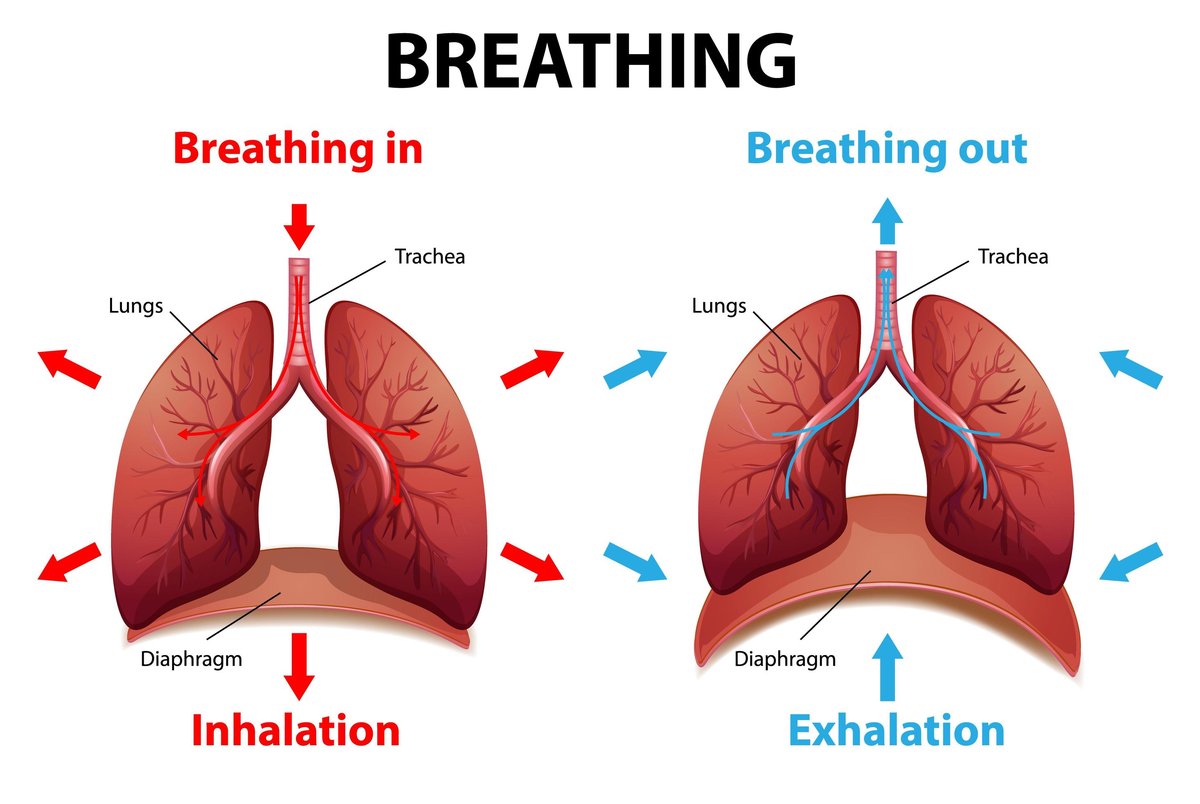
- Myth 3: “Sing from the diaphragm.” The diaphragm is an involuntary dome-shaped muscle that contracts to pull air in. When you sing (exhale), it relaxes and ascends. We don’t “sing from” it in an active sense. Breath support relies on controlling other muscles that resist the diaphragm’s passive ascent, managing the rate and pressure of air release.
Your Body’s Support System: The Key Muscles at Work
Instead of the diaphragm itself, effective breath support engages a team of muscles that help manage the release of air. These muscles resist the natural tendency of your thoracic cavity (rib cage and lungs) to collapse too quickly, keeping airflow steady and controlled.
- External Intercostals: These muscles between your ribs help expand your rib cage during inhalation and resist its collapse during exhalation, maintaining openness.
- Pectorals (Pecs): While primarily arm muscles, they assist in stabilizing the chest and can indirectly support rib expansion, especially during deeper breaths.
- Latissimus Dorsi (Lats): These large back muscles contribute to overall postural support and can be engaged to help maintain an expanded rib cage, aiding in controlled exhalation.
Training these muscles through targeted exercises allows for nuanced, flexible air pressure regulation, giving you the power to shape your vocal sound exactly as you intend. For a broader perspective on how these muscles integrate into a holistic approach to vocal health and development, consider exploring how various vocal breathing exercises can significantly Boost Your Voice with Breathing.
Laying the Foundation: Essential Breath Exercise Principles
Before diving into specific drills, establishing a solid routine and understanding key principles will accelerate your progress.
- Impeccable Posture: Stand or sit tall, shoulders back and down, head aligned with your spine. This allows your lungs and ribs maximum room to expand. A gently engaged core provides a stable base.
- Patience and Progress: Breath control is a marathon, not a sprint. Start with foundational exercises and gradually increase complexity and duration. Consistent, mindful practice over time yields remarkable results.
- Sets & Repetitions: Begin with 3-5 sets of 5-10 repetitions for each exercise. As your endurance and control improve, you can gradually increase these numbers.
- Consistency is King: Dedicate 10-15 minutes daily to targeted breathing exercises. Little and often beats long, infrequent sessions.
- Professional Feedback: A qualified vocal coach can offer personalized guidance, identify subtle tensions, and correct your technique, ensuring healthy and efficient practice.
- Listen to Your Body: Never push to the point of discomfort, strain, or dizziness. Take breaks, stay hydrated, and adjust as needed. Avoid shallow chest breathing, overfilling your lungs, or trying to push air out too quickly.
Your Breath Control Playbook: Exercises for Every Stage
Here’s a structured approach to developing robust breath control, from foundational skills to advanced stamina.
Building Your Base: Beginner Breathing Exercises
These exercises focus on establishing diaphragmatic breathing, controlled exhalation, and body awareness.
- Diaphragmatic Breathing / Book-on-Stomach:
- How to Do It: Lie on your back (or sit tall). Place one hand on your chest, the other on your stomach. Inhale slowly through your nose for 4 counts, feeling your stomach (and the hand/book on it) rise. Your chest should remain relatively still. Exhale slowly through pursed lips for 4 counts, feeling your stomach gently draw inward. Repeat 5-10 times.
- Why It Matters: This teaches you to initiate breath from your lower torso, ensuring a deep, relaxed inhale and engaging your diaphragm effectively without tension in the upper chest.
- Scenario: Use this before a rehearsal to center yourself and ensure your breathing is deep and relaxed, setting a calm foundation.
- Pursed Lip Breathing:
- How to Do It: Inhale slowly through your nose, keeping your mouth closed. Pucker your lips as if you’re about to blow out a candle very slowly. Exhale through these pursed lips for 5-8 counts, making a quiet, steady “fss” sound. Repeat for 30-60 seconds.
- Why It Matters: This trains controlled, steady exhalation by creating a small amount of resistance, forcing your breath support muscles to work harder to maintain airflow. It’s excellent for understanding how to “ration” your air.
- Scenario: Practice this when you need to sustain a note or phrase in a song and find yourself running out of air too soon.
- Sipping Breath:
- How to Do It: Inhale very slowly and quietly through your nose over 2 counts, imagining you’re sipping a hot drink. Part your lips slightly and exhale steadily for 4 counts. Repeat 5-10 times.
- Why It Matters: This hones precise control over both the inhale amount (preventing over-inhaling) and the exhale rate, teaching efficiency.
- Scenario: Useful for songs with quick breath marks or short phrases, where you need just enough air, not a huge gasp.
- Yawn-Sigh / Sighing Exercise:
- How to Do It: Take a slow, deep breath in through your mouth and nose, mimicking a relaxed yawn. As you exhale, let out a natural, satisfying “Aaahhh” sigh, allowing your shoulders to drop and your torso to soften. Repeat 5 times.
- Why It Matters: Encourages a full, open throat and relaxes tension in the jaw, neck, and shoulders, which are often culprits of restricted breath.
- Scenario: Perform this before singing to release any accumulated tension and open up your vocal tract.
- The Hissing Exercise (“Sss” Drill):
- How to Do It: Take a deep, comfortable breath. On the exhale, release the air through a long, steady “sss” sound. Time how long you can sustain it, aiming for an even, consistent hiss without wavering.
- Why It Matters: This is a fantastic diagnostic tool for breath management. It directly trains consistent subglottal pressure and immediately reveals any “leaks” or inconsistencies in your airflow.
- Scenario: Use this daily to track your breath endurance and ensure your air release is smooth and controlled, preparing you for sustained vocal lines.
Beginner Recommendation: 3 sets each of: 10 diaphragmatic breaths, 5 pursed lips exhales, 8 sipping breaths, 5 yawn-sighs, and 3 timed “sss” hisses aiming for 15-20 seconds.
Elevating Your Craft: Intermediate Breathing Techniques
Once you’re comfortable with the basics, these exercises build endurance, expand your rib cage capacity, and improve rapid breath recovery.
- Costal Breathing / The “Four Corners” Breath:
- How to Do It: Place your hands on your mid to upper ribs, fingers spread. Inhale slowly, focusing on expanding your ribs outward to the front, back, and sides (like a balloon expanding in all directions). Exhale slowly through pursed lips, feeling your ribs gently draw inward. Repeat 5-10 times.
- Why It Matters: This specifically strengthens your intercostal muscles, maximizing your rib cage’s expansion capacity and promoting more efficient, wider breathing.
- Scenario: Integrate this into your warm-up to prepare your rib cage for the sustained expansion required for longer phrases.
- Stair-Step Breathing:
- How to Do It: Inhale quickly through your nose for a count of one. Hold for one count. Inhale a little more for another count of one. Hold. Continue this “stair-step” inhale until your lungs feel comfortably full (e.g., inhale-hold-inhale-hold for 3-4 steps). Then, exhale slowly on a steady “sss” sound. Repeat 5-8 times.
- Why It Matters: Trains your body for rapid, efficient breath recharging between vocal lines, crucial for fast-paced songs or spoken dialogue.
- Scenario: Practice this when you need to sing a stanza with very short pauses between lines, ensuring you grab enough air quickly without gasping.
- Quick Breath:
- How to Do It: Set a timer for 30 seconds. Take very fast, complete inhales and exhales through an open mouth and nose, like panting but with more depth. Aim for 10-15 full breath cycles within the 30 seconds. Keep shoulders down.
- Why It Matters: Increases lung capacity and enhances breath control during rapid respiration, vital for sustained energy in performances.
- Scenario: Use this when preparing for a physically demanding performance or a song requiring high energy and quick breath recovery.
- Vocal Fry Breath:
- How to Do It: Inhale deeply into your belly through loose lips. As you exhale, create a low, creaky vocal fry sound (like the lowest register of your voice). Focus on the consistent, minimal airflow needed to sustain this sound. Repeat 5-10 times.
- Why It Matters: This exercise helps you feel the subtle breath pressure needed for low vocal fold vibration and strengthens the connection between deep breathing and activating your lowest vocal range.
- Scenario: Excellent for singers who struggle with low notes or want to develop more vocal texture and depth.
Intermediate Recommendation: 3 sets of 10 costal breaths, 3 sets of 8 stair-step breaths, 4 sets of 30-second quick breaths, 3 sets of 5 vocal fry breaths.
Mastering the Airflow: Advanced Breath Control Drills
These exercises challenge your stamina, precision, and ability to integrate breath control directly into singing.
- Resistance Training (with Band):
- How to Do It: Sit or stand upright. Wrap a resistance band (like a theraband) around your lower ribs, crossing it in front and holding the ends firmly. Inhale through your nose, feeling the band tighten as your ribs expand against its resistance. Exhale slowly through pursed lips. Repeat for 10 inhale/exhale cycles.
- Why It Matters: This directly strengthens your intercostal and other breath support muscles by making them work harder against external resistance, significantly increasing your lung capacity and support.
- Scenario: Use this to build serious breath support strength, similar to weightlifting for other muscles, particularly when you need more power and stamina.
- Extended Note Holding:
- How to Do It: Inhale deeply and comfortably. Choose a comfortable mid-range vowel (e.g., “Ah” or “Oo”). Sing the note, holding it as long as possible on a consistent, steady tone. Use a timer. Focus on maintaining open ribs and a steady stream of sound. Record your time and repeat 5 times, aiming for improvement.
- Why It Matters: Directly trains consistent breath pressure and stamina for sustained singing, crucial for ballads and long phrases.
- Scenario: Practice this to increase the length of your vocal phrases and prevent your tone from wavering or fading at the end of a long note.
- Vocal Runs On Breath:
- How to Do It: Inhale deeply through your mouth and nose. Sing a short melodic run (8-15 seconds) or a complex vocal riff, ensuring you complete the entire phrase on one breath. Recharge completely, then repeat the run 3-5 times. Gradually increase the complexity or duration of the run.
- Why It Matters: Develops highly efficient breath use for complex vocal ornamentation, ensuring smooth airflow even during rapid note changes.
- Scenario: Essential for pop, R&B, or jazz singers who frequently incorporate melismas and quick runs into their performances.
- The “Sustain and Release” Drill:
- How to Do It: Hum a gentle “mmm” for 5-10 seconds, focusing on a steady, consistent airflow. Without changing the airflow or taking another breath, open your mouth and transition into an open vowel like “Ah.” Feel the smooth transition.
- Why It Matters: Teaches you to carry a steady, supported airflow seamlessly from one vocal sound (closed hum) to another (open vowel), preventing abrupt shifts or shaky tone.
- Scenario: Practice this when you find your voice becoming unstable or losing support as you transition between humming and full vocalization, or between different vowels in a word.
- Arm Circles for Expansion:
- How to Do It: Inhale deeply as you slowly raise your arms in a wide forward circle above your head, feeling your rib cage expand. As you begin to exhale (or sing a sustained note), actively hold that expanded chest and rib position, allowing your arms to slowly lower. Repeat 3-5 times.
- Why It Matters: Physically helps you feel and maintain thoracic (rib cage) expansion during exhalation, preventing the common tendency for the chest to collapse too quickly, which cuts off breath support.
- Scenario: Use this during a longer song to remind yourself to maintain an open, expanded torso, giving your breath muscles more leverage.
Advanced Recommendation: 3 sets of 10 resistance band inhales, 5 repetitions of holding a mid-range note (aiming for personal best), 3 sets of vocal runs (8-15 seconds each) with full breath recovery between.
Common Hurdles & Quick Answers: Your Breath Control FAQs
- Q: Why do I still run out of breath, even after practicing?
- A: It’s often not about having enough air, but managing its release. You might be letting too much air out too quickly or holding tension elsewhere. Revisit pursed lip breathing and the hissing exercise to refine your airflow control. Also, ensure your posture is truly open and relaxed, not just stiff.
- Q: My shoulders rise when I breathe. Is that bad?
- A: Yes, generally. Shoulder or chest rising indicates shallow, upper-chest breathing, which doesn’t fully engage your diaphragm and creates neck/throat tension. Focus on diaphragmatic breathing (hand on stomach) to retrain this habit.
- Q: Can I really strengthen my “diaphragm” for singing?
- A: Not directly, as it’s an involuntary muscle of inhalation. What you strengthen are the support muscles (intercostals, abdominals) that resist the diaphragm’s passive ascent and regulate air pressure during exhalation. Exercises like costal breathing and resistance training target these directly.
- Q: How quickly will I see results?
- A: Most singers notice early changes within two to four weeks of consistent daily practice. Significant vocal transformation, however, comes with months of dedicated work and integration into your singing.
Charting Your Path to Effortless Vocals
Developing superior breath control while singing is an ongoing journey, but a profoundly rewarding one. Begin by incorporating the beginner exercises daily until they feel natural. Then, gradually add intermediate drills, paying close attention to how your body responds and how your voice transforms.
Remember, the goal isn’t just to do the exercises; it’s to internalize the feeling of supported breath so it becomes second nature during your actual singing. Commit to daily practice, seek professional guidance, and most importantly, listen to your body. Soon, you’ll find yourself singing with a newfound ease, power, and confidence you might have only dreamed of. Your voice will thank you for it.

- Modular Stage Panels Redefine Event Design With Stunning Backdrops - May 24, 2026
- Stage Backdrop Panels Bring Stunning Visuals to Event Stages - May 23, 2026
- Stage Design Models Bring Scenic Concepts To Life - May 22, 2026