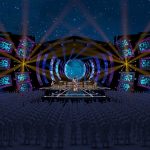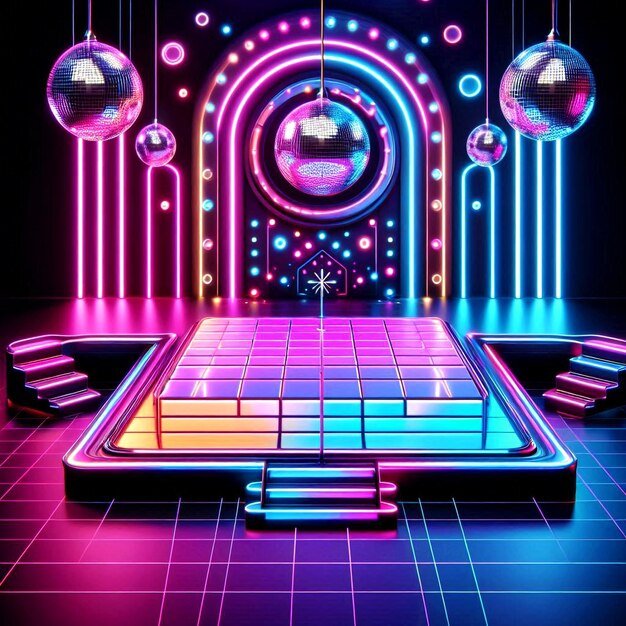
Crafting an unforgettable live performance isn’t just about the artists on stage; it’s about the entire world built around them. Effective live performances stage design transcends mere aesthetics, becoming a pivotal character in the narrative of the show. It’s the silent architect of atmosphere, the guide for audience emotion, and the invisible hand that connects every beat, visual, and movement into a cohesive, impactful journey for every attendee.
At a Glance: Crafting Stages That Connect
- Prioritize the Audience View: Ensure every seat offers an unobstructed, engaging experience.
- Design for Dynamic Flow: Integrate stage elements that support performer movement and visual storytelling.
- Weave in Multi-Sensory Layers: Blend lighting, sound, and visual effects to amplify emotional impact.
- Consider Venue & Tour Demands: Tailor designs for specific spaces and efficient setup/takedown.
- Embrace Sustainability: Integrate eco-friendly materials and energy-efficient technologies.
- Balance Vision with Practicality: Marry grand ideas with logistical realities, budget, and safety.
Beyond the Blueprint: What Makes a Stage Truly Live?
The blueprint of a stage is merely the beginning. What distinguishes a good design from a great one in live performances is its ability to breathe, to respond, and to evolve with the performance itself. It’s about creating a living canvas that not only houses the artists but actively participates in their story. This means moving beyond static sets to dynamic environments that enhance every beat and vocal nuance.
At its core, live performances stage design is a blend of art and engineering, aiming to elevate the audience’s journey. It’s about more than just placing instruments; it’s about crafting an immersive experience that resonates long after the final note. For a deeper dive into the broader principles, you might explore <a href="https://braghq.com/concert-stage-design/">Mastering concert stage design</a>. This groundwork helps us understand how the specific elements come together for truly impactful shows.
The Foundational Elements: Building Your Immersive World
Every compelling stage begins with a thoughtful arrangement of key elements, each playing a critical role in shaping the audience’s experience.
Stage Layout: Orchestrating Movement and Visibility
The physical arrangement of the stage is your foundation. It dictates how performers move, where the audience’s attention is drawn, and how immersive the experience can be. A well-conceived layout prioritizes unobstructed sightlines from every angle.
- Tiered Platforms & Raised Stages: These aren’t just for height; they create visual hierarchy, ensuring everyone from the front row to the back balcony can see the action. For instance, elevating the lead singer on a central platform naturally focuses attention.
- Performance Zones: Designating specific areas—a central zone for the lead, side wings for backup musicians or dancers—creates visual interest and allows for dynamic transitions. Think of Adele’s stages often featuring a central, elegant setup with ample room for her band to blend seamlessly.
- Flexibility and Mobility: Incorporate elements like trap doors, rotating platforms, or even modular stage pieces that can be reconfigured mid-show. Kanye West’s Saint Pablo Tour, with its floating stage, exemplified pushing these boundaries, creating a constantly shifting perspective. Immersive screens can also define and redefine these zones dynamically.
Visual Effects: The Spectacle Beyond the Spotlights
Visuals are the heartbeat of modern live performances, transforming the stage into a multidimensional canvas.
- LED Screens and Video Walls: These are far more than glorified TVs. They can display live feeds, custom animations, abstract graphics, or even pre-recorded content, providing context or amplifying emotion. The 1975’s ‘Still… At Their Very Best’ Tour, though minimalist, used screens to project curated, atmospheric visuals that complemented their ‘unfinished loft’ concept.
- Projection Mapping: This technique turns any surface—whether a backdrop, a prop, or even the stage floor—into a dynamic screen. By projecting custom visuals, you can create the illusion of 3D environments, changing entire scenes in an instant, as seen in many contemporary theatrical productions and large-scale concerts.
- Lasers and Pyrotechnics: For sheer drama and excitement, nothing beats well-timed lasers and pyrotechnics. Drake’s ‘It’s All A Blur’ Tour leveraged these for explosive impact, synchronized perfectly with musical crescendos to heighten emotional peaks. Safety is paramount here, requiring precise planning and execution.
Lighting: Sculpting Mood and Directing Attention
Lighting isn’t just about visibility; it’s about emotion. It’s the most powerful tool for shaping atmosphere, guiding the audience’s gaze, and amplifying the emotional depth of a performance.
- Dynamic Synchronization: Lights that dance with the music—fast strobes for an energetic chorus, soft washes for a melancholic bridge—create an undeniable synergy. This requires meticulous programming and often, real-time control.
- Strategic Color Schemes: Colors evoke powerful psychological responses. Deep reds and oranges for rock anthems, cool blues and purples for atmospheric electronic music, or vibrant pastels for pop—each choice reinforces the genre and mood.
- Spotlighting: A classic for a reason. Spotlights draw immediate attention to performers, instruments, or specific stage elements, ensuring key moments are never missed. Roger Waters’ ‘The Wall’ tour brilliantly used spotlights to highlight specific actors or pieces of the evolving wall.
Sound Design: The Unseen Foundation
No matter how spectacular the visuals, poor sound can ruin a show. Clear, balanced audio is the non-negotiable backbone of any live performance.
- Line-Array Speaker Systems: These systems are designed to distribute sound evenly across large venues, minimizing hot spots and dead zones. They ensure everyone, regardless of their position, receives a consistent, high-fidelity audio experience.
- Subwoofers: Essential for genres with heavy bass, subwoofers deliver the physical impact that makes music feel as much as it’s heard. They add a visceral layer to the performance, particularly in rock, EDM, and hip-hop.
- On-Stage Monitors & In-Ear Systems: Crucial for performers, these allow them to hear themselves and their bandmates accurately, ensuring they stay in sync and deliver their best. In-ear monitors, in particular, offer superior sound isolation and clarity, reducing stage clutter.
Audience Interaction: Blurring the Lines
The most memorable shows are often those where the audience feels truly part of the experience, not just passive observers.
- Extended Stages & Runways: Catwalks or satellite stages that extend into the audience, like those frequently used by Taylor Swift, physically bridge the gap between performer and spectator, creating intimacy and enhancing visibility for more fans.
- Mobile Integration: Leveraging smartphones can turn the audience into an interactive canvas. Synchronized phone lights, AR overlays that appear on screens when phones are pointed at the stage, or even real-time polls can create collective moments.
- Augmented Reality (AR) Overlays: With specialized apps or even projected elements, AR can add digital layers to the live performance, offering unique visual experiences only visible through a screen, further immersing the audience in a blended reality.
Before the First Sketch: Critical Pre-Design Considerations
Before you even think about dazzling visuals or complex layouts, several practical factors demand your attention. Overlooking these can lead to costly redesigns or, worse, a compromised show.
- Equipment and Performer Space: How much room do the instruments, props, and band members actually need? Will there be dancers? Choreographed movement requires ample, unobstructed space.
- Number of People On Stage: More performers mean more space, more monitors, and more potential for visual clutter. Plan for everyone to have their designated, functional area.
- Accessibility Requirements: Entrances, exits, and pathways for performers, crew, and special effects need clear, safe access. This includes ramps or lifts for accessibility if needed.
- Venue Type: Is it indoors or outdoors? An indoor arena offers controlled acoustics and lighting; an outdoor festival demands robust, weather-resistant equipment and careful consideration of sound distortion in open air. Adele’s custom-built venue in Munich, ‘Adele World,’ exemplifies designing a venue around the performance needs.
- Multi-Date Tour Logistics: For a touring show, efficiency is king. How quickly can the stage be set up and taken down? Modular, lightweight, and easily transportable components become paramount. U2’s 360-degree ‘The Claw’ tour, despite its complexity, was engineered for tour efficiency.
Five Pillars of Impactful Stage Design
Beyond the elements, five core design considerations elevate a live performance from good to unforgettable.
- Prioritizing Audience View: This is non-negotiable. Every attendee, from every seat, deserves an unobstructed sightline. Utilize tiered platforms, adjust screen heights, and avoid placing bulky equipment where it will block views. Remember, a great experience starts with simply seeing the show.
- Crafting Atmosphere through Design: The stage itself should embody the music’s mood. If it’s a high-energy rock show, flashing multicolored strobes and dramatic smoke might be appropriate. For a soulful ballad, soft, warm mood lighting and a minimalist set can create intimacy. The stage must tell the story even before the first note.
- Strategic Stage Extension: Catwalks, B-stages, or satellite platforms aren’t just for flash; they enhance engagement. By extending the performance area into the audience, you increase the number of “front-row” experiences and foster a deeper connection between artists and fans. Beyoncé’s Coachella performance, with its iconic pyramid, expertly used depth and extension.
- Decluttering for Immersion: Nothing breaks immersion faster than unsightly cables, road cases, or equipment. Use screens, creative platforms, draped fabrics, or strategic lighting to mask the functional necessities. By directing attention away from the “mechanics” of the show, you keep the focus on the magic.
- Optimizing Stage Flow: Performers need to move fluidly, whether it’s for choreographed numbers, costume changes, or simply interacting with different band members. Plan pathways, account for obstacles, and incorporate ramps or smooth transitions between levels. Lady Gaga’s ‘The Monster Ball Tour’ showcased intricate stage flow with its theatrical scenes and rapid transitions.
The Greener Stage: Sustainability in Design
As the industry evolves, sustainability is moving from a buzzword to a fundamental design principle. Integrating eco-conscious choices helps the planet and often, the budget.
- Energy-Efficient Lighting: LED technology has revolutionized concert lighting, offering vastly reduced power consumption compared to traditional incandescent fixtures, alongside greater creative control.
- Reusable Modular Structures: Design stage components that can be easily reconfigured, reused, and repaired across multiple shows or tours. This minimizes waste and reduces the demand for new materials.
- Green Energy Sources: Where possible, explore using solar panels or biofuels for power generation. While challenging for large-scale tours, even small steps, like powering backstage facilities with renewable energy, make a difference.
- Local Sourcing and Waste Reduction: Prioritize suppliers close to the venue to reduce transportation emissions and implement robust recycling and waste management programs backstage.
Iconic Designs: Lessons from the Masters
Looking at pioneering designs offers invaluable insight into what’s possible and how innovation can redefine the live experience.
- U2’s Sphere Residency (2023): This redefined immersion with a 360-degree, colossal cylindrical LED screen, creating hyper-realistic, dynamic environments that wrapped around the audience and band. It showcased the ultimate fusion of architecture and visual technology.
- U2’s 360-degree Tour (“The Claw”): A landmark of touring design, this massive four-legged structure with a cylindrical screen was a masterclass in creating an in-the-round experience, designed for maximum audience capacity and immersion.
- Roger Waters’ The Wall Live Tour: This design was pure storytelling. A gigantic wall was built and destroyed throughout the concert, physically embodying the themes of division and destruction from the album. It was a character in itself.
- Daft Punk’s 2007 Alive Tour: Synonymous with innovation, their massive pyramid stage became an instant icon, showcasing a bold, minimalist structure that served as a canvas for mesmerizing light and visual effects, elevating them to a digital deity status.
- Dead & Company’s Sphere Residency (2024): Building on the Sphere’s capabilities, this residency showcased the unparalleled potential of 64,000 LED tiles to create mind-bending, immersive environments that perfectly complemented their jam-band aesthetic.
Quick Answers: Your Stage Design FAQs
Q: What’s the biggest mistake new designers make?
A: Often, it’s underestimating logistics. Focusing solely on aesthetics without considering setup/takedown time, crew access, performer flow, or budget constraints can lead to beautiful but impractical designs. Always balance vision with operational reality.
Q: How do I manage a limited budget for stage design?
A: Focus on impactful, versatile elements. Prioritize excellent lighting, as it can transform even a simple set. Utilize projection mapping on existing surfaces instead of building complex physical sets. Modular elements that can be repurposed in different ways also stretch your budget.
Q: Is it better to have a highly complex or a minimalist stage design?
A: Neither is inherently “better”; it depends entirely on the artist’s brand, music, and the desired audience experience. A complex design might suit an epic rock opera (e.g., Pink Floyd), while a minimalist approach might enhance the intimacy of a singer-songwriter (e.g., The 1975’s loft set). The key is coherence and impact.
Q: How can I ensure good audience interaction without a huge budget?
A: Extend simple platforms or risers into the crowd if feasible. Focus on engaging lighting cues that involve the entire venue. Even direct verbal engagement from the performer, guided by the stage layout, can be highly effective. Simpler technology like synchronized phone lights through social media prompts can also work wonders.
Your Stage, Your Story: A Practical Playbook
Embarking on a live performances stage design project means embracing a journey of creative problem-solving. Start by asking not just “What do I want it to look like?” but “What do I want the audience to feel?”
- Define the Experience: Before any drawing, articulate the core emotion or message of the performance. Is it grand and epic, intimate and raw, or high-energy and celebratory? This informs every design choice.
- Sketch & Iterate: Start with rough sketches. Don’t be afraid to experiment with different layouts, even absurd ones. Use 3D modeling software if possible to visualize space and sightlines.
- Walk Through the Show (Mentally): Imagine the entire performance from the audience’s perspective and from the performer’s. Where do they enter? What happens during costume changes? Where do lights need to hit? This ensures fluid stage flow.
- Prioritize Safety & Logistics: Regularly check your designs against safety regulations, venue limitations, and tour requirements. A fantastic idea that can’t be built or safely operated isn’t fantastic.
- Collaborate Continuously: Stage design is a team sport. Work closely with the artists, lighting designers, sound engineers, production managers, and pyrotechnic specialists. Their input is crucial for a harmonious, functional, and impactful final design.
Ultimately, designing for live performances is about crafting a world. It’s about taking the intangible essence of music and giving it a physical, visual, and experiential form that captivates, connects, and creates indelible memories for everyone under the lights.