When the house lights dim and the first notes hit, an audience isn’t just listening to music—they’re stepping into an entirely new world. This immersive transformation is no accident; it’s the direct result of deliberate live concert stage design. More than just a platform for performers, it’s a meticulously crafted environment that amplifies the artist’s message, deepens audience connection, and turns a performance into an unforgettable, multi-sensory journey.
Successful stage design influences everything from audience perception to the practicalities of artist movement and crew setups, seamlessly blending visuals, sound, and atmosphere to captivate every single person in the venue. It’s about building a temporary reality, tailored to the unique energy of each show.
At a Glance: Crafting Immersive Concert Experiences
- Deconstruct Key Elements: Understand the foundational components of effective stage design, from layout to lighting and visual effects.
- Navigate the Design Process: Follow a practical, step-by-step guide to conceptualizing and executing a compelling stage setup.
- Leverage Technology: Discover how cutting-edge tools enhance visual spectacle and foster deeper audience interaction.
- Embrace Sustainability: Learn to integrate eco-conscious practices without compromising artistic vision or impact.
- Draw Inspiration: Explore lessons from iconic concert stages that redefined audience engagement.
The Blueprint of Spectacle: Core Elements of Live Concert Stage Design
Every truly memorable concert relies on a carefully orchestrated blend of elements. These components, when designed with intention, elevate a simple performance into a breathtaking, immersive journey.
Beyond the Band Stand: The Foundation of Stage Layout & Structure
The physical arrangement of the stage is your primary canvas. It’s about optimizing audience visibility and strategically dividing the performance space. Think about tiered platforms to ensure everyone can see the drummer, or raised stages that give the lead vocalist a commanding presence. Angled designs can direct focus, while distinct performance zones – a central spot for the lead, elevated areas for dramatic reveals, or side zones for backup performers – keep the visual story dynamic.
Modern designs prioritize flexibility. Imagine trap doors for sudden appearances, rotating platforms that unveil new scenes, or runways extending into the crowd to bring artists closer to fans. Multi-level structures add architectural interest and allow for vertical choreography. For truly immersive sightlines and acoustic excellence, dome stages offer a unique, encompassing experience. The stage’s size and shape are critical decisions, depending on the number of performers (e.g., a 200 sq ft stage for a 5-piece band versus 600+ sq ft for a 20-person orchestra), crew size, venue type (considering indoor ceiling height or outdoor wind conditions), and the desired level of performer-audience interaction.
Painting with Light: Shaping Mood and Focus
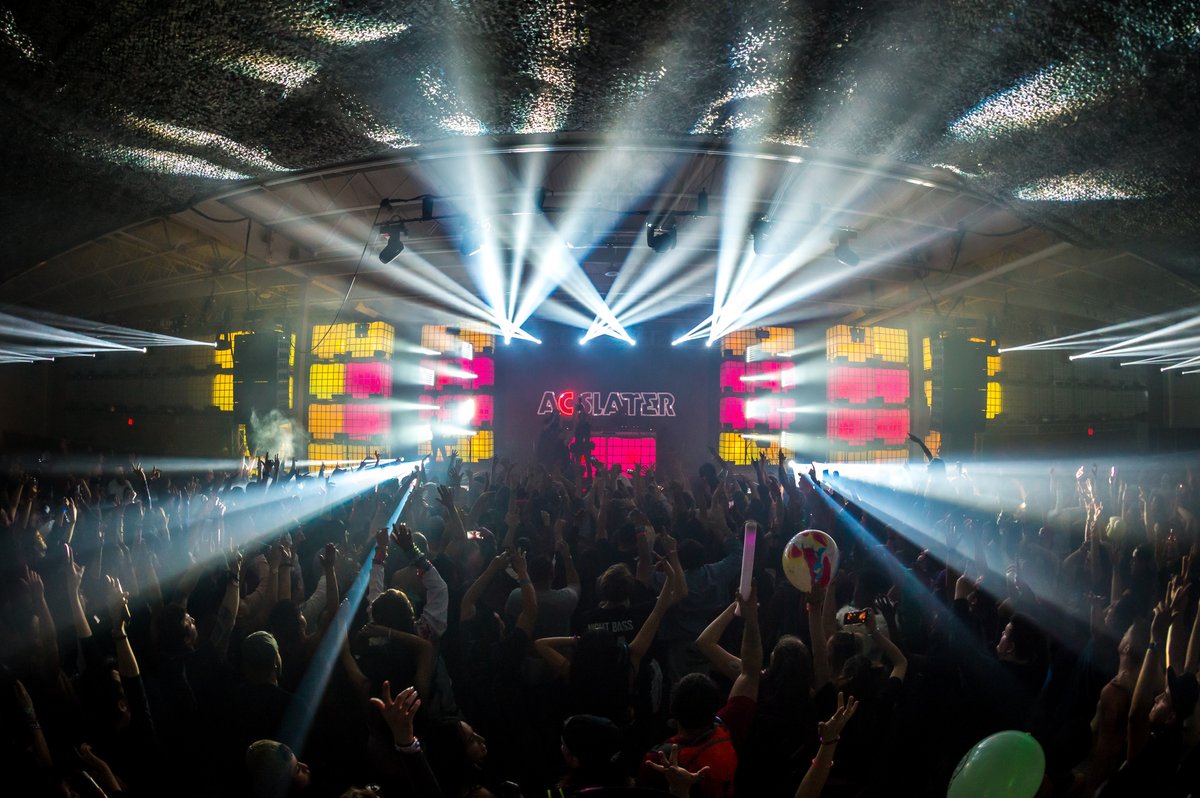
Lighting is the emotional architect of your concert experience. It guides audience attention, shapes the mood, and enhances the emotional depth of every note. Dynamic lighting synchronizes directly with the music, using strobes for high-energy peaks, soft washes for intimate ballads, or pulsating patterns to build suspense.
Strategic color schemes are powerful tools: deep reds can evoke the raw intensity of rock, while pastel hues might define a dreamy pop performance. Spotlighting is essential for focusing attention on individual performers or key moments, often layered with ambient lighting to create depth and contrast across the entire stage. Designers utilize a range of lighting types, including spotlights, wash lights, floodlights, and versatile LED panels, all precisely controlled by a DMX controller to create intricate, synchronized scenes and seamless transitions.
The Canvas Comes Alive: Visual Effects for Spectacle
Visual effects transform the stage into a living, breathing spectacle. LED screens and video walls are incredibly versatile, displaying live feeds of performers, custom animations, or abstract visuals synchronized to the music. Projection mapping goes a step further, turning any surface—be it a stage prop, a backdrop, or even the performers themselves—into a dynamic 3D display, creating illusions of movement and depth.
For sheer drama and excitement, laser shows and pyrotechnics are unmatched, often choreographed to explosive musical moments. Backdrops, whether static images or elaborate moving visuals, provide crucial contextual information, reinforcing the artist’s narrative and immersing the audience further into the show’s theme. When designed well, these elements aren’t just flashy; they are integral to the storytelling.
Orchestrating Sound: The Unseen Architect of Experience
While often unseen, sound design is the backbone of any concert. It ensures that every note, lyric, and beat is delivered with clarity and balance to every corner of the venue. Line-array speaker systems are engineered to distribute sound evenly, preventing dead spots and ensuring a consistent auditory experience for all audience members. Subwoofers add crucial depth and impact, especially vital for bass-heavy genres, making the audience feel the music in their chest.
Equally important are the on-stage monitors and in-ear systems that allow performers to hear themselves and their bandmates, ensuring they stay perfectly in sync. Advanced feedback prevention measures and noise-cancelling technologies are also deployed to maintain pristine audio quality, allowing the music to shine without unwanted interference. For a broader understanding of the entire conceptual process, delve into our comprehensive guide on Mastering concert stage design.
Breaking the Fourth Wall: Designing for Audience Interaction
Modern stage design increasingly aims to blur the line between performer and audience, fostering deeper, more personal connections. Augmented Reality (AR) overlays can project digital elements onto the physical stage, creating an immersive experience visible through audience members’ mobile devices or special displays. Mobile integration takes this further, allowing custom apps to synchronize audience phones with the performance, transforming the crowd into a dynamic, glowing tapestry of light and color.
Crowd engagement zones, such as runways that extend far into the audience or satellite stages, bring artists directly into the heart of their fanbase, fostering intimacy even in massive venues. These interactive elements turn passive observers into active participants, making them feel like an integral part of the show.
Building a Greener Beat: Sustainability in Stage Design
As environmental consciousness grows, sustainability has become a critical consideration in concert stage design. This isn’t just about eco-friendliness; it’s about smart, future-forward design. The shift towards energy-efficient LED lighting significantly reduces power consumption compared to traditional incandescent fixtures. Reusable modular stage structures, designed for easy assembly, disassembly, and repurposing, minimize waste and transportation costs across tours.
Additionally, exploring green energy sources like portable solar panels or biofuels for generators marks a significant step towards reducing a concert’s carbon footprint. Sustainable practices demonstrate a commitment to both the art and the planet, resonating with environmentally conscious artists and audiences alike.
Your Practical Playbook: A Step-by-Step Design Journey
Designing a concert stage can feel like directing a symphony of aesthetics and engineering. Here’s how to approach it methodically, ensuring every detail contributes to an unparalleled audience experience.
Honing Your Vision: Defining Event Purpose & Experience
Before you sketch a single line, clearly define the event’s purpose. What’s the music genre? What’s the artist’s performance style? Are there special moments, like surprise entrances, choreographed dances, or even fireworks, that need to be accommodated? Most importantly, what desired audience experience are you trying to create – is it family-friendly, intensely raw, intimate, or a massive party?
Begin with a brainstorming session focused on the emotions you want to evoke. If it’s a metal concert, you might aim for feelings of power and aggression; for an acoustic set, perhaps warmth and nostalgia. This initial clarity will guide every subsequent design decision, ensuring consistency and impact.
Blueprint for Performance: Stage Size and Shape
Next, determine the optimal stage size and shape, which fundamentally impact visibility and flow. Consider the number of performers and the crew size that will be working simultaneously on stage. The venue type plays a huge role: indoor spaces have ceiling height limitations, while outdoor venues require planning for wind loads, rain protection, and even direct sunlight.
Explore different stage layouts: a traditional proscenium for a theatrical feel, a T-shaped or thrust stage to extend into the audience, a circular or dome stage for 360-degree immersion, or even a floating stage for a truly unique perspective. Sketch out potential performer movement paths early on; this helps identify choke points and ensures fluid transitions.
Crafting the World: Planning Your Set Design
This is where the stage truly becomes a world. Create a detailed sketch that outlines the main backdrop – whether it’s an expansive LED wall, a custom-printed fabric, or intricate 3D scenery. Consider props like risers for different band members, scaffolding for multi-level structures, or unique architectural features that enhance the theme.
Crucially, designate space for technical equipment: mixers, lighting boards, effects machines, and pyro setups need clear, accessible areas. Plan clear entry and exit paths for performers, whether they’re side tunnels, hydraulic lifts for dramatic reveals, or accessible ramps. Think of this phase like designing a temporary, immersive architectural space, where every element has a purpose.
Palette of Emotion: Choosing Your Color Scheme
Your chosen color scheme is a powerful, non-verbal communicator of mood and energy. Harmonize colors not only with the artist’s brand and musical style but also with the venue’s existing aesthetics. Typically, you’ll select dominant, secondary, and accent colors to create a balanced palette.
The most vital step here is to always test your chosen colors under event lighting conditions. Colors can look drastically different under stage lights compared to natural daylight or standard room lighting. Use a mood board to visualize how various colors will interact and evoke the desired emotional response throughout the show.
Sculpting with Light: Selecting Concert Stage Lights
Curate your lighting setup to sculpt the atmosphere and guide the audience’s eye. Select essential lighting types: spotlights for direct focus, wash lights for broad illumination, and laser lights for dramatic effects. Define distinct lighting zones – front washes to illuminate faces, backlights to create depth and separate performers from the backdrop, and floor lights for dramatic uplighting or silhouetting.
Crucially, plan how these lights will be controlled. DMX controllers are standard for creating dynamic synchronization with the music, enabling complex sequences, chases, and seamless transitions between different scenes. Plan specific lighting cues for every song, every bridge, and every powerful vocal moment.
Seamless Integration: Audio and Visual Equipment
The final layer involves ensuring seamless technical integration. Position line-array speakers meticulously to achieve optimal sound coverage across the entire venue. On-stage monitor speakers or in-ear monitoring systems are critical for performers to hear themselves accurately. Implement feedback prevention measures and consider noise-cancelling technology to maintain pristine audio quality.
For visuals, select screen layouts appropriate for the venue size—large LED walls for stadiums, intricate projection surfaces for smaller, intimate spaces. Explore interactive tools like ground projection for dynamic floor visuals or AR filters that engage the audience through their devices. Always conduct thorough A/V signal flow tests and power distribution checks well in advance to prevent any technical glitches.
Quick Answers: Common Stage Design Queries
How do I balance visual spectacle with keeping the artist the main focus?
The key is layering. Use dynamic lighting to spotlight the artist directly, making them pop against a more ambient or subtly moving visual backdrop. Visual effects should complement, not overpower, the performer. Think of them as extensions of the artist’s energy, not distractions.
What’s the biggest mistake new concert stage designers make?
Often, it’s overlooking functionality and safety in favor of pure aesthetics. A stunning design means nothing if performers can’t move freely, if crew access is blocked, or if fire exits are obscured. Always prioritize practical considerations like rigging capacity, power distribution, and clear pathways.
How much does live concert stage design cost?
Costs vary wildly, from a few thousand dollars for a small club setup to tens of millions for a stadium tour. It depends on scale, technology (e.g., custom LED vs. rented screens), complexity of structures, and duration of the tour. Focus on the return on investment (ROI) for your budget – what elements will deliver the most impactful experience for your audience and artist?
Can sustainable stage design still be spectacular and cutting-edge?
Absolutely. Energy-efficient LED technologies now offer incredible brightness, color fidelity, and dynamic capabilities. Modular, reusable structures can be innovatively reconfigured for each show. Sustainability isn’t a limitation; it’s an opportunity for creative problem-solving and demonstrates a forward-thinking approach that resonates with modern audiences.
Iconic Stages: Learning from the Masters
History is replete with examples of stage designs that didn’t just support a performance but became an integral part of its legacy.
- U2’s ‘Achtung Baby’ Live at Sphere (2023) & 360-degree Tour (The Claw): U2 consistently pushes boundaries. Their 360-degree tour, featuring the colossal four-legged “Claw,” offered dynamic views and redefined stadium shows. Their recent Sphere residency transformed the venue’s entire interior into a colossal, immersive LED canvas, making the entire building the stage itself. The lesson here is clear: leverage the venue as a full partner in your design, transforming it into an active character in the show.
- Roger Waters’ The Wall Live tour: This production was a masterclass in narrative integration. A massive wall was built and destroyed throughout the concert, serving as a powerful symbolic barrier that displayed political messages and animations. It showed how a stage structure could be a dynamic, evolving element of storytelling, directly reflecting the themes of the music.
- Kanye West’s Saint Pablo Tour: Kanye challenged traditional stage proximity with a minimalistic floating stage that hovered above the spectators. This innovative design brought the artist closer to fans in a surreal way, using lights and fog effects to create a dreamlike atmosphere. It highlighted how spatial relationships between performer and audience can profoundly alter the concert experience.
- Daft Punk’s 2007 Alive Tour: With its massive pyramid stage, Daft Punk created an instantly iconic visual that became synonymous with electronic music performance. Its clean lines and futuristic glow were simple yet groundbreaking, proving that a bold, singular architectural statement can be incredibly effective and unforgettable.
Your Stage Awaits: Crafting the Next Immersive Journey
From the foundational layout to the fleeting magic of light and sound, every aspect of live concert stage design contributes to the overarching narrative and emotional impact of a performance. It’s a discipline that marries technical prowess with artistic vision, turning abstract ideas into tangible, breathtaking realities.
As you embark on your own design journey, remember that the goal is always to amplify the artist’s voice and create a profound connection with the audience. Think beyond mere visuals; aim for a full sensory journey where every element—seen, heard, and felt—contributes to an immersive and unforgettable experience. The stage is your canvas; imagine the worlds you can create.

- Stage Backdrop Panels Bring Stunning Visuals to Event Stages - May 23, 2026
- Stage Design Models Bring Scenic Concepts To Life - May 22, 2026
- Set Design Models Visualize Creative Ideas for Stage and Film - May 21, 2026