For the bigger picture and full context, make sure you read our main guide on Mastering Concert Stage Design for Immersive Audience Experiences.
Transforming a mere performance space into an unforgettable world is the true art of modern concert set design. It’s about more than just placing instruments on a stage; it’s crafting an immersive visual narrative that amplifies the music, connects deeply with the audience, and leaves a lasting impression. When done right, concert set design becomes a character in the show, guiding emotions and making every moment a spectacle.
At a Glance
- Elevate Storytelling: Discover how strategic set design visually translates an artist’s message and musical genre.
- Leverage Technology: Understand the role of advanced lighting, LED screens, projection mapping, and physical structures.
- Plan for Impact: Learn a structured approach from concept definition to execution, ensuring clear sightlines and seamless integration.
- Draw Inspiration: Explore iconic designs that broke barriers and set new standards for live experiences.
- Boost Engagement: Uncover methods to create interactive and memorable audience moments.
Beyond the Bandstand: The Vision Behind Transformative Concert Set Design
Concert set design is the foundational visual architecture of a live show, blending intricate lighting, dynamic backdrops, and innovative physical structures into a cohesive experience. This isn’t just about aesthetics; it’s about stimulating every sense, maintaining high energy, and forging indelible memories for everyone in the room. A well-conceived set design elevates the performance from an auditory event to a multi-sensory journey.
Consider the diverse needs: a minimalist acoustic act might require intimate, warm lighting and subtle textures, while an electronic dance music (EDM) headliner demands a pulsating canvas of light, lasers, and towering digital backdrops. Each decision, from the choice of material to the placement of a hydraulic lift, serves to deepen the audience’s immersion and amplify the artist’s unique message.
Orchestrating the Elements: Key Pillars of Immersive Set Design
Crafting a concert set design that truly resonates involves a meticulous interplay of various components, each contributing to the overall spectacle and immersion. These elements, when harmonized, turn a simple stage into a dynamic environment.
Dynamic Lighting & Visuals: Sculpting Atmosphere with Light
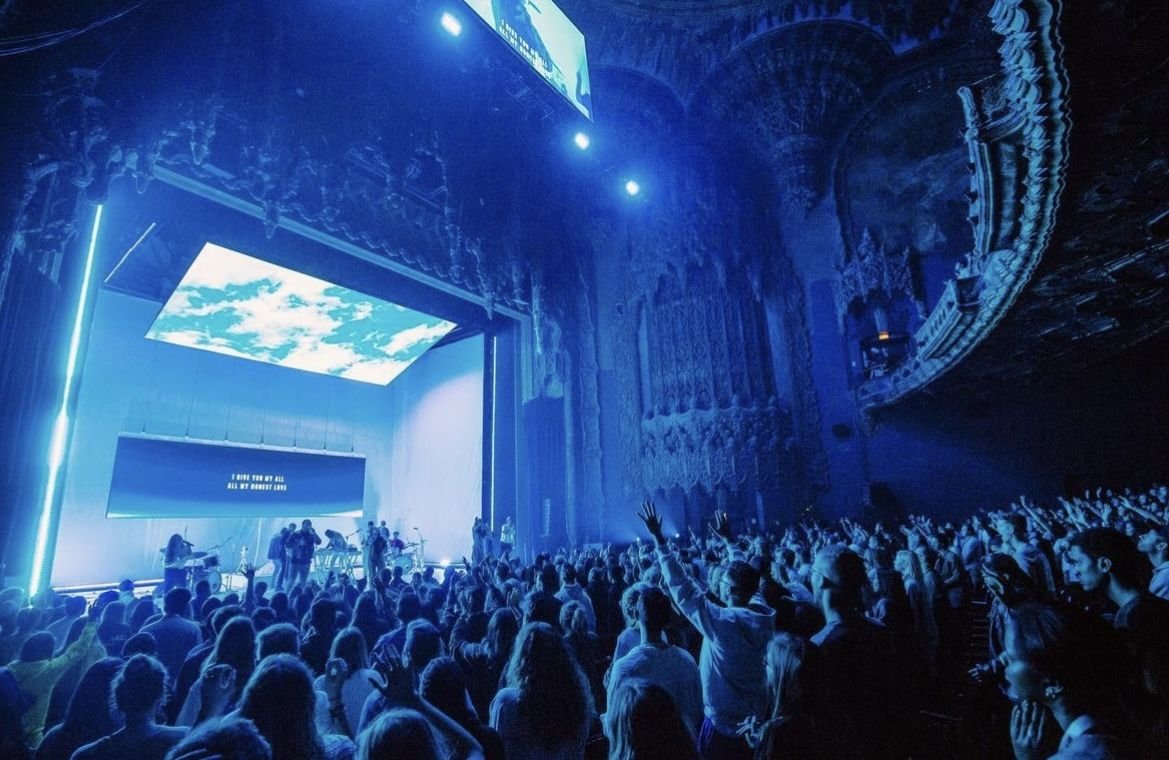
Lighting is the silent narrator of any concert, capable of shifting the mood, highlighting key moments, and guiding the audience’s gaze. It’s more than just brightness; it’s about precision and choreography. Synchronized light shows, sharp laser beams, and fluid color shifts paint the air, creating depth and intensity. Designers leverage spotlights to isolate performers, floodlights for broad washes of color, and vast LED panels for vibrant, ever-changing backdrops.
These backdrops, whether simple static images or elaborate moving visuals, provide crucial visual context. High-definition LED screens are particularly popular for their versatility, able to display dynamic visuals that perfectly complement the music’s tempo and the artist’s narrative. Imagine a tranquil forest giving way to an erupting volcano, all in sync with the song’s progression – that’s the power of integrated visual design.
Architectural Innovation: The Stage as a Sculptural Masterpiece
The physical structure of the stage itself is a primary canvas for concert set design. Modern stages often break from traditional flat platforms, featuring multiple levels, moving parts, and unique shapes. Elevated platforms, ramps, and catwalks allow artists to engage with the audience from various perspectives, creating visual interest and dynamic movement.
Take U2’s iconic 360° Tour, famously nicknamed “The Claw,” a colossal structure that offered unparalleled 360-degree audience views. Its immense cylindrical screen, capable of contracting and expanding, redefined what a concert structure could be. Such designs ensure clear sightlines from every angle and ingeniously accommodate performers, props, and intricate special effects. Increasingly, innovative structures like stage domes are gaining traction. These weather-resistant, rapidly deployable domes offer immersive sightlines and superior acoustics, with custom access tunnels for backstage areas and multiple utility ports for seamless tech integration. They transform an ordinary outdoor space into a contained, unique performance environment.
Advanced Tech Integration: Bringing Worlds to Life
Technology is the magic wand of contemporary concert set design, allowing designers to transcend traditional boundaries. Projection mapping, for instance, can transform any surface—be it a stage floor, a building façade, or even the performers themselves—into a dynamic, interactive display. This creates truly immersive environments where the stage seems to breathe and evolve with the music.
Beyond projections, interactive elements like audience-controlled LED panels or synchronized app-controlled lighting invite direct participation, forging a deeper connection between the performer and the crowd. Augmented reality (AR) filters and ground projection further blur the lines between the physical and digital, crafting experiences that are not just seen, but felt and experienced on multiple planes.
From Concept to Crowd: Crafting Your Vision for Concert Set Design
Building an impactful concert set design is a journey from abstract ideas to concrete visual and structural realities. It requires a methodical approach, ensuring every element serves the overall artistic vision and practical needs.
Defining the Narrative and Purpose
Before any sketches are drawn or screens are ordered, the core purpose of the event and the artist’s narrative must be crystal clear. What’s the music genre? What’s the artist’s performance style – minimalist and intimate, or bombastic and theatrical? What emotional journey should the audience experience? Is it a family-friendly show or an adult-oriented spectacle? This foundational understanding will dictate every subsequent design choice. For example, a sleek LED-heavy design might suit an EDM festival, while reclaimed wood and natural elements would be perfect for a folk concert.
Scaling the Spectacle: Venue and Layout Considerations
The scale and shape of your set design are largely dictated by the venue and the number of performers. A five-piece band needs roughly 200 sq ft, while a 20-person orchestra could easily require 600 sq ft or more. Indoor venues present constraints like ceiling height, while outdoor spaces demand wind-resistant structures and weather-proof materials.
Stage shapes also play a crucial role in concert set design. The classic proscenium offers a theatrical framed view, while T-shaped or circular stages (like those found in event domes) foster greater audience immersion with 360-degree sightlines. Considering these physical limitations and opportunities early ensures your grand vision is also a feasible one. To truly Master immersive stage design, understanding these spatial dynamics is paramount.
Sketching the Scene: Backdrops, Props, and Performer Flow
This is where the vision starts to take physical form. Begin by sketching the main backdrop – will it be a colossal LED screen, flowing fabric, or a multi-layered 3D sculptural scenery? Then, consider the props: risers for different instruments or performers, scaffolding for verticality, or unique architectural features. Crucially, don’t forget the practicalities of performer entry and exit. Hidden tunnels, hydraulic lifts, or strategic ramps ensure smooth transitions without breaking the audience’s immersion. Also, plan adequate space for all technical equipment, from mixing consoles and lighting boards to smoke machines and pyrotechnic setups.
The Power of Palette: Emotional Resonance Through Color
Color is a potent tool in concert set design, capable of instantly communicating mood and emotion. The chosen palette must harmonize with the venue, the music, and the desired atmosphere. For instance, warm neutrals or deep jewel tones often suit indoor theaters, while outdoor festivals might embrace bright neons or muted earth tones.
Develop a clear palette: a dominant color that sets the primary mood, a secondary color for contrast or depth, and an accent color for moments of emphasis. Always test your chosen colors under the specific event lighting conditions, as what looks vibrant in daylight can appear completely different under stage lights. Bold reds can ignite excitement, while soft pastels can evoke reflection and intimacy.
Lighting Choreography: Setting the Mood and Momentum
A well-curated lighting setup is essential for bringing any concert set design to life. Incorporate a mix of essential fixtures: spotlights to highlight soloists, wash lights to blanket the stage in color, and laser lights for those high-energy, impactful moments. Define distinct lighting zones – front washes to illuminate faces, backlights to create depth and silhouette, and floor lights for dramatic uplighting.
Using a DMX controller allows for dynamic, music-synced changes, turning lighting into a choreographed performance in itself. Plan different lighting scenes for various parts of the performance, from song introductions to high-intensity choruses and reflective ballads. This foresight ensures the lighting never feels static but rather evolves with the music’s emotional arc.
Seamless Integration: Sound and Interactive Visuals
While often considered separately, sound and visuals are intrinsically linked in creating a cohesive concert experience. For audio, position line array speakers strategically above the stage for optimal sound projection, and ensure monitor speakers face the performers for clear foldback. Implementing noise-canceling technology and careful microphone placement are crucial to prevent feedback and maintain pristine audio quality.
For visuals, select screen layouts appropriate for the venue size—massive LED walls for stadiums, projection surfaces for smaller, more intimate spaces. Explore interactive tools such as ground projection, which responds to performers’ movements, or AR filters that engage the audience’s phones, adding layers of immersion that further blur the lines between digital and physical.
Iconic Innovations: Case Studies in Set Design Excellence
Examining successful concert set designs provides invaluable lessons in vision, execution, and impact. These examples pushed boundaries and redefined audience expectations.
- U2’s 360° Tour (“The Claw”): This monumental concert set design, conceived by Mark Fisher and Willie Williams, wasn’t just a stage; it was an architectural marvel. The four-legged structure offered truly 360-degree viewing, and its expansive cylindrical screen, which could contract and expand, provided dynamic visual storytelling unprecedented at the time. It demonstrated that a concert structure could be a character in itself.
- Beyoncé’s Coachella 2018 Performance: Designed as a “Homecoming” celebration, Beyoncé’s set was a masterclass in thematic integration. Featuring a giant pyramid structure as its centerpiece and a full marching band in vibrant, custom costumes, the set design was inextricably linked to the performance’s cultural narrative, creating an instantly recognizable and deeply meaningful visual identity.
- Roger Waters’ The Wall Live: A powerful example of symbolic concert set design, this production famously featured a massive wall built and then destroyed throughout the concert. It served as both a literal and metaphorical barrier, displaying political messages and intricate animations that deeply enhanced the storytelling of the album. The set actively participated in the narrative, evolving with the performance.
- Kanye West’s Saint Pablo Tour: Kanye’s floating stage, hovering above the spectators, was a bold, minimalistic design choice. It dramatically spotlighted Kanye himself while creating an incredibly immersive experience for the audience below. Surreal lights and fog effects completed the ethereal, almost otherworldly atmosphere, proving that impactful concert set design doesn’t always rely on massive structures but on unique perspectives.
- Taylor Swift’s Reputation Stadium Tour: This tour leveraged concert set design to reinforce its overarching thematic narrative. Featuring a huge screen backdrop, explosive pyrotechnics, and multiple stages connected by sprawling catwalks, the design evolved with each song. Iconic snake motifs, central to the album’s theme, were subtly and overtly integrated throughout, making the set an extension of the album’s persona.
The Practical Playbook: Designing for Impact and Engagement
The benefits of intentional concert set design extend far beyond aesthetics, directly impacting audience experience and artist branding.
The Dividends of Deliberate Design
- Translates Concepts Visually: A well-designed set communicates the event’s essence and choreographs emotional journeys. Sleek LED panels for an EDM show versus reclaimed wood for a folk concert instantly set the mood. Color choices, from bold reds for excitement to soft pastels for reflection, guide the audience’s emotional response.
- Boosts Audience Engagement: Concert set designs that break the fourth wall dramatically increase engagement. 360-degree stage layouts improve sightlines for everyone. Interactive elements, such as audience-controlled LED panels or synchronized app-controlled lighting, transform spectators into participants. Extended runways or B-stages invite performers directly into the crowd, fostering closer interaction.
- Reinforces Branding & Theme: Custom backdrop curtains adorned with logos or bespoke artwork, a consistent brand-specific color palette, and even subtle product integrations strengthen brand identity. This makes the entire experience more cohesive, memorable, and unique to the artist or event.
Key Decision Points for Your Design Journey
Before finalizing your concert set design, consider these crucial aspects:
- Budget vs. Ambition: Always balance your creative aspirations with your financial realities. Can you achieve a similar visual impact with clever projection mapping instead of expensive custom fabrication?
- Fixed vs. Touring: A permanent installation allows for greater complexity and integration with the venue’s infrastructure. Touring shows require modular, durable, and easily transportable designs that can be quickly assembled and disassembled.
- Technical Complexity: Assess your team’s technical capabilities. Highly complex designs with intricate automation or interactive elements require skilled technicians and extensive testing time. Simpler, yet visually striking designs, might be more manageable for smaller teams or tighter schedules.
Quick Start Tips for Aspiring Set Designers
- Storyboard Your Show: Visualize the entire performance, song by song. How does the mood shift? What visuals accompany each moment? This helps map out transitions and critical design elements.
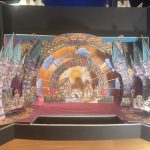
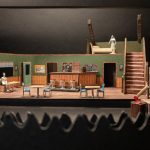
- Utilize 3D Mockups: Before committing to physical builds, create 3D renders or scale models. This helps identify potential sightline issues, spatial constraints, and aesthetic inconsistencies, saving time and money in the long run.
- Collaborate Early and Often: Bring in your lighting director, audio engineer, and technical crew during the early design phases. Their input is invaluable for ensuring your concert set design is not only visually stunning but also technically feasible and audibly perfect.
Quick Answers: Demystifying Concert Set Design
How do I balance innovation with budget constraints in concert set design?
Balancing innovation with budget often involves smart material choices and creative use of technology. Instead of custom-built, complex structures, consider modular, rented elements that can be reconfigured. Projection mapping, while a significant upfront cost, can offer incredible versatility and dynamic visual changes on simpler surfaces, effectively replacing many physical set pieces. Focusing on impactful lighting design or strategic use of a single, striking visual element can often create more innovation than a sprawling, expensive setup.
What’s the biggest mistake new concert set designers make?
One of the biggest mistakes is failing to consider the performer’s movement and interaction with the set. A visually stunning set that restricts an artist’s ability to move, engage with the audience, or even comfortably access their instruments, ultimately detracts from the show. Always prioritize functionality and performer ergonomics alongside aesthetics. Another common pitfall is neglecting sightlines for all audience members, especially in larger venues; every design element must enhance, not obstruct.
How important is sustainability in modern concert set design?
Sustainability is becoming increasingly important. Designers are now prioritizing reusable and recyclable materials, reducing waste from touring productions, and exploring energy-efficient lighting and power solutions. This includes using LED fixtures over traditional incandescent bulbs, sourcing local materials to reduce transport emissions, and designing modular sets that can be easily repurposed for future tours or events. It’s not just an ethical choice but also a growing expectation from artists and audiences alike.
Can small venues still achieve immersive concert set designs?
Absolutely. Immersive design isn’t solely about scale; it’s about the feeling. In smaller venues, intimacy can be a powerful tool. Focused lighting design, strategic use of texture and color, and even simple, well-placed props can create a deeply engaging atmosphere. Consider projection mapping onto unconventional surfaces, integrating the existing architecture of the venue into the design, or using haze and subtle lighting to create depth. The goal is to transport the audience, and this can be achieved beautifully within a compact space through thoughtful design.
Igniting the Spectacle
Concert set design is a powerful discipline that transcends simple stage dressing; it’s the crafting of an entire world for a live performance. From the dynamic interplay of light and shadow to the architectural audacity of multi-level structures, every element plays a vital role in sculpting an immersive experience. By embracing innovative technology, meticulously planning each detail, and drawing inspiration from the industry’s trailblazers, you can design live shows that not only entertain but genuinely captivate and redefine spectacle for every audience member. It’s about dreaming big and executing with precision to create truly unforgettable moments.

- Stage Backdrop Panels Bring Stunning Visuals to Event Stages - May 23, 2026
- Stage Design Models Bring Scenic Concepts To Life - May 22, 2026
- Set Design Models Visualize Creative Ideas for Stage and Film - May 21, 2026