Staging an event—whether it’s an intimate corporate panel or a bustling outdoor concert—often demands a dynamic performance space, and fast. This is precisely where modern stage platform systems shine, offering a flexible and remarkably quick setup that can transform any venue into a professional performance area. Gone are the days of cumbersome, time-consuming stage construction; today’s modular and mobile platforms are engineered for efficiency without compromising stability or aesthetics.
These advanced stage systems are more than just elevated surfaces; they are strategic tools that enable event planners to adapt to diverse needs, tight schedules, and varying site conditions. From a simple speaker’s podium to elaborate multi-level sets, the right stage platform can be the cornerstone of a successful event.
At a Glance: Speed and Flexibility with Stage Platform Systems
- Rapid Deployment: Understand how tool-free, modular connections slash setup times.
- Unmatched Versatility: Discover systems that configure into any size, shape, or height for any event type.
- Robust & Reliable: Learn about non-slip surfaces, code-compliant guardrails, and stable foundations for safety.
- Weather-Ready Solutions: Explore all-weather components and mobile stages designed for outdoor resilience.
- Optimizing Resources: See how expert design and installation services streamline your event logistics.
Beyond the Static Stand: Why Modular & Mobile Platforms Reign
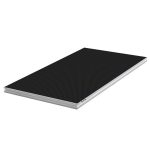
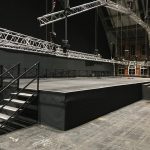
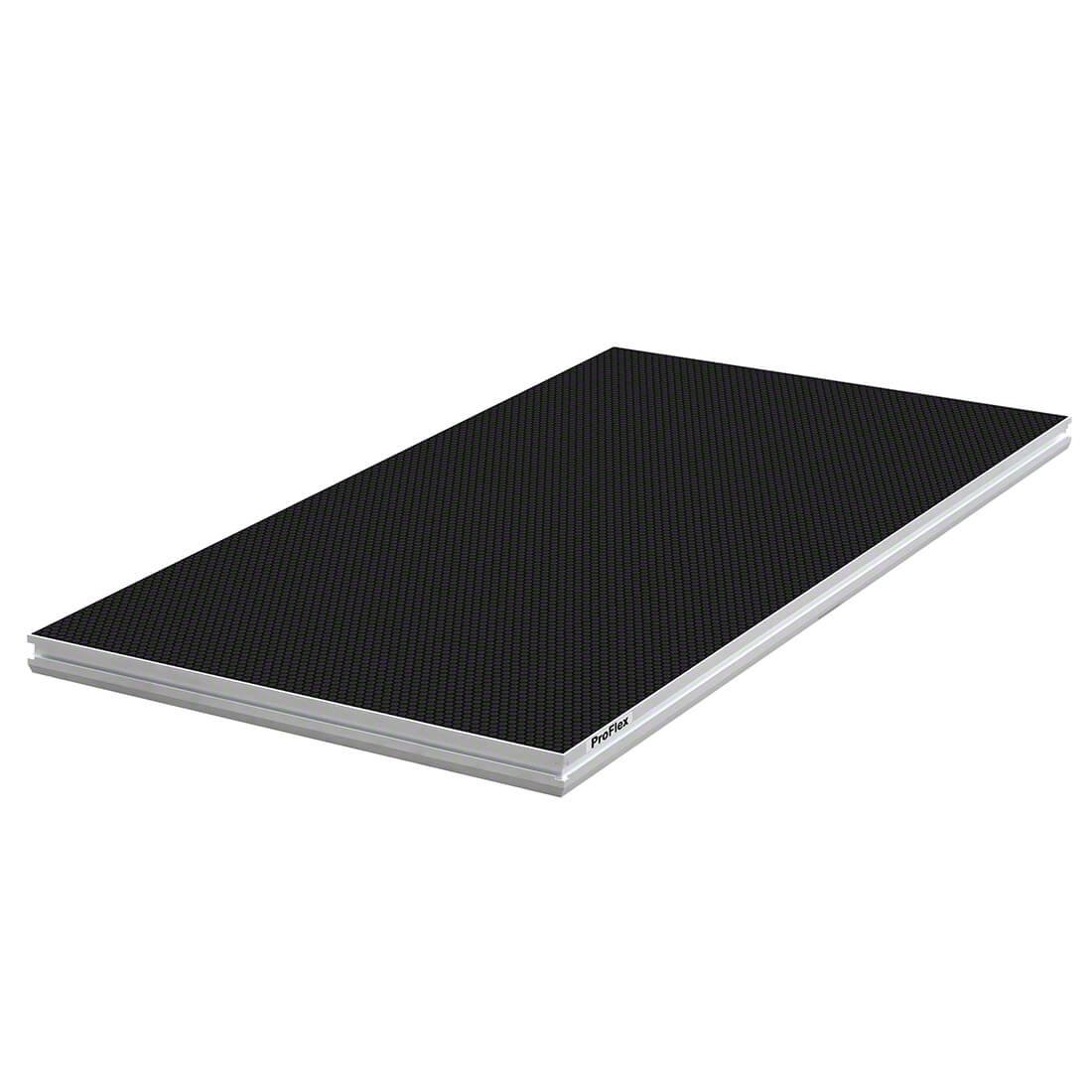
At its core, a stage platform system is a collection of pre-configured, modular components that assemble to form an elevated, stable surface. Unlike building a stage from scratch with individual lumber or metal components, these systems come as comprehensive “kits.” Think of them as high-performance building blocks: the kit includes everything needed—decks, legs, frames, stairs, and guardrails—designed to fit together seamlessly. This modularity is key to both their flexibility and rapid deployment.
These robust systems provide a strong, stable foundation critical for everything from keynote speakers and live music acts to intricate set pieces and heavy AV equipment. Whether you’re planning a general session, a vibrant DJ setup, a corporate presentation, a fashion runway, or an interactive media activation, these pre-bundled solutions eliminate guesswork and accelerate the entire setup process.
The Architects of Agility: How Stage Platform Systems Achieve Quick Setup
The hallmark of a great stage platform system is its ability to go from packed-up to performance-ready in record time. This isn’t magic; it’s smart engineering focused on lightweight materials and intuitive connections.
- Tool-Free Assembly: Many modern systems feature innovative, tool-free connection systems. This means no fiddling with wrenches or power drills; components simply click, slide, or lock into place. This dramatically reduces setup time and the need for specialized labor, allowing smaller teams to assemble stages efficiently.
- Lightweight Components: While sturdy, individual decks and frames are often designed to be lightweight, making them easier to transport, carry, and position. This is particularly beneficial in venues with limited access or when working on a tight schedule.
Case Snippet: The Pop-Up Corporate Presentation
A marketing firm needed a 16×8 foot stage for a quarterly briefing in a hotel ballroom. Using a modular stage platform system, a team of two was able to unload the components from a truck and assemble the complete stage, including stairs and a back rail, in under an hour. Traditional construction would have taken a half-day or more, requiring more personnel and specialized tools. The modularity meant they could break it down just as quickly after the event.
Beyond the modular approach, some events demand an even higher level of deployment speed and versatility, especially outdoors. - The Mobile Marvel: Hydraulically Powered Outdoor Stages
Imagine needing a professional, weather-resistant outdoor stage without the hassle of permanent construction or extensive manual setup. This is where mobile performance platform stages, like the Century Performance Platform Stage, come into their own. These systems are often hydraulically powered, allowing a single person to deploy a full-sized stage quickly and efficiently.
These stages are designed to be self-contained, often folding out from a transport trailer. Features include all-weather components, such as galvanized steel frames and aluminum decks, ensuring durability against the elements. They can be configured for various depths—say, a 24-foot deep stage or a 15-foot deep stage with an 8.5-foot high backdrop—providing flexibility for different performance needs. When folded for transport, they can even carry supporting stairs, tables, chairs, and other equipment, streamlining logistics further. This makes them ideal for parades, commencement ceremonies, or any outdoor event needing a professional, elevated presence that can be deployed on demand.
Building Your Scene: Versatile Configurations and Considerations
The inherent flexibility of stage platform systems means you’re rarely limited to a simple square. They can adapt to nearly any event’s spatial and aesthetic requirements.
- Expanding the Footprint: The modular nature allows for custom dimensions and configurations. Need a T-shaped fashion runway? A multi-level platform for a diverse panel? Tiered risers for a choir or orchestral section? These systems can be pieced together like sophisticated LEGOs to create exactly the stage you envision, expanding or contracting as needed.
- Height Versatility: Adjustable legs allow for various stage heights, accommodating different sightlines and performance needs, from a subtle rise for a speaker to a towering platform for a rock band.
- Non-Slip Surfaces and Weather Resistance: Safety is paramount. Many stage decks feature non-slip surfaces to ensure stability for performers, even in challenging conditions or if liquids are spilled. For outdoor events, weather-resistant materials are crucial. Galvanized steel frames and aluminum deck surfaces ensure longevity and performance, even through rain or intense sun. These robust materials prevent warping, rust, and degradation, making them a reliable choice for any environment.
Understanding the breadth of options available for raised stages is crucial for optimal event planning. To delve deeper into how these flexible systems fit into the broader landscape of event staging, you can: Explore versatile raised stages
Safety First, Always: Code Compliance and Integrated Features
A beautiful and versatile stage is only effective if it’s safe. Stage platform systems are designed with safety as a core principle, often integrating features that meet rigorous safety standards.
- Guardrails and Access Systems: Integrated guardrail systems are vital for preventing falls from elevated platforms, especially for performers, speakers, and crew. Similarly, safe and code-compliant access systems, including stairs with handrails and ramps for accessibility, are often bundled with stage kits. These aren’t afterthoughts; they are integral parts of a complete, safe system.
- Stable Foundation: The strength and stability of the underlying structure are paramount. These platforms provide a strong, stable foundation capable of supporting significant weight, whether it’s a full band, heavy equipment, or a large group of people.
- Expert Installation and Design: While assembly can be quick, for complex or large-scale setups, professional services for design, safe installation, and logistics handling are invaluable. Experts ensure the stage is not only structurally sound but also adheres to local building codes and safety regulations.
From Blueprint to Bravo: Planning and Executing Your Stage Platform
Successfully deploying a stage platform system requires a clear understanding of your needs and the capabilities of the systems.
- Define Your Event and Needs:
- Purpose: Is it a concert, presentation, fashion show, or ceremony? This dictates size, shape, and features.
- Audience Size & Venue: How many people will view the stage? What are the dimensions and load-bearing capacities of the venue?
- Height & Dimensions: What height is ideal for visibility? What footprint can your venue accommodate?
- Capacity: How many people or how much equipment will be on stage?
- Aesthetics: Do you need a specific finish, branding integration, or lighting considerations?
- Choosing the Right System: Modular vs. Mobile
- Modular Systems: Best for indoor events, varied configurations, multi-level designs, or situations where exact custom dimensions are needed. They offer the most flexibility in shape and size but require manual assembly.
- Mobile Performance Stages: Ideal for outdoor events where speed of deployment and weather resistance are paramount. Less configurable in terms of shape but incredibly fast to set up and self-contained.
- Leveraging Expert Consultation:
- Don’t underestimate the value of expert advice. Stage platform service providers offer consultation for stage planning, deck elevation specifics, and equipment integration. They can help with standard kits or custom layouts, ensuring your stage meets all functional and safety requirements. This includes design, logistical planning (delivery, setup, teardown), and secure installation.
Common Pitfall: Underestimating the full scope of components needed. It’s not just the deck; remember stairs, guardrails, and potentially a ramp. A “pre-bundled kit” addresses this by including all necessary parts, simplifying ordering and ensuring compatibility.
Your Stage Platform Playbook: Quick Decision-Making
Here’s a rapid checklist to guide your stage platform choice:
| Feature/Consideration | Modular Stage Platform System | Mobile Performance Platform Stage |
|---|---|---|
| Primary Use Case | Indoor events, multi-level designs, highly customized shapes (e.g., fashion runways) | Outdoor events, quick deployment, parade review stands, commencement ceremonies |
| Setup Speed | Fast assembly (tool-free), but still requires manual effort for each component | Extremely fast (hydraulically powered, often one-person setup) |
| Weather Resistance | Available with non-slip surfaces; specific outdoor components are critical for longevity | Built specifically with all-weather components (galvanized steel, aluminum) |
| Configuration Options | Highly expandable footprint, custom dimensions, multi-level, tiered risers, various shapes | Configurable depth (e.g., 24ft or 15ft with backdrop); less shape variation |
| Transportation | Components packed and transported; requires careful logistics for many pieces | Self-contained, often unfolds from a transport trailer; can transport other equipment internally |
| Ideal For | Concerts, conferences, corporate presentations, panel stages, general sessions | Outdoor concerts, festivals, parades, graduations, change of command ceremonies |
Quick Answers on Stage Platform Systems
Q: Can I really set up a stage platform quickly without specialized tools?
A: Yes, many modern modular stage platform systems are specifically designed for fast, tool-free assembly. They use innovative connection systems that allow components to interlock securely with minimal effort. While larger or more complex setups might benefit from professional assistance, basic stages are often user-friendly enough for a small team to assemble quickly.
Q: Are these stages safe for heavy equipment or large groups?
A: Absolutely. Stage platform systems are engineered for durability and stability, providing a strong foundation for significant loads. They are designed to support heavy AV equipment, full bands, and large numbers of people safely. Key features like non-slip surfaces, integrated guardrails, and code-compliant access systems further enhance safety. Always confirm the specific load capacity of the system you are considering with the provider.
Q: What about outdoor use and bad weather?
A: Many stage platform systems are built with outdoor use in mind. Look for models featuring weather-resistant materials like galvanized steel frames, aluminum decks, and waterproof finishes. Mobile performance platforms, in particular, are purpose-built for all-weather conditions, often employing hydraulically powered setup and robust construction to withstand the elements.
Q: Do I need to buy a system, or can I rent one for my event?
A: Both options are widely available. For most events, renting a stage platform system is the most practical and cost-effective solution. Rental services offer a diverse selection of high-quality platforms and risers, handling everything from design and safe installation to logistics. This frees you from the burden of storage, maintenance, and long-term investment, making it ideal for one-off events or varying staging needs.
Ready for Your Spotlight
The evolution of stage platform systems has genuinely revolutionized event staging, offering unparalleled flexibility and rapid deployment. By embracing modular components and innovative mobile solutions, event planners can now create dynamic, professional performance spaces virtually anywhere, often with a fraction of the time and labor previously required. Whether you’re planning an indoor conference or a large outdoor festival, leveraging these systems means you’re not just building a stage; you’re building an adaptable, efficient foundation for a memorable event. Start by clearly defining your event’s needs, then collaborate with experienced providers to design and execute a stage that truly delivers.