The roar of the crowd, the thumping bass, the blinding flash of lights – a concert is a sensory explosion. But what truly transforms a good show into an unforgettable, immersive experience? Often, it’s the ingenious deployment of concert LED stage design. More than just bright lights, LEDs are the dynamic canvas on which an artist’s vision is painted, shaping the mood, telling the story, and pulling every audience member into the heart of the performance. This isn’t just about visibility; it’s about crafting a visual symphony that resonates long after the final note.
At a Glance
- Elevate the Experience: Understand how LED technology moves beyond simple lighting to create truly immersive concert environments.
- Decipher Key Components: Learn about different types of LED screens, fixtures, and integrated elements vital for modern stages.
- Master the Design Workflow: Get a practical, step-by-step guide to conceptualizing, planning, and executing LED-centric stage designs.
- Avoid Common Pitfalls: Discover crucial considerations for power, content, and viewing angles to ensure a flawless show.
- Embrace Innovation: Explore the cutting edge of LED design, from interactive elements to integrated architectural solutions.
Beyond Illumination: The Strategic Power of Concert LED Stage Design
For decades, lighting has been a core element of concert stages, manipulating atmosphere and highlighting performers. However, the advent of sophisticated LED technology has completely redefined what’s possible. We’ve moved from static backdrops and simple washes to dynamic, pixel-mapped environments that can transform in an instant, creating a multi-dimensional narrative around the music. This isn’t just about making things brighter; it’s about translating abstract event concepts—genre, emotion, artist branding—into tangible, compelling visual cues.
LEDs offer unparalleled versatility. They can shift from bold, high-energy reds for an EDM drop to soft, reflective pastels for an acoustic ballad, all within seconds. Synchronized light shows become intricate dances of light and sound, with laser beams cutting through haze and massive LED panels displaying high-definition visuals that immerse the audience directly into the artist’s narrative. This dynamic capability is why thoughtful concert LED stage design is no longer a luxury but a fundamental tool for engaging audiences and enhancing event themes.
Key Components of an LED-Centric Stage
Building an effective LED stage involves more than just plugging in a screen. It requires a strategic selection and integration of various LED technologies, each serving a specific purpose in the grand visual scheme.
The Versatility of LED Video Walls & Screens
These are the backbone of most modern concert stages, serving as dynamic backdrops or even full structural elements. Their ability to display high-resolution video content means endless creative possibilities.
- Types of LED Screens:
- SMD (Surface Mounted Device): The most common type for indoor and outdoor displays, offering excellent image quality and wider viewing angles. Individual red, green, and blue LEDs are encapsulated together in a single package.
- DIP (Dual In-line Package): Older technology, generally brighter and more robust for large outdoor displays, but with lower resolution and narrower viewing angles. Individual red, green, and blue LEDs are separate.
- Transparent LED Screens: These innovative screens allow light and even visual elements to pass through, creating layered effects or revealing physical structures behind them. They’re excellent for adding depth without completely blocking the stage.
- Flexible/Curved LED Screens: Can be shaped into unique configurations, such as cylinders, waves, or abstract sculptures, adding architectural interest and breaking away from traditional flat surfaces.
- Pixel Pitch: This crucial specification refers to the distance between the centers of two adjacent LED pixels, measured in millimeters (e.g., P3, P6). A smaller pixel pitch means higher resolution and better image quality, especially when viewed up close. For large stadium screens viewed from a distance, a larger pixel pitch might suffice, balancing cost and visual fidelity.
Illuminating Accents: LED Fixtures & Strips
Beyond massive screens, smaller, more agile LED fixtures provide crucial illumination and atmospheric effects.
- Moving Heads & Wash Lights: These versatile fixtures use LED technology to produce broad washes of color, sharp beams, or intricate patterns. They are essential for lighting performers, creating dynamic scene changes, and flooding the stage with specific moods.
- LED Strips & Tubes: Often used for architectural accenting, outlining stage edges, or creating geometric patterns. They can be pixel-mapped for flowing light effects, adding detail and depth to the physical structure of the stage.
- Effect Lights: Specific LED units designed for unique effects like strobes, blinders, or audience lighting, directly contributing to high-energy moments.
Integrated LED Elements
True innovation lies in integrating LEDs beyond typical screens and fixtures, blurring the lines between set piece and lighting element.
- LED Floors: Imagine a stage floor that changes patterns, reacts to footsteps, or displays moving graphics, creating an entirely immersive environment from the ground up.
- Interactive Panels: Audience-controlled LED panels or app-controlled lighting allow for direct crowd participation, turning spectators into active contributors to the visual show.
- Wearable Tech: Performers wearing LED-integrated costumes can become mobile lighting elements, adding another layer of visual dynamism.
Designing with Light: A Practical Playbook for LED Integration
Crafting a compelling concert LED stage design is a multi-step process that demands both artistic vision and technical precision. It begins long before the first pixel lights up. If you’re looking for a broader overview of all stage design elements, you’ll find comprehensive frameworks in our pillar article: Master immersive stage design. For now, let’s dive into the specifics of an LED-centric approach.
Step 1: Define the Narrative and Visual Goals
Every concert tells a story, and your LED design should amplify it. What’s the genre? What’s the artist’s message? Is it an intimate, ambient set or a high-octane spectacle?
- Genre Influence: A rock show might benefit from stark, edgy visuals and sharp color contrasts, while an electronic dance music (EDM) event thrives on intricate generative patterns and explosive color shifts.
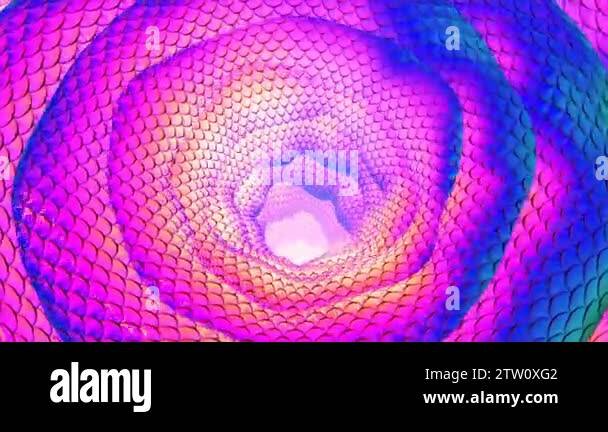
- Artist Branding: Incorporate logos, album artwork, or specific color palettes that reinforce the artist’s identity. Taylor Swift’s “Reputation” tour, for example, heavily featured snake motifs and dark, powerful visuals on massive LED screens, embodying the album’s theme.
- Key Moments: Identify specific performance cues – a guitar solo, a vocal climax, a costume change – where LED effects can dramatically underscore the moment. Consider a hidden lifting platform revealed by a sudden LED flood, or a fireworks finale perfectly synchronized with screen graphics.
Step 2: Choose Your LED Canvas Wisely
The physical stage structure and venue size heavily influence your LED choices.
- Venue vs. Screen Size: For a stadium, massive LED walls (perhaps P6-P10 pixel pitch) are necessary for impact, viewed from hundreds of feet away. For an intimate club, smaller, higher-resolution screens (P2-P4) might be used for close-up detail or even interactive elements.
- Structural Integration: Will the LEDs be flat backdrops, curved ribbons, or integrated into 3D scenic elements? Modern stages often feature multiple levels and unique shapes. Dome stages, for instance, offer immersive sightlines and can be outfitted with internal LED displays for 360-degree visual experiences.
- Budget & Logistics: High-resolution LED screens, especially large custom configurations, represent a significant investment. Consider rental options, power requirements (LEDs can be power-hungry), and rigging complexities.
Step 3: Master the Content Creation
Stunning LED hardware is useless without equally stunning visual content. This is where your chosen narrative truly comes to life.
- Resolution Matching: Always create content at the native resolution of your LED screens to avoid pixelation or stretching. This ensures crisp, clear visuals.
- Content Types:
- Pre-rendered Animations: High-quality videos and animations designed to perfectly sync with specific songs or performance segments.
- Live Feeds: Integrating live camera feeds of the performers onto the LED screens, often with graphic overlays, allows close-up audience engagement.
- Generative Content: Real-time visual effects that react dynamically to audio inputs, creating ever-evolving patterns and colors, popular in EDM and experimental shows.
- IMAG (Image Magnification): Essential for large venues, ensuring everyone gets a clear view of the performer on screen.
- Visual Rhythm: Just like music has a beat, your visuals need rhythm. Vary the speed, complexity, and color palette of your content to match the song’s energy. Avoid visual clutter; sometimes, simplicity makes the biggest impact.
Step 4: Synchronization and Control: The Brains Behind the Beauty
The magic of LED stage design lies in its seamless integration with other show elements.
- DMX Control: Digital Multiplex (DMX) is the standard communication protocol for controlling lighting fixtures, including many LED elements. A DMX controller allows lighting designers to program sequences, change colors, and sync lights with music beats and cues.
- Media Servers: These powerful computers store and playback video content, mapping it across multiple LED screens, often in complex arrangements. They are crucial for handling high-resolution, multi-screen setups.
- Timecode Integration: For truly precise, repeatable shows, a master timecode signal can sync all elements – audio, lighting, video, pyro – ensuring every cue hits at the exact millisecond. This is critical for elaborate productions where timing is everything.
- Resolume Arena, disguise, Hippotizer: These are industry-standard software and hardware platforms used for media server control and complex video mapping, allowing designers to create intricate visual landscapes.
Step 5: Safety and Logistics: The Unsung Heroes
Even the most creative design can fall apart without meticulous planning for practicalities.
- Power Distribution: LEDs require significant and stable power. Plan for dedicated circuits, proper grounding, and redundant power sources if possible. A power surge or outage can halt a show.
- Rigging and Support: LED screens are heavy. Ensure the venue’s rigging points and trussing systems can safely support the weight. Certified rigging professionals are non-negotiable.
- Heat Management: Large LED displays generate heat. Ensure adequate ventilation or cooling systems to prevent overheating and maintain performance reliability.
- Sightlines: Constantly evaluate sightlines from various audience perspectives. Avoid blocking crucial views with LED structures or overly bright elements. Elevated platforms, ramps, and catwalks allow artists to engage without obscuring views.
- Performer Safety: Ensure LED floor panels are non-slip and that any dynamic LED elements don’t pose a physical hazard to performers. Plan clear entry and exit points, even hidden ones.
Common Pitfalls and Pro Tips in LED Stage Design
Even seasoned designers encounter challenges. Knowing what to watch out for can save a lot of headaches.
Pitfalls to Avoid:
- Over-Saturating the Stage: Too many competing visuals can overwhelm the audience and distract from the performer. Simplicity often creates more impact.
- Poor Content Resolution: Using low-resolution content on high-resolution screens results in pixelated, unprofessional visuals. Always match your content to your hardware.
- Ignoring Viewing Angles: Not all audience members will have a head-on view. Design content and place screens to be legible and impactful from various angles. Transparent LED screens can mitigate this by allowing views through the stage.
- Inadequate Power Planning: Underestimating power needs leads to tripped breakers and darkened screens, a show-stopper.
- Lack of Contrast: While vibrant, ensure your LED visuals have enough contrast to stand out against other lighting elements and stage haze.
Pro Tips for Impactful LED Integration:
- Layering Effects: Combine different LED elements (e.g., a main video wall, LED strips on risers, and LED moving heads) to create depth and a multi-layered visual experience.
- Creating Depth: Use foreground and background LED elements, or transparent screens, to give the illusion of deeper space on stage. This draws the eye in.
- Pre-visualization: Utilize 3D software to create a virtual model of your stage design. This allows you to test content, lighting cues, and sightlines before ever setting foot in the venue, saving time and money.
- Redundancy Planning: For critical elements, have backup systems. If one media server fails, can another take over instantly? This prevents show interruptions.
- The “De-Staged” Concept: Explore designs that minimize traditional stage barriers, like the 2024 New Year’s Eve Stage that aimed for a “zero-distance” interactive experience with integrated flowing LED light effects.
Innovating with LED: The Future of Live Show Experiences
The evolution of concert LED stage design is continuous, pushing boundaries and embracing emerging technologies to deliver ever more immersive experiences.
- Projection Mapping on LED: Combining the dynamic output of LEDs with projection mapping on adjacent surfaces can create seamless, extended visual environments that transform the entire venue.
- Interactive Audience Elements: Moving beyond app-controlled lighting, future designs might incorporate biometric feedback or AI-driven visuals that react to crowd energy in real-time.
- Augmented Reality (AR) Integration: While still emerging for live concerts, AR could overlay digital elements onto the physical stage and venue, viewable through audience members’ smartphones or special glasses, creating personalized visual narratives.
- Architectural Integration: Innovative structures like Shelter Dome Stage Domes are increasingly incorporating LED technology directly into their design. These weather-resistant domes can have LED strips, panels, or even full screens built into their modular frames, offering quick installation and stunning visual potential for outdoor festivals. This creates an immersive cocoon for both performers and audience.
- Algorithmic and Generative Art: As AI and real-time rendering become more sophisticated, LED content will increasingly be generated live, creating unique, never-before-seen visual landscapes that react organically to the music and performance.
Quick Answers to Common Questions
Q: What is pixel pitch in LED screens, and why does it matter for concerts?
A: Pixel pitch (e.g., P3, P6, P10) is the distance in millimeters between the centers of individual LED pixels. A smaller pixel pitch means more pixels per area, resulting in higher resolution and a clearer image, especially for close-up viewing. For concerts, designers choose pixel pitch based on the audience’s typical viewing distance. Large stadium screens might use a larger pixel pitch, while screens closer to the stage need a smaller one for detailed visuals.
Q: How do LEDs enhance audience engagement compared to traditional stage lighting?
A: LEDs enhance engagement by providing dynamic, high-resolution visual content that traditional lights cannot. They can display intricate animations, live camera feeds, and immersive backdrops that directly support the artist’s narrative. Interactive LED elements, such as audience-controlled panels or extended runways with integrated LEDs, further bridge the gap between performer and spectator, making the audience feel part of the show.
Q: What’s the difference between SMD and DIP LEDs for stages?
A: SMD (Surface Mounted Device) LEDs integrate red, green, and blue light-emitting diodes into a single, compact package, offering higher resolution, wider viewing angles, and more vibrant colors, making them ideal for most modern indoor and outdoor concert screens. DIP (Dual In-line Package) LEDs have separate red, green, and blue diodes, making them brighter and more robust for very large outdoor applications, but with lower resolution and narrower viewing angles.
Q: How do concert designers sync LED visuals with music?
A: Designers use specialized media servers (like disguise, Hippotizer) and lighting control software (like MA Lighting’s grandMA, Avolites) connected via DMX or Art-Net protocols. For highly precise shows, a master timecode (SMPTE) signal is used, synchronizing all elements—audio, video, lighting, and pyro—to milliseconds, ensuring every visual cue aligns perfectly with the musical performance.
Making Your Vision Shine
Crafting an exceptional concert LED stage design requires a blend of artistic vision, technical acumen, and meticulous planning. Start by deeply understanding the artist’s story and the emotional journey you want to create for the audience. Then, strategically select the right LED technology, ensuring your content is high-resolution and perfectly synchronized. Always prioritize safety, power management, and clear sightlines, and never stop experimenting with new ways to integrate this powerful visual medium. When executed thoughtfully, concert LED stage design doesn’t just illuminate a stage; it ignites an experience.

- Modular Stage Panels Redefine Event Design With Stunning Backdrops - May 24, 2026
- Stage Backdrop Panels Bring Stunning Visuals to Event Stages - May 23, 2026
- Stage Design Models Bring Scenic Concepts To Life - May 22, 2026