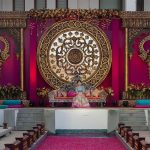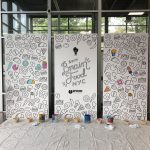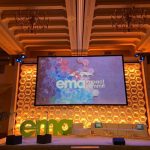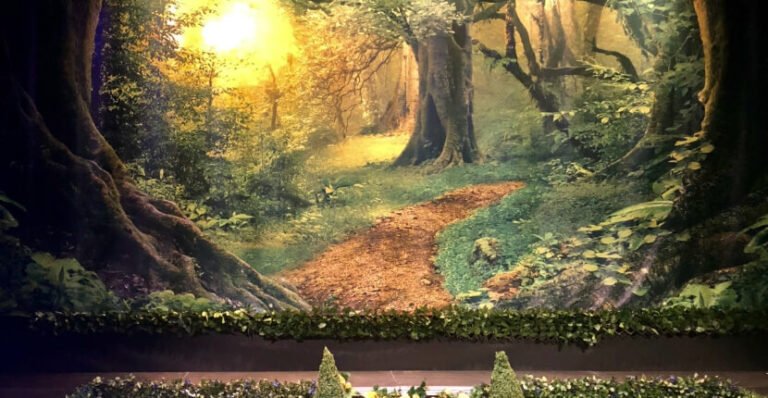
When you’re tasked with transforming an expansive event space, a small banner just won’t cut it. To truly command attention and craft an immersive atmosphere, you need large stage backdrops that fill the visual field, creating unforgettable impact. These aren’t just decorations; they’re monumental statements that define your event’s entire aesthetic, whether for a rock concert, a major corporate announcement, or a theatrical spectacle. Getting them right means understanding the interplay of scale, material, and precision printing.
At a Glance: Crafting Your Monumental Backdrop
- Fabric is King for Large Scale: Discover why specialized fabrics vastly outperform vinyl for stunning, durable, and transportable large backdrops.
- Seamless Production Matters: Learn about the technologies that allow for massive, uninterrupted visuals without visible seams.
- The Power of Dye Sublimation: Understand how this printing method delivers vibrant, high-resolution graphics embedded directly into fabric fibers.
- Design for Impact: Master the essentials of artwork preparation to ensure your large-scale vision translates perfectly from screen to stage.
- Logistics & Lifespan: Get practical insights into handling, installing, and maintaining your investment for repeated use.
Why Scale Matters: The Unrivaled Impact of Large Stage Backdrops
Imagine a stage: It’s the focal point, the storytelling canvas. Now imagine that canvas stretching, without interruption, across the entire visual plane, enveloping your audience in your brand, your theme, or your scenic design. That’s the power of truly large stage backdrops. They aren’t merely decorative elements; they’re immersive environments, effectively extending the performance or presentation into the audience’s perception.
The sheer size allows for intricate details to remain visible from a distance, while bold graphics make an immediate, undeniable statement. For high-stakes events like major concerts, theatrical productions, or large-scale corporate conferences, the backdrop becomes a silent narrator, setting the mood and reinforcing the message in a way no other element can.
Fabric First: The Foundation of a Truly Grand Backdrop
The material choice is perhaps the most critical decision when planning large stage backdrops. While vinyl has its place for smaller, temporary banners, for anything approaching grand scale, specialized fabrics are overwhelmingly superior. Experts agree that fabric backdrops offer unparalleled quality, aesthetic appeal, and practical advantages over their vinyl counterparts.
The Clear Advantage of Quality Fabric
When you’re scaling up, vinyl’s weaknesses become glaring. It tends to produce duller colors, creases easily, can crack or peel, and often has a reflective, glossy finish that creates unwanted glare under stage lights.
Fabric, on the other hand, provides:
- Superior Print Quality: High-resolution prints with vibrant, true-to-life colors and sharp details. The matte finish eliminates glare, ensuring your visuals pop under any lighting.
- Wrinkle Resistance: Most stage fabrics are inherently wrinkle-resistant, or designed to shed wrinkles once hung, ensuring a smooth, pristine look. No more struggling with stubborn creases that distract from your message.
- Durability and Longevity: Fabric backdrops are incredibly robust. Many are machine-washable, and the printing process embeds ink into the fibers, meaning no cracking, peeling, or fading over time. This makes them a smart, reusable investment.
- Portability: Despite their size, fabric backdrops are surprisingly lightweight and can be folded without damage. This makes transport, installation, and storage significantly easier and more cost-effective.
- Elegant Aesthetics: The soft texture and elegant drape of fabric lend a premium, professional feel that vinyl simply cannot replicate.
Choosing Your Fabric: A Palette of Possibilities
The right fabric choice depends on your event’s specific needs, especially when dealing with the scale and lighting demands of a large stage.
- Opaque Fabrics: These are your go-to for blocking light and creating solid, vibrant images. They’re perfect for traditional stage settings where you want complete visual dominance. Think “blackout” back (BOB) materials that completely prevent light from bleeding through, ensuring your projected or printed image remains crisp and undiluted.
- Stretchy Screens (Scrims): For dynamic events requiring projection or backlighting, stretchy fabrics like scrims are invaluable. They offer a unique ability to stretch and conform, creating tension-mounted displays. When backlit or projected upon, they offer a mesmerizing visual depth, making them ideal for concerts and experimental theater.
- Backlit Fabrics: Specifically designed to diffuse light evenly when illuminated from behind, these fabrics create a glowing, vibrant effect. They’re excellent for creating dramatic moods or highlighting specific elements of your design, often seen in retail displays or experiential marketing setups.
- Soft Knit, Trapeze, and Celtic Cloth: These specialized fabrics offer unique textures and drapes, adding a tactile dimension to your backdrop. Soft knit is pliable and drapes beautifully, trapeze offers a subtle pattern, and Celtic cloth provides a robust, textured feel. They can enhance the overall sensory experience of your stage design.
Crucially, all these professional-grade fabrics are designed with safety in mind. They are NFPA 701 Flame Retardant, with some even being Inherently Flame Retardant (IFR), a non-negotiable requirement for public venues and large gatherings.
The Art of Immersive Printing: Dye Sublimation for Grand Scale
Creating stunning, large stage backdrops isn’t just about the fabric; it’s profoundly about the printing process. For fabric backdrops, dye sublimation stands out as the superior method, especially compared to older or less advanced techniques.
Why Dye Sublimation is the Gold Standard
The dye sublimation process is a two-step marvel that permanently infuses ink into the fabric fibers. First, your high-resolution design is printed onto a special transfer paper. Then, using intense heat and pressure, this paper is pressed against the chosen fabric. The heat converts the solid ink dyes directly into a gas, which then permeates and bonds with the synthetic fibers of the fabric. As the fabric cools, the dyes solidify, locking the image permanently within the material.
This method delivers several critical advantages, especially for large formats:
- Unrivaled Vibrancy and Depth: Colors are incredibly rich, deep, and true to your design, maintaining their brilliance even when stretched across vast expanses.
- Exceptional Detail and Clarity: The ink becomes part of the fabric, meaning no loss of detail, even for intricate graphics or fine text, which is vital for high-resolution impact.
- Permanent, Washable Prints: Since the ink is embedded, it won’t crack, peel, or fade. Many dye-sublimated fabric backdrops can be machine washed, extending their lifespan and maintaining their pristine appearance over many uses.
- Smooth, Non-Stiff Finish: Unlike “Direct-to-Fabric” printing, which can leave a stiff, crusty feel and result in dull colors or wrinkles, dye sublimation leaves the fabric soft, flexible, and entirely free of stiffness.
Seamless or Stitched? Navigating Large Format Production Realities
One of the biggest challenges—and triumphs—in creating large stage backdrops is achieving an uninterrupted visual. The question of “seamless” is paramount.
While some vinyl banner providers can offer seamless options up to 16 feet wide, for truly monumental fabric backdrops, the capabilities are far more impressive. Specialized printers can produce seamless fabric pieces up to 40+ feet wide. Even for backdrops that exceed these widths or heights, advanced techniques allow for strategic, nearly invisible splicing. Some providers can achieve backdrops up to 50 feet high without any visible seams, expertly joining panels in a way that viewers won’t discern from a distance.
This seamless capability is a game-changer. It means your brand logo, intricate scenic design, or high-definition imagery can span the entire stage without distracting lines or breaks, ensuring a fluid and professional presentation.
To delve deeper into how these specialized custom backdrops elevate events, you can explore the broader guide on how to Elevate events with custom backdrops.
Designing for Scale: Artwork & Resolution for Monumental Visuals
Translating a design from a small screen to a colossal backdrop requires a specific approach to artwork preparation. This isn’t just about making an image bigger; it’s about optimizing it for massive reproduction.
Essential Artwork Guidelines
- Vector Files are Non-Negotiable: For any design involving logos, text, or sharp graphics, vector files (.ai, .eps, .svg, .pdf) are crucial. Unlike raster images (like JPEGs or PNGs), vector graphics are mathematically defined and can be scaled infinitely without any loss of quality or pixelation. This is paramount for large stage backdrops.
- High-Resolution Raster Images: If your design includes photographic elements, ensure these are provided at the highest possible resolution. While vector is preferred, high-DPI raster images can work, but they must be reviewed by your printer to ensure they will hold up at the desired final size. Don’t rely on web-resolution images.
- Color Accuracy: Use CMYK color profiles for print, rather than RGB (which is for screens). Provide specific Pantone (PMS) color codes if exact brand color matching is critical.
- Bleed and Safe Zones: Always discuss bleed (extra image beyond the trim edge) and safe zones (area where no critical text or graphics should be placed) with your backdrop provider. This prevents unintended cropping or elements being too close to the edge after finishing.
Case Snippet: A global tech company planned its annual keynote, featuring a 30ft x 15ft backdrop with their detailed new product render. They initially provided a high-resolution JPG. Their backdrop specialist advised converting the product render elements into a vector format and ensuring the photographic background was at least 300 DPI at 1/10th scale. This meticulous preparation ensured the final product looked incredibly sharp, even when projected onto by stage lighting.
Beyond the Print: Durability, Safety, and Portability
The true value of a large fabric stage backdrop extends far beyond its initial stunning appearance. Its long-term utility is built into its design and material properties.
Finishes That Enhance and Endure
Professional backdrop production includes a range of finishing options that boost functionality and lifespan:
- Reinforced Edges: Strong webbing or double-stitched hems prevent fraying and provide robust anchor points.
- Grommets: Metal eyelets strategically placed along the edges for easy hanging with ropes, bungee cords, or carabiners.
- Heavy-Duty Rigging Loops: For exceptionally large or heavy backdrops, integrated loops designed for professional stage rigging systems ensure secure, safe installation.
- Velcro Strips: Ideal for modular designs or quick changes, allowing panels to be attached and detached easily.
- Pole Pockets: Fabric sleeves sewn into the top and/or bottom for inserting poles, creating a smooth, taut display.
Safety First: Fire Retardancy
Public safety is non-negotiable. As previously mentioned, all reputable large stage backdrops are manufactured to meet stringent fire retardancy standards, most notably NFPA 701. This certification ensures the fabric will not contribute significantly to a fire, providing crucial peace of mind for event organizers and venue managers. Always verify these certifications with your supplier.
The Portability Advantage
Consider a large vinyl banner: it’s heavy, rigid, and prone to creasing if not rolled carefully. A large fabric backdrop, however, can often be folded down to a surprisingly compact size, fitting into a manageable carrying bag. This drastically reduces shipping costs, simplifies transportation to and from venues, and makes storage hassle-free. This reusability over multiple events contributes significantly to the overall cost-effectiveness, turning an expense into a long-term asset.
Installation & Logistics: Bringing Your Vision to Life
Even the most beautiful large backdrop needs to be installed correctly to look its best. This often requires careful planning and a clear understanding of your venue’s capabilities.
Key Installation Considerations
- Venue Infrastructure: Before ordering, understand what rigging points, truss systems, or wall structures are available at your venue. Communicate these details to your backdrop provider.
- Weight & Wind Load (Outdoor Events): Fabric backdrops are lighter than vinyl, but for outdoor installations, consider wind slits or mesh fabrics to reduce wind resistance and prevent damage. Always consult with structural engineers for large outdoor installations.
- Crew & Equipment: For truly large stage backdrops (e.g., 40ft wide or 50ft high), you’ll need a dedicated installation crew and potentially lift equipment (scissor lifts, boom lifts) to ensure safe and proper hanging.
- Wrinkle Management: While fabric is wrinkle-resistant, tight folding during transport can still cause some minor creases. Once hung, gravity often smooths these out. For stubborn wrinkles, a fabric steamer can be used carefully, but never an iron directly on the printed surface.
Practical Playbook for Your Next Large Backdrop Project:
- Define Your Scale & Impact: How big do you need it to be? What visual impact are you chasing?
- Choose Your Fabric Wisely: Opaque for solid visuals, scrim for projections, backlit for glow. Always prioritize fire retardant materials.
- Optimize Artwork from Day One: Provide vector files whenever possible. If raster, ensure extremely high resolution.
- Discuss Seamlessness Requirements: Understand the maximum seamless width achievable and how any necessary seams will be managed (e.g., invisible splicing).
- Specify Finishing Options: Grommets, pole pockets, or rigging loops should match your installation plan.
- Plan Logistics Early: Account for production time (up to 10 days for large backdrops), shipping, and installation crew needs.
Quick Answers: Addressing Common Concerns
Q: Can I use a large stage backdrop outdoors?
A: Yes, many large fabric backdrops are suitable for outdoor use. However, for large installations, consider fabrics designed to handle wind load (e.g., mesh or scrim) and ensure your rigging is robust enough to withstand potential weather conditions. Always confirm with your provider.
Q: How do large fabric backdrops compare in cost to vinyl?
A: While the initial per-square-foot cost might be slightly higher for fabric, the long-term cost-effectiveness is superior. Fabric backdrops are durable, machine-washable, and resistant to cracking/peeling, making them reusable for many events. This significantly reduces costs compared to constantly replacing less durable vinyl alternatives. Plus, full-color printing on fabric often incurs no additional cost.
Q: What’s the typical production time for a large stage backdrop?
A: Production times vary based on size and complexity. Smaller backdrops might take 3-5 business days, while very large or complex backdrops can take up to 10 business days. It’s always best to plan ahead and discuss timelines with your supplier.
Q: Will the colors fade over time, especially with washing?
A: With dye sublimation printing, the inks are permanently embedded into the fabric fibers. This makes them highly resistant to fading, even after multiple machine washes. They are designed for long-term vibrancy and durability.
Q: How do I store a large fabric backdrop?
A: Simply fold it neatly and store it in a clean, dry, and cool place, preferably in a protective bag. Its lightweight and foldable nature means you don’t need large, specialized storage solutions like you might for rigid banners.
Bringing Your Vision to Life, Magnified
Creating stunning large stage backdrops is about more than just printing a picture. It’s an intricate dance between superior materials, advanced printing techniques, and meticulous planning. By prioritizing quality fabric and dye-sublimation, understanding artwork demands, and considering the full lifecycle from design to installation, you can deliver an unrivaled visual experience that truly leaves a lasting impression on any audience, on any stage.

- Simple DIY Portable Stage Solutions for Easy Event Setup - May 30, 2026
- How to Build a DIY Wood Fold Out Stage - May 29, 2026
- Building a DIY Stage for Your Next Performance - May 28, 2026