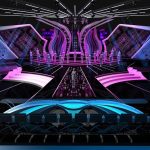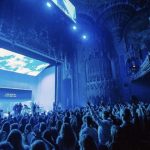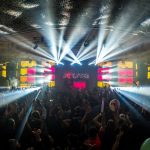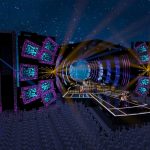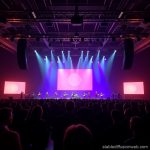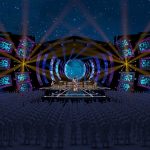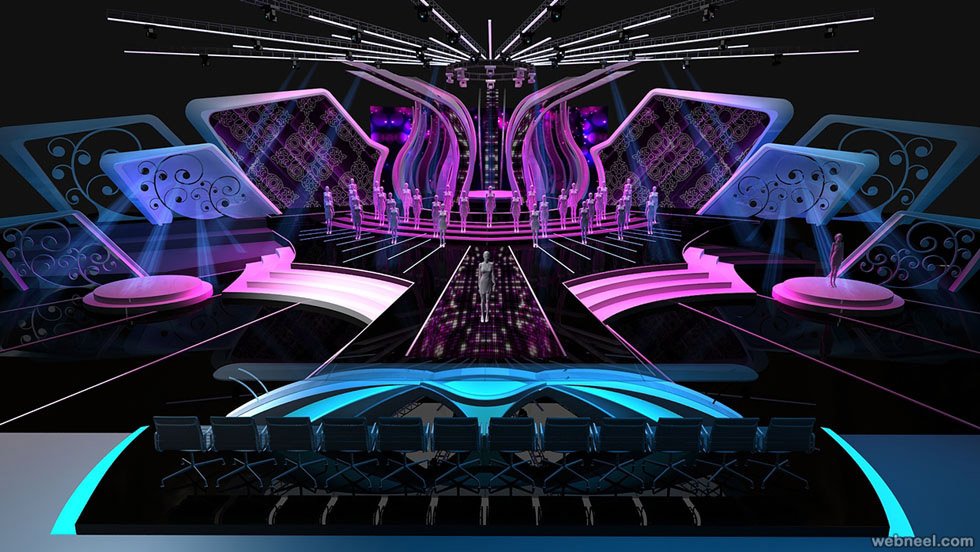
When audiences flock to a concert, they aren’t just buying tickets for the sound; they’re investing in an experience. Truly cool concert stages deliver mind-blowing visuals that transform a performance into an immersive spectacle, making the live music experience unforgettable. It’s about engaging every sense, turning a momentary show into a lasting memory that resonates long after the final note.
The magic happens when sound meets sight, when the stage itself becomes a living, breathing extension of the music. From synchronized light shows to dynamic backdrops and innovative structures, every element plays a role in choreographing an emotional journey for the audience.
At a Glance: Crafting Visually Stunning Stages
- Beyond Sound: Discover how visual elements engage all senses for a truly immersive show.
- Key Design Pillars: Understand the critical roles of lighting, backdrops, stage structure, and advanced tech.
- Practical Steps: Get a clear roadmap for designing your own visually compelling stage.
- Iconic Inspirations: Learn from the groundbreaking designs of U2, Beyoncé, and Lady Gaga.
- Innovative Solutions: Explore how mobile stages and unique structures offer dynamic visual possibilities.
- Audience First: Prioritize engagement and clear sightlines in every design decision.
Why Visuals Make the Concert Experience Unforgettable
A concert isn’t merely an auditory event; it’s a full-sensory dive into an artist’s world. Thoughtful concert stage design sets the tone and energy, translating event concepts into striking visual cues. Imagine sleek LED strips defining an EDM show’s pulsing rhythm or reclaimed wood evoking a cozy acoustic set’s warmth—these choices guide the audience’s emotional journey before a single note is played.
Beyond mood-setting, dynamic visuals dramatically improve audience engagement. Consider 360-degree stages that offer equal sightlines to everyone, or interactive elements where the crowd influences the lighting. These design choices don’t just put performers on display; they pull the audience into the performance, making them part of the spectacle. A truly cool concert stage reinforces the event’s theme and branding, using custom backdrops, consistent color palettes, and even subtle product integrations to create a cohesive, memorable identity.
The Essential Elements of a Visually Powerful Stage
Creating a mind-blowing stage is an intricate art form, relying on the seamless integration of several key elements. Each component works in concert to build an immersive environment that enhances the live music experience beyond just sound.
Lighting: The Master of Mood and Focus
Lighting is arguably the most pivotal element, acting as the primary tool for setting the scene and altering the atmosphere. Advanced techniques go far beyond simple illumination, orchestrating synchronized light shows, laser beams, and dynamic color shifts. Spotlights draw attention to performers, while floodlights wash the stage in color, and LED panels display intricate moving visuals. The right lighting can make a small stage feel vast or a large arena intimate.
Backdrops: Setting the Scene and Story
Backdrops are crucial for providing visual context and enhancing the narrative of a performance. These can range from static images to elaborate moving visuals, with high-definition LED screens offering incredible versatility. They can transport the audience to different worlds, display lyrics, or present abstract art that complements the music, making every moment visually distinct. Modern LED screens are now powerful enough to act as the central visual element, often replacing traditional static sets.
Stage Structure: Beyond a Flat Platform
The physical structure of the stage itself is a fundamental design element, featuring multiple levels, moving parts, and unique shapes. Elevated platforms, ramps, and catwalks allow artists to move dynamically, engaging with the audience from various vantage points. A well-designed stage ensures clear sightlines from every angle and accommodates performers, dancers, props, and special effects seamlessly. Think of stages that transform mid-show or have hidden elements revealed at dramatic moments; these structural innovations are key to a cool concert stage.
Advanced Technology: Pushing Visual Boundaries
Modern concert stages leverage cutting-edge technology to create truly interactive and immersive environments. Projection mapping, for instance, can transform any surface into a dynamic display, making static objects appear to move or change texture. Interactive elements like audience-controlled LED panels or AR filters bring the crowd directly into the visual experience, blurring the lines between performer and spectator. This fusion of design and technology allows for unprecedented creative freedom.
To dive deeper into the foundational principles that govern how these elements come together, you can Master immersive stage design. This broader guide provides a comprehensive framework for understanding the art and science behind truly impactful concert visuals.
Designing Your Visual Spectacle: A Practical Playbook
Crafting a visually stunning stage involves a structured approach, ensuring every decision contributes to the overall immersive experience. Here’s a step-by-step guide to bring your vision for a cool concert stage to life.
1. Outline the Event’s Visual Purpose
Before sketching anything, define the core visual identity. What’s the music genre? (e.g., electronic dance music needs vibrant, fast-paced visuals; folk music might lean towards organic, understated aesthetics). What’s the performance style? (Minimalist for a solo artist, or ample space for a rock band with dancers). Identify key moments, such as a fireworks finale or a surprise hidden lifting platform, that demand specific visual treatments. Also, consider your target audience��family-friendly shows might use bright, whimsical visuals, while adult-only events can explore more edgy or abstract themes.
2. Determine Stage Size and Shape for Visual Impact
The physical dimensions of your stage heavily influence visual possibilities. For a 5-piece band, you might need around 200 sq ft, while a 20-person orchestra could require 600+ sq ft. Consider the venue type: a high ceiling in an indoor arena allows for towering LED walls and intricate rigging, whereas outdoor stages need weather-resistant structures. Experiment with shapes beyond the classic proscenium: T-shaped stages, circular setups, or even dome structures can offer 360-degree views, bringing the visuals closer to every audience member.
3. Plan the Set Design: Backdrops, Props, and Features
This is where the visual storytelling truly begins. Sketch out the main components, including backdrops—will it be a massive LED screen, an intricate fabric design, or 3D scenic elements? Plan props like risers and scaffolding to add verticality and depth. Allocate space for critical technical equipment like mixing consoles and lighting boards, ensuring they are integrated visually or discreetly hidden. Don’t forget performer entry/exit points; hidden tunnels, rotating doors, or hydraulic lifts can create dramatic, visually stunning entrances and exits.
4. Choose a Cohesive Color Scheme
Color dictates mood. Harmonize your palette with the venue’s existing aesthetics. Indoor venues with warm wood interiors might suit deep jewel tones or warm neutrals, enhancing elegance. Outdoor festivals, conversely, allow for bright neons or bold, energetic colors. For a folk show, muted earth tones might be more appropriate. Define a dominant, secondary, and accent color palette, then test these colors under the actual event lighting to ensure they translate as intended, avoiding harsh or clashing visuals.
5. Select Dynamic Stage Lights
Lighting is the paintbrush for your visual canvas. Use spotlights to highlight solo performers, making them pop. Wash lights provide overall stage color and can dynamically change the entire mood of a scene. Laser lights are perfect for high-energy moments, cutting through smoke and creating breathtaking patterns. Define distinct lighting zones: front washes illuminate faces, backlights add depth, and floor lights create dramatic silhouettes. Utilize DMX controllers to sync light changes precisely with the music, choreographing a visual dance that mirrors the auditory one.
6. Integrate Audio and Visual Equipment Thoughtfully
Visuals and audio must work in harmony. For audio, position line array speakers strategically above the stage to project sound evenly, and monitor speakers facing performers to ensure they hear themselves clearly. Noise-cancelling technology can prevent feedback. For visuals, select screen layouts appropriate for the venue size: massive LED walls dominate stadiums, while projection surfaces might be more suitable for smaller spaces. Incorporate interactive tools like ground projection or AR filters to add an extra layer of engagement. Visuals must complement, not distract from, the sound.
Iconic Stages: Learning from the Masters of Visual Immersion
Some of the most memorable concerts weren’t just about the music; they were about the sheer audacity and brilliance of their stage designs. These cool concert stages set new benchmarks for visual storytelling and audience immersion.
U2’s 360° Tour (“The Claw”): A Colossus of Visual Innovation
U2’s “The Claw” was a monumental four-legged structure that redefined stadium concerts. Its 360-degree configuration ensured an unobstructed view for every fan, while a central cylindrical screen expanded and contracted, creating dynamic visual effects. Designed by Mark Fisher and Willie Williams, it showcased how structural innovation combined with responsive visuals could create a truly immersive and technologically advanced experience, becoming a visual icon in its own right.
Beyoncé’s Coachella 2018: A Cultural Homecoming
Beyoncé’s “Beychella” stage was a masterclass in thematic integration and cultural homage. Designed as a homecoming, it featured a giant pyramid structure that served as a backdrop for a marching band and elaborate choreography. The visual identity of the stage, steeped in collegiate aesthetics and Black cultural references, transcended mere performance to become a significant cultural moment, proving that powerful visuals can amplify narrative and meaning.
Roger Waters’ The Wall Live: Storytelling Through Destruction
Roger Waters’ “The Wall Live” tour featured a massive, literal wall built and destroyed throughout the concert. This stage wasn’t just a backdrop; it was a character in itself, serving as a symbolic and physical barrier to display political messages and animations. Its dramatic construction and demolition enhanced Pink Floyd’s narrative of isolation and rebellion, making it a powerful visual extension of the music’s themes.
Lady Gaga’s The Monster Ball Tour: A Theatrical Journey
Lady Gaga’s “The Monster Ball Tour” was a theatrical masterpiece with multiple distinct scenes. The stage transformed with a New York City backdrop, giant rotating monsters, and subway cars, offering unique transitions between different narrative realms. Each visual transformation deepened the theatricality of the show, proving that a concert stage could be as dynamic and narrative-driven as a Broadway production.
Kanye West’s Saint Pablo Tour: Floating Minimalism
Kanye West’s “Saint Pablo Tour” featured an innovative floating stage that hovered above spectators. This minimalistic design put the artist in the spotlight, allowing him to interact with the crowd from above. Enhanced by surreal lights and foggy effects, the stage created an otherworldly atmosphere, demonstrating how simplicity and elevation could still produce a profoundly unique and visually striking experience.
Taylor Swift’s Reputation Stadium Tour: Pyrotechnics and Snake Motifs
Taylor Swift’s “Reputation Stadium Tour” was a spectacle of scale and symbolism. It featured a huge screen backdrop for cinematic visuals, powerful pyrotechnics, and multiple stages linked by extensive catwalks, allowing Swift to traverse the entire stadium. The stage designs constantly changed per song, consistently incorporating snake motifs that were central to the tour’s branding, proving how consistent visual storytelling can reinforce an artist’s narrative.
Beyond the Arena: Mobile and Innovative Structures
Not every cool concert stage needs to be a permanent fixture in a stadium. Mobile solutions and innovative structures are revolutionizing how and where immersive concert experiences can happen.
Mobile Stages: Bringing the Spectacle to You
Companies like Mobile Stage USA offer robust, adaptable mobile stages that provide large-scale production capabilities with quick setup times.
- STAGELINE SL260: A touring workhorse, this stage boasts a 32′ x 24′ floor base and can be set up by 2 people in 1-4 hours, rigging up to 18,500 lbs. It’s a testament to efficient, impactful design.
- STAGELINE SL320: For a larger footprint, the SL320 offers a 40′ x 40′ base and a rigging capacity of 26,000 lbs, ideal for significant events needing a grand stage presence without a permanent build.
- APEX 4240: Known for its unobstructed load-in/out and high load ratings, the APEX 4240 (42′ x 40′ base, 42,000 lbs rigging) allows for versatile dual stage positioning, enhancing visual flexibility.
- SAM 575: Built for demanding outdoor productions and large crowds (10,000+), the SAM 575 (50′ x 38′ base, 94,000 lbs rigging) includes a full covered wing system and upstage crossover, proving that mobile doesn’t mean compromising on scale or visual complexity.
These mobile solutions aren’t just platforms; they integrate LED Video Walls, Pro Audio Systems, and Lighting Systems, ensuring a comprehensive visual and auditory experience on the go.
Innovative Dome Stages: Unique Visual Flair
For a visually distinctive and functional approach, structures like Shelter Dome Stage Domes offer an innovative solution. These domes combine striking design with practical functionality, made from weather-resistant materials (waterproof fabric, wind-rated frames) ideal for outdoor shows. Their quick installation, custom access tunnels to backstage, and multiple utility ports make them highly adaptable. Customizable accessories like LED strip accents can be added, ensuring these stages overcome outdoor challenges while adding a unique, futuristic flair that instantly reads as a cool concert stage.
Quick Answers to Common Questions
What makes a concert stage “cool”?
A “cool concert stage” goes beyond basic functionality, offering innovative visuals, immersive technology, unique structural designs, and powerful storytelling that elevates the audience experience. It’s about creating a spectacle that’s memorable, engaging, and often groundbreaking.
How much does it cost to build a visually spectacular stage?
Costs vary wildly. A complex stadium stage with massive LED walls, projection mapping, and hydraulic lifts (like U2’s “The Claw”) can cost millions. Mobile stages or simpler custom setups for smaller venues can range from tens of thousands to hundreds of thousands of dollars, depending on technology and scale. The key is to match ambition with budget.
Can a small venue have a “cool” stage?
Absolutely. A small stage can be incredibly cool through creative lighting, clever projection mapping on existing surfaces, unique backdrops, and strategic use of simple props and performer engagement. The scale changes, but the principles of immersive design remain. Focus on impact and atmosphere over sheer size.
What are common pitfalls to avoid in stage design?
Neglecting sightlines, overcomplicating the design without a clear purpose, poor integration of audio/visuals (e.g., lights blinding cameras or performers), underestimating setup/teardown times, and ignoring safety standards are common pitfalls. Always prioritize functionality and audience experience.
Your Path to a Visually Stunning Stage
Creating a truly cool concert stage is about intentional design that prioritizes the audience’s journey and complements the music. Start by defining your event’s unique visual purpose, considering the genre, performance style, and target audience. From there, strategically plan your stage’s size and shape, ensuring it allows for optimal visual impact and performer movement.
Invest in dynamic set pieces, intelligent lighting, and cutting-edge technology like LED screens and projection mapping. Remember that every element, from the color scheme to the choice of a mobile dome, contributes to the overall immersive experience. With a clear vision and a methodical approach, you can craft a stage that not only supports the performance but becomes a memorable showstopper in its own right.