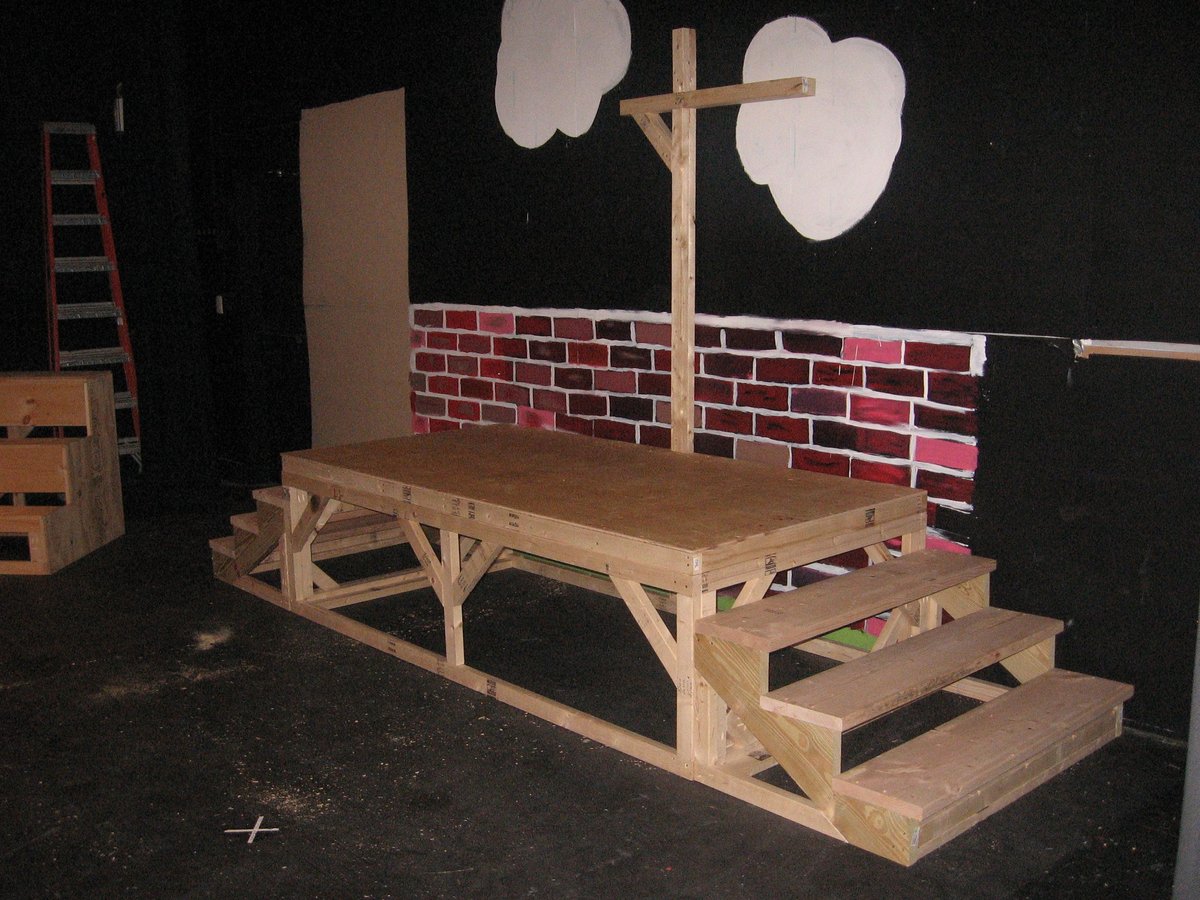
A humble platform might seem like a simple concept, but a well-designed raised stage platform can utterly transform any event, turning a mere gathering into a memorable performance, ceremony, or presentation. Imagine the scene: a bland conference room suddenly gaining a focal point, a sprawling outdoor field becoming a concert venue, or a community park hosting a vibrant festival. It all begins with elevating the action.
At a Glance: Why a Raised Stage Platform Matters
- Creates a Focal Point: Instantly draws attention to speakers, performers, or honorees.
- Enhances Visibility: Ensures everyone in the audience can see the action, even in large crowds.
- Boosts Professionalism: Lends an air of legitimacy and importance to any event.
- Offers Versatility: Adaptable for indoor, outdoor, large, or small gatherings.
- Improves Acoustics (Often): Elevating sound sources can help distribute audio more effectively.
- Provides a Defined Space: Clearly delineates the performance or presentation area.
Elevating Your Event Experience: The Power of a Raised Platform
In the world of event planning, presentation is paramount. Whether you’re orchestrating a rock concert, a crucial commencement ceremony, a product launch, or even a backyard talent show, the visual impact of a raised stage sets the tone. It’s more than just a surface; it’s a statement that says, “Something important is happening here.”
For outdoor events, especially, a mobile performance platform provides unparalleled flexibility. Instead of the significant investment and ongoing maintenance of permanent structures, these portable stages bring the professional setting directly to your chosen location, ready to transform any space into a dynamic venue. This ease of deployment, often with hydraulically powered, one-person setup, is a game-changer for event organizers, allowing for rapid configuration and breakdown wherever needed. If you’re looking for a deeper dive into what makes these platforms so essential, you might appreciate our Guide to stage platforms.
The Anatomy of a Modern Stage Platform: Built for Durability
Today’s raised stage platforms are engineered for performance and longevity, especially those designed for demanding outdoor use. Manufacturers like Century Industries focus on robust, weather-resistant materials to ensure years of dependable service. You’ll often find components like:
- Galvanized Steel Frames: Provides foundational strength and corrosion resistance against the elements.
- Aluminum Stage Deck Surfaces: Lightweight yet incredibly durable, offering a slip-resistant performance area.
- Aluminum Perimeter and Guard Rails: Essential for safety, these rails protect performers and equipment.
- Plated or Galvanized Assembly Hardware: All fasteners are treated to resist rust and wear.
These material choices aren’t accidental; they reflect a commitment to creating stages that can withstand everything from harsh sun and driving rain to the rigors of frequent transport and setup. A mechanical compartment often encloses and secures the hydraulic actuation system on mobile units, safeguarding the intricate mechanisms that allow for quick deployment.
Mobile vs. Modular: Tailoring Your Stage Solution
Not all raised stages are created equal, and understanding the differences between highly mobile, self-contained units and modular systems is key to choosing the right fit for your needs.
The Highway Mobile Performance Platform
Imagine a stage that rolls directly to your event location on its own chassis, much like a trailer. These “highway mobile” units, as described by Century Industries, are self-contained powerhouses. They offer significant depth, often configurable as a 24-foot or 15-foot deep stage with an 8.5-foot high backdrop, and set up quickly, often in minutes, with just one person thanks to hydraulic power.
Their design often incorporates dedicated storage space within the folded unit for supporting stairs, tables, chairs, and other equipment, making them incredibly efficient for large-scale outdoor events. This type of stage is perfect for community concerts, large festivals, parade review stands, or significant ceremonies like commencements or change-of-command events, providing a professional and weatherproof focal point wherever it’s needed.
Portable Modular Stage Systems
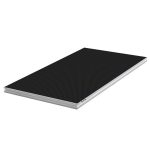
On the other end of the spectrum are smaller, modular stage platforms. These are individual deck sections that connect to form a custom stage of almost any size or configuration. Companies like Victory Display offer portable stage platforms that are heavy-duty yet designed for versatility and easy transport.
These units often feature a hinged top and snap-on corner connectors for fast assembly and even offer gear storage within their compact design. They collapse down significantly, often fitting into a car trunk, making them ideal for:
- Smaller Venues: Classrooms, community centers, small halls.
- Specific Needs: Drum risers, DJ stages, kids’ performance areas.
- Backyard Events: Elevating a speaker or performer at a private gathering.
- Indoor/Outdoor Flexibility: Designed to perform in various environments.
The beauty of modular systems lies in their scalability and adaptability. You can start with a basic 4’x3′ platform and expand it with additional units as your needs grow. If you’re interested in making your stage setup more dynamic and visually appealing, you might also consider Explore Portable Set Design.
Key Considerations When Choosing Your Raised Stage
Selecting the right raised stage platform involves more than just picking the first option you see. A thoughtful approach ensures your investment delivers maximum impact and utility.
Size and Capacity Requirements
First, consider the scope of your events. How many performers or speakers will be on stage simultaneously? What kind of equipment will they need?
- Small Events: A few 4’x3′ modular sections might suffice for a DJ or a small acoustic act.
- Medium Events: Multiple modular sections or a mid-sized mobile unit might be needed for a band or a panel discussion.
- Large Events: Full-scale highway mobile units (e.g., 24-foot deep stages) are ideal for large orchestras, theatrical productions, or major ceremonies.
Always factor in the weight capacity of the stage as well, especially if heavy equipment like drum kits, large speakers, or multiple performers will be present.
Indoor vs. Outdoor Durability
This is a critical distinction.
- Outdoor Stages: Must be built with weather-resistant materials (galvanized steel, aluminum, treated wood surfaces) and designed to withstand wind, rain, and UV exposure. Look for features like secure guard rails and non-slip surfaces. The Century Performance Platform is a prime example of an outdoor-ready solution.
- Indoor Stages: While still durable, they might not require the same level of weatherproofing. Focus instead on ease of assembly, aesthetic finish, and stability on various indoor floor types.
Setup Speed and Portability
How quickly do you need your stage to be operational, and how often will it move?
- Hydraulic Mobile Stages: Offer the fastest setup (minutes with one person), making them ideal for event companies or organizations with frequent, large-scale outdoor needs.
- Modular Systems: Require manual assembly of individual sections. While generally straightforward, a larger stage will naturally take more time and manpower. Their compact folded size, however, makes them incredibly easy to transport in standard vehicles. For those on a budget, exploring Affordable stage platforms can yield surprisingly versatile options that still prioritize ease of setup.
Accessories and Customization Options
A stage is rarely just a flat surface. Think about what will complete your event’s look and functionality:
- Stairs and Ramps: Essential for safe access, especially for performers with equipment or those with mobility challenges.
- Guard Rails: Crucial for safety on elevated platforms, preventing falls.
- Skirting: Fabric panels that attach to the stage perimeter, concealing the underside and providing a polished look.
- Backdrops and Scrims: Can enhance aesthetics, provide branding opportunities, or create a specific atmosphere. The 8.5-foot high backdrop on some mobile stages can be a great starting point for this.
- Lighting and Sound Mounts: Integrated options can streamline event production.
- Storage Solutions: Some portable stages, like the Victory Display model, even offer integrated storage for small gear, which can be a huge convenience.
These “stage pieces” are more than just add-ons; they’re integral to the overall user experience and safety. Considering these elements early on can save you headaches later. If you’re designing a complex event, delving into options for Exploring theatrical set pieces might spark further ideas.
Beyond the Bandstand: Creative Uses for Raised Stages
While “stage” often conjures images of rock bands and theatrical performances, the utility of a raised stage platform extends far beyond traditional entertainment. Their inherent versatility makes them invaluable across a spectrum of events.
- Parade Review Stands: Elevate dignitaries or judges to provide the best vantage point for observing a procession.
- Commencement and Change of Command Ceremonies: Provide a dignified and visible platform for speakers, honorees, and official proceedings, ensuring every attendee feels part of the moment.
- Public Speaking Engagements: From town halls to corporate presentations, a raised platform gives speakers authority and ensures they are seen and heard.
- DJ Booths and Drum Risers: Essential for musicians and DJs, providing a dedicated, elevated space that improves sound projection and visual presence.
- Educational Settings: Classrooms can benefit from small platforms for student presentations, debates, or school plays, fostering confidence and engagement.
- Backyard Events and Community Festivals: Turn a casual gathering into a professional-looking event, whether it’s for a local band, an award ceremony, or a pop-up market performance. For these more intimate settings, you might want to Explore small outdoor stages designed for easy setup and transport.
- Product Launches and Demonstrations: Highlight new products or showcase demonstrations effectively, ensuring maximum visibility for potential customers.
- Photo Shoots and Filming Locations: Create a dynamic set piece for photography or video production, allowing for varied angles and compositional depth.
The adaptable nature of both large mobile stages and smaller modular units means your investment can serve a multitude of purposes, maximizing its return over time.
Assembling Your Raised Stage: DIY vs. Professional Setup
The process of setting up a raised stage platform varies significantly based on its type.
- Hydraulic Mobile Stages: These are designed for ultimate efficiency. A single person can often operate the hydraulic system to deploy the stage in a matter of minutes. The complexity here lies in understanding the specific machinery and safety protocols, but the physical labor is minimal. Think of it as operating a piece of heavy equipment.
- Modular Stages: These involve more manual labor but are generally straightforward. You’ll typically connect individual deck pieces using interlocking mechanisms, clamps, or snap-on connectors. While it might take a few people to move and align larger sections, the process is intuitive. Always follow the manufacturer’s instructions carefully to ensure stability and safety. Start with the base, add legs or supports, then position and secure the deck panels. Ensure all connections are tight before anyone steps onto the stage.
Regardless of the type, always conduct a final safety check. Verify all locking mechanisms are engaged, guard rails are securely installed, and the stage is level and stable.
Maintenance and Longevity: Keeping Your Platform Prime
A raised stage platform is an investment, and proper care ensures it remains a star attraction for years.
- Cleaning: Regularly clean deck surfaces, especially after outdoor events. Use mild soap and water for aluminum and treated wood surfaces. Promptly remove any spills or debris.
- Inspection: Before and after each use, inspect all components for wear and tear. Look for loose bolts, damaged decking, bent rails, or any signs of structural fatigue. Pay close attention to welding points and connection hardware.
- Lubrication (for Hydraulic Systems): If you have a hydraulic stage, follow the manufacturer’s guidelines for lubricating moving parts and checking fluid levels. This ensures smooth operation and prevents premature wear.
- Storage: Store stages in a dry, protected environment when not in use. Even weather-resistant materials benefit from being shielded from prolonged exposure to extreme conditions. If your mobile stage can transport supporting equipment when folded, utilize that feature to keep everything together and organized.
- Hardware Check: Ensure all galvanized or plated assembly hardware (bolts, nuts, pins) is intact and tightened. Replace any corroded or damaged parts immediately to maintain structural integrity.
By adhering to a routine maintenance schedule, your raised stage platform will consistently deliver professional performance, event after event.
Common Questions About Raised Stage Platforms
Let’s address some of the most frequent queries people have when considering a raised stage platform.
How high can a portable stage platform go?
The height of a portable stage platform can vary significantly. Smaller modular systems typically offer adjustable leg heights, often ranging from 8 inches to 24 or 32 inches. Larger, more robust systems or custom setups can achieve greater heights, sometimes several feet, especially when designed for concerts or major outdoor events. Always check the manufacturer’s specifications for safe maximum height.
Are raised stages safe for outdoor events in bad weather?
Many raised stage platforms are specifically designed for outdoor use and are built with weather-resistant materials like galvanized steel and aluminum. They are engineered to withstand rain, wind, and sun. However, “bad weather” can mean many things. Extreme wind conditions may require additional tie-downs or even lead to event cancellation due to safety concerns for performers and attendees. Always consult local regulations and manufacturer guidelines regarding wind loads and specific weather limitations.
Can I build my own raised stage platform?
While technically possible, building a DIY raised stage platform carries significant risks, especially concerning structural integrity and safety. Professional stages are engineered to safely bear specific weight loads and withstand dynamic forces. For public events, liability concerns alone make a professionally manufactured and certified stage a much safer and wiser choice. If you’re just looking for a small riser for personal use, ensure any DIY project is meticulously planned and constructed with safety as the absolute priority.
What’s the difference between a stage deck and a riser?
A stage deck is typically a larger, modular section that makes up the main surface of a stage. Decks connect together to form the overall stage area. A riser is generally a smaller, single-piece elevated platform, often used to highlight an individual performer (like a drum riser or a speaker’s podium) or to create multiple levels on a larger stage. Functionally, a riser is a type of small, raised platform.
Taking the Stage: Making an Informed Decision
A raised stage platform is far more than just a piece of equipment; it’s a foundational element that shapes the entire experience of an event. It commands attention, facilitates visibility, and broadcasts professionalism, turning ordinary spaces into extraordinary venues. From a rapidly deploying, hydraulic mobile unit for a large community festival to a compactly folding, modular setup for a classroom presentation, the options are designed to meet diverse needs.
When you’re ready to make your selection, consider your primary use cases, desired level of portability, budget, and the crucial safety features. By understanding the types, materials, and benefits, you can confidently choose a raised stage platform that not only performs flawlessly but also elevates every moment of your event.