Every event planner knows the dilemma: you need to create an impactful focal point, lift performers, or simply define a presentation space, but the budget for a full-scale stage system feels out of reach. That’s where finding a cheap stage platform solution becomes critical. You don’t have to sacrifice impact or safety; instead, it’s about making smart choices and understanding the practical alternatives available to elevate your event without emptying your pockets.
At a glance: Smart Approaches to Affordable Staging
- Define “Cheap” Realistically: Understand that budget-friendly doesn’t mean unsafe or unworkable. It means strategic sourcing and smart design.
- Prioritize Safety First: Never compromise on structural integrity, even with the tightest budget.
- Consider DIY and Repurposing: Explore options like sturdy pallets or modular blocks for temporary setups.
- Look for Used or Rental Solutions: Often, the best value lies in pre-owned equipment or short-term leases.
- Understand Your Specific Needs: Height, load capacity, and portability dictate the most suitable “cheap” option.
- Enhance Basic Structures: Simple additions like skirting, lighting, or ramps can transform an inexpensive platform.
Redefining “Cheap”: What an Affordable Stage Platform Actually Means
When we talk about a “cheap stage platform,” we’re not advocating for flimsy, unstable setups. Instead, we’re focusing on cost-effective strategies that still meet safety standards and functional requirements. This might involve repurposing materials, opting for manual assembly over automated systems, or selecting modular units that require less labor and specialized tools. It’s about value engineering your stage solution, making every dollar count while still delivering a professional and secure platform.
The core idea is to balance initial expenditure with long-term usability and safety. Sometimes, a slightly higher initial investment in a basic, robust modular system pays off in durability and reusability compared to a one-time, rickety DIY build. It all boils down to assessing your specific event needs against the various cost-saving options available.
Your Pre-Platform Checklist: Pinpointing Essential Needs
Before you even consider specific materials or purchase points, clearly define what your stage needs to accomplish. This prevents overspending on features you don’t need or, worse, underspending on critical requirements.
Key Questions to Ask:
- What is the primary purpose? Is it for a DJ, a speaker, a small band, a product display, or a photo op? Each has different structural needs.
- How much weight will it hold? This is crucial. A single speaker needs far less load capacity than a drum kit with a full sound system. Always over-estimate slightly.
- What dimensions do you need? Length, width, and desired height. Higher stages generally require more robust and thus potentially more expensive foundational support.
- How long will it be used? A one-day event allows for more temporary solutions than a multi-week installation.
- Where will it be used? Indoors on a level floor, or outdoors on uneven terrain? Outdoor use demands weather-resistant materials and robust leveling.
- Who will assemble/disassemble it? Simpler, lightweight systems are easier for volunteer crews. Complex ones might require professionals, adding to costs.
- What aesthetic are you aiming for? A raw, industrial look might embrace exposed materials, while a formal event requires a finished appearance.
Understanding these fundamentals sets the stage (pun intended) for exploring genuinely cheap stage platform options that don’t compromise performance or safety.
Exploring Your Cheap Stage Platform Options
The world of affordable staging offers several avenues, each with its own trade-offs.
1. The DIY Route: Build Your Own Budget Stage
For the truly budget-conscious and those with some construction know-how, building your own stage is a viable path. This approach offers maximum control over materials and design but demands careful planning and execution.
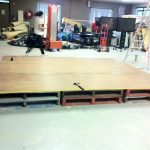
- Pallet Stages: Surprisingly common for rustic or temporary events. Standard wooden shipping pallets can be stacked and secured to create a stage.
- Pros: Extremely low cost (often free), readily available, sustainable.
- Cons: Uneven surfaces require decking (plywood), safety concerns if not properly secured and inspected for damage/splinters, limited height options, heavy.
- Safety Tip: Always use heat-treated (HT) pallets, not chemically treated (MB). Securely fasten layers with heavy-duty screws or bolts, and cover with ¾-inch plywood for a stable, smooth surface. Add edge protection.
- Case Snippet: A local community fair needed a small stage for acoustic performers. They sourced 20 free HT pallets, laid them out in a 4×5 grid, bolted them together, and topped them with rented plywood sheets, covering the sides with black fabric. Total cost was under $100 for hardware and fabric.
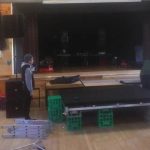
- Modular Block Systems: Often found in heavy-duty plastic or wood, these blocks interlock to create a stable base. Think industrial-grade versions of giant LEGOs.
- Pros: Easy to assemble, variable height, reusable, relatively stable.
- Cons: Can be expensive to purchase new, heavy to transport, specific brands may not interlock.
- Finding Cheap: Look for used systems from event rental companies offloading old stock or through industrial surplus sales.
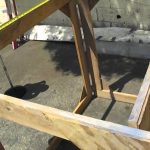
- Basic Wood Construction: Building a simple stage frame from 2x4s and topping it with plywood.
- Pros: Full control over size/height, relatively sturdy if built correctly, materials are inexpensive and accessible.
- Cons: Requires carpentry skills and tools, takes time, can be bulky to store, not easily reconfigurable.
- Safety Tip: Always use structural-grade lumber. Design with adequate bracing and supports, ensuring weight is distributed evenly. Consult basic construction guides for span tables to prevent sagging.
2. Hunting for Value: Used & Refurbished Platforms
One of the smartest ways to find a truly cheap stage platform is to explore the secondary market. Event rental companies, schools, churches, and theaters frequently upgrade their equipment, selling off perfectly functional staging at a fraction of the new cost.
- Where to Look: Online marketplaces (eBay, Craigslist), local auction houses, used equipment dealers, direct inquiries to event rental companies, school district surplus sales.
- What to Check:
- Structural Integrity: Inspect frames for bends, cracks, rust, or excessive wear. Look at welding points on metal frames.
- Decking Condition: Are the plywood tops warped, delaminated, or water-damaged? Minor scuffs are acceptable, but deep gouges or rot are red flags.
- Legs/Supports: Are they all present and functional? Do they lock securely? Check for missing pins or bent components.
- Compatibility: If buying multiple units, ensure they are from the same system and will interlock properly.
- Case Snippet: A small local band secured a 12’x8′ stage for their gigs by purchasing eight 4’x8′ used stage decks from a university surplus sale. The decks had some cosmetic wear but were structurally sound, costing them 70% less than new units. They invested in new skirting and a fresh coat of paint for the deck tops to complete the look.
3. Entry-Level Modular Systems: The Best of Both Worlds
For those who need something more professional than DIY but can’t justify premium systems, entry-level modular staging offers a sweet spot. These are typically simple platforms that use a few repeating components to build various configurations.
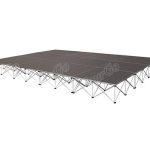
- Features: Often feature aluminum frames with plywood or composite tops, adjustable legs, and quick-lock mechanisms.
- Pros: Relatively lightweight, easy to assemble/disassemble, professional appearance, durable, can be rented or purchased.
- Cons: Still a higher upfront cost than DIY, though significantly less than high-end systems.
- Finding Cheap: Compare brands. Some manufacturers specialize in more basic, budget-friendly lines. Look for packages that include legs and clips rather than buying components separately.
- Pillar Article Connection: While our broader guide,
<a href="https://braghq.com/raised-stage-platform/">Discover our versatile stage platform</a>, delves into the full spectrum of staging systems, including highly adaptable and premium options, these entry-level modular kits are a fantastic starting point for understanding how such versatility can be achieved on a budget. They often provide many core benefits of their high-end counterparts, just with fewer bells and whistles.
4. Niche & Novelty: Inflatable or Temporary Stages
For very specific, temporary, or informal events, some unconventional options can serve as a cheap stage platform.
- Inflatable Stages: Think bounce-house material, but designed for stability.
- Pros: Extremely quick setup, very portable, novel appearance.
- Cons: Limited weight capacity, requires continuous air blower, susceptible to punctures, not suitable for all aesthetics.
- Best Use: Children’s events, casual outdoor festivals, novelty performances.
- Tiered Risers (Small Scale): For choir or speaking setups, simple tiered risers can offer elevation without a full stage footprint.
- Pros: Compact, easy to store, relatively inexpensive.
- Cons: Not a true performance stage, limited depth/width.
Rent vs. Buy: The Budget Stage Dilemma
Deciding whether to rent or purchase a cheap stage platform is a fundamental cost-saving decision.
When to Rent:
- Infrequent Use: If you only need a stage once or twice a year, renting almost always makes more financial sense than buying.
- Storage Limitations: Stages, even modular ones, take up space. Renting eliminates storage concerns.
- Variable Needs: If each event requires a different size or configuration, renting allows flexibility without owning a collection of components.
- Logistics Support: Rental companies often handle delivery, setup, and teardown, saving you labor and transportation costs.
When to Buy:
- Frequent, Consistent Use: If your organization hosts many events throughout the year, or runs a venue that needs a permanent stage, purchasing can be cheaper in the long run.
- Specific, Reusable Configuration: If you consistently need the same size and height stage, buying specific components can be cost-effective.
- DIY Capability: If you have the workforce and tools to manage setup/teardown and maintenance, buying avoids ongoing labor costs from rental companies.
Pro Tip: Always get multiple quotes for both rental and purchase scenarios, factoring in delivery, labor, and potential maintenance. A good rental company can also offer advice on cheap stage platform options they have in stock that might fit your budget.
Safety First: Non-Negotiable, Even on a Budget
No matter how cheap a stage platform is, safety must be paramount. Cutting corners on safety can lead to serious injuries, liability issues, and event cancellation.
- Weight Load: Always know and respect the maximum weight capacity of your stage. Err on the side of caution.
- Stability: Ensure the stage is level and stable. Legs should be locked, and any movement or wobbling indicates a problem.
- Guardrails/Handrails: For stages over 30 inches high, guardrails are typically required by code (check local regulations). Even for lower stages, they add a layer of safety, especially for performers or attendees who might approach the edge.
- Skirting: While often seen as aesthetic, skirting can prevent people from inadvertently walking or stumbling into the support structure beneath, and it helps prevent debris from accumulating under the stage.
- Lighting & Visibility: Ensure the stage and any access points (ramps, stairs) are well-lit to prevent trips and falls.
- Inspections: Before every use, conduct a thorough inspection of the entire stage structure for loose connections, damaged components, or instability.
Maximizing Your Budget: Smart Accessories and Enhancements
Even a very basic or cheap stage platform can look professional and function efficiently with smart accessory choices. You don’t need expensive add-ons; often, it’s about clever presentation.
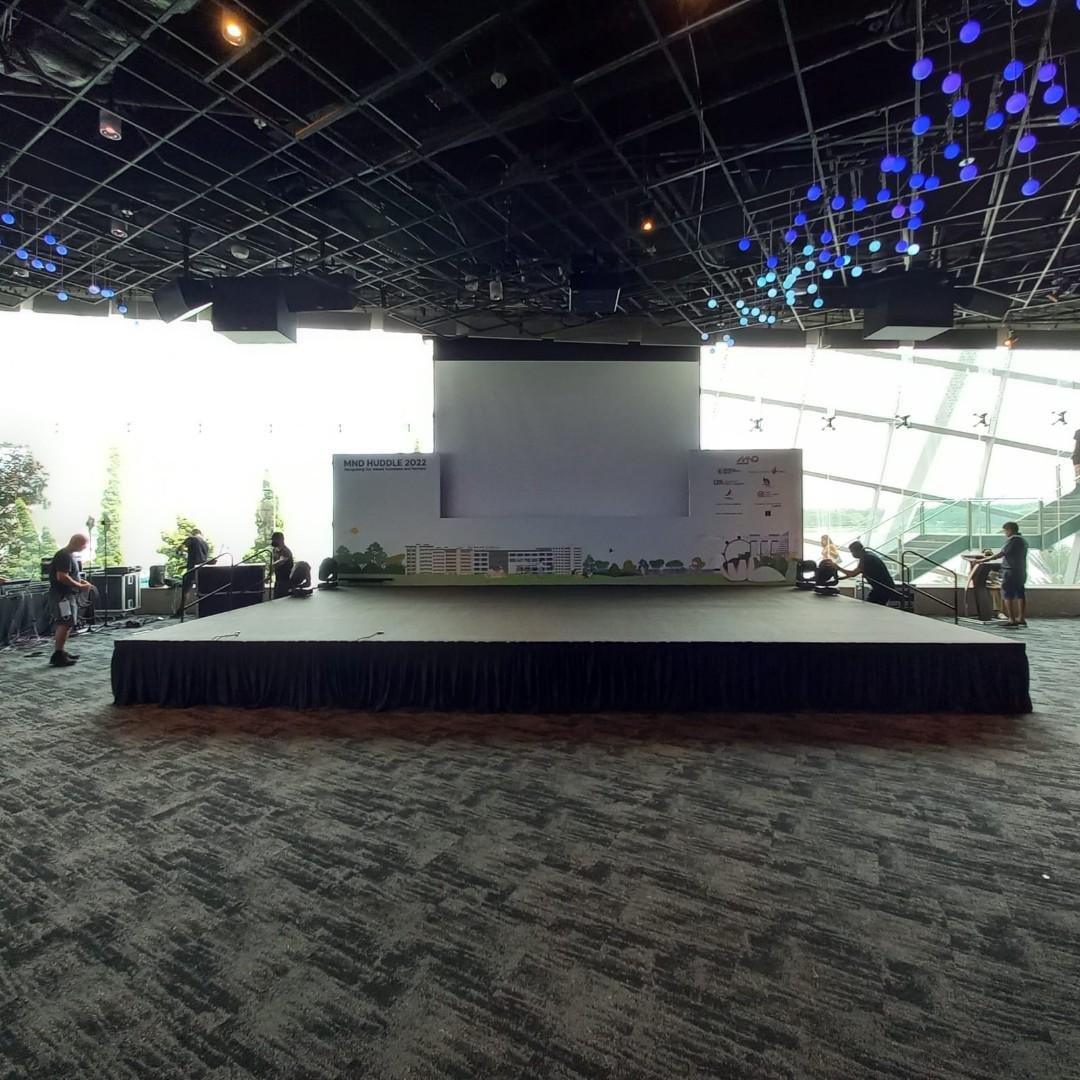
- Skirting: The quickest way to transform any stage. Black skirting is versatile and hides unsightly support structures. You can often find affordable fabric remnants or create simple DIY skirting from inexpensive fabric.
- Ramps & Stairs: Essential for accessibility and safety. Look for used ramps or build simple wooden steps if your DIY skills allow. Ensure they are securely fastened to the stage.
- Lighting: Basic stage washes and uplighting (even inexpensive LED pars) can dramatically enhance the appearance of any platform, making a simple stage look far more impactful. Focus light on the performers, not just the stage itself.
- Stage Deck Covers/Mats: If your budget deck is a bit worn, consider a roll of vinyl or carpet tiles to create a fresh, clean surface. This also adds grip and reduces noise.
- Backdrops: A simple pipe-and-drape system or a tension fabric backdrop can complete the stage area, providing a professional background without needing a complex stage design.
Quick Answers to Common Cheap Stage Platform Questions
Q: Can I use scaffolding as a cheap stage platform?
A: While scaffolding provides height and a robust frame, it’s generally not designed for performance surfaces. Its open structure requires significant decking to create a smooth, safe stage, and it can be overkill in terms of weight and complexity for many events. It can be a “cheap” option if you already own it, but buying or renting proper staging is usually more practical and safer for stage use.
Q: How much should I expect to pay for a cheap stage platform?
A: This varies wildly. DIY pallet stages might cost less than $100 for hardware. Used modular decks could range from $50-$200 per 4’x8′ section, depending on condition and brand. New entry-level modular systems might start at $200-$400 per 4’x4′ section (including legs). Rental costs also vary by region and duration, but a basic 8’x12′ stage for a day might be $250-$500, including delivery.
Q: Are plastic platforms durable enough for heavy use?
A: Many heavy-duty plastic or composite platforms are incredibly durable and designed for rigorous use. They are often weather-resistant and lighter than wood-framed options. Always check the manufacturer’s load rating and intended use for specific models. Cheap, lightweight consumer-grade plastic platforms are generally not suitable for significant stage loads.
Q: What’s the minimum height for a stage?
A: There’s no universal minimum, but for visibility in a seated audience, 8-12 inches is often a practical minimum. For standing audiences, 18-24 inches might be needed to provide good sightlines. Higher stages (over 30 inches) typically require guardrails and ramps/stairs for safety and accessibility.
Q: How can I make a cheap stage look more professional?
A: Focus on skirting (black or a solid color), clean deck surfaces, and good lighting. Simple pipe and drape for a backdrop, well-managed cables, and avoiding visible clutter beneath the stage all contribute to a polished look, regardless of the platform’s initial cost.
Your Action Plan: Choosing Your Cheap Stage Platform
Navigating the world of budget staging requires a methodical approach. Use this quick decision guide to help you select the best cheap stage platform for your next event.
- Assess Your Absolute Minimum Needs:
- Weight Load: What’s the heaviest item/group going on it?
- Dimensions: How big does it absolutely have to be?
- Height: What’s the minimum height for visibility?
- Duration: One day, one week, permanent?
- Evaluate Your Resources:
- DIY Skills & Workforce: Do you have people who can build and assemble safely?
- Tools: Do you have access to necessary construction or assembly tools?
- Storage: Do you have space to keep a purchased stage?
- Transportation: How will you get it to/from the venue?
- Explore Options Based on Assessment:
- DIY: If low load, short duration, and you have skills (e.g., pallet stage for a small band).
- Used/Refurbished: If moderate load, longer duration, and you need a more professional look without the new price tag. Start searching immediately; good deals don’t last.
- Entry-Level Modular: If frequent use, need reconfigurability, and a professional appearance is paramount, but top-tier budget isn’t available. Consider buying components over time.
- Rental: If infrequent use, variable needs, no storage, or you need logistics support. Get multiple quotes.
- Prioritize Safety & Compliance:
- Load Test: If DIY, perform a basic load test (safely) before event use.
- Local Codes: Research local building and fire codes for stage height and railing requirements.
- Accessibility: Consider ADA compliance for ramps if your stage is over certain heights.
By approaching your staging needs with a clear understanding of your requirements and the available options, you can absolutely secure a professional, safe, and impactful platform solution without overspending. It’s about smart choices, not sacrifices.

- Constructing A Stage Builds Your Own Sturdy Performance Platform - June 5, 2026
- DIY Stage Platform Construction Is Easy for Any Event - June 4, 2026
- Simple DIY Portable Folding Stage Ideas for Events - June 3, 2026