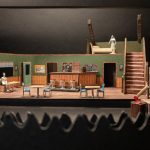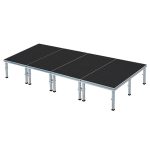
Transforming an empty event space into a captivating stage doesn’t demand a permanent fixture or a massive budget anymore. The secret lies in portable set design—an art and science focused on creating dynamic, visually engaging performance areas that are entirely mobile and reconfigurable. It’s about leveraging modular components to build stages that not only elevate performers but also tell a story, support an event’s theme, and can be assembled and dismantled with remarkable efficiency, regardless of the venue.
At a Glance: Designing with Portable Stages
- Modular Advantage: Understand how interlocking components create endless configurations, from simple risers to multi-level spectacles.
- Design for Adaptability: Learn to craft sets that fit diverse event types (concerts, fashion shows, corporate presentations) and various audience orientations (Proscenium, Thrust, End, Arena).
- Efficiency First: Discover techniques for rapid setup and teardown, minimizing labor and maximizing event turnaround time.
- Aesthetic Enhancement: Explore how accessories like skirting, backdrops, and lighting integrate seamlessly to create polished, professional looks.
- Overcome Constraints: Get practical solutions for building on uneven terrain, ensuring safety, and managing storage and transport.
The Foundation: Your Portable Stage Canvas
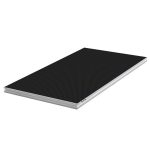
At its heart, brilliant portable set design begins with a robust and versatile foundation: the portable stage platform. These are more than just elevated surfaces; they are the fundamental building blocks for any temporary performance space. Think of them as giant, heavy-duty LEGOs, designed to lift performers, speakers, or products, enhancing visibility and audibility for your audience.
These platforms offer extraordinary flexibility. You can configure them as a flat expanse, a multi-level masterpiece, or even incorporate unique shapes. Standard decks typically come in 4’x8’ or 3’x8’ sizes, but the beauty is in their ability to layer up in precise 7-inch or 12-inch height increments. This allows for a truly customized topographical design. Setting them up is surprisingly fast, often utilizing innovative fast-fold frames that save time or individual legs for cost-effective solutions. Importantly, modern systems are lightweight, modular, and engineered for single-person setup and takedown thanks to ingenious internal locking mechanisms. They’re tough too, each platform supporting an impressive 185 pounds per square foot, and featuring slip-resistant finishes for safety and integrated cable ports for clean electrical management.
For a deeper dive into the technical capabilities and versatile applications of these foundational platforms, you can always Explore the Raised Stage Platform.
Core Principles of Effective Portable Set Design
True mastery of portable set design isn’t just about assembling pieces; it’s about understanding the foundational principles that make these temporary structures so impactful and practical.
Modularity is Your Mantra
The inherent modularity of portable stage systems is the designer’s best friend. Each component—be it a deck, a leg, a ramp, or a railing—is engineered to interlock seamlessly. This isn’t just about ease of assembly; it’s about boundless creative freedom. You can envision a sprawling concert stage one day and a compact, multi-tiered presentation area the next, all using the same core inventory. This flexibility extends to shapes, allowing you to move beyond basic squares and rectangles to create T-shaped runways, curved platforms, or nested stages that cater precisely to your event’s flow and aesthetic.
Designing for Rapid Transformation
Time is always a critical factor in event management. Portable set design prioritizes speed and efficiency without sacrificing structural integrity or visual appeal. This means selecting systems with intuitive assembly processes, like fast-fold frames that pop into place, or screw-in legs that quickly secure a platform. A well-designed portable set anticipates its own setup and teardown, aiming for minimal crew and maximum speed. Consider the “Drum Riser Package,” for instance: four 3×3-ft platforms with six-inch screw-in legs, designed to fit in a car trunk and assemble in minutes—a perfect example of design optimized for rapid transformation.
Versatility by Design: Adapting Stage Types
One of the most powerful aspects of portable set design is its ability to adapt to or even create various traditional stage configurations. Event organizers aren’t limited to the existing architecture of a venue; they can sculpt the space to match their vision.
- Proscenium Stage: Easily built as a classic “picture frame” stage, where the audience faces directly forward, often with a framed opening. Ideal for theatrical productions or formal presentations.
- Thrust Stage: Imagine a fashion runway or a speaker jutting into the audience, with seating on three sides. Portable stages excel here, extending into the crowd to create a more intimate experience.
- End Stage: Similar to a Thrust but with audience solely in front, common in concert halls or for keynote speeches. Portable decks can form a prominent focal point at one end of a room.
- Arena Stage: The ultimate in immersive design, where the audience surrounds the stage on all sides (“theater-in-the-round”). Concert promoters frequently deploy portable stages to transform sports arenas into temporary arena-style concert venues.
By understanding these archetypes, you can strategically combine portable components to achieve the desired performer-to-audience dynamic for any event.
Space Optimization: Maximizing Impact in Any Venue
Portable sets are invaluable for facilities managers seeking to optimize publicly funded spaces like municipal buildings, arenas, and convention centers. They allow these venues to accommodate a wider range of special events without permanent, costly installations. This optimization isn’t just about fitting a stage into a room; it’s about designing a stage that perfectly complements the room’s acoustics, sightlines, and traffic flow. A multi-level stage might make a small band appear grander, while a long, low runway could be ideal for showcasing products or a bridal party. The right portable design ensures every square foot of the venue is utilized effectively.
From Concept to Configuration: A Practical Playbook
Designing a portable set moves from abstract ideas to concrete plans. Here’s a step-by-step guide to bringing your vision to life.
Step 1: Define Your Event’s Narrative and Needs
Before you sketch a single line, understand the “why.” Who is the audience? What is the event’s purpose (concert, speech, awards, fashion show)? What kind of energy or atmosphere do you want to create?
- Concert: Needs ample space for instruments, possibly multiple levels for drums or backline, and robust cable management.
- Corporate Presentation: Might require a simple, elegant podium with steps, space for a projector, and discreet cable routing.
- Fashion Show: Demands a long, clear runway (a Thrust stage often works well), typically lower to the ground for close-up viewing.
These initial questions will guide every subsequent design decision, from stage height to accessory choices.
Step 2: Sketching the Multi-Dimensional Layout
With your narrative in mind, it’s time to map out the stage itself. Start with floor plans and elevation views.
- Dimensions: Leverage the standard 4’x8’ or 3’x8’ decks. How many do you need?
- Height: Will it be a single, flat stage, or will you introduce multiple levels? Seven-inch and twelve-inch increments allow for subtle or dramatic elevation changes. A multi-level stage adds visual interest and can delineate different performance zones (e.g., higher for a lead singer, lower for a rhythm section).
- Shape: Combine modules to form squares, rectangles, T-shapes, or even custom configurations for specific effects. Don’t be afraid to think outside the box; modular systems facilitate endless possibilities.
Case Snippet: The Mobile DJ Setup
A professional mobile DJ preparing for a wedding or club night often needs a raised platform that’s both functional and stylish. They might opt for a 12-inch high stage made of two 4’x8’ decks, creating a 8’x8’ square. This provides enough space for their console, speakers, and lighting, lifting them above the dance floor for better visibility and a more commanding presence. Crucially, the design accounts for cable ports to keep wiring tidy and trip-hazard-free.
Step 3: Integrating Essential Accessories
The platform is just the beginning. Accessories transform a functional riser into a complete set.
- Stage Ramps: Absolutely critical for accessibility and ease of movement, especially for heavy equipment or individuals with mobility challenges. Ensure ramps meet ADA compliance if required.
- Guardrails: Essential for performer safety, particularly on higher stages or near edges. They provide a visual boundary and prevent falls.
- Stage Backdrops: The canvas for your branding or theme. These can be simple fabric drapes, custom printed banners, or complex scenic elements attached to freestanding supports.
- Skirting and Drapes: These are game-changers for aesthetics. Skirting, which attaches via hook-and-loop clips, conceals the stage’s structural legs and underpinnings, instantly creating a clean, polished look. Drapes can be used to frame the stage or create wings.
Step 4: Mastering the Quick Setup & Teardown
Efficiency isn’t accidental; it’s designed. Consider the setup method when selecting your portable stage components.
- Fast-Fold Frames: These pre-assembled frames unfold quickly, drastically cutting down setup time. They’re ideal when rapid transitions between events are common.
- Single Legs: While taking slightly longer to assemble individually, single legs offer more flexibility for uneven terrain and can be a more cost-effective option for less frequent setups.
- Single-Person Setup: Modern systems are increasingly designed to be managed by one person, thanks to lightweight materials and innovative internal locking systems. This reduces labor costs and logistical complexities.
Pre-planning, clear labeling of components, and even practicing the setup beforehand can shave valuable minutes (or hours) off event day.
Elevating Aesthetics: Beyond the Platform
A great portable set design combines structural integrity with visual flair. How you dress the stage can make all the difference.
The Power of Skirting and Drapes
These simple additions are probably the most underestimated elements of portable set design. Stage skirting, often attached with convenient hook-and-loop clips, wraps around the stage perimeter, instantly hiding the functional but unglamorous legs and frame. This creates a clean, professional aesthetic, unifying the stage with the overall event design. Drapes can extend this effect, creating backdrops, wings, or even framing devices, adding depth, texture, and color that reinforce the event’s theme.
Backdrops and Visual Storytelling
Your backdrop is arguably the most prominent visual element of your portable set, apart from the performers themselves. It’s an opportunity for branding, thematic reinforcement, or simply to establish a mood.
- Branding: For corporate events, a backdrop featuring company logos or event sponsors is a must.
- Atmosphere: A concert might feature dynamic lighting against a simple black drape, while a holiday choral event could use a scenic winter wonderland backdrop.
- Projection Surfaces: A plain white or light-colored backdrop can double as a projection surface for visuals, videos, or presentations, adding an interactive layer to the performance.
Strategic Lighting and AV Integration
No set is complete without thoughtful lighting and audio-visual integration. Portable stages often come with built-in features that simplify this.
- Cable/Electrical Ports: These discreet openings within the platform decks or frames allow for clean routing of power and audio/visual cables, preventing trip hazards and maintaining a tidy appearance.
- Under-Stage Storage: The space beneath a raised stage can be utilized for discreetly housing AV equipment, power distributors, or even props, keeping the performance area clear.
- Integrated Lighting: While not typically part of the stage structure itself, the design should accommodate lighting fixtures—whether they are truss-mounted, freestanding, or integrated into backdrop elements—to sculpt the space and highlight performers.
Overcoming Common Portable Set Design Challenges
Even with the best planning, practical considerations always arise. Here’s how to tackle common hurdles in portable set design.
Adapting to Uneven Terrain
One of the standout features of modern portable stages is their ability to be built over virtually any terrain. This is crucial for outdoor events, historical venues with uneven floors, or even simple ballrooms where the floor might not be perfectly level. Adjustable legs allow individual platforms to be precisely leveled, creating a stable and safe surface even on sloped ground, grass, gravel, or cobblestones. This capability expands the potential venues for dynamic events exponentially.
Weight Distribution and Safety
Safety is paramount. While individual platforms can support up to 185 pounds per square foot, designers must still consider the total load.
- Heavy Equipment: If placing heavy musical instruments (e.g., grand piano, full drum kit) or large display screens, ensure the stage design accounts for their concentrated weight.
- Crowd Dynamics: For events where performers might move dynamically or interact with props, ensure all connections are secure, guardrails are installed where necessary, and slip-resistant finishes are in optimal condition.
- Cable Management: This isn’t just about aesthetics; exposed cables are a major trip hazard. Utilize integrated cable ports, cable ramps, and gaffer tape to secure all wiring.
Storage and Transport Logistics
The “portable” aspect extends beyond setup and teardown. How will you move and store these components?
- Compact Storage: Look for systems designed to store compactly. Decks stack efficiently, and frames can fold flat.
- Flight Storage Cases: For frequent travel or protecting valuable components, optional flight cases with integrated casters are invaluable. They streamline loading and unloading, protect against damage, and make transport a breeze.
- Component Inventory: Keeping a detailed inventory helps with planning, ensuring you have all necessary parts for your next design, and simplifying storage organization.
Quick Answers to Your Portable Set Design Questions
Can I really set up a decent portable stage by myself?
Yes, many modern portable stage systems are designed for single-person setup and takedown. They feature lightweight materials, intuitive locking mechanisms, and manageable component sizes. While larger, more complex configurations might benefit from an extra pair of hands, a significant portion of the core assembly can often be handled solo, especially with practice.
How do I ensure accessibility for performers and guests?
Accessibility should be a primary consideration. For any stage over 6 inches in height, stage ramps are essential for wheelchair access and easier movement of equipment. When required, ensure ramps comply with ADA (Americans with Disabilities Act) guidelines regarding slope, width, and handrails. Steps with handrails are also crucial for general ease of access.
What’s the biggest mistake people make in portable set design?
The most common mistake is underestimating the importance of pre-planning and testing. Designers often focus on the visual outcome but neglect logistical details like setup time, required personnel, storage space, and how cables will be managed. Always perform a dry run or create a detailed layout diagram, especially for new configurations, to identify potential bottlenecks or missing components before the event day.
Embracing the Dynamic Stage
Portable set design is more than just a logistical solution; it’s a powerful tool for creativity and flexibility in event planning. By mastering the modularity of modern stage systems, embracing efficient setup techniques, and paying close attention to aesthetic details, you can transform any space into a memorable, dynamic performance venue. From a high-energy concert to an elegant corporate awards ceremony, the ability to build, adapt, and move your stage empowers you to craft truly exceptional experiences, making every event a standout success.

- Scenic Design Models Essential for Visualizing and Refining Stage Layouts - May 17, 2026
- Portable Set Design Simplifies Dynamic Stages for Any Event - May 16, 2026
- Get Stage Pieces for Quick, Professional Event Setups - May 15, 2026